Hamamelis virginiana
Witch Hazel · American witchhazel · American Witch-Hazel · Cafe du Diable · American Witchhzel
Description
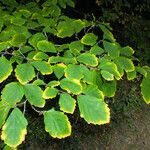
Source: leafsnapThis is a large shrub with an open, rounded form and branching structure. Its flowers have ribbon-like petals and are very fragrant. The rich green leaves turn a beautiful yellow-orange in the fall. With age, it can grow into a small tree. It is a deciduous plant.
🌳 Witch hazel is versatile in its uses. Its wood, being strong and flexible, is commonly made into walking sticks and tool handles. Beyond woodworking, witch hazel has bioindicator properties: its growth can indicate elevated concentrations of certain metals in the soil. It is also employed in landscaping for erosion control because of its dense root system and is appreciated by beekeepers as a late-season pollen source for honeybees.
🎭 Safeguarding and inspiration, as well as magic and mysticism
Care Guide
💧 Water Every 1-2 weeks
Witch hazel thrives in temperate woodlands, where it prefers moderate moisture and consistent humidity. Although it is drought-tolerant, it should be watered every 1-2 weeks. While it is resilient in various climates, it flourishes best with a balance of rainfall and good soil drainage.
What's the best way to water my Witch hazel plant?
To promote excellent root development, consider placing a garden hose at the base of your plants. Avoid spraying the leaves directly, and keep in mind that outdoor plants exposed to direct sunlight may need more water for their leaves. To keep the roots moist, you can use bubblers or soaker hoses on each plant. When adding or removing plants, use soaker hoses that cover the entire garden or bed to help the roots grow deep. After watering, drain any excess water and wait for the soil to dry before watering again. It's best to water at ground level to prevent diseases. On sunny days, it's a good idea to spray the entire bush with water. Whether your Witch hazel plants are in pots or in the ground, remember that they prefer deep watering rather than light sprinkling.
What should I do if I give Witch hazel too much or too little water?
When a Witch hazel is overwatered, its leaves can turn yellow, drop off, and wilt. The plant may also appear dull and unhealthy, with mushy stems. When these signs start to show, it's best to adjust your watering schedule. Wilting can also indicate under watering, which manifests as crispy and dry leaves. If the soil is dry, simply watering may not be enough, so make sure to thoroughly water the plant. However, even with enough water, the Witch hazel may still have dry and yellow leaves due to root damage. Once it returns to normal, the yellowing of leaves will stop. When growing Witch hazel indoors, always check the moisture levels in the pot and avoid overwatering. Look out for signs of black spots, in which case, let the soil dry out for a few days before watering again. Overwatering can lead to root rot, so if you notice discolored and slimy roots, consider transferring the plant to a different pot. Preventing root rot is important, so avoid making the soil too soggy. When planting Witch hazel outdoors, make sure to dig a little deeper. If you find the soil to be excessively dry, it could mean underwatering, and the plant requires adequate watering to recover.
How frequently should I water my Witch hazel plant?
The Witch hazel plant prefers deep and infrequent watering, especially when planted in pots. When watering potted plants, it's important to soak them in a gallon of water each time, as the water storage in the pots is limited and the soil dries out faster. In colder regions, watering is required every 3 to 5 days. It's best to water in the early morning when the soil is dry, whether the plant is indoors or outdoors. To determine if watering is needed, check the soil inside the pot - if the top 2-3 inches of soil is dry, it's time for a full watering. On hot days, it may be necessary to check moisture levels daily, as the heat can quickly dry out the potting soil. If you have a garden, proper soil irrigation is also important. In hot climates, watering once a week is generally sufficient. Look for indications that the top 2 to 3 inches of soil are becoming too dry, both indoors and outdoors, before watering. Take into account natural rainfall, as excessive watering can lead to root rot. Witch hazel plants typically grow during spring and fall. When planted outdoors, consider adding a 3 to 4 inch deep layer of mulch to conserve moisture. Sandy soil drains faster, so more frequent watering is necessary. On the other hand, with clay soil, watering can be done less frequently, allowing the plant to dry out for 2 to 3 days without risking root rot. One strategy to help with watering consistency is to mark the watering dates on a calendar. If you notice leaves drooping, it may indicate that you've delayed watering by a day.
How much water should be added to my Witch hazel plant?
For the Witch hazel, it generally needs about a gallon of water on a regular schedule. If you have potted plants, water them deeply until the water starts dripping out of the bottom of the pot. Then wait for the soil to dry before watering again. You can use a water calculator or moisture meter to determine how much water you've given your plant in a week. It's important to provide plenty of water, especially during the flowering period, but allow the moisture to evaporate afterwards to avoid root rot. If your Witch hazel is planted outdoors and receives enough rainfall, it may not need additional watering. However, if it's young or newly planted, make sure it gets 1-2 inches of rain per week. As the Witch hazel grows, it can rely solely on rainfall. Only when the weather is extremely hot or if there has been no rainfall for 2-3 weeks, consider giving it a full watering during the cooler part of the day to prevent damage from high heat. Additional watering will be needed during prolonged dry spells.
Should I change how often I water my Witch hazel plant based on the time of year or the weather?
The Witch hazel plant needs to be outdoors and can mostly rely on rainfall for watering, unless it's persistently dry. In the spring and fall, the soil should be kept moist but not soggy, alternating between dry and moist conditions. During hot summer weather or when there's a lack of rain, more frequent watering is necessary. In winter, the plant needs less water as it goes dormant, but the soil should still have good drainage. When the plant is in a pot, it has limited root growth, so watering is important, especially in summer. It's best to water deeply and avoid shallow sprinkles that don't reach the roots. The plant shouldn't dry out completely even in dormancy. Good drainage is crucial to prevent drowning the plant or causing it to die during winter. Applying mulch can help reduce stress, retain moisture, and promote healthy blooms.
☀️ Light Partial sun
Witch hazel prefers constant sunlight but also tolerates areas with limited light. It adjusts through its different growth stages. Native to habitats with varied light levels, excessive or insufficient sun only has a slight effect on its health.
What are the sunlight requirements for Witch Hazel?
Witch Hazel requires a range of sunlight conditions to thrive. It enjoys partial sun, needing about 3-6 hours of sunlight daily, but it can also prosper in full sun or full shade, which means it can handle more than 6 hours of sunlight. It's essential to observe how sunlight moves through your garden to ensure that your Witch Hazel is planted in a spot with the ideal light balance. This adaptability allows Witch Hazel to cope well in different stages of growth and in varied lighting conditions, originating from its ability to thrive in terrain with diverse light exposure.
What additional lighting requirements do indoor Witch Hazel plants have?
Indoor Witch Hazel plants require sufficient lighting for optimal growth, especially when natural sunlight is insufficient. Artificial lights are recommended in such scenarios, particularly during winter or in less sunny spaces, to promote healthy growth. LED lights are popular for indoor plants because they can be tailored to provide specific wavelengths of light needed for the plants. Full sun plants should receive 30-50W/sq ft of artificial light, partial sun plants need 20-30W/sq ft, and full shade plants benefit from 10-20W/sq ft. The light source should be placed 12-36 inches above the plant to mimic natural sunlight, ensuring the plant receives 8-12 hours of light per day.
What are the symptoms of insufficient light in Witch Hazel?
When Witch Hazel is grown indoors with insufficient light, it may exhibit several symptoms indicating light deficiency. These include smaller new leaves, leggy or sparse growth, faster leaf drop, slower or halted growth, and paler new leaves. Other symptoms like chlorosis can indicate excessive sunlight, leading to a loss of green color and yellowing leaves. Sunscald, leaf curling, wilting, and leaf scorching are also adverse effects of too much sunlight exposure, damaging plant tissue and affecting overall health.
What solutions are available for Witch Hazel experiencing light-related issues?
To address light-related issues in Witch Hazel, consider several solutions based on the plant's location. Indoor plants can be gradually shifted to sunnier spots each week until they receive the adequate 3-6 hours of direct sunlight daily. If moving the plant is not feasible, artificial lighting, such as desk or ceiling lamps left on for at least 8 hours daily or professional plant grow lights, can provide the necessary light. For outdoor plants, it's critical to move them gradually to sunnier locations to avoid shock and potential sunburn. If sunlight is obstructed by environmental factors such as trees, consider pruning to increase light exposure or transplant smaller plants during their dormant period to areas with more sunlight and better drainage. Note that damaged parts of the plant may not recover, but new growth will be healthy with correct light exposure.
🌡️ Temperature 0–32.2°C
In its native habitat, witch hazel experiences temperatures from -20 to 95 ℉ (-29 to 35 ℃). It prefers a range of 32 to 90 ℉ (0 to 32 ℃) and can tolerate occasional frost. In colder seasons, it is advisable to provide protection like mulch or burlap to prevent the plant from drying out.
What are the ideal temperature conditions for growing Witch Hazel?
Witch Hazel, or Hamamelis virginiana, thrives best in its native growth environment with temperature ranges between -20 to 95°F (-29 to 35°C). Preferably, it grows more comfortably within a temperature range of 32 to 90°F (0 to 32°C) and can handle occasional frost. During the cooler seasons, applying protection like mulch or burlap is recommended to keep the plant from drying out. Even though Witch Hazel possesses strong cold resistance, it's crucial to ensure the soil is moist before the first freeze of autumn to prevent winter and early spring drought.
How should Witch Hazel be cared for during very cold winters?
During winters, especially when temperatures are expected to drop below -35°C, Witch Hazel may require additional frost protection to counter the cold's effects. This can be managed by wrapping the plant's trunk and branches with protective materials like non-woven fabric or cloth. Such precautions help the plant withstand the cold by preventing its branches from becoming brittle, dry, and ensuring the soil around it remains moist to avoid drought conditions during the cold season.
What symptoms indicate that Witch Hazel is experiencing temperature stress?
Witch Hazel shows distinct symptoms under temperature stress. For low temperature stress, if the environment falls below -35°C, the plant's branches may turn brittle and dry by spring, potentially leading to a lack of new growth. The solution is to prune any dead branches during spring. In cases of high temperature stress, where conditions exceed 35°C, Witch Hazel's leaves might lighten in color, and tips may appear dry and withered, indicating susceptibility to sunburn. The remedy involves trimming sunburned parts, relocating the plant to a shaded area, or using a shade cloth, coupled with morning and evening watering to maintain soil moisture.
💨 Humidity
🪴 Soil 5-6
🌱 Fertilizer
The timing for fertilizing Witch hazel is critical. Apply fertilizer in early spring and repeat the application monthly through early summer. Fertilizer encourages attractive blooms and supplies energy during both dormant and active growth phases.
Why should I put fertilizer on my Witch hazel plant?
Fertilizing your Witch hazel has multiple benefits. Firstly, it helps the plant produce beautiful blooms. To achieve this, it is recommended to fertilize it in early spring. This will ensure that your Witch hazel has excellent flowers during that season. Additionally, fertilizer provides the plant with sufficient energy to store in the ground during dormant growth phases. By giving your Witch hazel extra nutrients during fall planting or late spring, it will have more energy available for active growth when it resumes.
When should I fertilize my Witch hazel for the best results?
Timing is important when fertilizing Witch hazel. If you fertilize too early while the plant is still dormant, the fertilizer won't be effective and will be washed away by rainwater, causing waste and pollution. The best time to apply the first round of fertilizer is in early spring, and continue fertilizing once a month until early summer.
When is the best time to not fertilize my Witch hazel?
To ensure optimal growth of Witch hazel, it is important to choose a fertilizer with a lower level of nitrogen compared to other nutrients. Too much nitrogen can result in an abundance of leaves but not many blooms. Avoid fertilizing after early autumn, as this can lead to excessive growth right before winter. Additionally, refrain from fertilizing during hot and dry periods as dry soil is not effective in delivering fertilizer. Fertilizing during this time can also stimulate growth, requiring more water that may not be available. It is advisable to apply fertilizer earlier in the season when temperatures are cooler. Lastly, be cautious as Witch hazel can absorb fertilizer from neighboring plants or lawns, so be mindful not to inadvertently provide it with a double-dose of fertilizer.
What kind of plant food does my Witch hazel need?
To ensure optimal growth and blooming of your Witch hazel plant, it is recommended to use a fertilizer that contains a balanced mix of the three main nutrients, with slightly higher amounts of phosphorus. Another option is to enhance the plant's soil by incorporating organic materials like compost, worm castings, or manure. Experienced gardeners may choose to supplement the fertilizer with water-soluble options containing phosphorus when flower buds start to appear. This aids in better flower development, resulting in larger and longer-lasting blooms. There are various forms of fertilizers available, but liquid or powdered ones are often considered the best for Witch hazel. Regardless of the form you choose, diluting the fertilizer and applying it during watering is crucial for the plant's well-being.
How can I add fertilizer to my Witch hazel plant?
To properly fertilize your Witch hazel, it is important to follow specific instructions for the type of fertilizer you are using and conduct research on its application. It is crucial not to over-fertilize, so determining the correct amount is essential. A general guideline is to use the age of the tree or the trunk diameter to determine the amount of fertilizer. As a rough estimate, use one-tenth of a pound of fertilizer per year or per inch of trunk, with a maximum of one pound. When applying granular or organic fertilizers like blood meal, sprinkle the substance around the base of the tree, extending out to the drip line (the area beneath the outermost branches). Avoid getting fertilizer on the trunk itself. Over time, the granules will break down and filter into the soil, where the roots can absorb them. After fertilizing, spread a one-inch layer of compost around the base of the tree and thoroughly water.
🪴 Pot & Repot Every 12 months
✂️ Pruning
To help witch hazel thrive, it's important to prune it in late spring using thinning cuts. This improves air circulation and light access. Maintaining its natural shape is essential for better blooms and overall health. Proper timing is crucial, and using sharp, clean tools prevents damage while enhancing both the plant's appearance and its resistance to disease.
🌿 Propagating
🐛 Diseases & pets
☠️ Toxicity
Characteristics
- Plant Type
- Shrub
- Life Cycle
- Perennial
- Genus
- Hamamelis
- Family
- Hamamelidaceae
- Hardiness Zone
- 3-8
- Mature Height
- 6.1 m to 10.06 m
- Mature Spread
- 4.57 m to 6.1 m
- Leaf Color
- Green, Yellow, Gold, Orange
- Leaf Type
- Deciduous
- Flower Color
- Yellow
- Flower Size
- 1.02 cm to 2.03 cm
- Bloom Time
- Late summer, Early fall
- Planting Time
- Spring, Autumn
- Harvest Time
- Early spring, Mid spring, Mid summer, Late summer, Fall, Winter
- Native Area
- Mexico