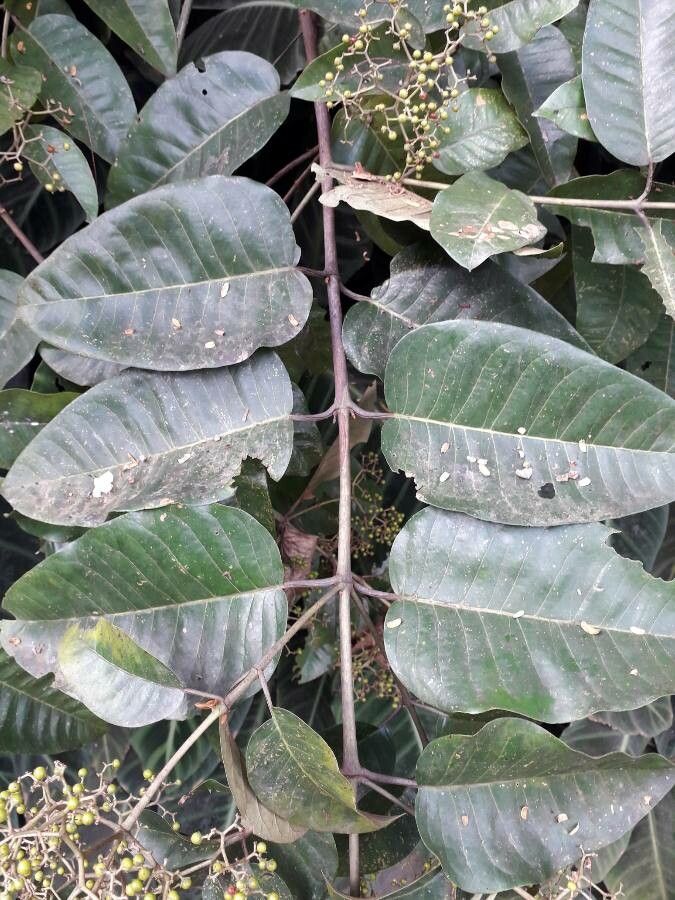
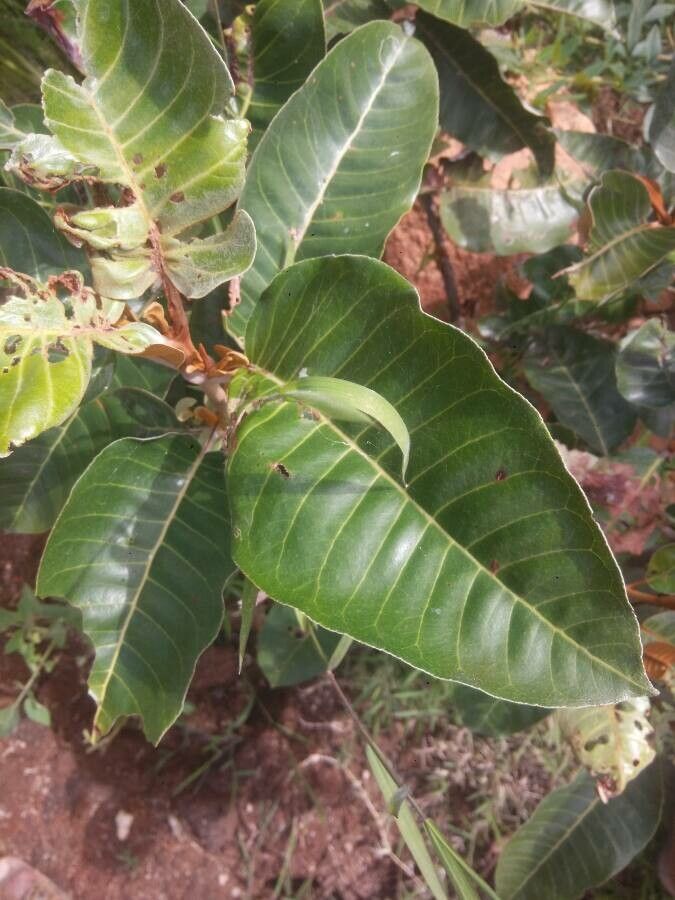
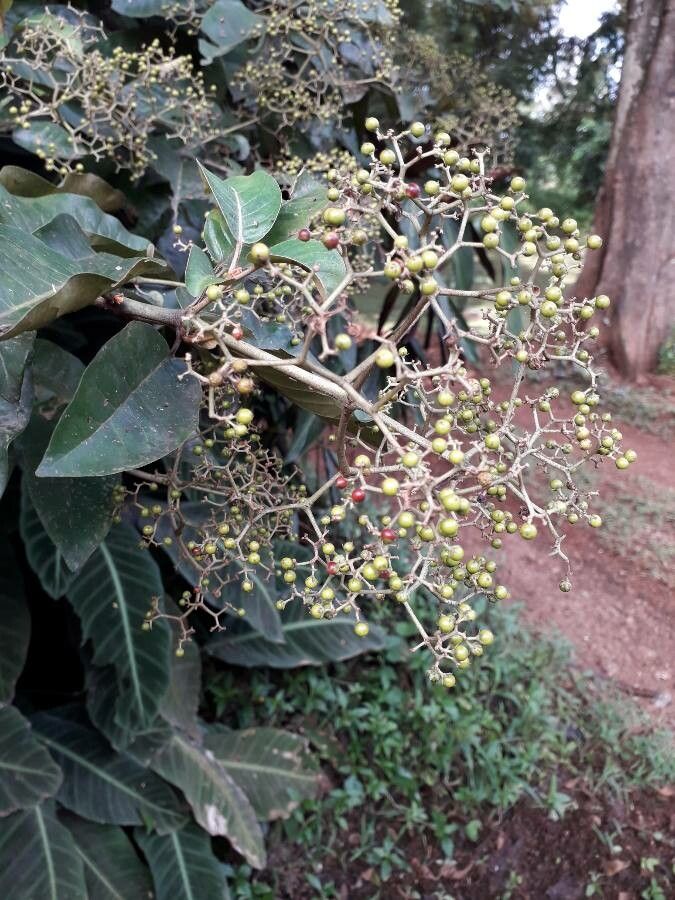
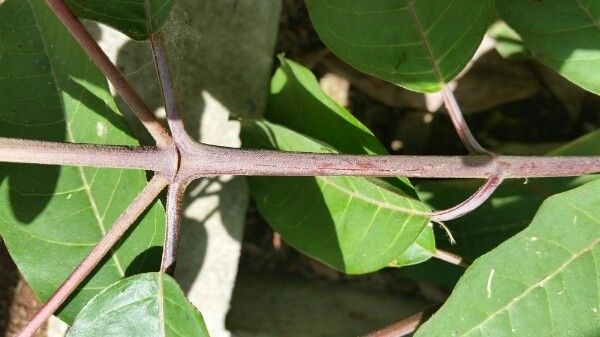
Harungana madagascariensis, also known as the Madagascar haronga or dragon's blood tree, is a small to medium-sized tree native to Madagascar and other parts of Africa. It belongs to the Clusiaceae family and can grow up to 10 meters tall. The tree features a straight trunk with smooth bark that can range in color from gray to brown.
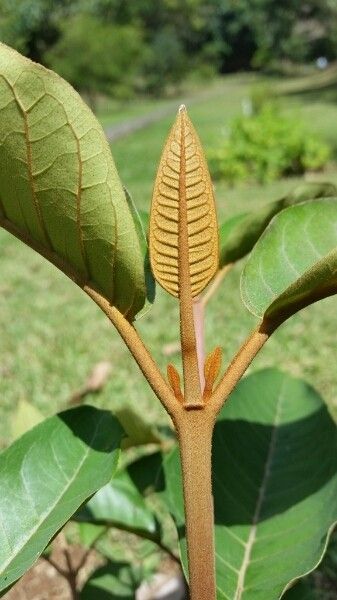
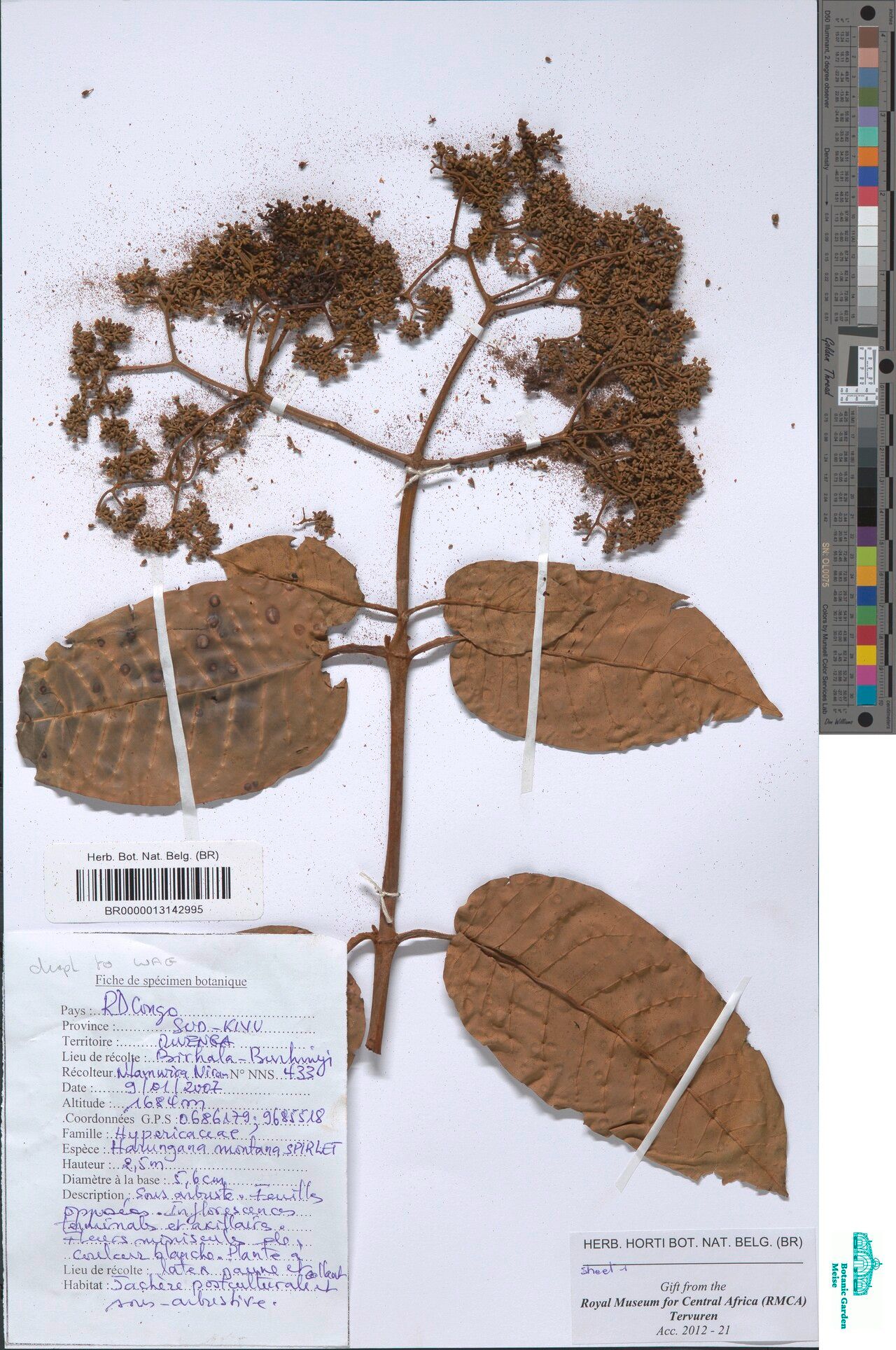
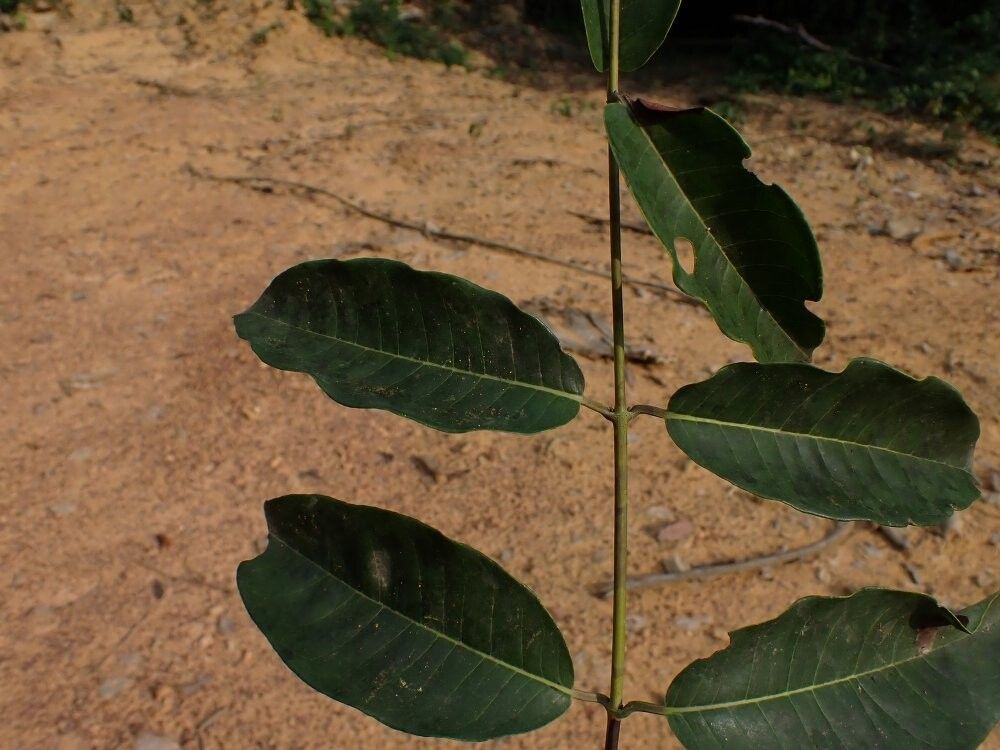
The leaves of Harungana madagascariensis are simple, opposite, and elliptical in shape, with a glossy green surface on top and a pale green underside. During the summer, the tree produces small white flowers arranged in clusters at the ends of its branches.
The fruit of Harungana madagascariensis is a capsule containing numerous seeds, which are dispersed by wind or water. These seeds have an oily coating that makes them buoyant on water surfaces.
Harungana madagascariensis has long been used for medicinal purposes due to its antibacterial, antifungal, and anti-inflammatory properties, among others. Traditionally, it has been an herbal remedy for various ailments such as fever, diarrhea, and skin infections.
In addition to its medicinal uses, Harungana madagascariensis is also valuable for timber production. Its hard wood is resistant to termites and decay fungi, making it highly durable.
Overall, Harungana madagascariensis serves multiple purposes both medicinally and economically, making it an important plant species not only in Madagascar but also globally.
Orange milktree has strong disease resistance and is generally not prone to illnesses. This plant is relatively low-maintenance. When grown outdoors it needs minimal watering, and larger specimens typically do not require pruning. Smaller plants, however, should be pruned after they finish blooming. Orange milktree is suitable for anyone with outdoor space, such as a garden or a deck, and does not demand much care experience.
How to keep Harungana Madagascariensis.
Light
Orange milktree is native to open habitats, such as sunny meadows and forest margins, which receive plenty of light. It does best in Full Sun but can also tolerate Partial Sun, adapting well to a range of light conditions.
Temperature
The orange milktree comes from tropical areas, where the climate is usually warm and humid. As a result, it is well suited to high temperatures and humidity. It does not tolerate sudden temperature shifts and prefers a steady temperature, so avoiding indoor temperature fluctuations is important. It typically cannot endure cold and needs warmer conditions to grow. If the surrounding temperature drops too low, the plant may stop growing or even die.
Fertilizer
The best time to fertilize an orange milktree is in early spring, as it breaks dormancy. This encourages overall growth and flower development. Fertilizing improves foliage, stems, and branches while encouraging flowers that are large, vibrant, and long-lasting. It helps transport nutrients from the roots to the flowers and enhances the plant's health and resistance to disease.
Pruning
The Orange Milktree is known for its vibrant orange sap and glossy leaves. To promote healthy growth and flowering, it requires annual pruning in early spring. Begin by removing any damaged branches, then shape the tree by trimming down to healthy buds. Regular pruning encourages dense growth and prevents the tree from becoming leggy. Remember to use sterilized tools to prevent the spread of disease.
Botanical profile.
- Plant Type
- Tree
- Life Cycle
- Perennial
- Genus
- Harungana
- Family
- Hypericaceae
- Hardiness Zone
- 10-12
- Mature Height
- 3.96 m to 7.01 m
- Mature Spread
- 3.05 m to 4.88 m
- Leaf Color
- Dark Green, Olive Drab
- Leaf Type
- Evergreen
- Flower Color
- Orange
- Flower Size
- 0.51 cm to 0.76 cm
- Bloom Time
- Summer, Early fall, Mid fall
- Planting Time
- Spring, Summer, Autumn
- Harvest Time
- Late summer, Fall, Early winter
- Native Area
- Burkina Faso, Malawi, Angola, Zambia, Madagascar, Rwanda, Sudan, Nigeria, Guinea, Gabon, Guinea-Bissau, Kenya, Uganda, Tanzania, Zimbabwe, Mali, Benin, Central African Republic, Chad, Sierra Leone, Cameroon, Liberia, Mozambique, Burundi, Togo, Ghana, Côte d'Ivoire, Gambia, Congo (DRC), Congo
Other names.