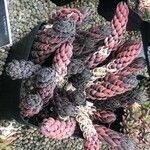
Haworthia reinwardtii
Frosted claw
Description
Source: leafsnapHaworthia reinwardtii, commonly known as the zebra plant, is a small succulent that belongs to the family Asphodelaceae. Native to South Africa, this plant is easily recognizable by its distinctive white stripes on its thick, fleshy leaves, which form a rosette shape up to 10 cm in diameter. During the summer, it produces small white flowers on long stems that can last for several weeks. The zebra plant thrives in bright but indirect sunlight and well-draining soil, requiring occasional watering during the growing season. It can be easily propagated through offsets or leaf cuttings, making it an ideal houseplant for beginners. Haworthia reinwardtii is popular among succulent enthusiasts due to its unique appearance and low maintenance needs. Its striking look makes it an excellent choice for decorative houseplants, rock gardens, or terrariums, where its distinctive stripes add texture and visual interest.
🌳 The Zebra wart is a drought-tolerant plant with pointed foliage, making it an ideal choice for succulent gardens. It grows in an attractive spiral pattern, which gives it a unique ornamental appeal. Often, Zebra wart is planted alongside other succulents of varying shapes and colors to create a visually pleasing display in gardens.
Care Guide
💧 Water Every 7 days
The Zebra wart plant thrives in arid environments, needing well-draining soil and infrequent watering, approximately every two weeks. It is drought-tolerant and prefers dry conditions. Growing it indoors can help control moisture levels, which is important for maintaining the health and vibrancy of its distinctive striped leaves.
How should I water my Zebra wart plant?
To properly water Zebra wart, timing is important. In spring, when new leaves are growing, it's time to water. Wait for the soil inside the pot to become completely dry before watering. You can use tap water or distilled water. Instead of watering from above, water at the base of the plant, ensuring the water reaches all parts of the soil. This method prevents the above-ground parts of the plant from getting damp. Keep adding water until you see a light stream of excess water draining from the pot's hole.
What do I do if I give too much or too little water to my Zebra wart plant?
Zebra wart plants are more likely to be overwatered than underwatered. Overwatering can quickly kill your plant and it's best to let the soil fully dry before watering again. Many people mistakenly water their plant incorrectly, especially when it goes into dormancy. So, let's focus on how to fix the overwatering problem. When your Zebra wart shows signs of overwatering, it's best to remove it from its current pot. Look at the roots and remove any that are rotting or affected by moisture-related disease. Some roots may just need a simple cleaning to recover. After that, repot your Zebra wart in well-draining soil to reduce the chances of overwatering in the future. Although rare, underwatering can also happen. In that case, just water your plant slightly more often, being careful not to overwater it.
How much should I water my Zebra wart?
Zebra wart is a type of succulent plant with low water needs because it comes from a hot and dry region. To care for this plant properly, you should let the soil dry out completely between waterings. It usually takes about two weeks to a month for the soil to dry completely, and then you can water it again. The frequency of watering depends on the season. In the spring and summer, when the plant is growing, you can water every 2-3 weeks. In the summer, the soil may dry out faster. However, when the temperature is below 60 degrees or above 85 degrees Fahrenheit, the plant will be dormant or semi-dormant and does not need watering. Instead, you should keep the soil dry until the temperature is right for the plant to grow again.
How much water does my Zebra wart plant need?
Zebra wart generally doesn't require a lot of water because it can tolerate dry periods. However, when it is time to water the plant, it is important to give it a sufficient amount. There is no specific guideline for the amount of water, but you should continue watering until the soil is fully moist. The best way to ensure this is by watering the plant until you see water coming out of the drainage holes at the bottom of the pot. You can also use a pencil or similar object to check the moisture level by inserting it deep into the soil. If the pencil comes out moist, then you have watered enough.
How can I know if I'm giving enough water to my Zebra wart plant?
Overwatering is a bigger problem than underwatering for Zebra wart plants. When you overwater, the leaves will quickly show signs by losing shape, becoming mushy, and changing colors. In contrast, healthy living stone leaves should be firm and maintain their shape. Underwatering is highly unlikely for Zebra wart since this species can often survive without any water. If underwatering does happen, you'll usually notice leaf discoloration and dryness.
☀️ Light Full sun
Zebra wart prefers abundant sunlight but can tolerate lower light levels as well. It comes from environments where the sun is plentiful and has adapted to those conditions. If light is too limited or overly intense, its growth can suffer, showing stunted growth or leaf scorch.
How much sun does Zebra wart need to grow?
Zebra wart needs a minimum of 6 hours of sun per day, but more is preferable. The specific minimum number of hours can vary depending on the intensity of sunlight and other environmental factors, but it is unlikely for the Zebra wart to receive too much sunlight. In fact, they can tolerate up to 14 hours of sun per day without any issues.
What kind of sunlight does Zebra wart require?
Zebra wart plants require abundant sunlight to flourish. They are classified as full-sun plants, thriving under either direct light or bright indirect sun. Although certain varieties can tolerate partial sun, they generally perform better with more exposure to sunlight.
Should I shield Zebra wart from the sun?
Zebra wart is a plant that thrives in hot and sunny environments without needing protection from the sun. However, if you are planning to move your Zebra wart to a very sunny location, it's important to proceed with caution. Plants require time to adjust to different conditions, so a gradual approach is recommended. Start by exposing the plant to a few hours of sunlight each day and then slowly increase the duration of sun exposure. Once the Zebra wart has adapted, it can typically handle being in the full sun without any need for protection.
What happens if Zebra wart doesn't get enough sunlight?
Zebra wart needs sufficient sunlight to grow well. If it doesn't get enough sunlight, it will show signs such as pale coloring, wilting leaves, and leaf drop. Zebra wart may also become leggy, with weak stems and a sparse appearance, as it tries to reach for more light.
What will happen if Zebra wart gets too much sunlight?
Zebra wart plants change color to protect themselves from too much sunlight, and people like to give them a little bit of sun during the summer. This is safe for the plants, and they will return to their normal coloring when the sun isn't as intense from autumn to spring. However, if the plants are put in direct sunlight too quickly, they can get sunburned. Sunburn on these plants looks like white or brown spots on the leaves that were exposed to the most sun. If a plant gets sunburned, it should be moved to a shadier spot and given water if necessary. Any sun-damaged leaves can be taken off, and new leaves will grow in their place over time.
🌡️ Temperature 20–37.8°C
The ideal temperature for zebra wart ranges from 68 to 100 ℉ (20 to 38 ℃). It prefers a warm, brightly lit native setting but can tolerate partial shade. In winter it may withstand temperatures down to 50 ℉ (10 ℃), though extended exposure to frost should be avoided. In summer, keep temperatures below 95 ℉ (35 ℃) and ensure sufficient ventilation.
What are the ideal temperature conditions for a Zebra Wart?
The ideal temperature range for Zebra Wart (Haworthia reinwardtii) is between 68°F (20°C) and 100°F (38°C), which reflects its preference for warm and bright environments. While it can survive in partial shade, maintaining a temperature above 20°C is crucial for its optimal growth, especially during its growing season in winter. In winter, it tolerates temperatures as low as 50°F (10°C), but it should be protected from frost and prolonged exposure to cold. During summer, it's advisable to keep the plant below 95°F (35°C) and provide adequate ventilation to prevent overheating. If outdoor temperatures drop below 0°C, bringing the plant indoors to a well-lit area is recommended, adjusting watering based on temperature variations.
How does low temperature affect Zebra Wart and what are the remedies?
Zebra Wart is sensitive to extremely cold temperatures, thriving best between 20°C and 38°C and requiring protection during winter to stay above 0°C. Exposure to temperatures below -5°C can cause the leaves to show signs of water-soaked necrosis and wilting. Although mild frost may not immediately show symptoms, affected leaves can significantly wilt and eventually fall off after a week. To address frost damage, the frostbitten areas should be trimmed off and the plant moved to a warmer indoor environment or placed in a makeshift greenhouse for protection against the cold. When indoors, positioning the plant near a south-facing window ensures it receives enough sunlight. In a makeshift greenhouse, adequate ventilation should be maintained to prevent plant decay.
How does high temperature affect Zebra Wart and what solutions can be applied?
During summer, it's crucial to keep the Zebra Wart below 38°C to prevent it from entering a dormant state and becoming prone to rot in high humidity when temperatures exceed 43°C. In case of high temperature exposure, the dry and rotten parts of the plant should be removed, and the plant should be relocated to a partially shaded area. This helps shield the plant from direct sunlight during the hottest parts of the day. Watering should be halted until the weather cools down, to further protect the plant from heat stress.
💨 Humidity dry (<40%)
This plant prefers dry conditions, so don't mist it. However, watering it less often can also thrive in higher humidity.
🪴 Soil 6-7
🌱 Fertilizer
For Zebra wart, light applications of fertilizer once or twice a year during the growing season are sufficient. Avoid fertilizing in winter and summer when the plant is dormant. Cut back on fertilizer for repotted plants and wait a couple of months after repotting before fertilizing. Fertilizing supports healthy growth and encourages blooms.
Why do I have to use fertilizer on my Zebra wart?
Adding plant food to the growing medium of Zebra wart provides essential nutrients. While it does already retain water and nutrients, fertilizing during the growing season promotes healthy growth. Moreover, it can stimulate mature specimens to produce blooms.
What is the best time to give my Zebra wart plant fertilizer?
Zebra wart, like other plants, benefits from extra nutrients but only requires a small amount of fertilizer during the growing season. To maintain optimal growth, it is recommended to fertilize the Zebra wart 1-2 times a year. Ideally, apply fertilizer in the spring and autumn, avoiding winter and summer when the plant is dormant. When repotting the plant, be cautious and decrease the amount of fertilizer used. Additionally, it's advisable to wait a couple of months after repotting before resuming fertilizer application.
When is the best time to not fertilize my Zebra wart plant?
Zebra wart, like other plants, goes through a dormancy period. This is the time to avoid using fertilizer. During the summer and winter, the plant stops growing, so it's important to refrain from applying fertilizer during these seasons. Additionally, it's advisable to avoid fertilizing for the first few months after repotting in the spring.
What kind of fertilizer does my Zebra wart plant need?
When fertilizing Zebra wart, use a liquid plant food made for succulents and cacti. Dilute it with water at half-strength to prevent fertilizer buildup in the soil. Apply the fertilizer to the base of the plant, making sure to water thoroughly. Make sure any excess moisture drains away.
How can I give my Zebra wart plant the nutrients it needs to grow?
When fertilizing Zebra wart, it's easier to use liquid plant food, but you can also use granules. Follow the instructions on the packaging and dilute liquid fertilizers to half-strength. Whether you choose granules or liquid plant food, apply it to the soil. Cover the granules with a thin layer of soil and water, regardless of the type of plant food used.
🪴 Pot & Repot Every 2 years
When repotting Zebra wart, choose a pot just slightly larger than the current one that has good drainage. Use a gritty, well-draining cactus or succulent mix. Gently remove the plant from its old pot, brush off excess soil, and put it back in at the same depth. Wait several days before watering so any root injury can heal. Repot in spring or fall and place the plant in a brightly lit location.
✂️ Pruning
Haworthia reinwardtii is low-maintenance. You do not need to spend hours trimming the plant. However, to provide the optimal environment for your plant to develop, remove dead leaves and stems on a regular basis.
🌿 Propagating
🐛 Diseases & pets
☠️ Toxicity
Characteristics
- Plant Type
- Succulent, Herb
- Life Cycle
- Perennial
- Genus
- Haworthia
- Family
- Xanthorrhoeaceae
- Hardiness Zone
- 9-11
- Mature Height
- 13 cm to 20 cm
- Mature Spread
- 5 cm to 10 cm
- Leaf Color
- Green
- Leaf Type
- Evergreen
- Flower Color
- White
- Flower Size
- 0.51 cm to 1.02 cm
- Bloom Time
- Spring, Winter
- Planting Time
- Spring, Summer, Autumn
- Harvest Time
- Spring, Early summer
- Native Area
- Southern Africa