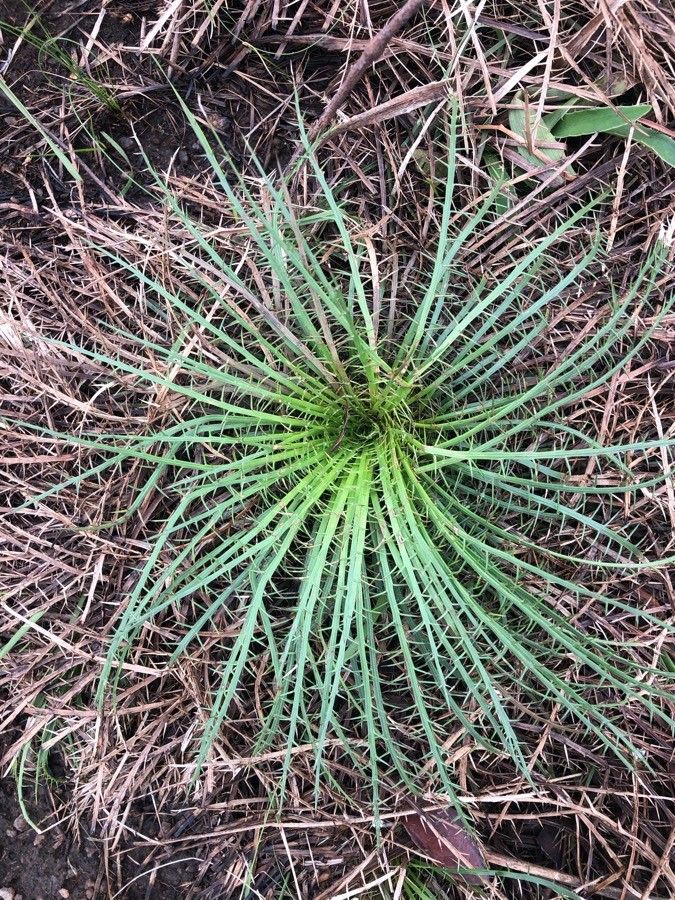
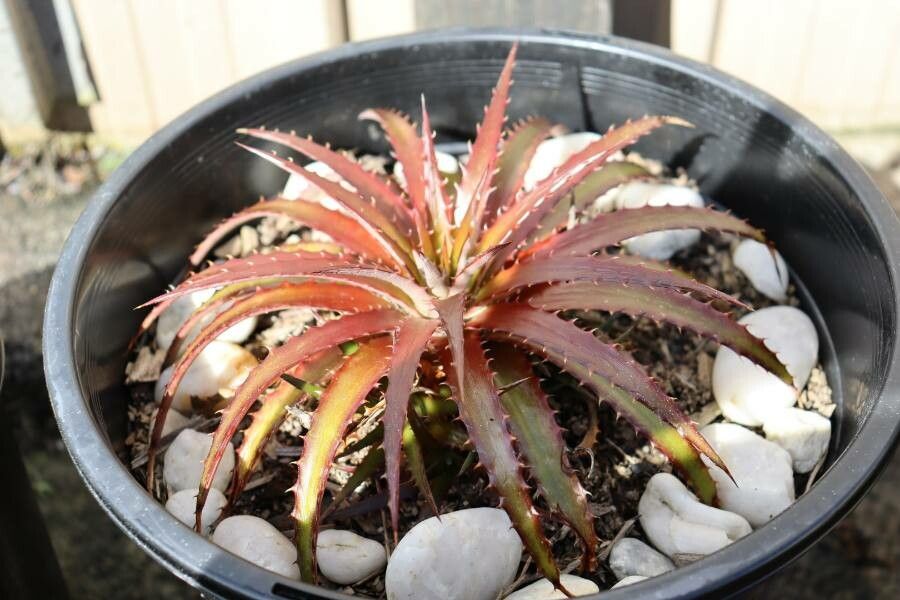
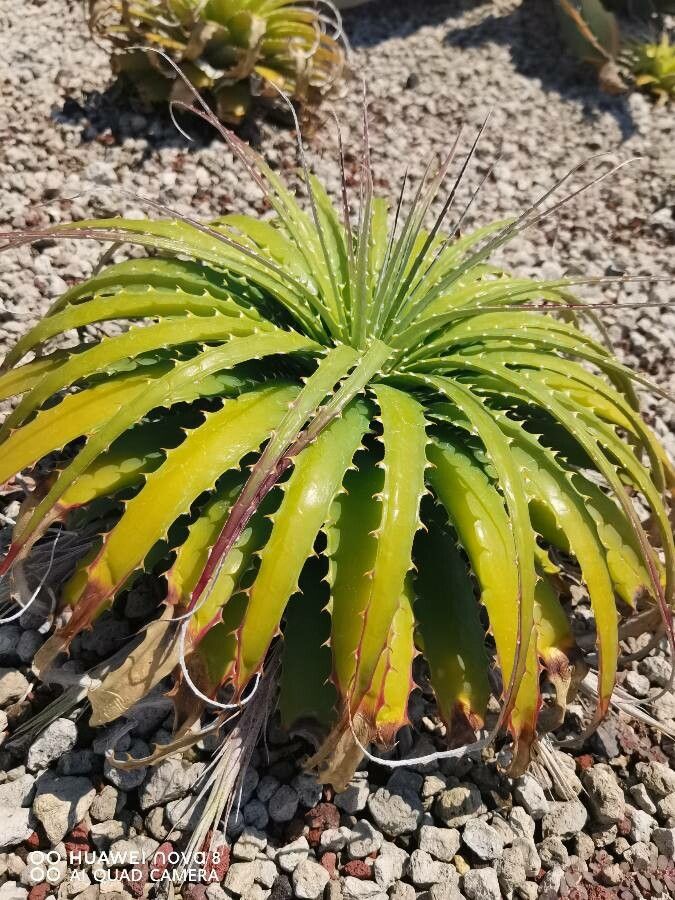
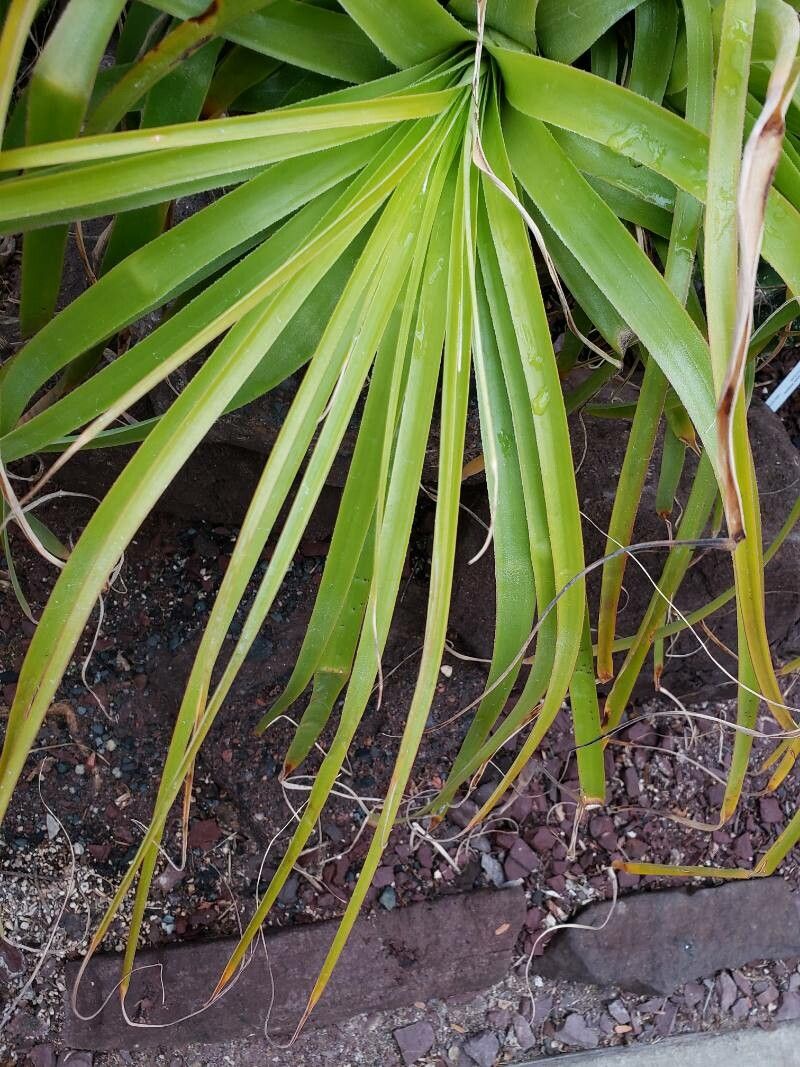
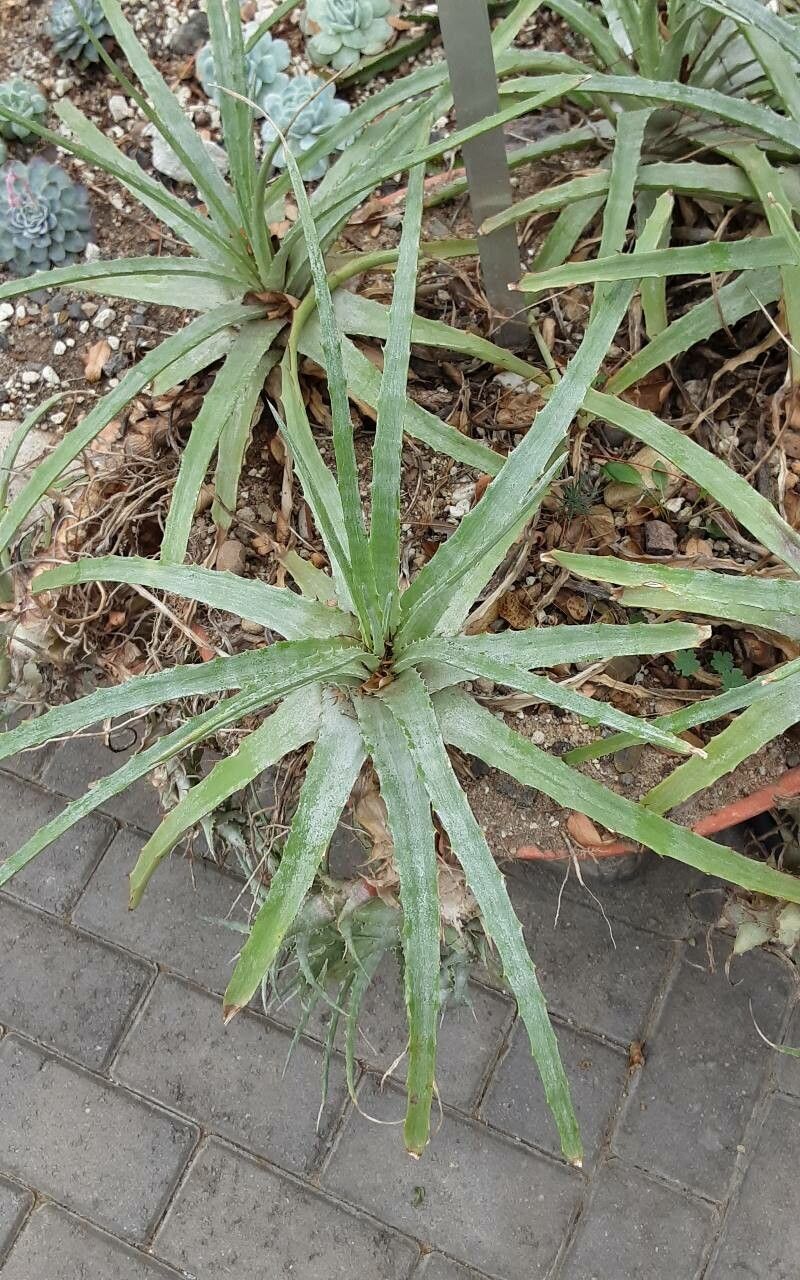
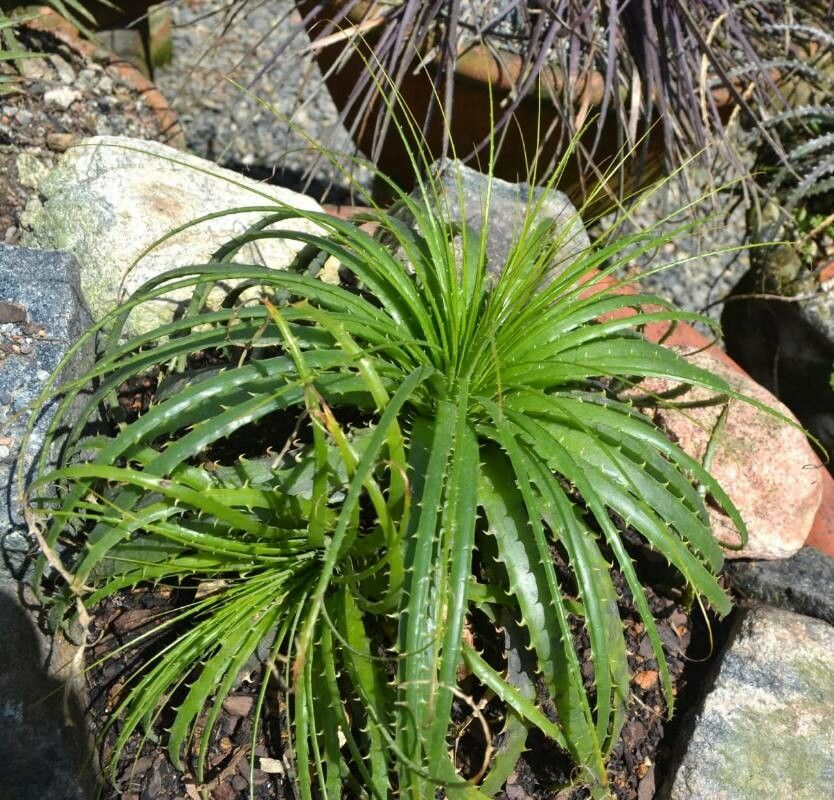
Hechtia glomerata is a species of bromeliad native to Mexico, belonging to the family Bromeliaceae. Commonly known as the Mexican bromeliad, this plant features a rosette of stiff, spiky leaves that are green in color and can grow up to 60 cm in length. The leaves are densely clustered, giving the plant its distinctive appearance.
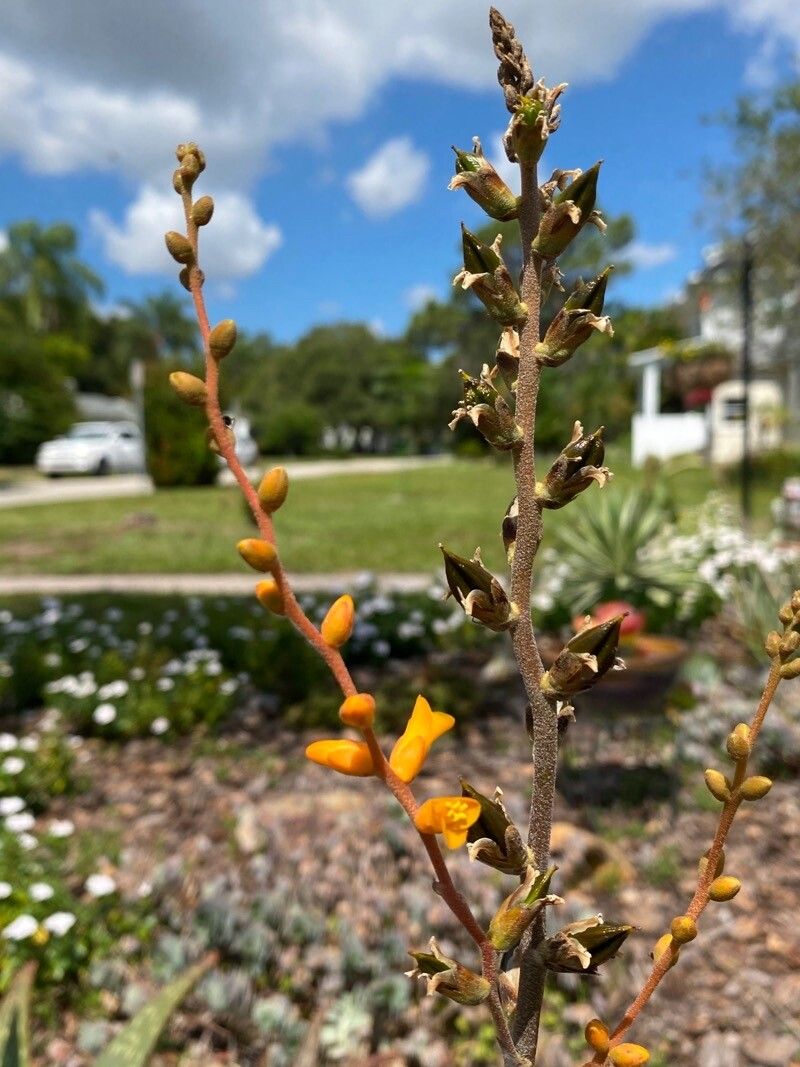
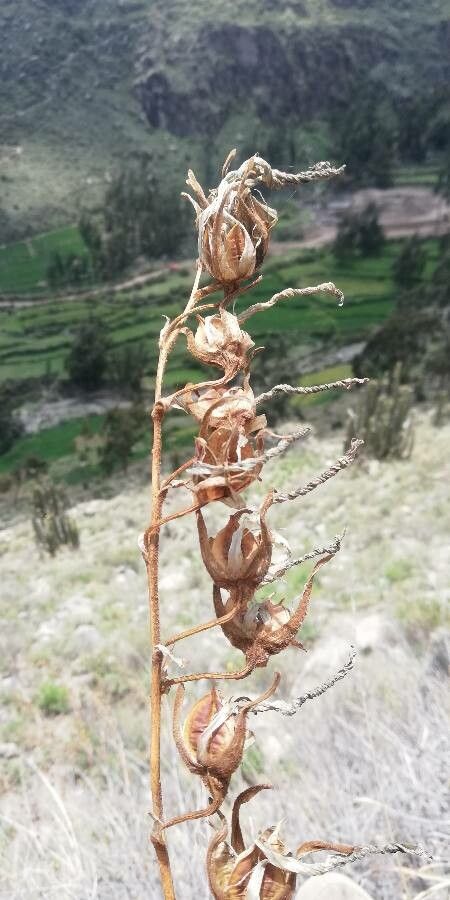
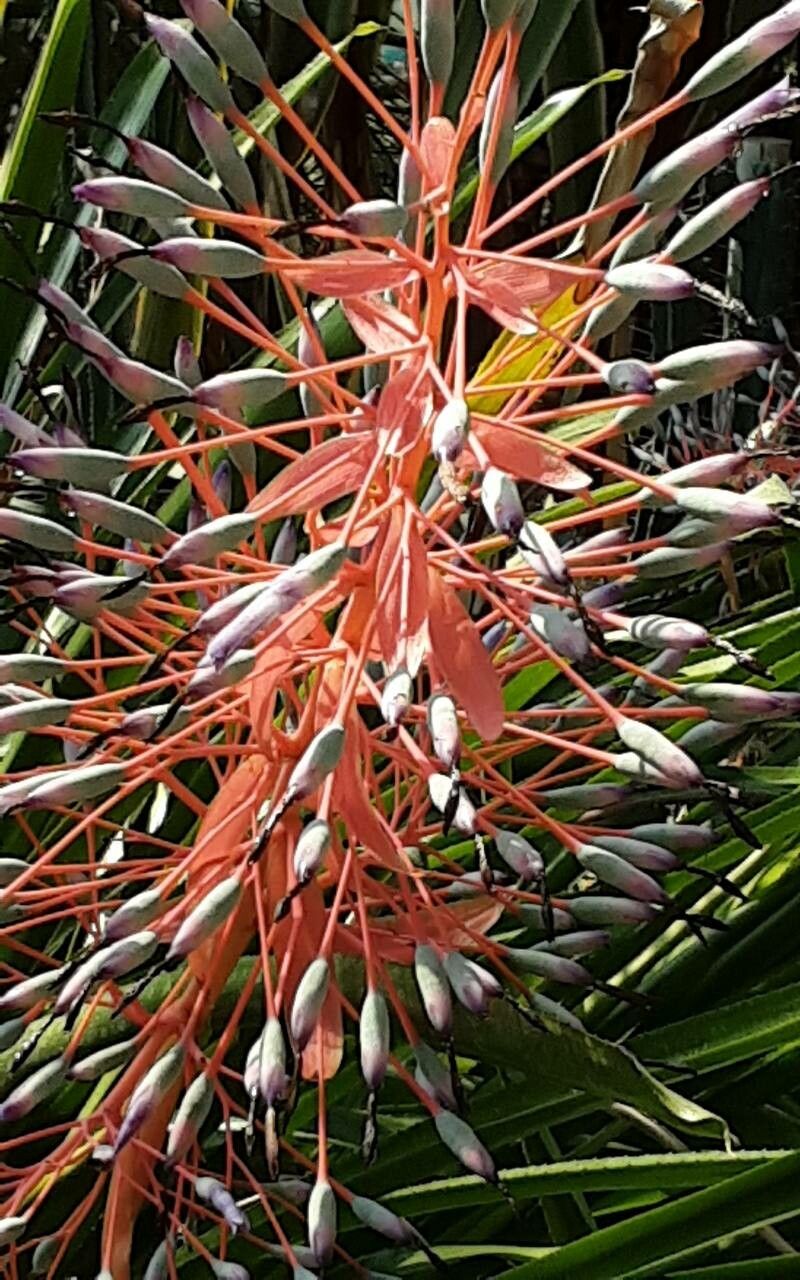
During the summer, Hechtia glomerata produces small, greenish-yellow flowers on tall stalks above the foliage. These blooms attract a variety of pollinators, including bees, butterflies, and hummingbirds.
This plant thrives in well-draining soil with moderate moisture levels but can tolerate periods of drought once it is established. It grows best under partial shade or filtered sunlight, though it can also withstand full sun exposure.
Hechtia glomerata is an excellent choice for xeriscaping or low-maintenance landscaping due to its drought tolerance and hardiness. Its unique appearance makes it an attractive addition to rock gardens or container gardens.
Overall, Hechtia glomerata is a fascinating plant with striking foliage that adds texture and interest to any garden setting while requiring minimal care once established.
Guapilla has moderate disease resistance and is more sensitive to humidity and overwatering. It is also more prone to illness when it receives little light and is overwatered. Regarding care, Guapilla tolerates drought and can go for long stretches without watering. It requires little fertilizer and only occasional pruning. This makes it appropriate for people at any skill level, especially those who want to spend less time on plant care and who may sometimes be away from home for long periods. It is a suitable choice for anyone who does not want to dedicate a lot of time to upkeep but still wants an easy-to-maintain plant.
How to keep Hechtia Glomerata.
Light
Guapilla naturally favors full-sun conditions for optimal growth, reflecting the plant's native habitat preference. Too little light can stunt development, while too much exposure can cause leaf scorch. No notable changes in its sunlight requirements across different growth stages have been reported.
Water
Guapilla is a hardy plant that thrives in arid regions, showcasing remarkable drought tolerance. It needs to be watered only every 2 to 3 weeks and grows best in well-draining soil. Primarily an outdoor plant, guapilla is both resilient and well-suited to the dry conditions of its natural habitat.
Temperature
Guapilla prefers warm conditions. If temperatures fall too low, the plant may stop growing or incur frost damage. It withstands high heat and humidity well and needs a steady level of moisture in its environment. However, excessively high temperatures and humidity can make it vulnerable to fungal infections. In dry settings, regular watering and misting are needed to keep the air humidity adequate. The plant is sensitive to sudden temperature swings, so maintaining a fairly stable temperature is important.
Fertilizer
Guapilla requires only light fertilizer applied 1-2 times a year during the growing season. Do not fertilize in winter or summer when the plant is dormant. Use less fertilizer for repotted plants and wait a couple of months after repotting before fertilizing. Fertilizing helps maintain healthy growth and promotes blooms.
Pruning
Guapilla is a spiky, drought-tolerant plant characterized by a rosette of sharp leaves and clustered flowers. The best time for pruning is early spring, as this helps remove dead foliage and improve airflow. It's important to use sanitized tools during pruning to prevent infection. This process helps maintain the plant's shape and health, as well as encourages new growth.
Botanical profile.
- Plant Type
- Herb
- Life Cycle
- Perennial
- Genus
- Hechtia
- Family
- Bromeliaceae
- Hardiness Zone
- 9-11
- Mature Height
- 30 cm to 40 cm
- Mature Spread
- 49 cm to 91 cm
- Leaf Color
- Light Green, Gray
- Leaf Type
- Semi-evergreen
- Flower Color
- White
- Flower Size
- 0.51 cm to 1.02 cm
- Bloom Time
- Late spring, Early summer
- Planting Time
- Spring, Summer, Autumn
- Harvest Time
- Mid summer, Late summer
- Native Area
- Mexico, Guatemala
Other names.
Reader questions.
What's the best way to water Guapilla plants?
To produce a healthy Guapilla, there are two main methods. Firstly, placing a saucer under the potted plant helps avoid excessive water accumulation around the roots and provides a consistent level of humidity. This method also allows for water evaporation. The second method is called soak and dry. This approach helps the Guapilla develop a strong root system that can seek out moisture during dry periods. It mimics the plant's natural habitat of rocky cliffs and crevices, where they experience heavy rainfall and flash floods followed by extended periods of drought. By following this natural pattern, you can greatly assist the plant in thriving.
What kind of sunlight does Guapilla need?
Epiphytic Bromeliads, which are jungle plants, can be found in various locations within the rainforest. Some are situated closer to the forest floor where they receive only dappled sunlight seeping through tall canopies. Others grow higher up on trees as epiphytes and are directly exposed to sunlight. Therefore, it is important to know the type of plant you have. In general, epiphytic bromeliads that naturally receive more sun have thicker and stiffer leaves, while those that grow in the shade have tender and thinner leaves. However, always check the specific needs of each species. For Guapilla, it is safest to provide bright but mostly indirect light, such as from an east-facing window. Additionally, extended exposure to direct sunlight should be avoided as it may cause sunburn, not only for Guapilla but for all members of the family.
What temperature does my Guapilla thrive in?
Guapilla thrives in warmer temperatures that resemble tropical and subtropical regions. As an epiphytic plant, it obtains most of its water from air humidity rather than groundwater, making higher temperatures beneficial. To achieve the preferred humidity, temperatures over 75℉(25℃) are ideal. Warmer temperatures make it easier to maintain humidity as water vaporizes into the air. However, it's important to keep these plants away from cool drafts when using air conditioning in the warmer months. Ideally, temperatures between 75~90℉(25~32℃) are perfect, but temperatures as low as 50℉(15℃) are also acceptable.
What should I do if I give my Guapilla too much or too little water?
Overwatering the Guapilla plant can harm it by causing root rot. This can happen if the soil remains wet or if the potting mix becomes waterlogged. Signs of overwatering include yellowing leaves that feel mushy and soft. When the leaves start to droop, wilt, and turn yellow, it's a clear indication of overwatering. Lack of adequate air circulation can cause the roots or the entire plant to die. To avoid this, water the plants only when the soil is dry. On the other hand, underwatering can hinder plant growth. The plants may appear wilted but can recover quickly after receiving enough water. To ensure optimal growth, allow the plant to dry out between watering. Symptoms of underwatering include wilting, dead leaf tips, and slow growth. Sagging is a common sign of underwatering, indicating that the plant cells lose rigidity. Brown leaf tips can also develop, potentially leading to the entire leaf dying. Additionally, new leaves may grow slowly and appear smaller with a less vibrant green color compared to existing leaves.
What will happen if Guapilla doesn't get enough sunlight?
The consequences of inadequate lighting for Guapilla can result in two different ways. First, if Guapilla gets excessive direct sunlight but belongs to species that prefer shade, the leaves may initially appear faded and paler than normal. Eventually, leaf scorching is likely to occur. On the other hand, if Guapilla doesn't receive enough sunlight, the foliage will lose its color and become darker. This is especially true for variegated plants, which may lose their additional colors and become uniformly green. Additionally, in general, Guapilla plants that don't receive sufficient sunlight according to their species' requirements will have poor growth.
What happens to my Guapilla when the temperatures are too hot or too cold?
Guapilla plants can bloom and reproduce without needing a dormancy period or cold temperatures. It is best to maintain ideal temperatures year-round to ensure their health. However, temperatures below 50℉(15℃) or above 95℉(35℃) can cause some damage to the plant. The extent of the damage depends on factors such as the duration of exposure, the plant's genetic makeup, and its growth stage. When exposed to cold temperatures below 50℉(15℃), Guapilla leaves can suffer from frostbite, leading to black spots or completely blackened leaves. This damage may take a few days to become visible, starting with droopy leaves and gradual discoloration. While saving the Guapilla from such damage is difficult, there is a chance that it may regrow over several months. On the other hand, if the Guapilla is exposed to high temperatures, it will simply wilt. If the leaves dry out too much, they may not recover. However, if the exposure to heat was brief, it may not have a lasting effect. Overall, Guapilla plants can tolerate heat much better than cold temperatures.
How frequently do I need to water my Guapilla plant?
The Guapilla plant does not need to be watered as often as succulents. They are xerographic and can survive for weeks without water by going dormant. Unlike succulents, they do not store water in their leaves. To keep them happy, be sure to balance the moisture they receive. Only water when you see that the container is dry but slightly moist. In the fall, watering is not necessary if your area is getting enough rain. The soil will not dry out too quickly, so stop watering when the temperature drops below 40 ℉. In winter, the plants go dormant and do not need to be watered. Let them rest and recover for a few weeks. During their growing season in the spring, water them deeply and thoroughly once every two weeks to encourage new leaf growth. In the summer, water once a week when the weather becomes hot and dry. While these plants are drought tolerant, it is not ideal for their growth to go without water for a few weeks.
Does Guapilla need specific amounts of sunlight at different stages of growth?
In the original homes of Guapilla, the tropical conditions remain consistent throughout the plant's life, with no need for changes in light levels between seasons. However, if the plant is exposed to more light, it may stimulate blooming, which is something many people desire. However, it's important to note that light levels alone are not enough; all other conditions, like temperature and humidity, must also be suitable for blooming to occur.
How can I make sure my Guapilla stays warm?
To keep the Guapilla warm, you don't necessarily need a heating pad or nearby heater, but if you have one, it can help. One way to maintain the ideal temperature is by planting the Guapilla in a terrarium. This enclosed space creates a micro-environment with higher humidity and temperature than outside the glass. The glass also holds heat for some time. If you live in a warm but dry region, you can place the Guapilla near a warm window or an exterior wall that gets full sun exposure during the day. Just be careful not to provide too much sunlight by placing the plant too close to a bright window. You can use sheer curtains to address this issue. On the other hand, if you live in a tropical or subtropical climate where temperatures stay between 55-90℉(13-32℃) day and night, you can grow the Guapilla outside all year-round. If the temperature drops below this range, simply bring the plants indoors for the night or cover them with a thin cloth to protect them from the cold.
How much water does my Guapilla require?
Guapilla plants require a moisture level between 5% and 24% to thrive. To ensure proper watering, observe the soil in the ground or pot and water adequately if it appears too dry. Keep watering until you see water dripping from the bottom of the pot. Avoid watering the soil again until it has become very dry. It is important not to leave the plants sitting in damp soil as they prefer to have their roots dry. Therefore, provide water when needed. When planting Guapilla in the garden during hot weather, water them at least once a week. Keep in mind that they may receive some moisture from nearby trees or enough rainwater, in which case only water them weekly if the soil is very dry.
Are there any warnings or advice for being in the sun and using Guapilla?
If you recently purchased your Guapilla from a regular store, it's likely they have been kept in low light conditions for a while. Even if your Guapilla belongs to the sun-loving subtype, you should introduce it slowly to brighter, natural sunlight. This process is called hardening. Begin by placing your plant in indirect window light and gradually move it closer to the light source each day. After a few days, your plant can be exposed to direct morning light for a short time.
Tips for growing Guapilla indoors.
Temperature fluctuations can sometimes happen unexpectedly. One common way this can occur is through windows. If you place your Guapilla plant near a window, you should consider how outside temperatures can impact the temperature of the window and ultimately affect your plant. Another source of temperature fluctuations within a household is air conditioning and heaters. We often don't realize it, but direct drafts from air conditioners can significantly lower the temperature of the Guapilla, potentially going below its preferred range. On the other hand, heaters can quickly dry out the plant, causing the leaves to harden and wilt over time.