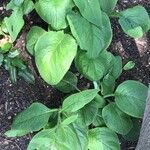
Hedeoma pulegioides
American false pennyroyal · American pennyroyal · Pudding-grass · Squaw mint
Description
Source: leafsnapHedeoma pulegioides, the American pennyroyal or American false pennyroyal, is a species of Hedeoma native to eastern North America, from Nova Scotia and southern Ontario west to Minnesota and South Dakota, and south to northern Georgia and Arkansas.It is a low-growing, strongly aromatic herbaceous annual plant from 15 to 30 cm tall, with a slender erect much-branched, somewhat hairy and square stem. The leaves are small, thin, and rather narrow, with a strong mintlike odor and pungent taste. The flowers are pale blue, monoecious, produced in small clusters; it flowers from mid to late summer.Other names are mock pennyroyal, squaw mint, tickweed, stinking balm, mosquito plant, American falsepennyroyal, and American false pennyroyal.The term "pennyroyal" (or pennyrile, from a dialectal pronunciation) is also used to describe a geographic province of western Kentucky, the Pennyroyal Plateau, where H. pulegioides grew in profusion sufficient to lend its name to the whole area.
Care Guide
💧 Water
Squaw mint requires consistent moisture to thrive and is sensitive to drought. To maintain its water balance, it should be watered weekly. It also benefits from natural rainfall, which supports its growth cycles and the production of essential oils.
☀️ Light Full sun
Squaw mint comes from sunny, open habitats and does best in full sun. It can tolerate some partial shade but prefers direct sunlight for optimal development. This plant, which grows as an annual or biennial, is recognized for its sun-loving habit.
What are the sunlight requirements for Squaw mint?
Squaw mint (Hedeoma pulegioides) thrives in environments with full sun, which means it requires above 6 hours of sunlight daily to flourish. It can also tolerate partial sun, receiving about 3-6 hours of sunlight. It's crucial to observe how sunlight moves through your garden to ensure you pick a location that provides an ideal balance of light and shade for the health and happiness of your plants.
How does artificial lighting support Squaw mint's growth?
When natural sunlight is insufficient for Squaw mint, especially indoors or during less sunny seasons, artificial lighting can be a vital supplement. For optimal growth, it's recommended to use LED lights, which can be customized to provide specific wavelengths needed by the plant. Full sun plants require 30-50W/sq ft, partial sun plants need 20-30W/sq ft, and full shade plants call for 10-20W/sq ft of artificial light. The light source should be placed 12-36 inches above the plant to mimic natural sunlight, and plants generally require 8-12 hours of light per day.
What symptoms indicate Squaw mint is receiving inadequate light?
When Squaw mint does not get enough light, it may show several symptoms including smaller new leaves, leggy or sparse growth, faster leaf drop, slower or no new growth, and lighter-colored new leaves. Other symptoms like chlorosis (yellowing leaves due to chlorophyll breakdown), sunscald, leaf curling, wilting, and leaf scorching can occur due to extremities like excessive sunlight or insufficient light, indicating the plant's struggle with the current light conditions.
What solutions can alleviate insufficient sunlight for Squaw mint?
To address insufficient sunlight, gradually increase the plant's exposure to direct sunlight. Indoors, move the plant closer to a south-facing window, keeping curtains open during the day, or use artificial lighting for at least 8 hours daily. For outdoor plants, move them gradually each week to a sunnier location, being mindful to avoid sudden changes that can cause sunburn. If sunlight is blocked by trees or other obstacles, consider pruning or relocating smaller plants to a sunnier spot. Remember, while new growth will be healthy post-adjustment, parts of the plant that suffered may not recover fully.
🌡️ Temperature 5–35°C
Squaw mint is adapted to temperate regions and therefore generally favors temperatures between 68 and 95°F (20 to 35°C). It can tolerate small fluctuations, but abrupt temperature changes can hinder its growth. Regions that experience severe winters may need to provide extra protection.
What is Squaw Mint's preferred temperature range for growth?
Squaw mint, also known as Hedeoma pulegioides, thrives best in temperate climates with its optimal growth temperature range being between 68 to 95°F (20 to 35°C). The plant is tolerant of minor temperature variations, but sudden shifts in temperature can negatively affect its growth. In regions that experience severe winters, squaw mint shows strong cold resistance, meaning special frost protection measures are generally not needed. However, if winter temperatures are expected to fall below -25°C, it's important to take steps to protect the plant by covering it with soil or straw. Additionally, watering the plant abundantly before the first freeze in autumn to keep the soil moist can help prevent drought and water scarcity during the winter and early spring.
How does low temperature affect Squaw Mint and what solutions are recommended?
Squaw mint is notably cold-tolerant, ideally requiring temperatures to remain above 0°C during winter and above 20°C for optimal growth. However, if temperatures fall below -25°C, there may not be noticeable changes immediately but a decrease in sprouting or even no sprouting might occur in the following spring. In such cases, it's recommended to inspect the plant in spring and remove any parts that have failed to sprout. This maintenance helps encourage healthy new growth and ensures the vitality of the squaw mint.
What effect does high temperature have on Squaw Mint and how can these issues be mitigated?
During the summer months, Squaw mint should ideally be kept under 35°C. When temperatures soar above 38°C, the plant's leaves can become lighter, exhibit signs of curling, and become susceptible to sunburn; in severe cases, the entire plant may wilt and dry out. To mitigate these issues, it's advisable to trim away any sunburned or dried-up parts of the plant. Additionally, moving the plant to a shaded area during the peak sun hours of the midday and afternoon, or deploying a shade cloth, can help protect it from excessive sun exposure. Ensuring the soil remains moist through watering in the mornings and evenings is also crucial to help the plant cope with high temperatures.
💨 Humidity
🪴 Soil 5-7
🌱 Fertilizer
Squaw mint benefits from regular, light applications of fertilizer to encourage healthy leaf development. Fertilize Squaw mint roughly once a month during the summer. Nitrogen is essential for foliage, and adding nitrogen-rich sources helps Squaw mint thrive.
🪴 Pot & Repot
✂️ Pruning
Squaw mint has aromatic leaves and delicate flowers. To encourage healthy growth, prune it from early to late spring. Focus on removing dead stems and shaping new growth. Regular pruning helps prevent legginess, improves air circulation, and reduces the risk of disease, resulting in a vigorous and well-shaped plant.
🌿 Propagating
🐛 Diseases & pets
☠️ Toxicity
Characteristics
- Plant Type
- Herb
- Life Cycle
- Annual
- Genus
- Hedeoma
- Family
- Lamiaceae
- Hardiness Zone
- 5-9
- Mature Height
- 30 cm
- Mature Spread
- 20 cm
- Leaf Color
- Green
- Leaf Type
- Deciduous
- Flower Color
- Purple
- Flower Size
- 0.25 cm to 0.76 cm
- Bloom Time
- Summer
- Planting Time
- Spring
- Harvest Time
- Late summer, Early fall, Mid fall