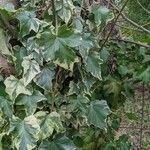
Hedera algeriensis
Algerian ivy
Description
Source: leafsnapHedera algeriensis, commonly known as Algerian ivy, is an evergreen climbing vine belonging to the Araliaceae family. Native to the Mediterranean region and North Africa, it has been introduced and naturalized in many parts of the world. This plant features large, glossy, dark green leaves with a leathery texture. The leaves are alternate, simple, and typically have three to five lobes with prominent veins. Algerian ivy is often used as an ornamental plant for its attractive foliage. It can be trained to climb walls or trellises or utilized as ground cover. When left unpruned, it can grow up to 30 meters in length, though regular pruning keeps it manageable. This plant thrives in moist soil with good drainage but can tolerate a wide range of soil types, including sandy and clay soils. It prefers partial or full shade but can endure some sun exposure. Algerian ivy is also known for its medicinal properties. Its leaves contain anti-inflammatory compounds that can help treat respiratory conditions such as asthma by reducing airway inflammation, making breathing easier for those affected. Overall, Hedera algeriensis is a visually appealing evergreen vine that enhances any space it occupies, both indoors and outdoors, while providing medicinal benefits.
💡 Algerian ivy is a popular houseplant that can also be used as groundcover in gardens. However, it's important to note that the plant is toxic to pets and may cause skin irritation in humans if touched. Additionally, ingesting Algerian ivy can lead to serious discomfort.
🌳 Surprisingly, algerian ivy isn't just an ornamental plant but also contributes to urban landscaping because of its vigorous growth and adaptability, making it suitable for greening buildings and covering unsightly walls. Its dense foliage plays a significant role in urban green spaces. Intriguingly, algerian ivy has also been noted for indoor air-purifying effects, helping to absorb volatile organic compounds and foster a healthier living environment.
🎭 Nuptials, Wedlock
Care Guide
💧 Water Every 7 days
Algerian ivy thrives in Mediterranean climates, where it enjoys a balance of sunlight and occasional rain, with moderate moisture levels. To keep it healthy, it's important to water it weekly and regularly mist it to maintain humidity. This evergreen plant is often grown indoors for its attractive foliage and benefits from being drought-tolerant.
☀️ Light Full sun
Algerian ivy prefers a substantial amount of daily sunlight, which supports its graceful growth. Its natural habitat receives plenty of sun, yet it can tolerate less bright conditions as well. Excessive sunlight can cause leaf burn, while insufficient light may limit its growth.
What are the sunlight requirements for Algerian ivy?
Algerian ivy thrives best under full sun conditions, requiring over 6 hours of sunlight daily to maintain optimal growth. However, it can also adapt to partial sun scenarios, where it receives around 3-6 hours of sunlight. It's important to observe how sunlight travels through your garden to find the ideal balance of light and shade for your plants. Ensuring that Algerian ivy receives sufficient sunlight is crucial, as both oversaturation and inadequate exposure can negatively impact its health.
How essential is sunlight for Algerian ivy's growth?
Sunlight is immensely important for the health and vigor of Algerian ivy, enabling it to progress gracefully. Originating from an environment abundant in sunlight, this plant can withstand a bit less light but prefers generous sunlight exposure for flourishing. Too much light can cause leaf burn, while too little stunts growth. For indoor plants, artificial lighting, such as LED lights, can supplement natural light, especially in less sunny spaces or during winter. The right amount of artificial light varies based on the specific needs of the plant, considering factors like the type of light, its distance from the plant, and the duration of exposure.
What symptoms indicate Algerian ivy is getting insufficient light?
When Algerian ivy does not receive adequate sunlight, it may exhibit several symptoms indicative of light deficiency. These include the growth of smaller new leaves compared to older ones, a leggy or sparse growth pattern due to elongated spaces between leaves or stems, accelerated leaf drop as the plant conserves resources, slower or completely halted growth as the plant enters survival mode, the development of lighter-colored or irregular new leaves, and chlorosis leading to yellowing leaves from excessive light or lack thereof. Additionally, symptoms like sunscald, leaf curling, wilting, and leaf scorching can occur due to either insufficient or excessive sunlight exposure.
What are some effective solutions for managing sunlight exposure for Algerian ivy?
Effectively managing sunlight exposure for Algerian ivy involves several strategies, both for indoor and outdoor plants. Indoors, gradually moving the plant to sunnier spots until it receives at least 6 hours of direct sunlight, maintaining open curtains during the day for maximum sun exposure, or using artificial light sources for additional illumination are essential steps. Outdoors, it's crucial to gradually acclimate plants to sunnier locations to prevent sunburn. Reducing obstructions like branches that block sunlight, or transplanting smaller plants during their dormant period to sunnier locations, can significantly improve light access. Keep in mind that parts of the plant previously affected by insufficient light may not recover fully, but new growth should be healthy with improved light conditions.
🌡️ Temperature 10–37.8°C
Algerian ivy is native to North Africa, so it can flourish in temperatures between 50 and 100°F (10 to 38°C). It favors milder climates and can adapt by going dormant during colder months. To replicate its natural habitat, provide warmth in winter and cooler conditions in summer.
What is the indigenous region of Algerian ivy, and what temperature ranges can it thrive in?
Algerian ivy, botanically known as Hedera algeriensis, is indigenous to North Africa. It can thrive in temperature ranges from 50 to 100°F (10 to 38°C). This ivy prefers milder climates and is capable of becoming dormant in colder seasons. It has strong cold resistance and usually does not require special frost protection measures during winter. However, if winter temperatures are expected to drop below -25°C, it is important to provide cold protection by wrapping the trunk and branches with non-woven fabric or cloth.
How should Algerian ivy be cared for in Winter?
For Algerian ivy, it's important to ensure it receives warmth in winter and cool conditions during summer to mimic its natural habitat. If winter temperatures drop below -25°C, protective measures should be taken by wrapping its trunk and branches. Additionally, before the first freeze in autumn, the plant should be watered abundantly to keep the soil moist and prevent drought and water scarcity during the winter and early spring.
What are some important symptoms to look out for in Algerian ivy due to temperature changes, and how can these issues be addressed?
In terms of temperature, Algerian ivy shows resilience but requires attention under extreme conditions. If temperatures fall below -25°C, branches may become brittle and dry by spring with no new shoots emerging. In such cases, it's advisable to prune away any dead branches. During summers, if temperatures exceed 43°C, leaves might lighten in color, tips can become dry and withered, and the plant may suffer sunburn. To combat this, sunburned and dried parts should be trimmed away, the plant should be moved to a shaded location or covered with a shade cloth, and the soil should be kept moist with watering in the morning and evening.
💨 Humidity normal (40-60%)
This plant will thrive in moderate humidity, which is probably the level in your home. However, misting it a few times a week can be very beneficial. Make sure the room has good ventilation.
🪴 Soil 6-7
🌱 Fertilizer
To encourage healthy growth, apply fertilizer to your Algerian ivy in early spring. Regular feeding improves overall health, leading to vigorous growth, greater resilience to harsh conditions, and enhanced resistance to diseases and pests. Keep a consistent fertilization schedule for your Algerian ivy to maintain vibrant, deeply colored foliage and a lush appearance.
🪴 Pot & Repot 2-3 years
Algerian ivy needs repotting every 2-3 years, preferably in the spring when it begins to grow actively. Choose a slightly larger pot and fill it with high-quality potting mix. After repotting, place the ivy in indirect light and maintain consistent moisture for the best recovery and growth.
✂️ Pruning
Algerian ivy benefits greatly from regular pruning, which is best done in early spring. Pruning helps control the plant's size, encourages denser foliage, and improves air circulation, thus reducing the risk of disease. Be sure to use clean, sharp tools for precise cuts, and consult horticultural guides for detailed techniques.
🌿 Propagating
🐛 Diseases & pets
☠️ Toxicity
Characteristics
- Plant Type
- Vine
- Life Cycle
- Perennial
- Genus
- Hedera
- Family
- Araliaceae
- Hardiness Zone
- 6-11
- Mature Height
- 6.1 m
- Mature Spread
- 91 cm
- Leaf Color
- Green, Yellow, White, Variegated, Purple
- Leaf Type
- Evergreen
- Flower Color
- Yellow, Green
- Flower Size
- 2.54 cm
- Bloom Time
- Mid summer, Late summer, Early fall
- Planting Time
- Spring, Autumn
- Harvest Time
- Early spring, Mid spring, Fall, Winter
- Native Area
- Tunisia, Algeria