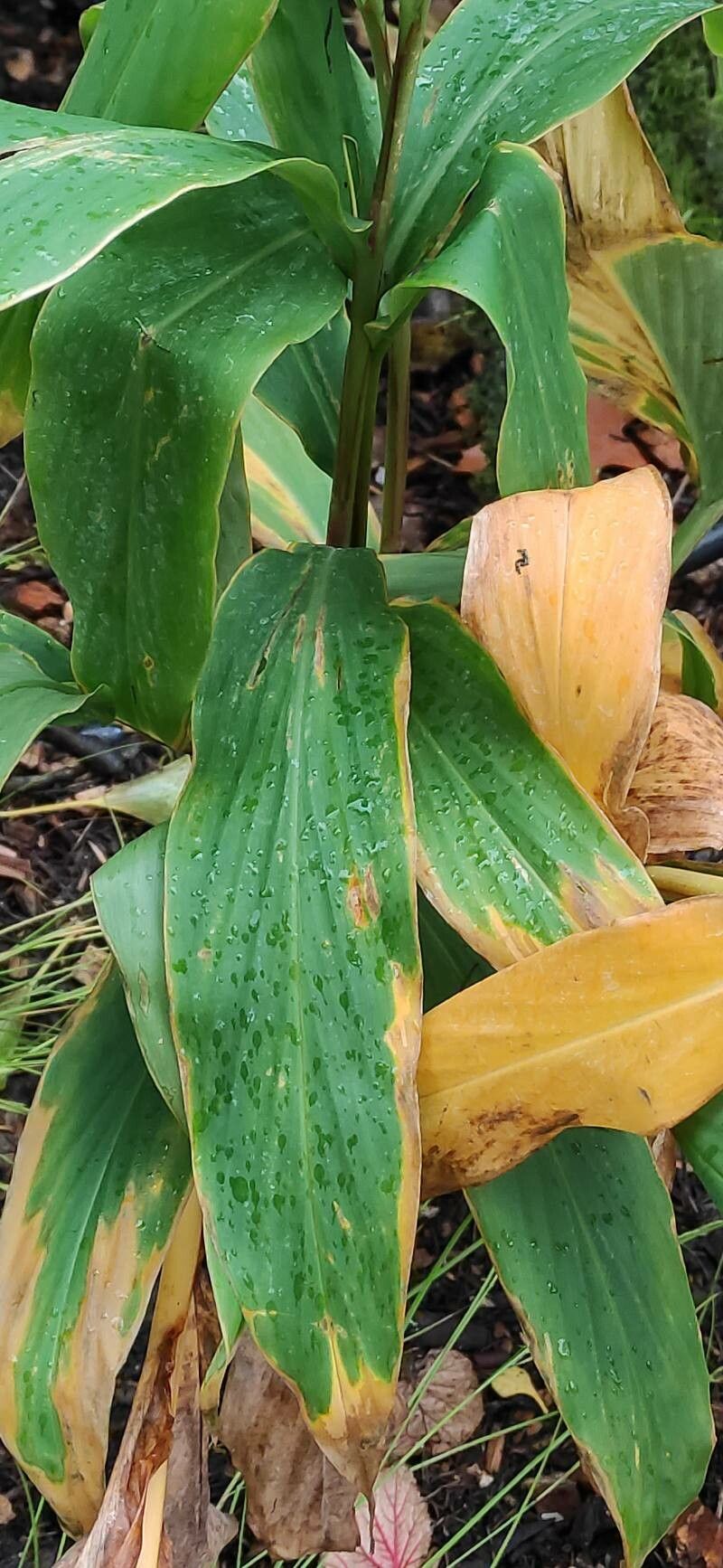
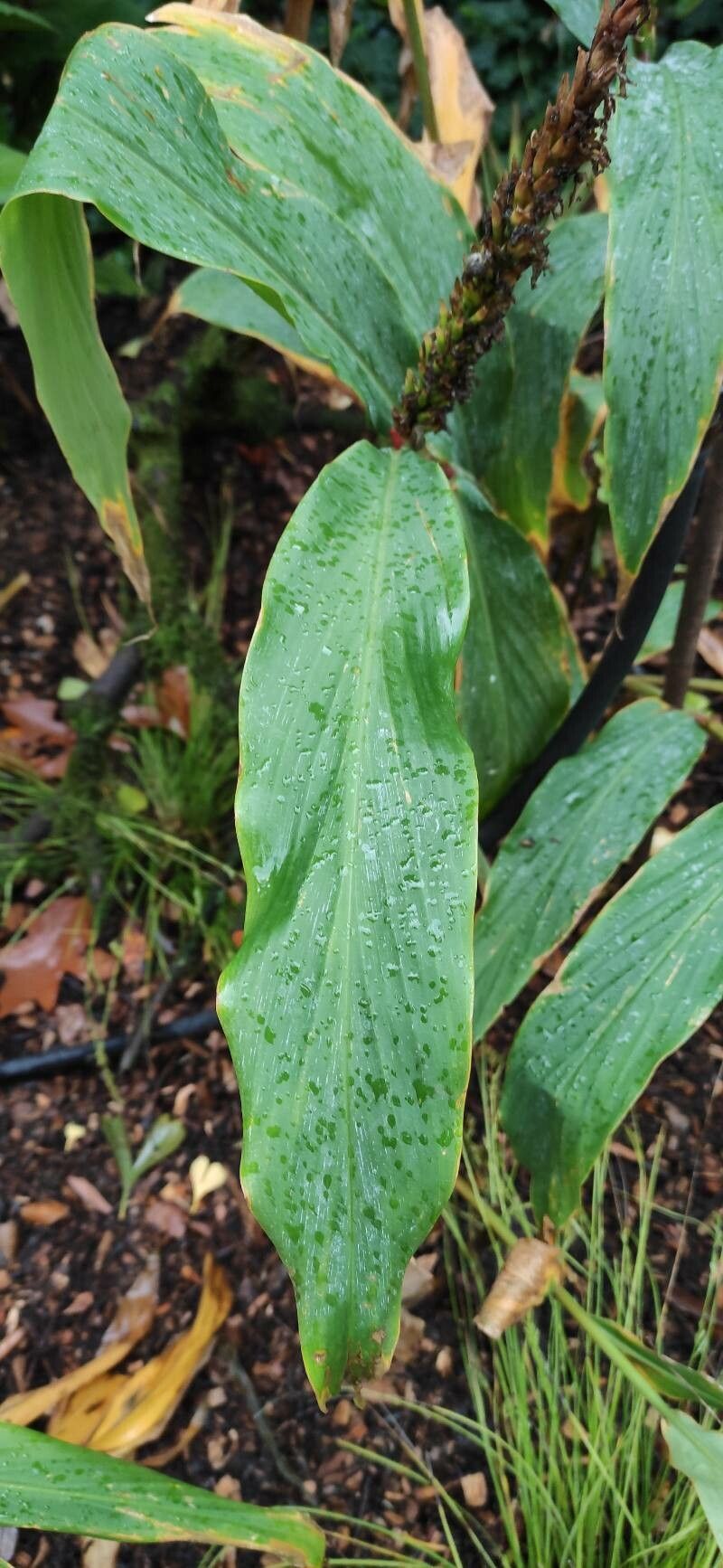
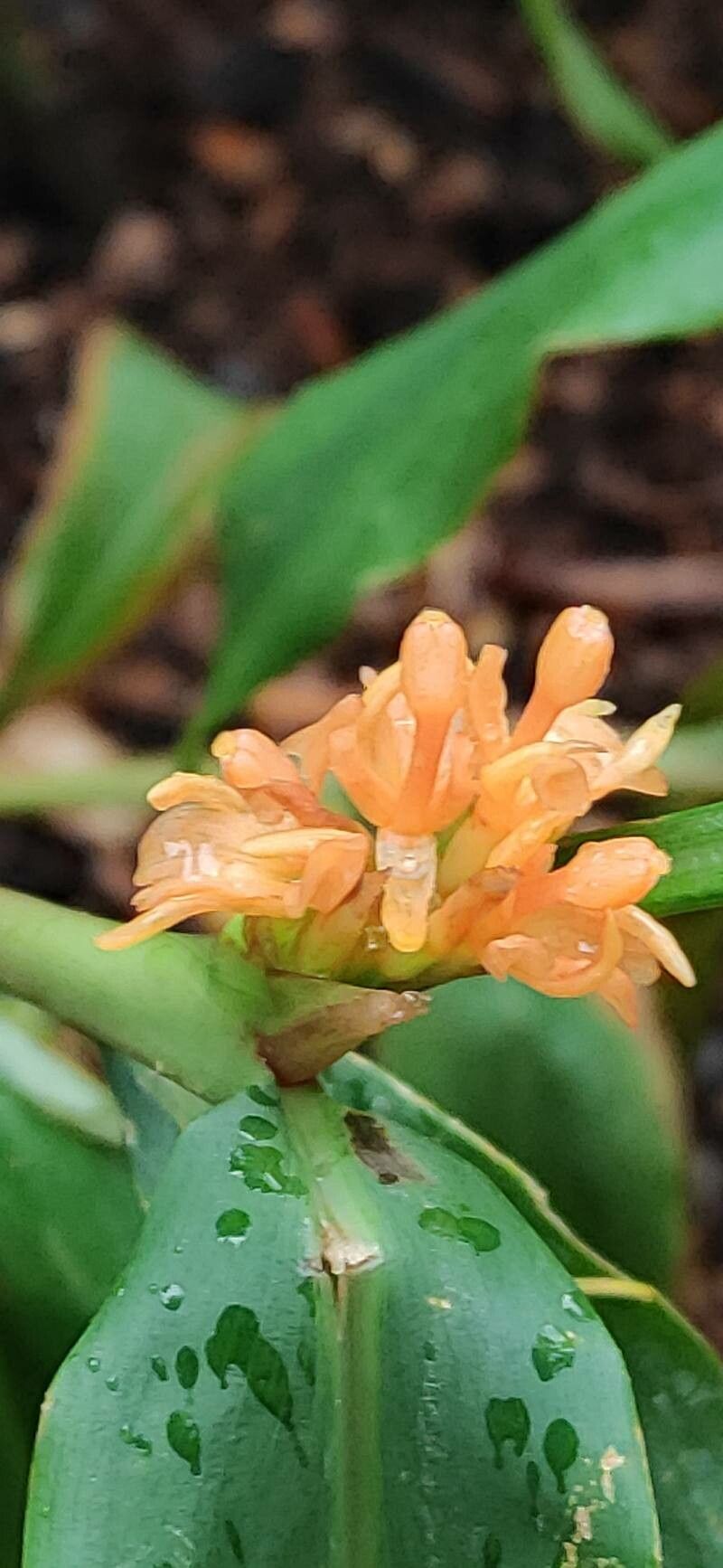
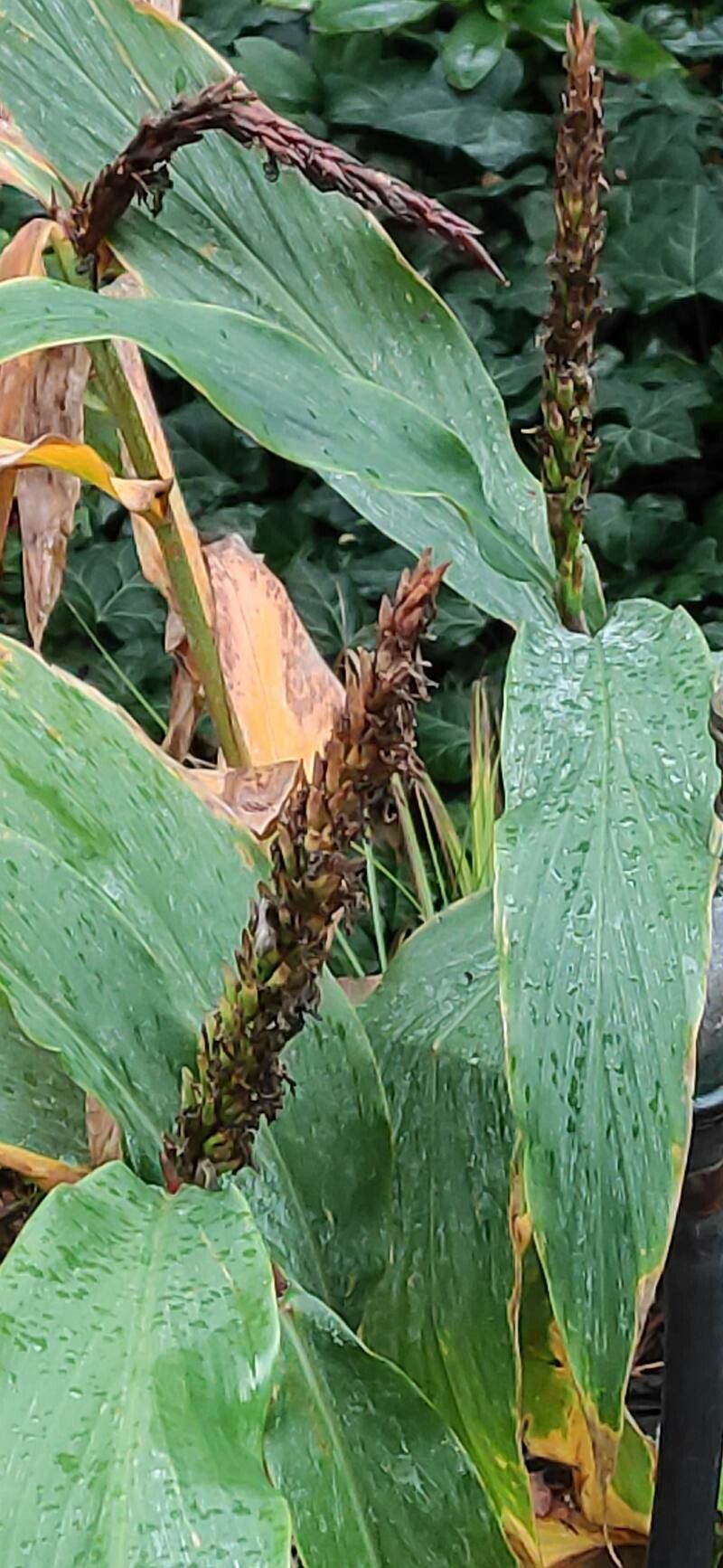
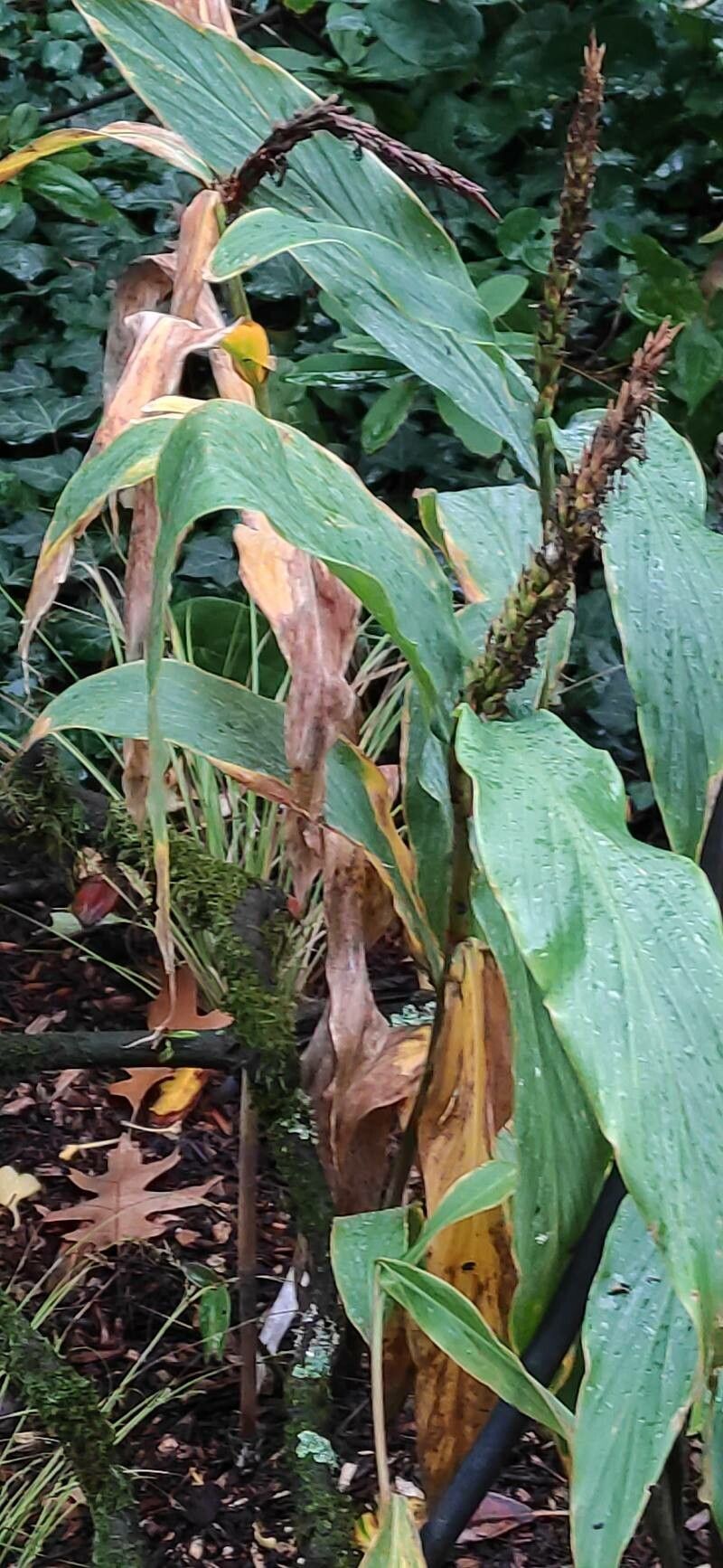
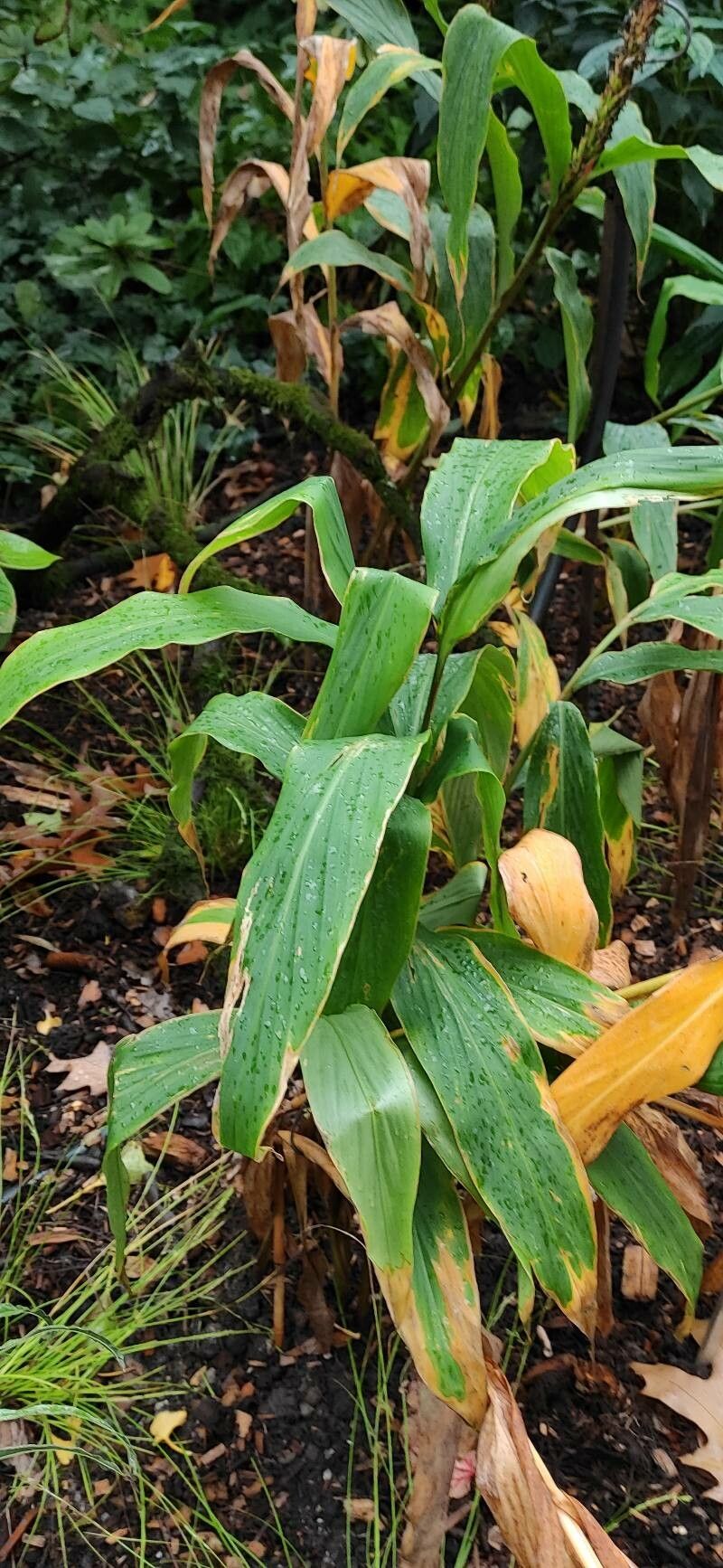
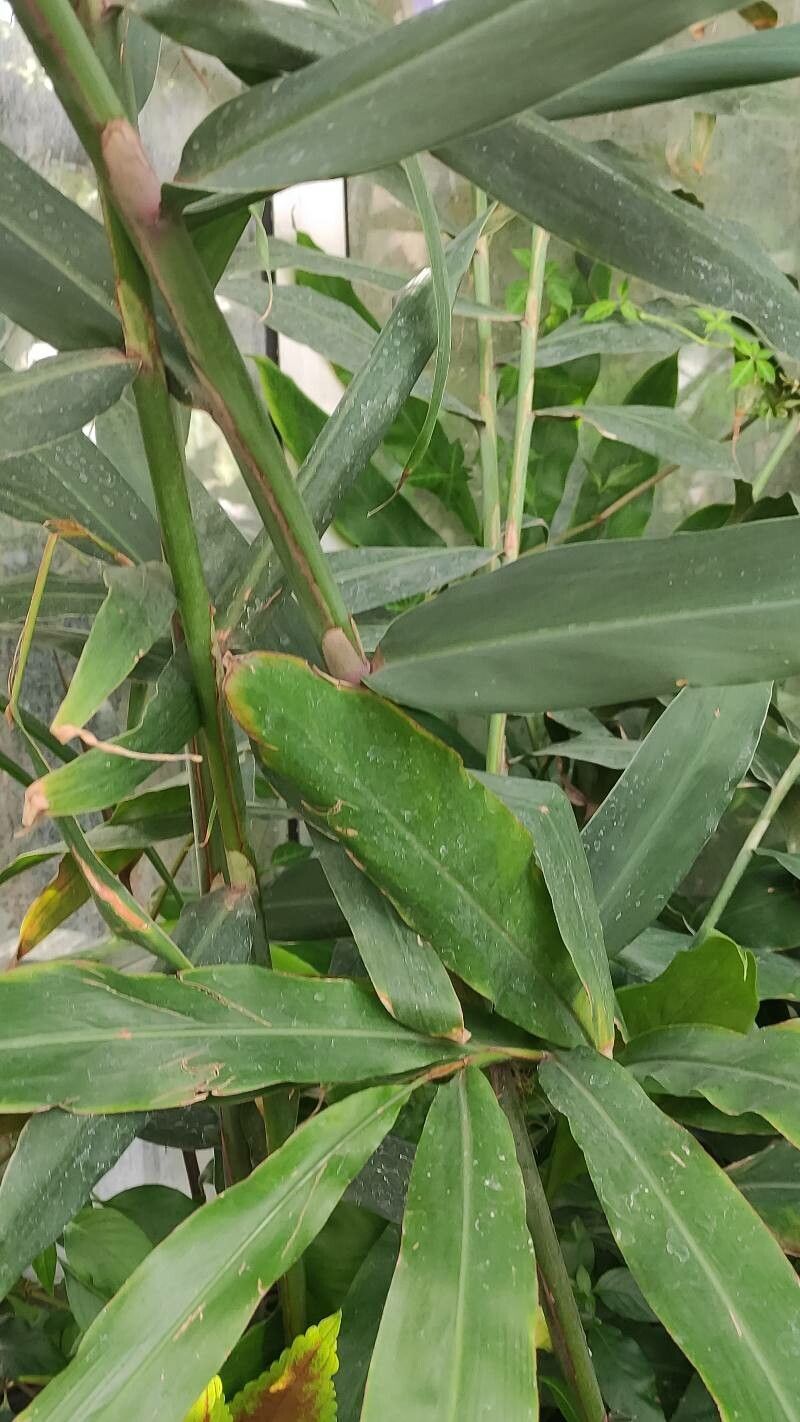
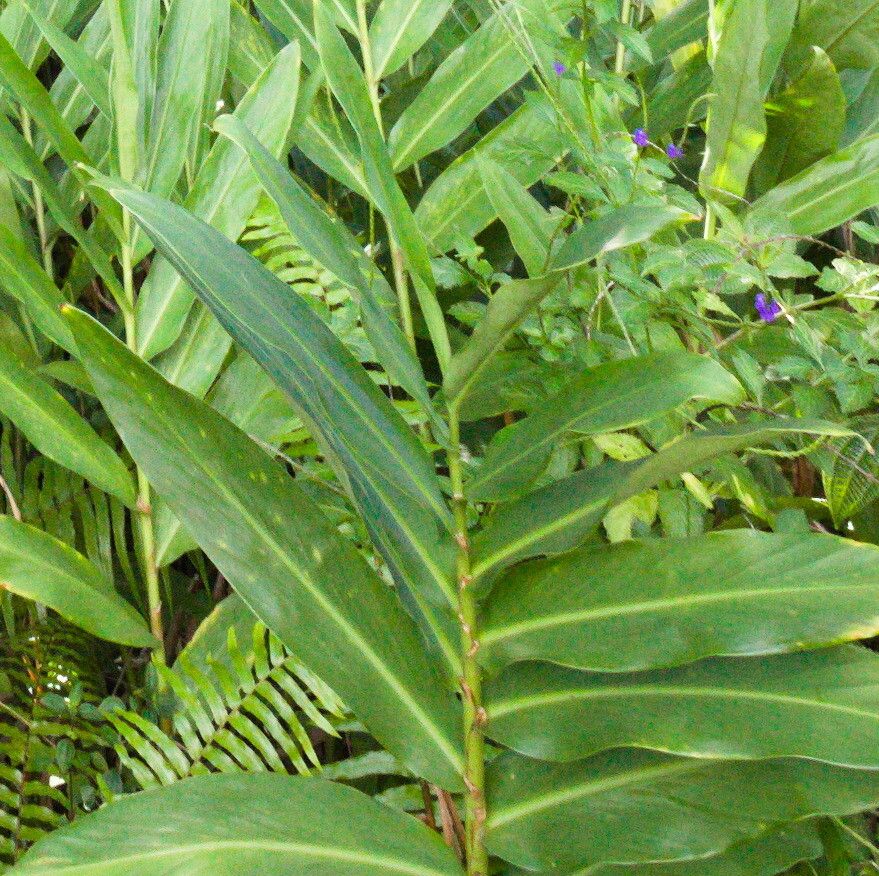
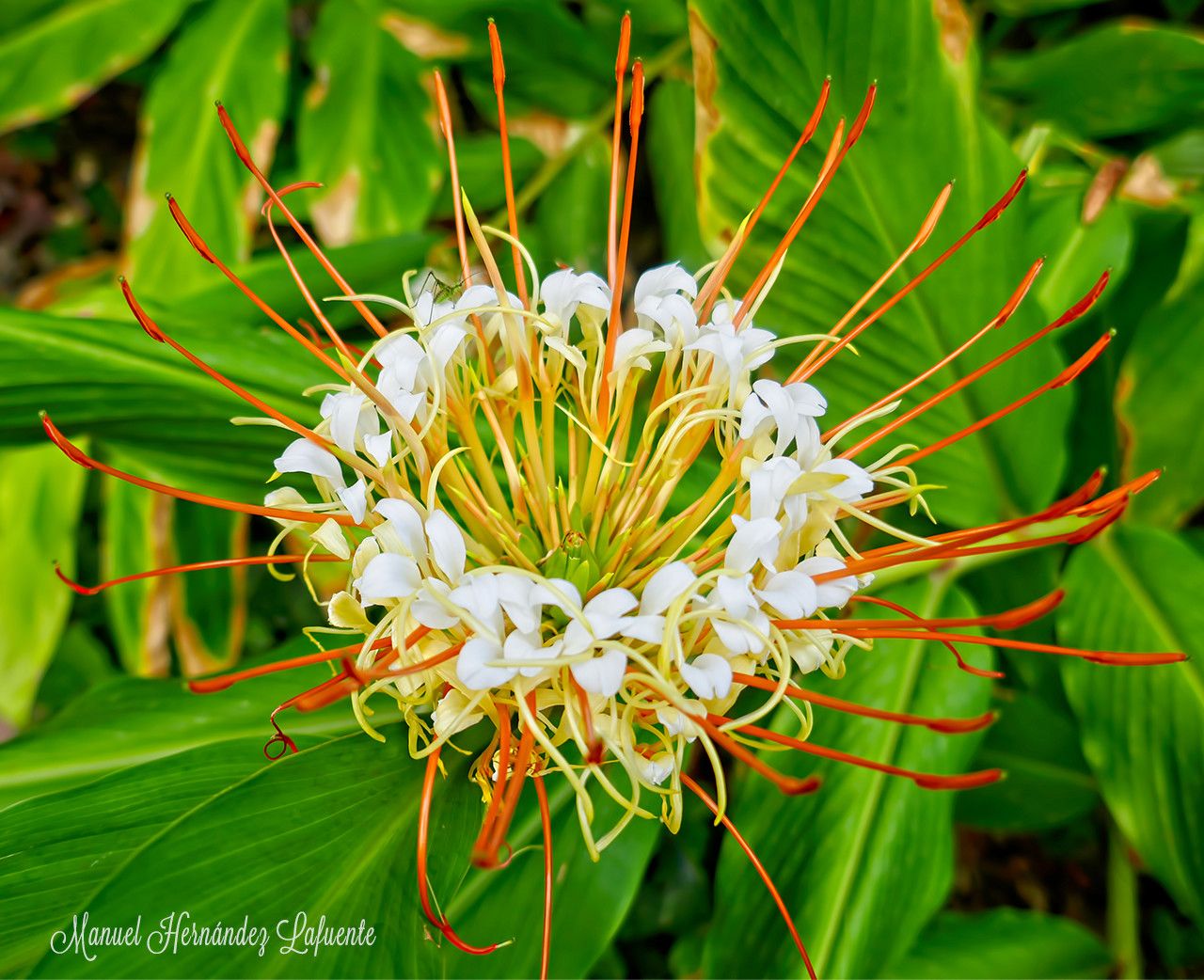
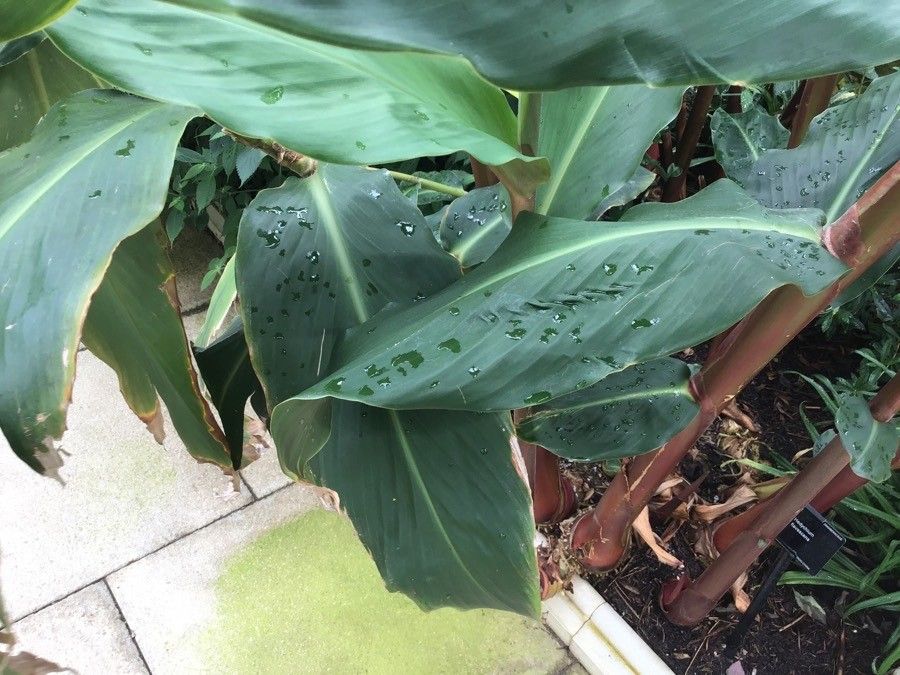
Dense ginger lily has strong resistance to disease and generally does not tend to get sick. However, it can be affected by pests and diseases present in its surroundings. Such infections are typically not severe. In terms of care, this plant needs moderate maintenance. It should be pruned regularly to preserve a neat appearance and healthy growth. Fertilizing can also help encourage flowering. Dense ginger lily is well suited to anyone with outdoor space, like a garden or patio, and does not require extensive care experience. It may need more attention when grown indoors.
How to keep Hedychium Densiflorum.
Light
Dense ginger lily is a herbaceous perennial native to open habitats, commonly found in meadows and grasslands. It prefers full sun but can also tolerate partial sun.
Temperature
Dense ginger lily is capable of adapting to a wide range of temperatures, though its distribution can still be restricted by different combinations of moisture and heat. It performs best in warm summer conditions with adequate rainfall or watering. Extended stretches of cloudy, rainy weather or prolonged high temperatures can increase the chance of Dense ginger lily dying. In winter, suitable protection from cold can boost the plant's survival rate.
Fertilizer
The best time to fertilize a Dense ginger lily is in early spring, as it is coming out of dormancy and beginning active growth. Fertilizing supplies essential nutrients needed for healthy development. Although the Dense ginger lily has relatively low fertilizer requirements, applying fertilizer once a year can improve its survival and encourage better, longer-lasting blooms.
Pruning
The dense ginger lily flourishes with its abundant foliage and fragrant blooms. To encourage healthier growth, prune any dead stems in early spring and trim the plant in late spring to make it bushier. Regularly remove spent flowers to prolong the blooming period, improve air circulation, and reduce pests. Always use clean, sharp tools for the best results in terms of plant health and appearance.
Pot & Repot
Repot dense ginger lilies every 2-3 years in the spring. Use a larger container to provide enough space for the roots and ensure proper drainage. Water them moderately and place them in partial sunlight to aid in their recovery and encourage blooming. Be sure to use moist, well-draining soil to maintain the plant's health and support its vigorous growth.
Botanical profile.
- Plant Type
- Herb
- Life Cycle
- Perennial
- Genus
- Hedychium
- Family
- Zingiberaceae
- Hardiness Zone
- 8-11
- Mature Height
- 2.44 m
- Mature Spread
- 91 cm
- Leaf Color
- Green
- Leaf Type
- Deciduous
- Flower Color
- Orange, Yellow
- Flower Size
- 2.54 cm
- Bloom Time
- Mid summer, Late summer, Early fall, Mid fall
- Planting Time
- Spring, Summer, Autumn
- Harvest Time
- Late fall, Early winter, Mid winter
- Native Area
- Nepal, India, Myanmar, Bhutan, China
Reader questions.
How should I water my Dense ginger lily?
To properly water the Dense ginger lily, it is recommended to use filtered water at room temperature. Tap water may contain harmful particles, so filtered water is preferred. The plant prefers warm conditions, so it is best to use water that is at room temperature or slightly warmer to avoid shocking its system. It is important to avoid overhead watering as it can cause issues with the foliage. Instead, it is recommended to thoroughly soak the soil with filtered room temperature water. This helps to moisten the roots and allows them to spread through the soil and collect necessary nutrients for the plant.
Why should I put fertilizer on my Dense ginger lily?
Fertilization is important for Dense ginger lilies for several reasons. Mainly, it provides key nutrients for the plant to grow above and below ground. However, Dense ginger lilies have relatively low fertilization needs and can survive without it. Still, annual fertilization is highly beneficial as it keeps the plant alive and promotes the growth of more beautiful and longer-lasting flowers. Therefore, those interested in maintaining the best appearance of their Dense ginger lily should prioritize annual fertilization.
What are the sunlight requirements for Dense Ginger Lily?
Dense Ginger Lily (Hedychium densiflorum) flourishes in full sun, requiring more than 6 hours of sunlight daily, but it can also adapt to partial sun conditions, with about 3-6 hours of sunlight per day. Observing the movement of sunlight through your garden is crucial for choosing optimal spots that ensure a balance of light and shade, fostering plant health and happiness.
What should I do if I give my Dense ginger lily too much or too little water?
It's important to be aware of both overwatering and underwatering when caring for your Dense ginger lily. Overwatering is a common issue and can cause wilting, yellowing leaves, and diseases like root rot. Underwatering is less common due to the plant's drought tolerance, but can result in brittle, brown leaves. If you notice signs of overwatering, act quickly to reduce watering and consider improving the soil drainage. If your plant is not receiving enough water, simply water it more regularly until the signs improve.
When should I fertilize my Dense ginger lily?
The best time to fertilize a Dense ginger lily is in late winter to early spring when it is transitioning from its dormant phase to active growth. Fertilizing during this time promotes healthy growth and sets the plant up for a successful season. While early spring is the most beneficial time for fertilization, fall is also an option. However, it is not recommended to fertilize in summer or winter.
How do artificial lighting requirements vary for different plant sunlight needs?
When natural sunlight is insufficient for indoor plants, particularly during winter or in less sunny spaces, artificial lights become crucial. They support optimal growth by promoting faster, healthier development. LED lights are recommended due to their customization abilities to provide specific light wavelengths needed by plants. For full sun plants, 30-50W/square foot is necessary; partial sun plants require 20-30W/square foot, and full shade plants need 10-20W/square foot. The light source should be placed 12-36 inches above the plant to mimic natural sunlight, and the lighting duration should reflect the natural daylight hours, usually between 8-12 hours per day.
How many times should I water my Dense ginger lily plant?
If you have your Dense ginger lily in a pot, the best way to determine if it needs water is to stick your finger in the soil. If the top two to three inches are dry, it's time to water it. For those growing the Dense ginger lily outdoors in the ground, you can use a similar method to check the soil. Once again, if the top few inches are dried out, it's time to water. Typically, during the spring and early fall, you'll need to water this plant about once a week using this method. However, during extremely hot weather, you may need to water it two or more times per week. It's worth noting that mature, well-established Dense ginger lilies have a remarkable ability to survive drought.
When is it not a good time to fertilize my Dense ginger lily?
To properly care for your Dense ginger lily, it is important to know when and when not to fertilize. This plant only requires one feeding per year, which should be done in late winter or early spring. Overfertilizing during spring, summer, and fall can cause problems, so it's best to avoid fertilizing during these seasons, unless you forgot to do it in the spring, in which case you can fertilize in the fall. Additionally, there is no need to fertilize during the winter, as the plant is in a dormant phase and not actively growing.
What are the symptoms of inadequate lighting for Dense Ginger Lily?
Inadequate lighting can lead to several symptoms in Dense Ginger Lily, including smaller new leaves compared to previous ones, leggy or sparse growth, faster leaf drop, slower or halted growth, lighter-colored or irregularly patterned new leaves due to a lack of chlorophyll, chlorosis (leaves turning yellow), sunscald (pale or necrotic areas on leaves or stems), leaf curling (a defense mechanism against excess sunlight), wilting from increased water loss, and leaf scorching, characterized by brown, crispy edges on leaves.
How much water does my Dense ginger lily plant need?
To ensure your Dense ginger lily gets the right amount of water, don't hold back. Wait until the top two to three inches of soil are dry, then water thoroughly. The goal is to completely soak the soil, allowing excess water to drain through the holes at the bottom of the pot. If you don't see any excess water draining, it's likely you haven't watered enough. However, be careful not to let water accumulate inside the soil, as this can harm the plant. In addition, if water doesn't drain properly from the pot, it could mean the soil doesn't drain well, which is not good for the plant's health. If the plant is outside, around 1 inch of rain per week should be enough.
Which fertilizer should I use for my Dense ginger lily?
When it comes to fertilizing a Dense ginger lily, you have quite a few options. Any general-purpose fertilizer with a balanced amount of the main plant nutrients should work well. However, there are some nutrient blends that can be especially beneficial. Many gardeners believe that higher levels of phosphorus result in stronger roots and better flowers, so using a phosphorus-rich fertilizer may be a good choice for this flowering plant. Whether you choose a granular or liquid fertilizer, just make sure it contains plenty of nutrients. In addition to manufactured fertilizers, you can also use organic methods to improve the soil for your Dense ginger lily. Compost, manure, and similar materials can greatly enhance the growing conditions for your plant.
What are effective solutions for providing optimal light to Dense Ginger Lily?
To ensure Dense Ginger Lily receives optimal sunlight, gradually acclimate it to brighter conditions. For indoor plants, move them to a sunnier spot or use a south-facing window, gradually increasing exposure to achieve at least 6 hours of direct sunlight daily, or supplement with artificial light for at least 8 hours daily. For outdoor plants, also move them gradually to sunnier locations to avoid sunburn. If plants are too large to move, consider using artificial plant grow lights. Managing obstructions by pruning or removing shade sources and transplanting smaller plants to sunnier locations during their dormant period can improve sunlight access. Note that parts of plants damaged by insufficient light may not recover, but new growth will be healthy with improved light exposure.