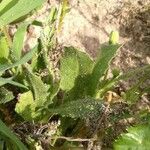
Hedypnois rhagadioloides
Cretan Hedypnois · Cretan Weed · Cretin Weed · Daisy · Scaly Hawkbit
Description
Source: leafsnapHedypnois rhagadioloides, commonly known as fragrant cudweed or sweet-smelling rabbit tobacco, is a perennial herbaceous plant belonging to the Asteraceae family. Native to Europe and Asia, it has also been introduced and naturalized in North America. The plant can grow up to 60 cm tall and features a woody base with numerous stems covered in fine hairs. Its narrow, lance-shaped leaves have serrated edges. The small, yellow flowers, which have five petals arranged in a daisy-like pattern, contribute to its ornamental appeal. Hedypnois rhagadioloides thrives in well-drained soils and can grow in full sun or partial shade. It is adaptable to various soil types, including sandy soils, and is commonly found along roadsides and in disturbed areas such as fields and waste places. Historically, this plant has been valued for its medicinal properties. Its anti-inflammatory qualities make it useful for treating respiratory issues like asthma and bronchitis. Additionally, its antiseptic properties have made it beneficial for topical use on wounds. Overall, Hedypnois rhagadioloides is an attractive and versatile herbaceous perennial. It can be easily grown from seed, making it a wonderful addition to any garden or landscape design, while also offering medicinal benefits when needed.
Care Guide
💧 Water Every 7 days
Cretanweed thrives in conditions of moderate moisture and balanced humidity. It adapts well to both rainy and dry periods. For optimal growth, water it weekly and align its growth cycle with seasonal rains. This makes it well-suited for outdoor cultivation in climates with regular rainfall, where it can be grown as an annual herb.
How should I water my Cretanweed?
To water Cretanweed, you have various options such as using a garden hose with a spray nozzle or a watering can. Cretanweed is not too demanding when it comes to watering, as it can thrive on rainwater, tap water, or filtered water. It's advisable to avoid watering this plant from above as it can harm the leaves, flowers, and potentially lead to disease. A drip irrigation system is often the best approach to water Cretanweed, as it evenly and directly applies water to the soil. When it comes to watering Cretanweed in a container, you can follow a similar approach but using a cup, watering can, or tap water to directly water the soil.
What should I do if I give too much or too little water to my Cretanweed?
To prevent underwatering Cretanweed, the solution is simple: water the plant regularly when you observe it lacking moisture. On the other hand, overwatering can be more problematic, potentially leading to diseases and even death if not detected early. To avoid this, choose a suitable location for your Cretanweed that gets ample sunlight for soil drying and has good drainage to prevent waterlogging. If you overwater your potted Cretanweed, transferring it to a new pot might be necessary. Ensure the new pot has proper drainage holes and loose soils for efficient drainage as you repot the overwatered plant.
How frequently do I need to water my Cretanweed?
Cretanweed requires regular watering throughout the growing season. In spring, water it once a week. As the season progresses and temperatures rise, increase watering to two to three times a week. However, be careful not to exceed this frequency as it can harm the plant. Regardless of watering frequency, ensure that the soil remains moist but not wet. When watering Cretanweed in a pot, increase the frequency as pot soil tends to dry out faster. Generally, water a potted Cretanweed a few times a week compared to an in-ground plant that only needs watering once a week.
How much water does my Cretanweed plant need?
There are a few different ways to determine how much water to give your Cretanweed. One method is to feel the soil for moisture and water until the first six inches of soil are moist. Another method is to use a set measurement of around two gallons per week, depending on temperature and how quickly the soil dries out. However, it's important to be cautious with strict guidelines as they may lead to overwatering if the plant needs less water. When growing Cretanweed in a container, you should water enough to moisten all layers of dry soil. You can test this by sticking your finger in the soil or noticing a trickle of excess water from the drainage holes.
How do I know if I'm giving enough water to my Cretanweed?
It can be challenging to properly water your Cretanweed. On one hand, you need to moisten the soil weekly because these plants have deep roots. However, Cretanweed is highly prone to root rot and browning if overwatered. On the other hand, underwatering is less likely to harm your Cretanweed as they can survive without additional water for a while. But, if you wait too long to water the plant, it will begin to wilt and develop dry leaves.
☀️ Light Full sun
Cretanweed is native to bright, open habitats where it flourishes in full sun. It can tolerate partial sun but favors direct sunlight for best growth. This plant, which can be annual or biennial, is known for its sun-loving nature.
🌡️ Temperature 15–37.8°C
Cretanweed can tolerate a wide variety of temperature conditions, though its distribution may still be constrained by different combinations of moisture and heat. It does best in warm summer climates with sufficient rainfall or watering. Extended periods of cloudy, rainy weather, as well as prolonged high temperatures, can raise the likelihood of Cretanweed dying. In winter, adequate protection from cold can increase the plant's survival rate.
💨 Humidity
🪴 Soil 6-7
🌱 Fertilizer
Cretanweed responds well to regular, dilute fertilizer applications to encourage healthy leaf development. You should feed Cretanweed about once a month throughout the summer. Nitrogen is essential for foliage, and supplying nitrogen-rich sources helps Cretanweed thrive.
🪴 Pot & Repot
✂️ Pruning
Cretanweed is a tough annual plant known for its bright yellow flowers. To manage its growth, prune it between early and late spring. This process helps in removing damaged stems and enhancing air circulation, which in turn encourages healthy growth and better flowering. Always use clean tools for pruning to reduce stress on the plant and prevent the spread of diseases.
🌿 Propagating
🐛 Diseases & pets
☠️ Toxicity
Characteristics
- Plant Type
- Herb
- Life Cycle
- Annual
- Genus
- Hedypnois
- Family
- Asteraceae
- Hardiness Zone
- 8-11
- Mature Height
- 40 cm
- Mature Spread
- 15 cm to 30 cm
- Leaf Color
- Green, Dark Green
- Leaf Type
- Semi-evergreen
- Flower Color
- Yellow
- Flower Size
- 1.27 cm to 1.52 cm
- Bloom Time
- Mid spring, Late spring, Early summer
- Planting Time
- Spring, Summer
- Harvest Time
- Summer