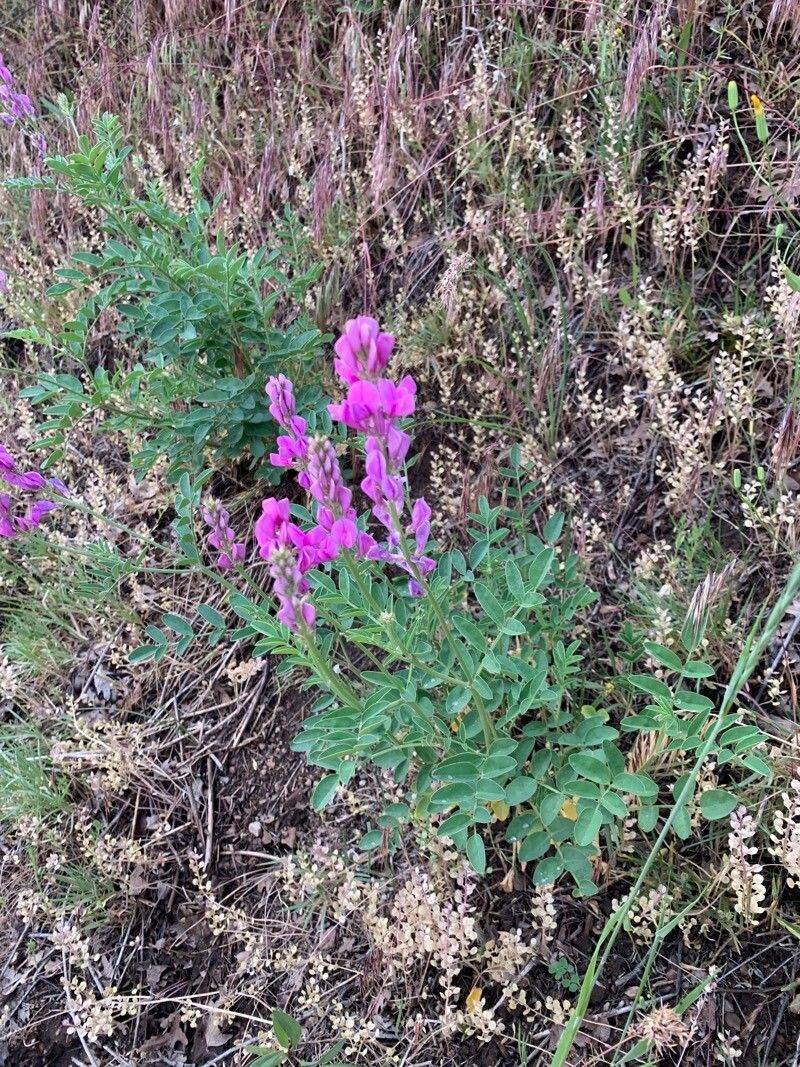
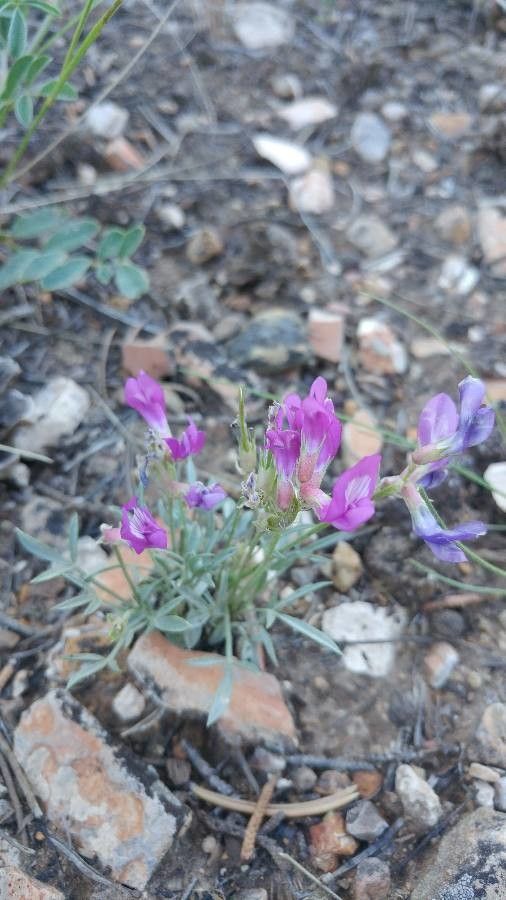
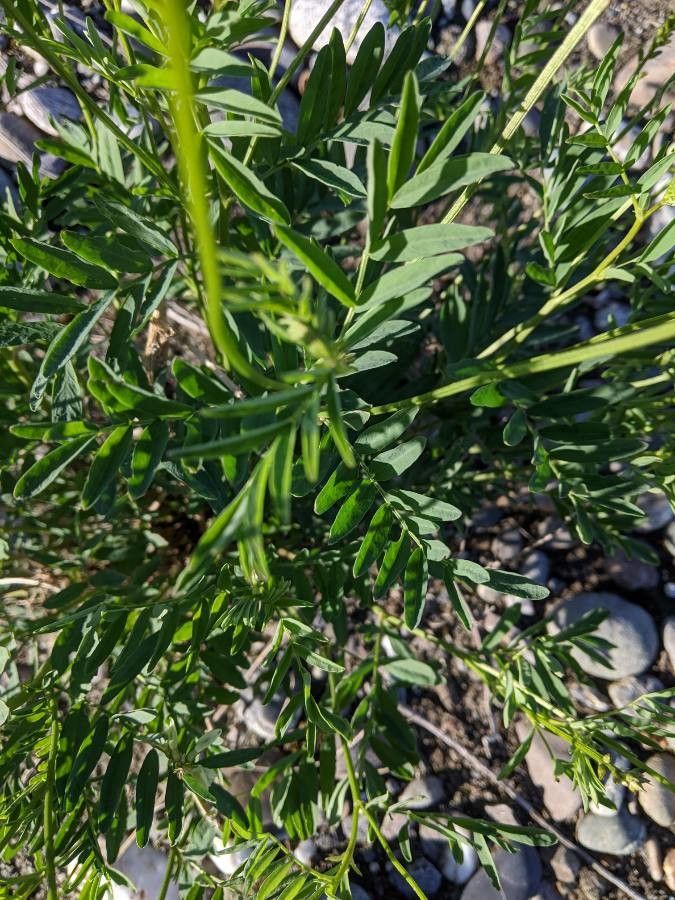
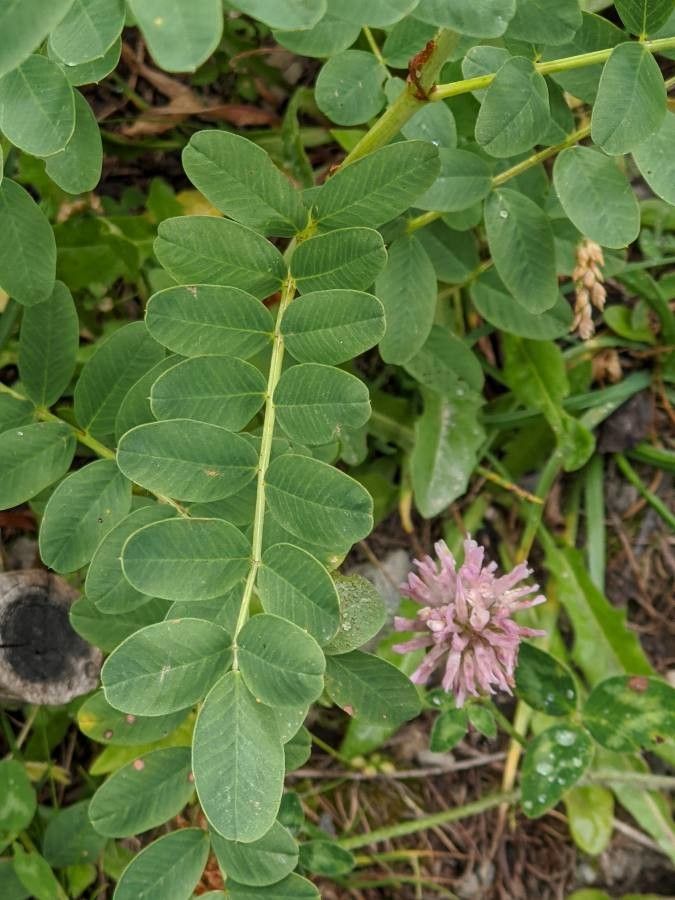
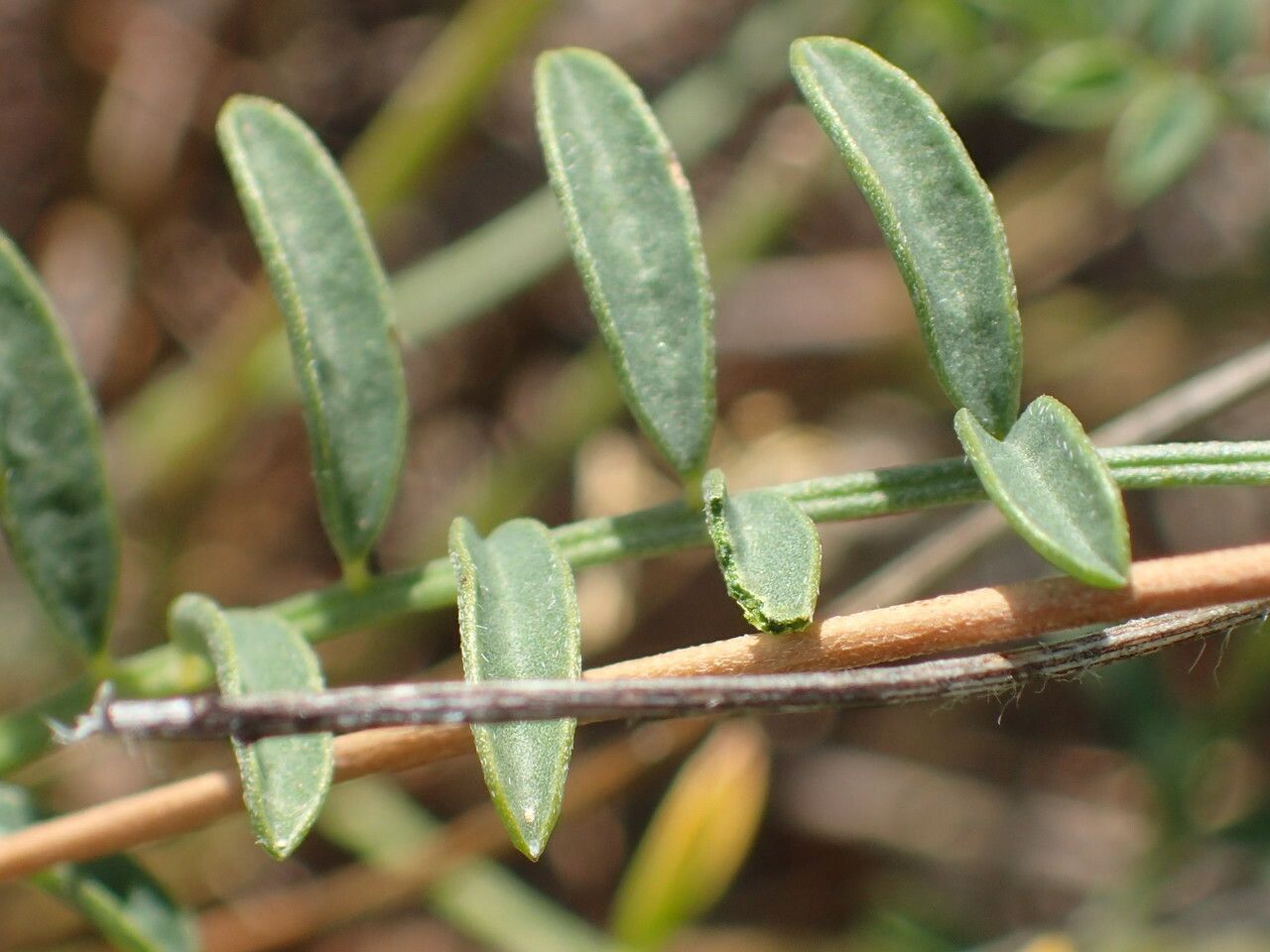
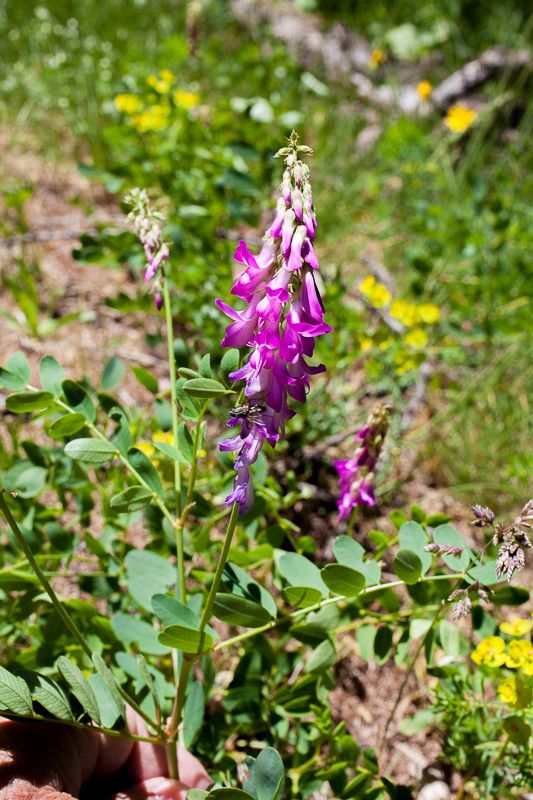
Hedysarum boreale is a species of flowering plant in the Fabaceae, or legume family, and is known by the common names Utah sweetvetch, boreal sweet-vetch, northern sweetvetch, and plains sweet-broom. It is native to North America, where it is widespread in northern and western regions of Canada and the United States. The ssp. mackenzii can even be found in the Canadian Arctic Archipelago.This species is quite variable in morphology. There are several ecotypes. In general, it is a perennial herb growing from a deep taproot with a woody stem base. It has nitrogen-fixing root nodules. The plant grows 1 to 2 feet (0.3 to 0.6 m) tall. The hairless leaves are compound, divided into a number of leaflets. The inflorescence is a raceme of white, pink, or purple flowers. The fruit is a legume pod containing kidney-shaped seeds. Honeybees pollinate the flowers.This plant grows on well-drained loams as well as soils with clay and sand. It can grow on soils with moderate levels of salinity, and can tolerate a range of soil pH. In the wild it generally grows at elevation, between 4,000 and 8,000 feet (1,200 and 2,400 m).This plant is sometimes added to seed mixes used for rangeland improvement. Its nitrogen-fixing ability improves soil quality. The plant is palatable to livestock and wild animals. It is an important component of Sage Grouse habitat. The cultivar 'Timp' is an improved plant line selected for its adaptability and seed production qualities. The plant can be used in xeriscaping and as a seeded roadside flower. It is good for stabilizing soil.The wild plant was considered poisonous by some Native American groups, but it was utilized as a food source, particularly the roots, which taste like licorice.
Utah sweetvetch is fairly disease-resistant and is usually not prone to illnesses. However, it can be affected by pests and diseases found in its surroundings. These problems are typically not serious. In terms of care, this plant requires a moderate level of maintenance. It needs regular pruning to maintain a good appearance and support healthy growth. Fertilizing can also encourage better flowering. Utah sweetvetch is suitable for someone with an outdoor area, such as a garden or patio, and does not demand extensive care experience. It may require more attention when grown indoors.
How to keep Hedysarum Boreale.
Light
Utah sweetvetch performs best in strong sunlight, reflecting the conditions of its native habitat. Sound growth depends on ample exposure to sunlight. Strong light is important throughout its various growth stages. Excessive light is unlikely to harm it, while insufficient light can result in unhealthy development.
Temperature
Utah sweetvetch is best suited to climates with temperatures from 32 to 90°F (0 to 32°C). Native to temperate regions, it does well in cooler conditions. In winter, when temperatures can drop below its preferred range, extra mulching is applied.
Fertilizer
The best time to fertilize a Utah sweetvetch is in early spring, as it comes out of dormancy and begins active growth. Fertilization supplies essential nutrients for healthy growth. Although Utah sweetvetch has relatively low fertilizer needs, annual applications can improve its survival and encourage better, longer-lasting flowers.
Pruning
To encourage healthy growth and flowering in Utah sweetvetch, prune the plant from early to late spring. Remove any dead stems and thin out older branches to improve air circulation and prevent disease. Regular maintenance is key to keeping the plant robust and blooming. Be sure to use clean, sharp tools to prevent infections.
Botanical profile.
- Plant Type
- Herb
- Life Cycle
- Perennial
- Genus
- Hedysarum
- Family
- Fabaceae
- Hardiness Zone
- 3-7
- Mature Height
- 30 cm to 61 cm
- Mature Spread
- 49 cm
- Leaf Color
- Green
- Leaf Type
- Deciduous
- Flower Color
- Pink, Purple, Red
- Flower Size
- 1.78 cm
- Bloom Time
- Late spring, Early summer, Mid summer
- Planting Time
- Spring, Autumn
- Harvest Time
- Mid summer, Late summer, Early fall
Other names.
Reader questions.
How should I water my Utah sweetvetch plant?
To properly water the Utah sweetvetch plant, it is important to keep a few things in mind. First, it is best to use filtered water at room temperature. Tap water may contain harmful particles for this plant. Additionally, it is advisable to use water that is at room temperature or slightly warmer since the Utah sweetvetch is accustomed to a warmer environment and cold water can be a shock to its system. Instead of watering from above, it is recommended to apply the filtered room temperature water directly to the soil until it is fully soaked. This method of watering helps moisten the roots and promotes their spread through the soil, enabling them to collect the necessary nutrients.
Why is it important to add fertilizer to my Utah sweetvetch plant?
Fertilization is important for the Utah sweetvetch because it provides necessary nutrients for the plant's growth. While the overall fertilization needs for the Utah sweetvetch are relatively low, annual fertilization can still be very beneficial. It helps to keep the plant alive and may also improve the quality and longevity of its flowers. Therefore, those looking to enhance the appearance of their Utah sweetvetch should prioritize annual fertilization.
What kind of sunlight does Utah sweetvetch require?
Utah sweetvetch requires full sun daily, with at least six hours of sunlight needed to maintain healthy leaves, roots, and blooms. While the majority of perennials also require six hours of sunlight, certain plants like the Orange Daylily or Giant Coreopsis can survive with only three hours of sun per day. However, these perennial flowering plants will not flourish as well as they would in sunnier conditions.
What temperature is best for Utah sweetvetch?
Utah sweetvetch thrives in cooler weather and has an optimal temperature range for maximum growth. To keep Utah sweetvetch healthy, try to maintain temperatures between 65~75℉(18~25℃). Although Utah sweetvetch can tolerate higher and lower temperatures, it is best to keep the growing area within a few degrees of 65~75℉(18~25℃). If it is not possible to stay within this range, don't worry, the plant will still continue to grow. However, extreme temperatures can cause damage or slow down growth. On the higher end, temperatures between 75~85℉(25~30℃) are acceptable, while on the lower end, the plant can withstand temperatures as low as 5℉(-15℃). Remember, it is crucial to avoid temperatures above 85℉(30℃) as it can lead to significant harm or even death of the plant.
What should I do if I give my Utah sweetvetch plant too much or too little water?
Overwatering and underwatering can both harm the health of your Utah sweetvetch plant, but overwatering is more common. When the plant gets too much water, its stems and leaves may wilt and turn yellow. Overwatering for a long time can also cause diseases like root rot, mold, and mildew, all of which can kill the plant. Underwatering is less likely for the Utah sweetvetch because it can tolerate drought. However, it's still a possibility, and when it happens, the leaves will become brittle and brown. It's important to promptly recognize signs of overwatering when taking care of your Utah sweetvetch. Some diseases from overwatering, such as root rot, may be irreversible if you wait too long. If you notice early signs of overwatering, reduce your watering immediately. You should also check the quality of the soil. If it drains poorly, replace it with a loose, well-draining potting mix. On the other hand, if you see signs of not enough water, simply water more regularly until those signs disappear.
What is the right time to fertilize my Utah sweetvetch plant?
The best time to fertilize a Utah sweetvetch is in late winter to early spring while it is transitioning from dormancy to active growth. Fertilizing during this time promotes healthy growth and sets the plant up for a successful season. Although early spring is typically the most beneficial, fertilizing in the fall is also acceptable. However, it is not recommended to fertilize during summer or winter.
Can the sun hurt Utah sweetvetch? How can we keep Utah sweetvetch safe from the sun and heat?
In warm climates, some Perennial Flowering Plants may struggle with excessive heat and suffer from sun damage. They can wilt, dry out, or even experience growth problems if they are consistently exposed to the intense afternoon sun. However, not all plants require protection from the light afternoon sun. For those that are harmed by intense afternoon exposure, it is recommended to provide them with some shade in warmer climates. Gardeners can achieve this by planting these plants in areas that do not receive direct heat during the afternoon, such as under trees or behind bushes.
Do Utah sweetvetch need different temperatures at different times of growth?
To keep your Utah sweetvetch healthy and promote growth, it's important to maintain a moderate temperature range of 65-75℉ (18-25℃). It's better to lean towards the cooler side of this range, but avoid going below -5℉ (-20℃). While extremely cold temperatures can hinder growth at any stage, they are not as harmful as extremely hot temperatures. If temperatures are too high during the budding stage, Utah sweetvetch may not flower.
How often do I need to water my Utah sweetvetch?
If your Utah sweetvetch is in a pot, the best way to determine if it needs water is by checking the soil. Simply stick your finger into the soil and if the top two to three inches are dry, it's time to water. If you're growing your Utah sweetvetch outdoors in the ground, you can use a similar method to check the soil. Once again, if you find that the first few inches of soil are dry, it's a sign that it needs water. Normally, during the spring and early fall, watering once a week will be sufficient. However, in very hot weather, you may need to increase watering to twice a week or more. Keep in mind that mature, well-established Utah sweetvetch plants are quite resilient and can handle periods of drought.
When is the best time to not fertilize my Utah sweetvetch?
To ensure proper care for your Utah sweetvetch, it is best to fertilize only during late winter and early spring. This plant has low fertilization needs, so one feeding per year is sufficient. Fertilizing during spring, summer, and fall may result in overfertilization and related issues. However, if you missed fertilizing in the spring, it is acceptable to feed the plant in the fall. Additionally, it is unnecessary to fertilize during the winter when the Utah sweetvetch is in a dormant growth phase. During this time, new growth does not occur, so fertilization is not recommended.
Should I keep Utah sweetvetch out of the sun to protect it?
Certain perennial plants require ample sunlight to reach their maximum bloom. However, in warmer climates, some of these plants actually benefit from less sun. For instance, individuals residing in hotter regions might find it beneficial to shade their flowering perennials during the intense afternoon sun, especially during summer months. Although many perennial flowering plants prefer partial shade in the hottest climates, there are exceptions. Take the Giant Coreopsis, for example, as it is not bothered by excessive sun exposure. These plants can flourish even when placed in the full sun during scorching weather.
Here are three ways to keep Utah sweetvetch's temperature in check.
Here are some tips for growing Utah sweetvetch indoors: Tip #1: Find the coldest room: Choose the coldest room in your home for growing Utah sweetvetch. This room should be on the side of your house that doesn't get too hot from the sun's heat during the day. However, make sure the room still receives a good amount of sunlight. Zero sunlight can hinder the growth of Utah sweetvetch. Tip #2: Watch out for high temperatures: Utah sweetvetch grows during spring and early summer, which can bring high temperatures. These fluctuations can negatively impact the plant's growth, causing buds to not flower properly. To ensure proper flowering, keep the temperature between 65-75℉ (18-25℃). Tip #3: Protect from frost: Although Utah sweetvetch can withstand lower temperatures as low as -5℉ (-20℃), it cannot handle significant frost. Late fall or winter temperatures can lead to frost damage, which is characterized by wilting and discoloration of the plant. Any parts showing brown or black colors cannot be saved and should be pruned if you want to keep the plant alive.