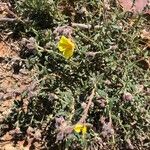
Helianthemum hirtum
Hairy Helianthemum
Care Guide
💧 Water
Helianthemum hirtum, native to arid environments, is highly drought-tolerant and requires minimal water. Water the plant every 2 to 3 weeks, allowing the soil to dry out between waterings. It thrives in sunny conditions and needs well-draining soil to replicate its natural habitat and prevent root rot.
How should I water my Helianthemum hirtum plant to make sure it gets enough water?
Your Helianthemum hirtum is not finicky about how you water it. You can use any common watering tool, like watering cans, hoses, or even cups. Regardless of the tool, it's best to water the soil directly. Make sure to evenly moisten all areas of the soil to provide water to all parts of the root system. Using filtered water is helpful as tap water may contain harmful particles. It's also beneficial to use water at or slightly above room temperature, as extremely hot or cold water can shock the plant. Nonetheless, the Helianthemum hirtum generally does well with any type of water.
What should I do if I give my Helianthemum hirtum too much or too little water?
Outdoor plants, especially newly planted ones or plant seedlings, can be prone to lack of watering. It is important to remember to keep on watering them consistently for a few months, especially when they are still small or newly planted. Once the roots have established, Helianthemum hirtum can rely on rainfall most of the time. When Helianthemum hirtum is planted in pots, overwatering is more likely to happen. If you accidentally overwater your Helianthemum hirtum, you should act quickly to remedy the situation. First, stop watering the plant immediately to minimize the impact of overwatering. Then, remove the plant from its pot to check the roots. If the roots do not show signs of root rot, you can return the plant to its pot. However, if root rot is present, trim away the affected roots and consider applying a fungicide to prevent further damage. Finally, repot the Helianthemum hirtum in well-draining soil. In the case of underwatering, simply water the Helianthemum hirtum more frequently. Underwatering is generally an easy problem to fix. When a plant is underwatered, its leaves tend to droop, dry out, and fall off. However, after sufficient watering, the leaves quickly regain fullness. It is important to adjust your watering frequency as soon as you notice signs of underwatering.
How often should I water my Helianthemum hirtum plant?
For outdoor plants, most can rely on natural rainfall for their water needs. However, if your area doesn't get enough rain, you should provide adequate watering every 2 weeks in spring and fall. In the summer, more frequent watering is necessary, while in winter, when growth slows down, water sparingly or not at all. If your Helianthemum hirtum plant is young or newly planted, it needs more regular watering to help it establish and become drought-tolerant. Mature plants will be more adaptable and require less water. When it comes to potted plants, there are two main approaches to determining watering frequency. One is setting a fixed schedule, such as once a week or every other week. However, this may not be suitable for your specific plant's growing environment. Alternatively, you can adjust the watering frequency based on soil moisture. It's generally best to wait until the top 2 to 4 inches of soil, about ⅓ to ½ depth of the pots, are completely dry before watering again. Keep in mind that during summer, this plant's water needs will be higher, so a fixed schedule may not be sufficient.
How much water does my Helianthemum hirtum plant need?
To water your Helianthemum hirtum, you don't need to use a lot of water. Only water if a few inches of soil have dried since the last time you watered. Aim to give it about five to ten ounces of water each time. Pay attention to the soil moisture and check how many inches of soil have dried out between waterings. To make sure your plant is getting enough water, moisten all the dry soil layers since the last watering. If over half of the soil is dry, give more water until you see excess water draining from the pot's holes. If your Helianthemum hirtum is planted outdoors in a rainy area, it may not need extra watering. When the plant is young or establishing, make sure it gets 1-2 inches of rain per week. As it grows, it can survive on rainwater alone. Only consider giving it a full watering if there is no rain for 2-3 weeks during hot weather to prevent stress.
How do I know if I'm watering my hairy rock rose enough?
When it comes to the Helianthemum hirtum, overwatering is a common issue. There are several signs to look out for if this happens. Usually, an overwatered plant will have yellowing leaves and may drop some of them. Overwatering can also cause the plant's overall structure to shrink and may lead to root rot. On the other hand, an underwatered plant will also start to wilt and may have brown or brittle leaves. Whether you notice signs of overwatering or underwatering, it's important to take action and restore the plant's health.
☀️ Light Full sun
Helianthemum hirtum comes from open habitats, such as sunny meadows and forest edges, which supply abundant light. It does best in full sun but can also tolerate partial sun, adjusting well to different sunlight conditions.
What are the sunlight requirements for Helianthemum hirtum?
Helianthemum hirtum thrives best in full sun, requiring more than 6 hours of direct sunlight daily, but it can also tolerate partial sun, which is about 3-6 hours of sunlight. It's important to monitor how sunlight moves through your garden to ensure you're choosing locations that provide the right balance of light and shade, catering to the plant's needs and promoting its health and growth.
How can artificial lighting support Helianthemum hirtum indoors?
When natural sunlight is not sufficient, especially during winter or in less sunny spaces indoors, artificial lighting is crucial for the growth of Helianthemum hirtum. To ensure optimal growth under artificial lights: 1. Select the right type of light, such as LED lights, which can be customized to the wavelengths needed by the plant. For full sun plants, 30-50W per square foot is ideal; for partial sun, 20-30W per square foot; and for full shade, 10-20W per square foot. 2. Position the light source 12-36 inches above the plant to mimic natural sunlight. 3. Simulate natural daylight hours, ensuring most plants receive 8-12 hours of light per day.
What are common symptoms of light deficiency in Helianthemum hirtum?
Light deficiency in Helianthemum hirtum can result in several symptoms: 1. Small leaves that are smaller in size compared to previously matured ones. 2. Leggy or sparse growth, making the plant appear stretched and weak. 3. Faster leaf drop as the plant attempts to conserve resources. 4. Slower growth or a complete halt in new growth. 5. Lighter-colored or pale new leaves, indicating a lack of chlorophyll. Additionally, overexposure to sunlight can result in chlorosis, sunscald, leaf curling, wilting, and leaf scorching, affecting the plant's health.
What solutions are available for correcting light issues with Helianthemum hirtum?
To address light issues with Helianthemum hirtum, consider the following solutions based on your setting: Indoor: Gradually move the plant to a sunnier spot, aim for at least 6 hours of direct sunlight by using a south-facing window, or employ artificial light sources, such as desk lamps or professional grow lights, for 8 hours daily. Outdoor: Gradually acclimate your plants to sunnier areas to prevent sunburn. Ground: Mitigate any obstructions to sunlight, such as pruning branches of trees blocking light, and consider transplanting smaller plants to sunnier areas during their dormant period for better exposure and health.
🌡️ Temperature 10–25°C
Helianthemum hirtum originates from habitats with mild temperatures. It prefers a temperature range of 50 to 77°F (10 to 25℃). In colder seasons, consider increasing the room temperature to meet its needs.
What is the native environment of Helianthemum hirtum?
Helianthemum hirtum is naturally found in environments that have moderate temperatures, thriving best within the range of 50 to 77°F (10 to 25°C). It is a plant that prefers not to be in too cold or too hot conditions, making it suitable for locations that can maintain this temperature range.
How should Helianthemum hirtum be cared for in colder seasons?
Despite its high tolerance for cold temperatures, it is advisable to ensure that the room temperature is raised if necessary during the colder seasons to meet Helianthemum hirtum's temperature preferences. Additionally, it is recommended to water the plant generously before the first freeze of autumn. This practice ensures the soil remains moist and enters a frozen state preparedly, which helps in preventing drought and water scarcity during the winter and early spring for the plant.
Does Helianthemum hirtum need frost protection measures?
Helianthemum hirtum is highly tolerant of cold and does not generally require additional frost protection measures during winter. Its ability to withstand cold without special care makes it relatively easy to maintain in suitable climates, even through colder periods.
What happens if Helianthemum hirtum is exposed to temperatures below -25°C?
If Helianthemum hirtum experiences temperatures dropping below -25°C, it remains exceptionally cold-tolerant. However, despite not showing noticeable changes during winter, its branches may become brittle, dry during the spring, and fail to produce new shoots. It's crucial to be mindful of these temperature thresholds to prevent potential damage.
How should you care for Helianthemum hirtum after a cold winter with temperatures below -25°C?
After a harsh winter where temperatures have plummeted below -25°C, it is advisable to prune away any dead branches on your Helianthemum hirtum that have not produced new leaves by spring. This pruning helps in the removal of potentially damaged parts of the plant and encourages healthier growth.
💨 Humidity
🪴 Soil 6-7
🌱 Fertilizer
The timing of fertilizing Helianthemum hirtum is important. Apply fertilizer in early spring and continue monthly until early summer. Fertilizer promotes attractive blooms and supplies energy during both dormant periods and active growth.
🪴 Pot & Repot
✂️ Pruning
Helianthemum hirtum benefits from pruning done between early and late winter, which encourages strong growth and vibrant blooms. To keep the plant healthy, remove any dead or diseased stems and shape the plant to improve air circulation and reduce the risk of fungal problems. Always use sterilized tools for pruning and consult local guidelines for specific care recommendations.
🌿 Propagating
🐛 Diseases & pets
☠️ Toxicity
Characteristics
- Plant Type
- Shrub
- Life Cycle
- Perennial
- Genus
- Helianthemum
- Family
- Cistaceae
- Hardiness Zone
- 6
- Mature Height
- 6 cm to 46 cm
- Mature Spread
- 20 cm to 40 cm
- Leaf Color
- Green, Dark Green
- Leaf Type
- Evergreen
- Flower Color
- Yellow
- Flower Size
- 1.52 cm
- Bloom Time
- Mid spring, Late spring, Early summer
- Planting Time
- Spring, Summer
- Harvest Time
- Summer