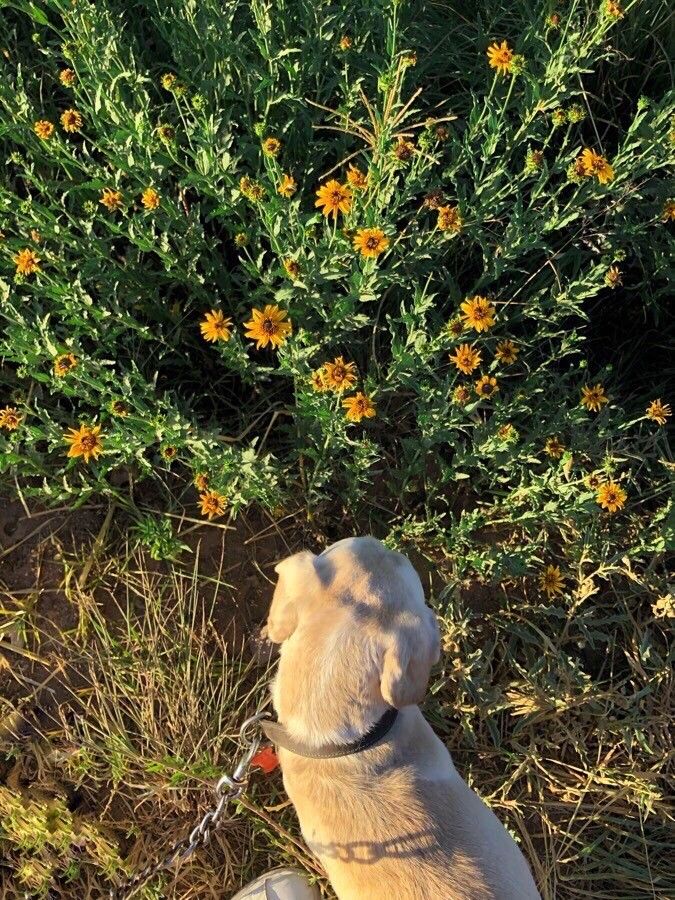
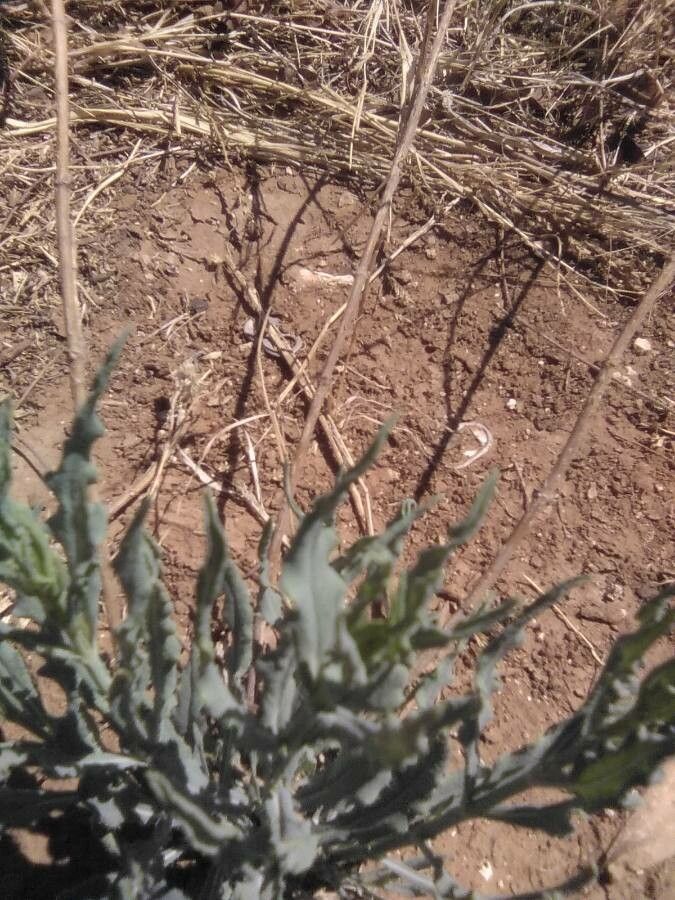
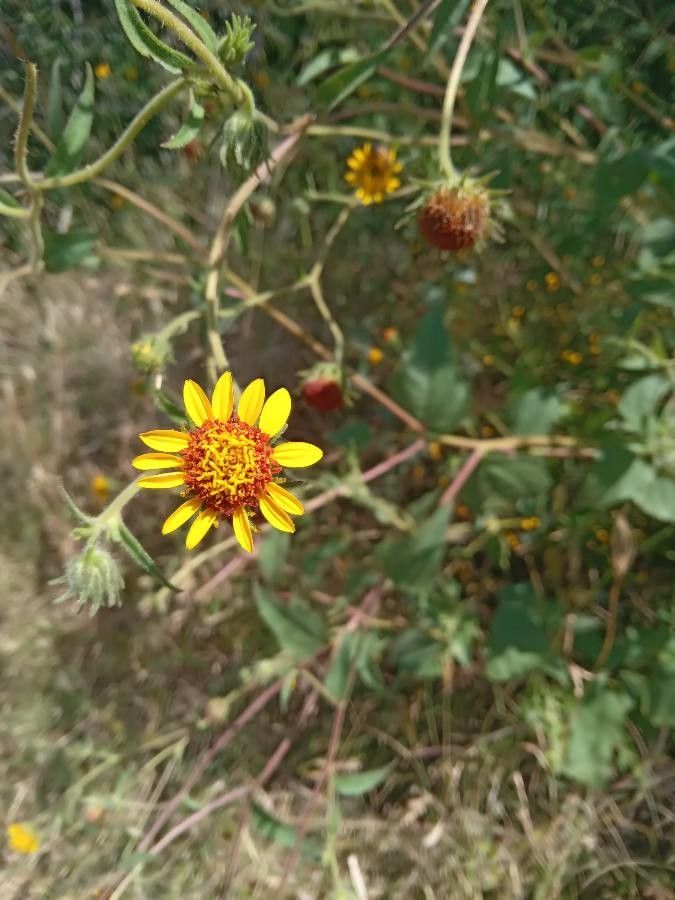
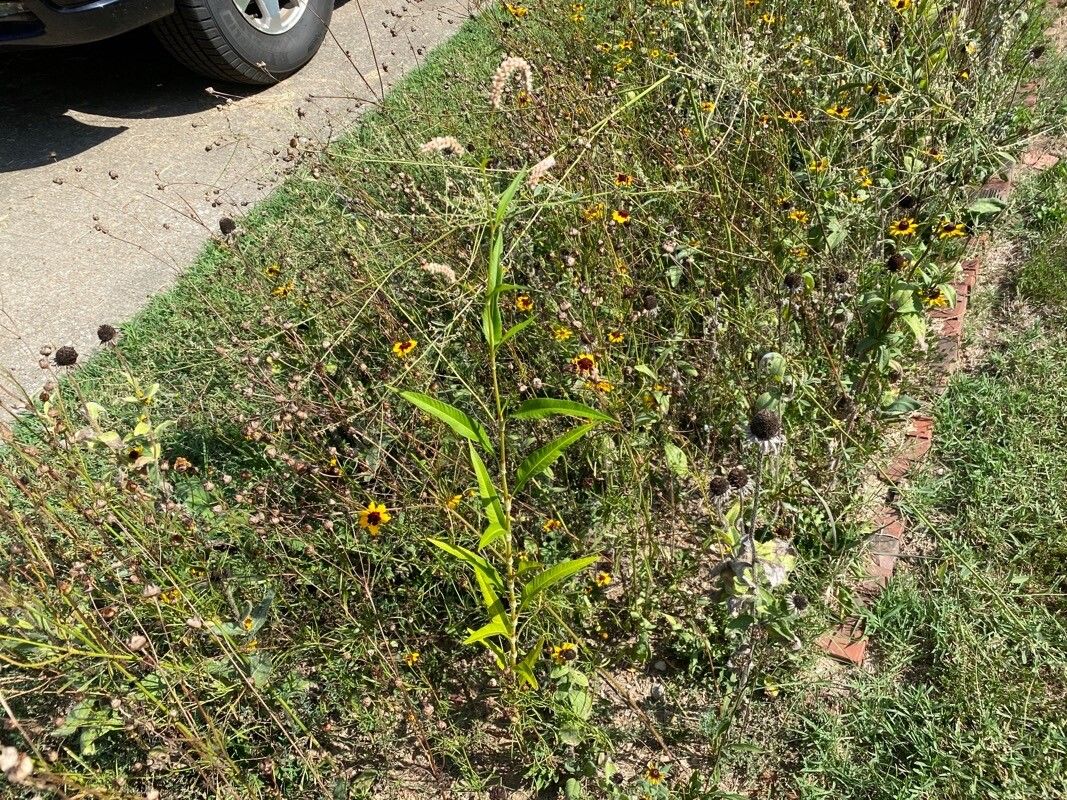
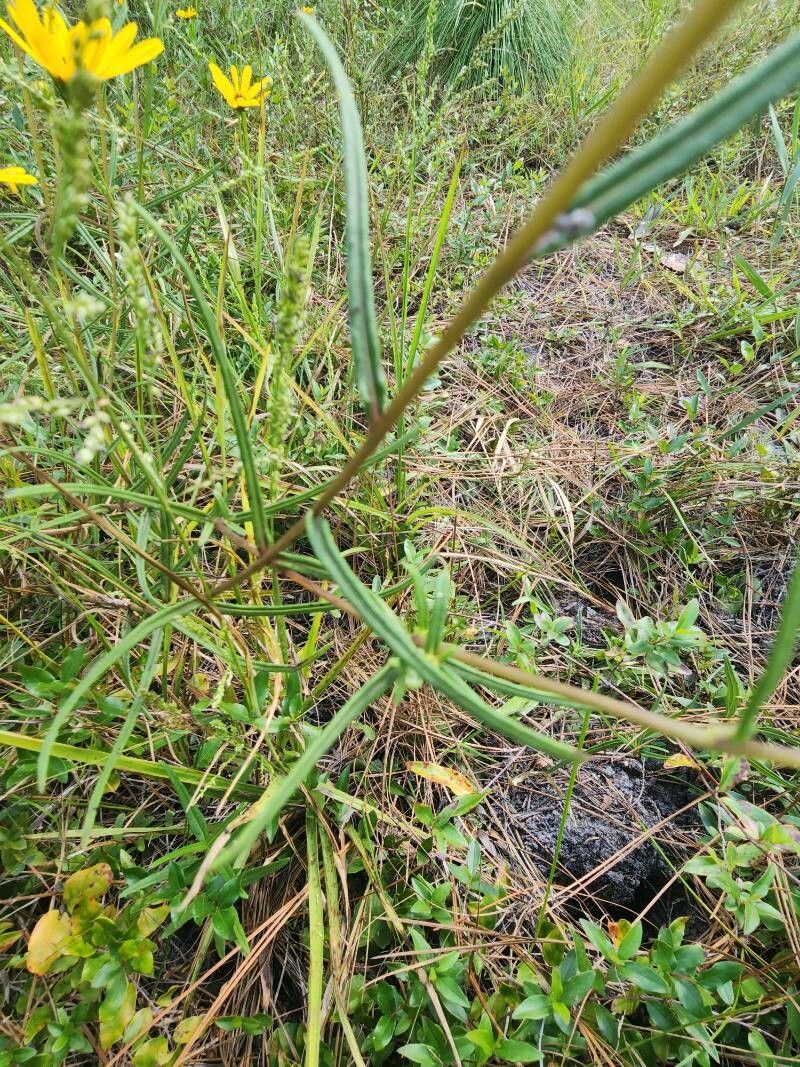
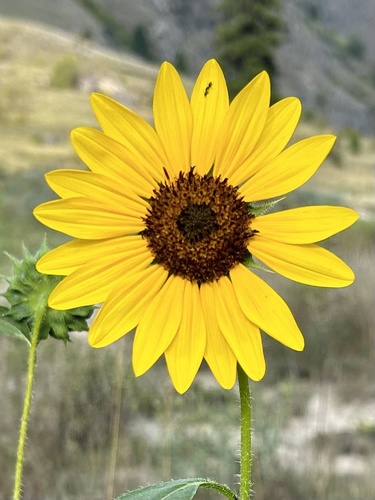
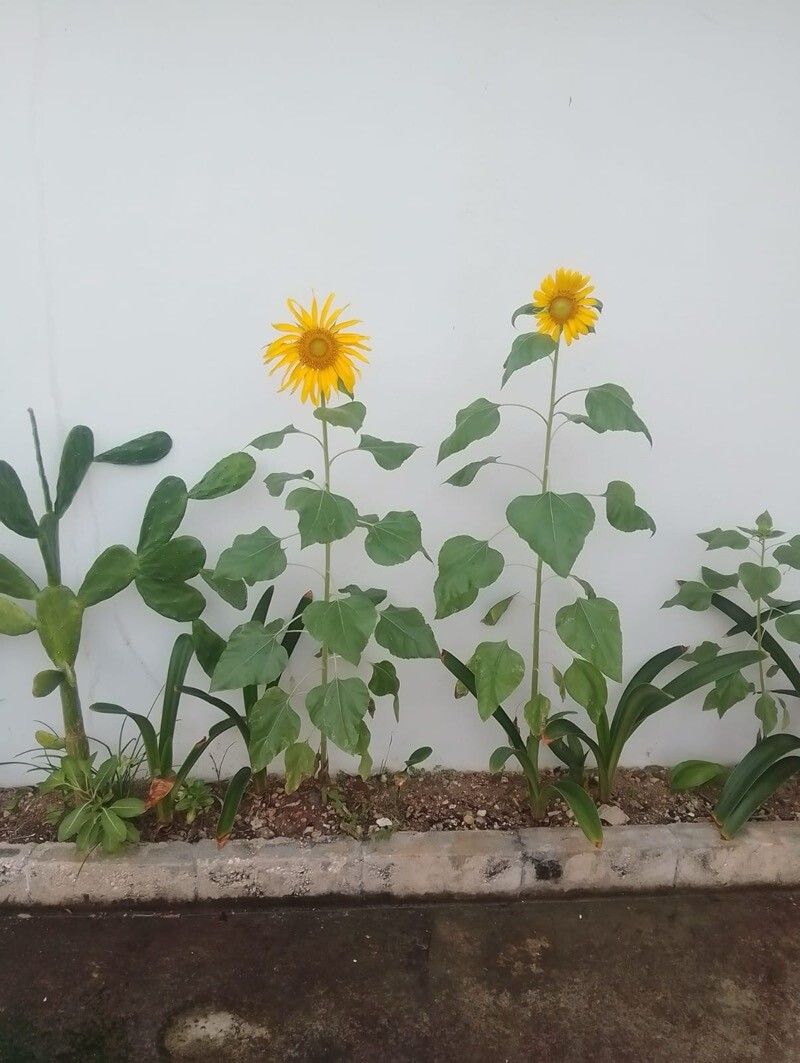
Helianthus ciliaris, commonly known as Texas blueweed or annual sunflower, is a flowering plant species within the Asteraceae family. Native to North America, it is found in various regions of Mexico and the United States.
The plant typically grows to a height of 1 to 2 meters, featuring a single stem with numerous branches that bear yellow flowers with dark centers. Its leaves are alternate, lanceolate, or ovate in shape and have serrated edges.
Helianthus ciliaris prefers well-drained soils rich in nutrients but can also tolerate less fertile soils. It thrives best under full sun exposure, though it can grow in partial shade as well.
This plant has multiple uses. It serves as forage for livestock grazing due to its high protein content and is used for soil stabilization thanks to its deep root system, which helps prevent soil erosion.
Additionally, Helianthus ciliaris has medicinal properties, offering anti-inflammatory effects for skin conditions such as eczema and psoriasis. It is also used traditionally by Native Americans to treat respiratory ailments like coughs and colds.
Overall, Helianthus ciliaris is an important species both ecologically and economically due to its various applications.
How to keep Helianthus Ciliaris.
Water
Texas blueweed needs careful water management at every growth stage. During sowing and transplanting, the soil should remain moist. Adequate hydration is essential during the seedling and blooming phases, as well. While drought conditions can promote root growth, too much moisture may lead to yellowing leaves. For potted plants, it is crucial to water them on time.
Fertilizer
For potted Texas blueweed, apply liquid or compound fertilizer every 7-10 days. Focus on providing nitrogen during the seedling growth stage and switch to phosphate and potassium as the plant begins to bud. In gardens, fertilization isn't needed if the soil is already fertile. However, if you choose to fertilize, start with nitrogen initially, then use phosphate and potassium later on. Apply the fertilizer every 20 days, with extra doses before the plant begins to bloom.
Pruning
To promote healthy growth in Texas blueweed, it is important to prune it in early spring. Key techniques for successful pruning include removing dead stems and thinning out overcrowded areas to improve air circulation. Regular pruning not only enhances blooming but also helps control its invasive tendencies, resulting in a more attractive plant appearance.
Botanical profile.
- Life Cycle
- Perennial
- Genus
- Helianthus
- Family
- Asteraceae
- Mature Height
- 30 cm to 91 cm
Other names.
Reader questions.
What are the sunlight requirements for Texas blueweed?
Texas blueweed, also known by its botanical name Helianthus ciliaris, thrives in conditions with varying amounts of sunlight. It requires full sun, which means it needs more than 6 hours of sunlight daily, to flourish optimally. There's also the possibility for it to grow in partial sun, defined as about 3-6 hours of sunlight each day. It's important to observe the movement of sunlight through your garden to ensure you find a spot that provides the right balance of light and shade to meet the plant's needs. This careful consideration will help ensure the happiness and health of your Texas blueweed.