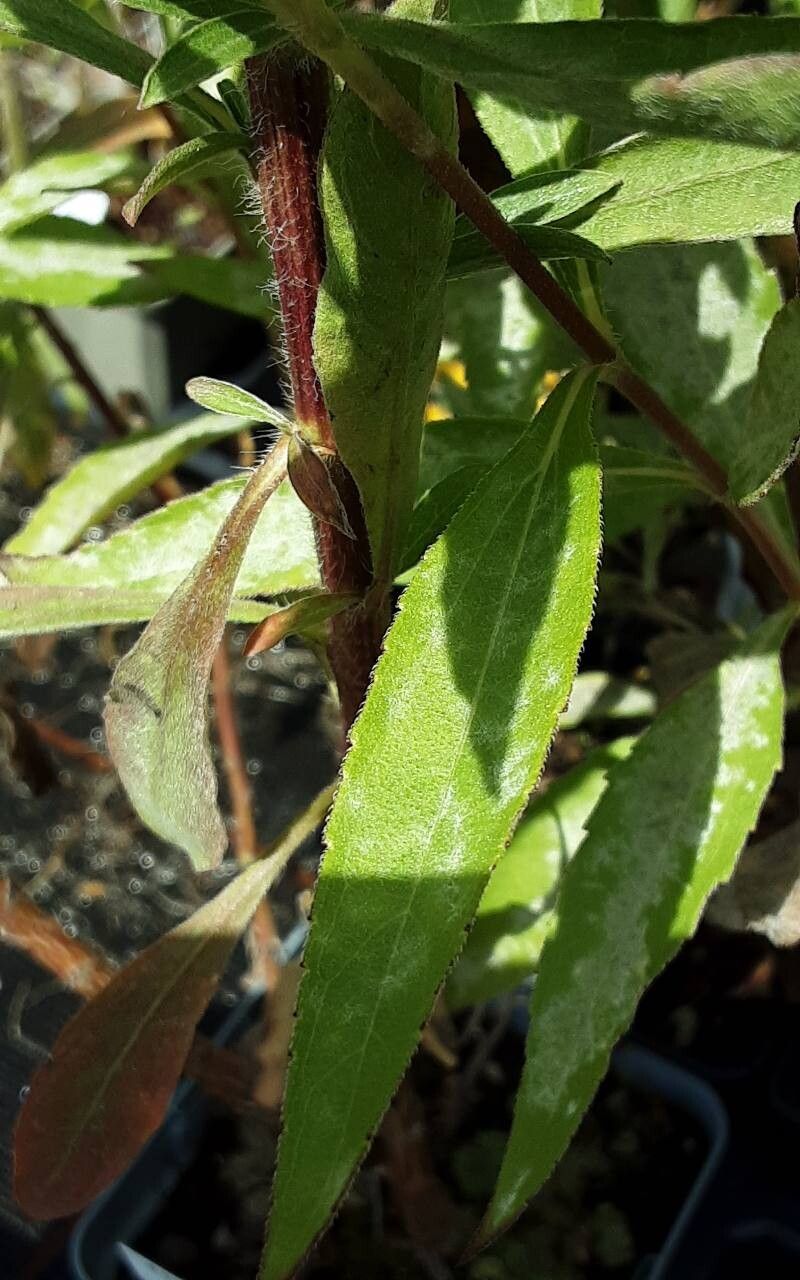
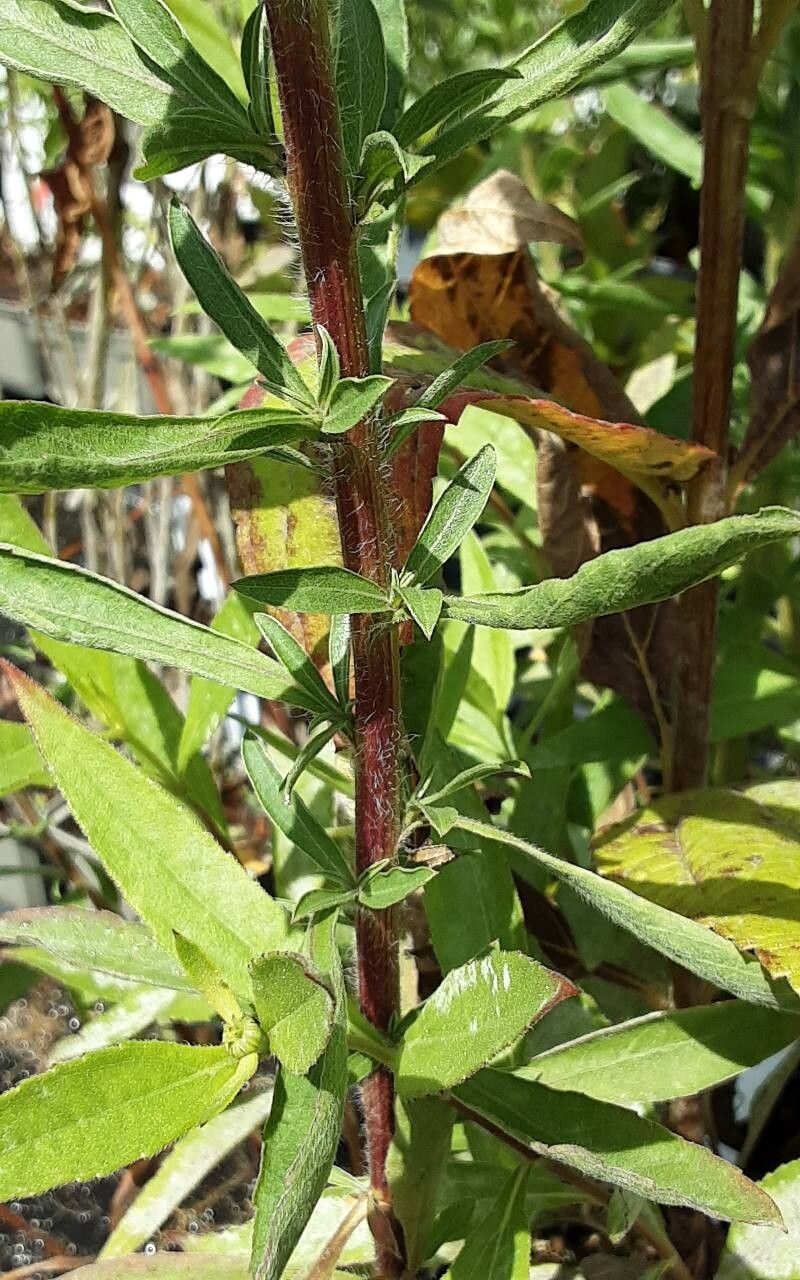
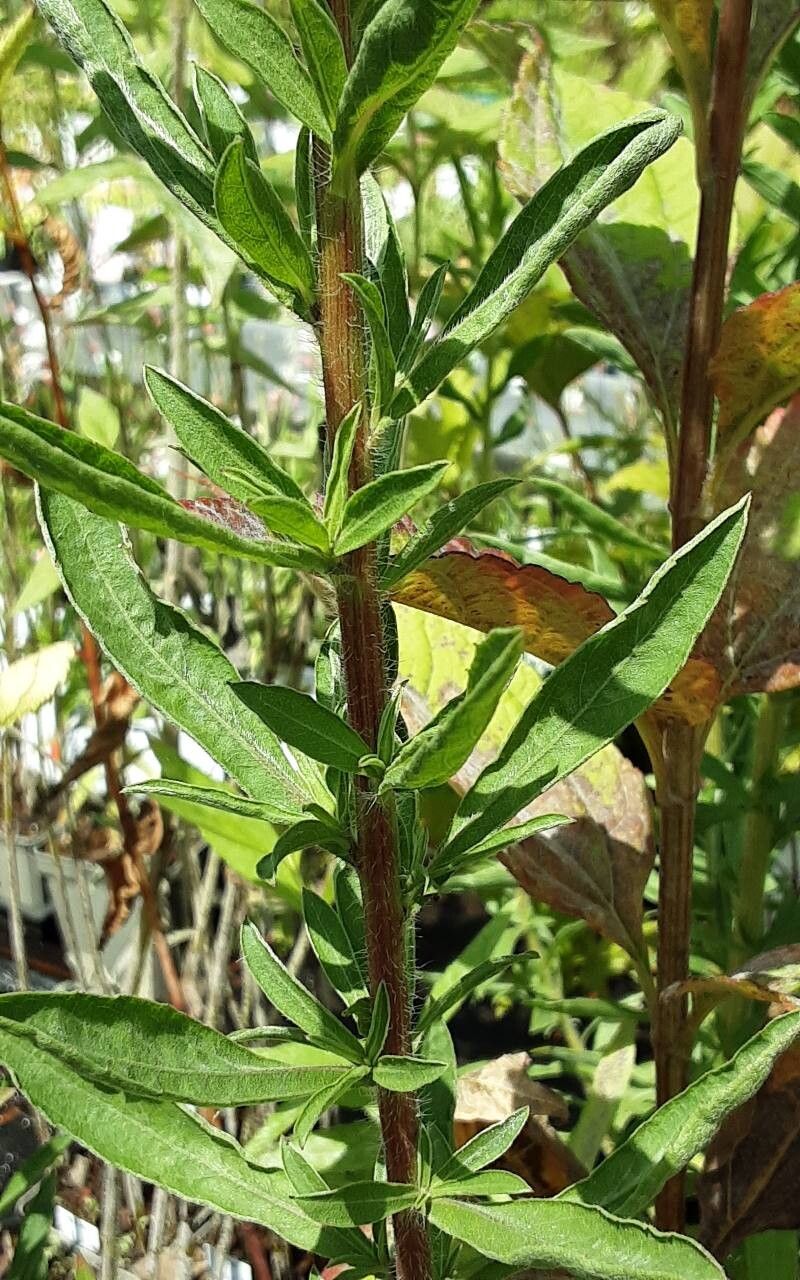
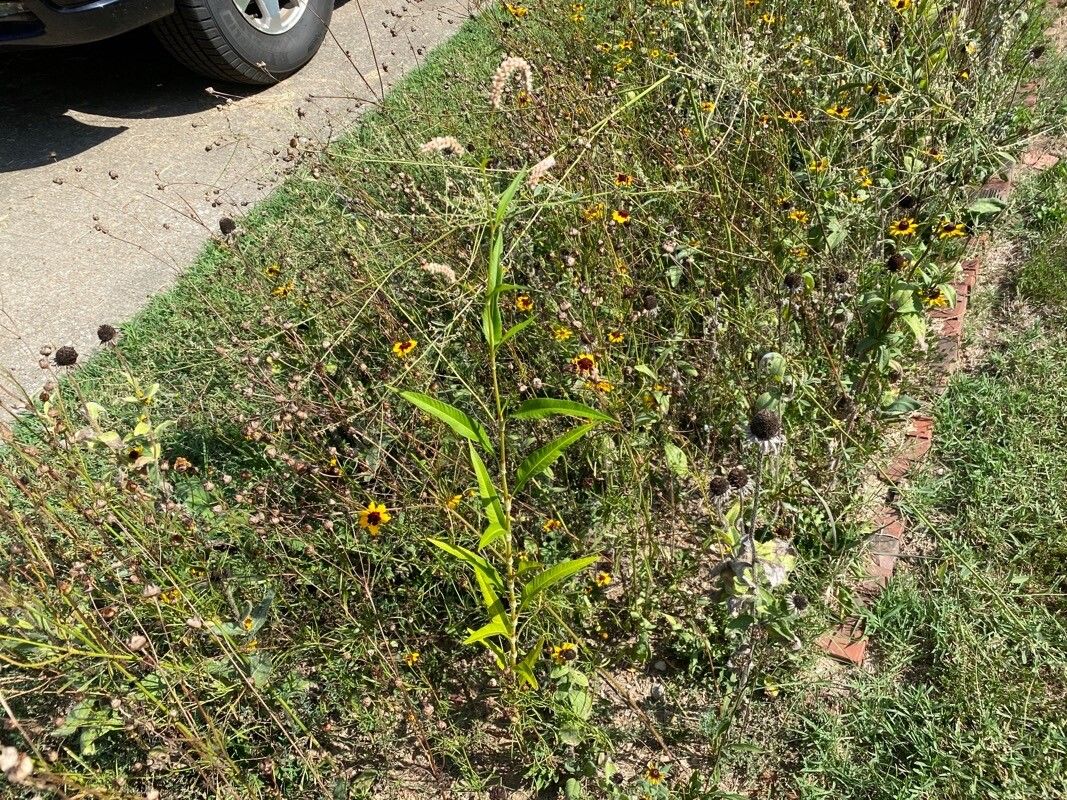
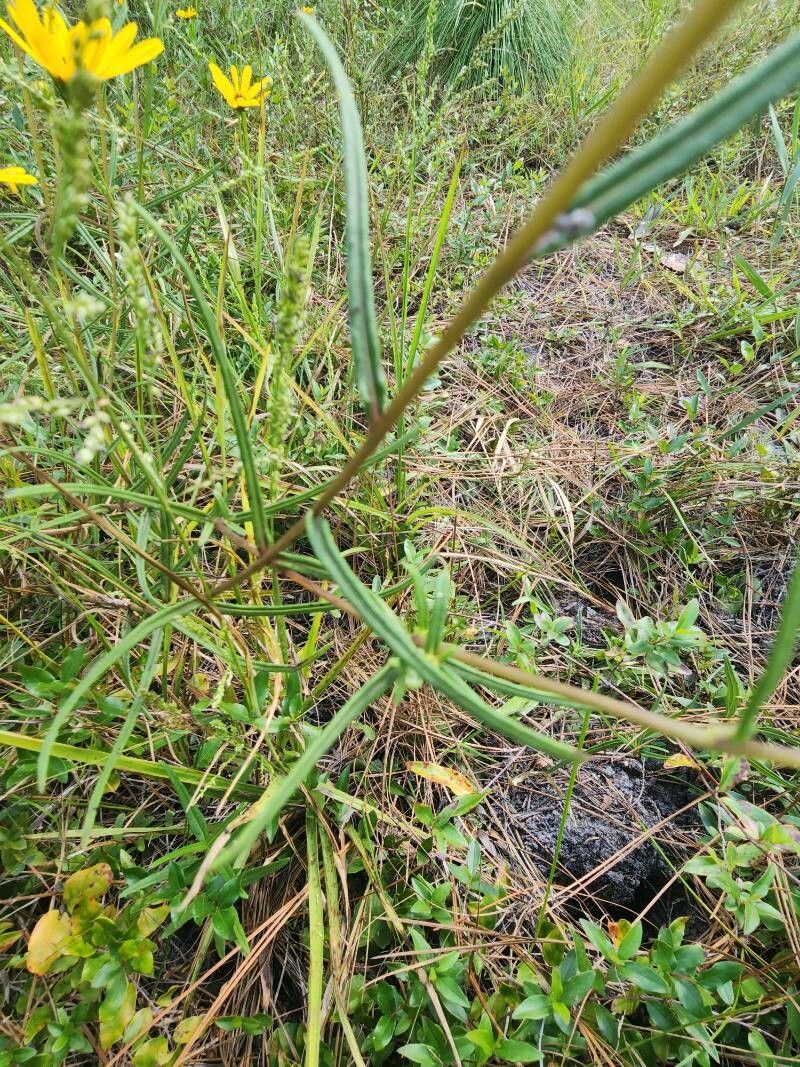
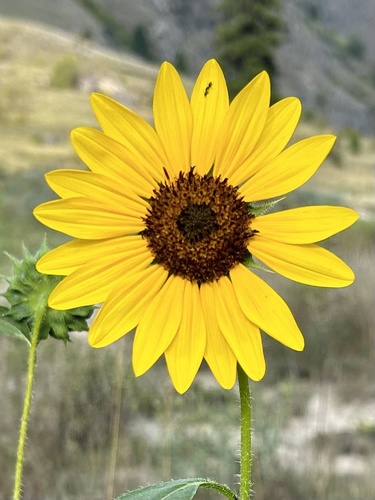
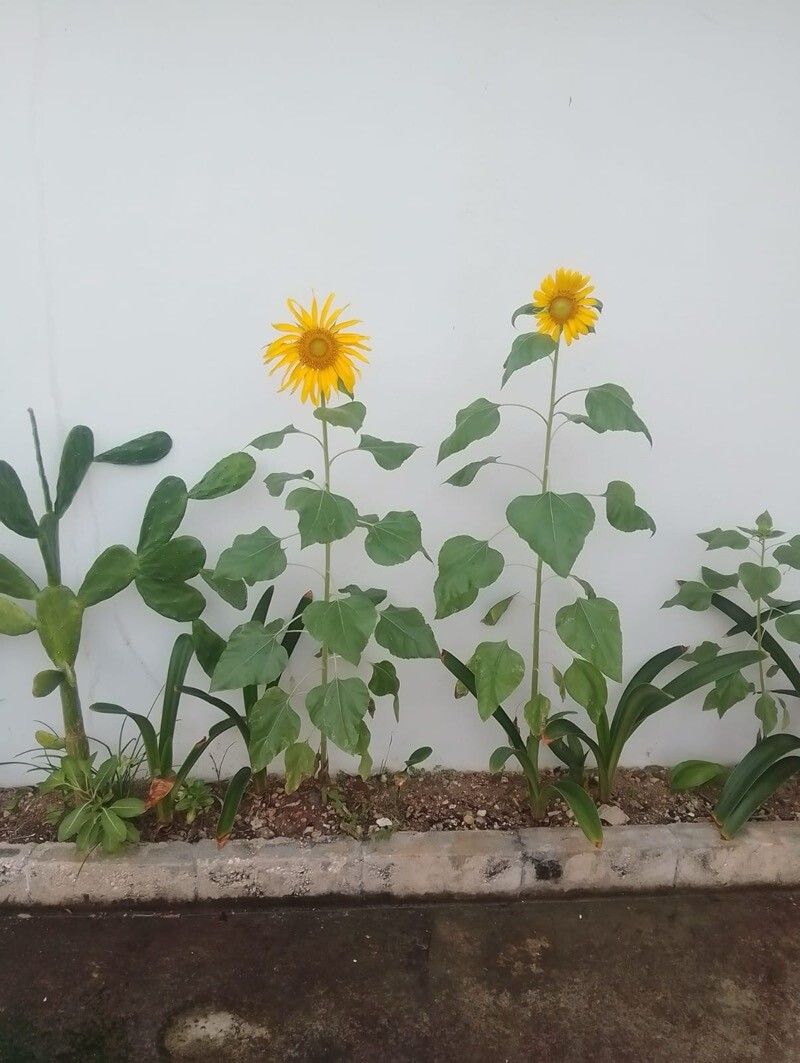
Helianthus microcephalus is a perennial species of Helianthus also known as small woodland sunflower or small-wood sunflower or small-head sunflower or simply as woodland sunflower. It is a native of Northern America, and is to be found growing in open woodlands and along roadsides. It is a host plant for the American painted lady, painted lady, and spring azure butterflies. It is also a larval host plant for the silvery checkerspot butterfly.
The small woodland sunflower is fairly disease-resistant and generally not prone to illness. However, it can be affected by pests and diseases present in its surroundings, and these issues are usually mild. For care, the plant requires moderate maintenance. It should be pruned regularly to preserve a neat appearance and support healthy growth. Fertilizing can also help encourage flowering. The small woodland sunflower is suitable for anyone with outdoor space, such as a garden or patio, and does not demand extensive experience. It may need more care when grown indoors.
How to keep Helianthus Microcephalus.
Light
Small woodland sunflower is a sun-loving, perennial herbaceous plant native to open habitats and commonly found in meadows and grasslands. It prefers full sun but can also tolerate partial sun.
Water
The small woodland sunflower thrives in moist soil, particularly during sowing and transplanting. It requires more water during the seedling stage and its peak blooming period. While drought conditions can promote root growth, it's important to avoid letting the soil become excessively dry. For sunflowers grown in pots, regular watering is crucial to prevent wilting. However, be careful not to overwater, as this can lead to yellowing leaves.
Temperature
Small woodland sunflower can tolerate a wide range of temperatures, but its distribution may still be constrained by different combinations of moisture and heat. It grows best in warm summer climates with sufficient rainfall or watering. Extended periods of cloudy, rainy weather, as well as prolonged high temperatures, can raise the chance of Small woodland sunflower dying. In winter, adequate protection from cold can boost the plant's survival rate.
Fertilizer
The best time to fertilize a Small woodland sunflower is in early spring, as it comes out of dormancy and begins active growth. Fertilization supplies essential nutrients for healthy development. Although the Small woodland sunflower has relatively low fertilizer needs, annual fertilization can improve its survival and encourage better, longer-lasting flowers.
Pruning
The small woodland sunflower flourishes in forested areas, characterized by its petite flower heads. To encourage blooming and maintain the plant's shape, it is best to prune in early spring. During pruning, focus on removing damaged stems and thinning out overcrowded sections to improve airflow. Pruning at the right time helps manage the plant's height and prevent diseases. Be sure to use clean, sharp tools to minimize stress on the plant and promote healthy regrowth.
Botanical profile.
- Plant Type
- Herb
- Life Cycle
- Perennial
- Genus
- Helianthus
- Family
- Asteraceae
- Hardiness Zone
- 4-9
- Mature Height
- 1.22 m to 1.83 m
- Mature Spread
- 61 cm to 91 cm
- Leaf Color
- Green, Dark Green
- Leaf Type
- Semi-evergreen
- Flower Color
- Yellow
- Flower Size
- 2.54 cm to 7.62 cm
- Bloom Time
- Mid summer, Late summer, Early fall
- Planting Time
- Spring, Autumn
- Harvest Time
- Late summer, Early fall, Mid fall
Other names.