Helianthus salicifolius
Willow-leaf sunflower · Willowleaf sunflower
Description
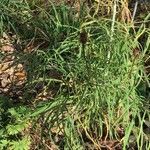
Source: leafsnapHelianthus salicifolius, commonly known as the willow-leaved sunflower, is a perennial plant that belongs to the Asteraceae family. Native to North America, this plant thrives in various habitats, including prairies, meadows, and open woods. It can grow up to 6 feet tall and features narrow leaves that resemble those of a willow tree. The flowers of Helianthus salicifolius are bright yellow with dark centers, blooming from mid-summer to early fall. These nectar-rich blooms attract pollinators such as bees and butterflies. Additionally, the seeds produced by the plant serve as a valuable food source for birds. Helianthus salicifolius is easy to grow, preferring full sun but tolerating some shade. It thrives in well-drained soil but can also adapt to moist conditions. Once established, the plant requires minimal maintenance, though it may need staking if it becomes too tall or top-heavy. Beyond its ornamental appeal, Helianthus salicifolius has medicinal properties, particularly its anti-inflammatory effects, which have traditionally been used to treat various ailments, including fever reduction. Overall, Helianthus salicifolius is an attractive perennial with bright yellow flowers that add color and interest to any garden or landscape. It provides food for pollinators during the growing season and offers medicinal benefits as well.
Care Guide
💧 Water Every 7 days
The willow-leaf sunflower thrives in well-drained soils with consistent moisture, needing weekly watering to grow well. It does not tolerate drought, but natural dew and rain in temperate regions during the peak growing season greatly enhance its growth.
☀️ Light Full sun
Willow-leaf sunflower is a perennial herbaceous plant that favors abundant sunlight and comes from open habitats, often flourishing in meadows and grasslands. It prefers full sun but can also tolerate partial sun.
🌡️ Temperature 5–35°C
Willow-leaf sunflower can tolerate a broad range of temperatures, but its range may still be constrained by various combinations of moisture and heat. It performs best in warm summer conditions with sufficient rainfall or regular watering. Extended periods of cloudy, rainy weather or prolonged high temperatures can raise the risk of Willow-leaf sunflower dying. In winter, protecting the plant from cold can increase its chances of survival.
💨 Humidity
🪴 Soil 6-8
🌱 Fertilizer
The best time to fertilize a Willow-leaf sunflower is in early spring, as it comes out of dormancy and begins active growth. Fertilization supplies essential nutrients for healthy development. Although a Willow-leaf sunflower has relatively low fertilizer needs, fertilizing once a year can improve its survival and encourage better, longer-lasting flowers.
🪴 Pot & Repot Every 12 months
✂️ Pruning
The willow-leaf sunflower features slender leaves and striking yellow flowers. To maintain its health and encourage abundant blooms, prune the plant from early to late spring. This will help remove dead stems, shape the plant, and promote healthy growth. Regular pruning also helps manage the plant's height and encourages the development of stronger stems.
🌿 Propagating
🐛 Diseases & pets
☠️ Toxicity
Characteristics
- Plant Type
- Herb
- Life Cycle
- Perennial
- Genus
- Helianthus
- Family
- Asteraceae
- Hardiness Zone
- 4-9
- Mature Height
- 2.44 m to 3.05 m
- Mature Spread
- 91 cm
- Leaf Color
- Green
- Leaf Type
- Deciduous
- Flower Color
- Yellow, Gold
- Flower Size
- 5.08 cm to 6.35 cm
- Bloom Time
- Late summer, Early fall, Mid fall
- Planting Time
- Spring, Summer
- Harvest Time
- Mid fall, Late fall