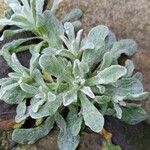
Helichrysum luteoalbum
Jersey cudweed · Weedy Cudweed · Jersey Rabbit-Tobacco · Daisy · Red-tip rabbit tobacco
Description
Source: leafsnapHelichrysum luteoalbum, commonly known as the Yellow-white Everlasting or Strawflower, is a perennial plant in the Asteraceae family. Native to the Mediterranean region, it thrives in various habitats such as rocky slopes, dry meadows, and open woodlands. This plant can grow up to 60 cm tall and features a woody stem with numerous branches. Its leaves are narrow, elongated, and grayish-green. The small yet abundant flowers have yellow centers surrounded by white or yellow petals that resemble straw. Helichrysum luteoalbum has been used for medicinal purposes for centuries, primarily due to its anti-inflammatory properties. It is also valued in cosmetics for its skin-soothing effects. The plant prefers well-drained soil and full sun exposure, although it can tolerate some shade. It blooms from mid-summer to fall, attracting bees, butterflies, and other pollinators. Overall, Helichrysum luteoalbum is an attractive perennial that adds color to any garden while also offering medicinal benefits, making it an excellent choice for both aesthetic and practical purposes.
Care Guide
💧 Water Every 7 days
Jersey cudweed is a resilient plant that flourishes in dry, open areas. It requires very little moisture and has excellent drought tolerance. Watering it once a week is ideal to avoid over-saturating the soil. Primarily an outdoor plant, Jersey cudweed is well-suited for xeriscaping in a variety of climates.
How should I water my Jersey cudweed?
There are several options for watering Jersey cudweed. You can use a garden hose with a spray nozzle, a watering can, or any other common watering tool. This plant is not too particular about the type of water it receives - rainwater, tap water, or filtered water will suffice. However, it is important to avoid watering from overhead as this can harm the leaves and flowers and potentially lead to disease. A drip irrigation system is often the best choice for watering Jersey cudweed, as it provides even and direct water to the soil. If you have a container-grown Jersey cudweed, you can follow a similar watering approach using a cup, watering can, or tap to water the soil directly.
What should I do if I give too much or too little water to my Jersey cudweed plant?
To avoid underwatering your Jersey cudweed, increase the frequency of watering when you notice it lacks moisture. On the other hand, overwatering can be more serious, as it can lead to diseases and eventual death of the plant. Prevent this by choosing a suitable location with ample sunlight to dry the soil and proper drainage to prevent water from accumulating. If you overwater your potted Jersey cudweed, consider changing to a new pot with better soil drainage and enough drainage holes. When repotting, use loose soils and an efficiently draining pot.
How often do I need to water my Jersey cudweed?
Jersey cudweed requires regular watering during the growing season. In the spring, aim to water it once a week. As the season progresses and temperatures rise, you may need to increase watering to two or three times per week. However, overwatering can harm the plant, so be careful not to exceed this rate. It's important to keep the soil moist but not wet, regardless of how often you water. Watering Jersey cudweed in a pot is slightly different. Potted plants tend to dry out faster than those in the ground, so you'll likely need to water them more frequently. In most cases, water a container-grown Jersey cudweed a few times per week, compared to just once per week for a plant in the ground.
How much water does my Jersey cudweed plant need?
There are a few ways to determine how much water your Jersey cudweed needs. One method is to feel the soil for moisture and water until the top six inches are moist. Another option is to use a measurement, like two gallons per week, adjusting based on heat and soil dryness. However, following strict guidelines may overwater the plant if it needs less. When growing in a container, moisten all dry soil layers or check with finger for moisture. Excess water should trickle out of the drainage holes.
How do I know if I'm giving enough water to my Jersey cudweed plant?
Avoiding overwatering your Jersey cudweed can be challenging due to its deep roots that need weekly soil moisture. However, these plants are highly prone to root rot and browning when overwatered. Underwatering is less likely to be an issue as Jersey cudweed can survive without much watering. However, prolonged periods without water may cause wilting and dry leaves.
☀️ Light Full sun
Jersey cudweed thrives with plenty of sunlight, though it can also tolerate dimmer conditions. It is adapted to environments where light is abundant and steady. Excessive or insufficient sunlight can affect its healthy growth, changing its natural color and development.
How many hours of sunlight does Jersey cudweed need each day to grow well?
To ensure optimal growth and survival, it is crucial to provide the plants with a minimum of 6 to 8 hours of sunlight each day. Ideally, the plants should receive more exposure to morning light, especially during the summer months. The Jersey cudweed, in particular, thrives in full sun and benefits from as much sunlight as possible. Expanding their access to light enables these species to produce more food, display vibrant blooms, and endure environmental conditions more effectively.
What kind of sunlight does Jersey cudweed require?
The Jersey cudweed thrives in full sunlight and needs equal sun exposure. Avoid overcrowding them so they can soak up the sun evenly. Be sure not to deprive the leaves of sunlight. If you are planting them in pots, place them in windows that receive direct sunlight all year round. Partial or filtered light won't help them grow strong stems and healthy flowers. The Jersey cudweed should be constantly exposed to the sun for best results.
Does sunlight harm plants? How can I keep Jersey cudweed safe from sun and heat damage?
When the temperature rises above 90℉(32℃), the Jersey cudweed can be damaged by extreme temperatures, especially when exposed to many hours of sun. It is best to provide some shade in the afternoon during the summer, as sunlight is stronger and exposure is 50% longer than in the winter. If the Jersey cudweed is stressed from sunlight, keep it well hydrated by watering when the top of the soil is about 2 inches dry. If it's too hot outside, consider moving the plants indoors, particularly if they are in containers. While wilted leaves during the day are normal and can recover at night, persistent drooping indicates rapid water loss and the need for watering.
Do I need to keep Jersey cudweed out of the sun?
The Jersey cudweed is not affected negatively by sunlight and in fact benefits from it, even exhibiting heliotropic behavior in some species. For optimal growth, it is recommended to plant them in south-facing gardens, allowing them to be exposed to sunlight from morning to afternoon. However, care should be taken as some plants may experience sunburn. To protect them from the intense afternoon and midday sun, offering shade from a tree or a wall can be beneficial. It is not advisable to grow the Jersey cudweed in shady areas as it requires a significant amount of energy to grow and produce its larger flowers. Therefore, it is crucial to provide appropriate lighting conditions and place them in an area with full sun to achieve the best results.
What happens if Jersey cudweed doesn't get enough sunlight?
If the Jersey cudweed doesn't receive enough sunlight, its photosynthesis will slow down. The stems may become leggy as they stretch in search of more sunlight, resulting in them becoming thin and long. In shady conditions, the plant will not bloom or produce seeds. Insufficient sunlight can also cause older leaves to die off, while the new foliage will be lighter in color and smaller in size. Although the Jersey cudweed thrives in sunny locations, it can wilt under excessive heat and ultraviolet light during the summer. It is advisable to protect the plant by covering it with a green shade net to prevent leaf and flower scorching. If the plant is indoors, use a fan to reduce the heat.
🌡️ Temperature 5–35°C
Jersey cudweed is a plant that prospers in its native temperate environment where temperatures range from 68 to 95 °F (20 to 35 ℃). It should be kept within this temperature band to thrive. Seasonal adjustments might be necessary in climates that are hotter or colder.
What is the best temperature for Jersey cudweed?
The best temperature for Jersey cudweed depends on the time of year. Let's discuss the temperature preferences for two different seasons: the growing season and the dormancy season. During the growing season, which starts when Jersey cudweed begins to sprout, it thrives in temperatures ranging from 65 to 80℉ (18 to 27℃). If the temperature drops below 15℉ (-10℃), the plant may suffer with browning and wilting leaves. However, if it's only a short cold snap, the plant may survive with some assistance. In the warmer parts of the year, it's important to protect Jersey cudweed from temperatures that are too high. The top end of this plant's temperature range is 95-105℉ (35-40℃), and anything above that can harm the foliage and blooms. Hotter temperatures can cause wilting, drooping, and sunburn on the leaves, which can be challenging for Jersey cudweed to recover from. Fortunately, there are several quick and easy ways to combat these temperature issues.
First year or young Jersey cudweed needs specific temperature conditions.
If this is the first year you have your Jersey cudweed outside as a new plant, it may need extra care during the coldest months. Frost can seriously damage a first-year Jersey cudweed and prevent it from growing back healthy in the spring. To prevent this, make sure the temperature around the plant stays above 40℉(5℃) before it's fully established. You can achieve this by bringing the plant indoors for a month or two or protecting it with mulch or fabric barriers. During the first year or two, it's also recommended to plant the Jersey cudweed in a shadier area. Smaller and weaker plants have more difficulty regulating their temperature in hot weather, so it's best to limit their exposure to direct sunlight to no more than five hours per day. This is especially important if the temperature rises above 80℉(27℃). To keep them cool in the summer, use shadecloth and water or mist the plants regularly.
How can I keep Jersey cudweed safe from really hot or really cold weather?
During the growing season, if temperatures drop below 15℉(-10℃), there are ways to protect Jersey cudweed from frost or cold damage. If you're growing it in a container, simply bring the container indoors in bright, indirect light until temperatures rise above the lower threshold again. If it's planted in the ground, you can use mulch or horticultural fabric to create an insulated barrier around the plant, shielding it from frost and cold wind. On the other hand, if temperatures go above 80℉(27℃) during the day, it's important to limit the amount of sunlight Jersey cudweed is exposed to. Preferably, only allow it to receive six hours or less of sunlight per day, with a preference for morning hours. Installing shade cloth or a fine plastic mesh can reduce direct sunlight during the hottest parts of the day. Another option is to set up a misting system that releases cooling mist around the plant's base during the day, thereby lowering ground temperatures.
The best temperatures for Jersey cudweed during the dormant season.
During the cold winter months, Jersey cudweed needs a certain level of cold to remain dormant until it's time to sprout. If it sprouts too early before the last frost has passed, it can be fatal, especially if it has already started growing. Ideally, winter temperatures should stay below 32℉(0℃), but if they reach 40℉(5℃), it will be okay. However, in more temperate climates like woodland rainforests, there may be unexpected warm spells that cause Jersey cudweed to sprout prematurely. If frost is still likely, you can protect the new sprout by covering it with clear plastic on stakes. This cover can be removed once the risk of frost has passed. While Jersey cudweed may sometimes be able to sprout at the right time naturally, using this method increases the chances of a successful second sprouting.
💨 Humidity
🪴 Soil 6-7
🌱 Fertilizer
Jersey cudweed benefits from regular, dilute fertilizer applications to encourage healthy leaf development. You should apply fertilizer about once a month during the summer. Nitrogen is important for the foliage, and supplying nitrogen-rich sources helps Jersey cudweed thrive.
🪴 Pot & Repot
✂️ Pruning
Jersey cudweed is a low-growing perennial herb characterized by its slender stems and woolly leaves. To promote growth and maintain its shape, prune the plant in early to late spring. Be sure to remove any dead stems and overcrowded areas. Use clean, sharp tools to prevent infection and encourage blooming.
🌿 Propagating
🐛 Diseases & pets
☠️ Toxicity
Characteristics
- Plant Type
- Herb
- Life Cycle
- Annual, Biennial
- Genus
- Helichrysum
- Family
- Compositae
- Hardiness Zone
- 5-9
- Mature Height
- 61 cm
- Mature Spread
- 30 cm
- Leaf Color
- Green
- Leaf Type
- Semi-evergreen
- Flower Color
- White, Yellow
- Flower Size
- 2.54 cm
- Bloom Time
- Early summer, Mid summer
- Planting Time
- Spring
- Harvest Time
- Mid summer
- Native Area
- Burkina Faso, Libya, India, Turkey, Sweden, Slovakia, Madagascar, Montenegro, Pakistan, Slovenia, Croatia, Morocco, Belarus, Benin, Germany, Indonesia, Cameroon, Ethiopia, Romania, Belgium, Moldova, Netherlands, Central African Republic, Portugal, Saudi Arabia, Tunisia, Philippines, Bulgaria, Bangladesh, Laos, Cyprus, Turkmenistan, Ukraine, New Zealand, Chad, China, Lebanon, Afghanistan, Syria, Italy, Kazakhstan, Senegal, Eswatini, Iran, Azerbaijan, Lesotho, Egypt, Angola, Austria, Namibia, Eritrea, Yemen, Zimbabwe, Uzbekistan, Russia, Mali, Iraq, Oman, Qatar, Botswana, France, Tajikistan, Czech Republic, South Africa, Sudan, Mauritania, Zambia, Poland, Greece, Guinea, Serbia, Lithuania, Hungary, Spain, Switzerland, Vietnam, Myanmar, Denmark, Albania, Ireland, United Kingdom, Algeria, Thailand