Helichrysum petiolare
Licorice-plant · Silver-bush Everlasting-flower · Trailing dusty miller · Silver-bush Everlastingflower · Liquorice plant
Description
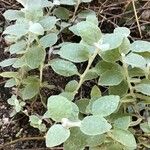
Source: leafsnapHelichrysum petiolare, commonly known as the Licorice Plant, is a perennial herbaceous plant belonging to the Asteraceae family. Native to South Africa, it is widely cultivated as an ornamental addition to gardens and landscapes. This plant has a trailing growth habit, featuring soft, velvety leaves that are silver-gray in color and emit a distinct licorice scent when crushed. The Licorice Plant typically grows up to 30 cm tall and can spread up to 60 cm wide. It produces small yellow flowers that bloom from summer through fall, though these flowers are less significant compared to the plant’s striking foliage. Helichrysum petiolare thrives in well-drained soil with moderate moisture levels but is capable of tolerating drought conditions once established. It prefers full sun or partial shade and benefits from cooler temperatures during hot summer months. The Licorice Plant is versatile and can be used as an ornamental ground cover or a container plant, thanks to its trailing habit and attractive foliage. Additionally, its leaves have medicinal uses, such as treating respiratory ailments like coughs, colds, asthma, and bronchitis. Overall, Helichrysum petiolare is an attractive, low-maintenance perennial herbaceous plant with both ornamental and medicinal applications, making it a popular choice for gardeners worldwide.
🌳 The licorice plant is popular in gardens not only for its ornamental silver-grey foliage but also for its lesser-known ability to attract beneficial insects, including pollinators and natural pest predators. Gardeners value the licorice plant for promoting a balanced ecosystem while enhancing the beauty of the landscape.
Care Guide
💧 Water Every 7 days
The licorice plant flourishes in subtropical environments, where it prefers consistent moisture without becoming waterlogged. To keep the plant hydrated, it is best to water it weekly. Being an evergreen, the licorice plant retains its foliage throughout the year. During the growing season, it needs careful attention to support leaf production and maintain its overall health and vitality.
How should I water my Licorice plant?
To ensure excellent root development, consider these watering tips for your plants. Instead of spraying the leaves directly, focus on watering at the base of the plant with a garden hose. If your plants are outdoors and exposed to direct sunlight, keep in mind that the leaves may require more watering. To moisturize the roots, you can use bubblers or soaker hoses. When adding or removing plants, consider using soaker hoses that cover the entire garden or bed, allowing the roots to be deeply saturated. Remember to drain any excess water and wait for the soil to dry before watering again. To prevent diseases, water at ground level rather than spraying the leaves. On sunny days, it may be beneficial to spray the entire bush with water. Regardless of whether your plant is potted or in-ground, please keep in mind that Licorice plants prefer deep watering instead of light sprinkling.
What should I do if I give the Licorice plant too much or too little water?
If you overwater your Licorice plant, you may notice yellowing and wilting leaves, as well as a dull and unhealthy appearance with mushy stems. It's important to adjust your watering schedule to prevent these issues. On the other hand, wilting can also occur if the plant is underwatered, which can cause crispy and dry leaves. In this case, check the soil moisture and give the plant a thorough watering when needed. However, even with enough water, the plant may still have dry, yellow leaves due to root damage. Once the plant returns to normal, the yellowing leaves will stop. Indoors, be cautious of overwatering and look for signs of black spots. If present, allow the soil to dry out for a few days before watering again. Overwatering can lead to root rot, so transfer the plant to a different pot if you notice discolored and slimy roots. When planting outdoors, make sure to check the soil moisture level and water accordingly to promote plant recovery.
How often should I give water to my Licorice plant?
The Licorice plant thrives on deep and infrequent watering. If planted in pots, it is important to soak them in a gallon of water each time due to limited water storage in pots. In cold regions, watering is required every 3 to 5 days. Watering should be done in the morning when the soil is dry, both indoors and outdoors. Checking the soil is a good indicator of when watering is needed - if the top 2-3 inches of soil is dry, it's time for a thorough watering. Hot days may require daily checks as the soil in the pot can dry out quickly. For garden plants, watering once a week is recommended in hot climates. Be cautious not to overwater, especially if there has been ample rainfall. During the growing seasons of spring and fall, outdoor plants benefit from a 3 to 4 inch deep layer of mulch to conserve water. Sandy soil requires more frequent watering, while clay soil can be watered less frequently to avoid root rot. Keeping track of watering dates on a calendar can help ensure consistent care, and drooping leaves may be a sign of overdue watering.
How much water does my Licorice plant need?
The Licorice plant has specific watering needs. When it is in a pot, water it deeply until you see water dripping from the bottom. Then, let the soil dry before watering again. Use a water calculator or moisture meter to track the amount of water you give it each week. During the flowering period, give it plenty of water, but allow the excess moisture to evaporate to prevent root rot. If the Licorice plant is planted outdoors and receives adequate rainfall, it may not need additional watering. However, when it is young or newly planted, make sure it gets 1-2 inches of rain per week. As the plant grows, it can rely on rainfall alone. Only water it during very hot weather or extended periods without rain to prevent heat damage. Additional watering may be necessary during dry spells.
Should I water my Licorice plant more or less depending on the time of year and the weather?
To keep your Licorice plant healthy and thriving, here are some tips for watering. During the spring and fall growing seasons, it's important to keep the soil moist but not soggy. Alternating between dry and moist soil conditions will help the plant grow well. In the summer, hot weather can cause water to evaporate quickly, so if there is a lack of rainfall, you will need to water more frequently to keep the soil moist. During the winter, the Licorice plant needs less water as it drops its leaves and goes dormant. To help the water evaporate quicker, use a well-draining but moisture-retentive soil mixture like terracotta. Most of the time, the plant can rely on fall and winter rains to survive the dormant period, so watering can be skipped. When the temperature becomes warmer in spring, you can cultivate your Licorice plant to encourage growth and blooming. Just ensure that there is good drainage at all times, especially during the winter. If your Licorice plant is in a pot, it has limited root growth, so it needs to be well-watered, especially during summer. Avoid cold and wet roots by providing adequate drainage. When watering, it's best to give the entire root system a deep soak once or twice a week. Shallow sprinkles that reach the leaves encourage fungal growth and don't reach the roots effectively. Even during fall or winter dormancy, don't let the plant dry out completely. Be careful not to overwater the plant, as it doesn't like sitting in water for too long. Poor drainage can be fatal for the plant, especially in winter. Applying mulch can help reduce stress, conserve water, and promote healthy blooms.
☀️ Light Full sun
The licorice plant performs best with ample light, though it will also tolerate moderate sun exposure. Native to regions with strong solar radiation, it can develop problems such as faded color or legginess if it gets too little light, while too much sun can cause leaf scorch.
What are the sunlight requirements for a Licorice plant?
The Licorice plant requires a generous amount of light, thriving in full sun, which is above 6 hours of sunlight per day, but can also grow under partial sun, defined as about 3-6 hours of sunlight. The plant is adaptable to different light conditions but faces growth issues such as color fade or legginess with insufficient light, and leaf scorch with too much. It is crucial to watch how sunlight moves through your garden to ensure plants receive the ideal balance of light and shade.
How can artificial lighting be used for Licorice plants?
When natural sunlight is insufficient, especially in winter or less sunny spaces, artificial lighting can foster optimal growth in Licorice plants. LED lights are recommended as they can provide specific wavelengths needed by the plant, with full sun plants requiring 30-50W/sq ft, partial sun plants needing 20-30W/sq ft, and full shade plants 10-20W/sq ft of artificial light. The light source should be placed 12-36 inches above the plant for 8-12 hours per day to mimic natural daylight hours.
What are some common symptoms of light deficiency in Licorice plants?
Licorice plants with insufficient lighting may exhibit symptoms such as smaller new leaves, leggy or sparse growth, faster leaf drop, halted or no new growth, and lighter-colored or yellow leaves (chlorosis). These symptoms indicate a lack of adequate sunlight which is crucial for the plant's photosynthesis process.
What solutions are there for Licorice plants not getting enough light?
To address light deficiency in Licorice plants, gradually increase their exposure to sunlight by moving them to a sunnier spot each week, aiming for at least 6 hours of direct sunlight daily. For indoor plants, consider using a desk or ceiling lamp for at least 8 hours daily, or invest in professional plant grow lights. If outdoor plants are experiencing too sudden changes in light intensity, it's important to gradually adapt them to prevent sunburn. Any obstructed sunlight can be managed by pruning obstructions like tree branches and, if possible, transplanting smaller plants during their dormant period to a location with ample sunlight and good drainage.
🌡️ Temperature 20–37.8°C
The licorice plant is naturally suited to habitats with temperatures of roughly 68 to 100 °F (20 to 38 °C). It does well in warm conditions and withstands heat effectively. Adjusting temperatures seasonally may be needed to keep it healthy.
What is the optimal temperature range for growing Licorice plants?
Licorice plants are best adapted to warm conditions where the temperature ranges from approximately 68 to 100°F (20 to 38°C). They thrive in these warm temperatures and have a good tolerance for heat. However, they are extremely sensitive to cold temperatures, and special care should be taken during cooler seasons. It is recommended to bring outdoor-grown Licorice plants indoors during autumn and keep them near a bright window, away from direct heat sources, ensuring the temperature remains above 20°C to promote healthy growth.
How should you care for a Licorice plant in low temperatures?
Licorice plants prefer warm temperatures and should be kept above 20°C. They are not tolerant of low temperatures, and it's crucial to keep them above 0°C during winter. Exposure to temperatures below -5°C can cause the leaves to lighten in color, which is a precursor to frost damage, eventually turning the leaves brown or black and leading to wilting and drooping. If frost damage occurs, you should trim off the damaged parts and move the plant to a warm environment indoors, preferably near a south-facing window for ample sunlight. It's important to avoid placing the plant near heaters or air conditioning vents to prevent air dryness.
What measures should be taken for a Licorice plant in high temperatures?
During the summer, it's best to ensure that Licorice plants are kept in conditions where the temperature does not exceed 38°C. Exposure to temperatures above 43°C can make the plant susceptible to sunburn, indicated by a lightening of leaf color. To combat this, trim away any sunburned or dried parts of the plant and relocate it to a shaded area, particularly to avoid the midday and afternoon sun. It's also advisable to water the plant during the morning and evening to help maintain soil moisture and keep the plant hydrated.
💨 Humidity
🪴 Soil 6-7
🌱 Fertilizer
The best time to fertilize a Licorice plant is in early spring as it comes out of dormancy. This promotes overall growth and flower development. Fertilization improves foliage, stems, and branches and encourages large, vibrant, long-lasting flowers. It helps transport nutrients from the roots to the flowers and enhances the plant’s health and resistance to disease.
Why should I add fertilizer to my Licorice plant?
The Licorice plant needs regular fertilization because its showy leaves require a lot of energy to produce and maintain. However, it also needs energy to support the growth of its stems, branches, roots, and other vital structures. Neglecting fertilization can lead to two outcomes. Firstly, the leaves may lose their natural color and texture, making the plant look unhealthy and less appealing. Secondly, the plant's overall growth may slow down or produce weak growth that is susceptible to breakage.
When should I fertilize my Licorice plant?
Licorice plants do not require a set feeding schedule upon planting, as they can benefit from occasional feedings. One simple way to fertilize them is to apply fertilizer during watering sessions. Additionally, during the growing season, Licorice plants need a good amount of water. You can feed them once every two to three weeks, throughout the period of new growth.
When is not a good time to fertilize my Licorice plant?
You can stick to a regular fertilization schedule for your Licorice plant for most of the year. This includes the active growing season of spring, summer, and early fall. However, in winter, it's important not to fertilize the plant. During this time, the Licorice plant goes into a dormant phase where it either doesn't grow or has very minimal growth. With less energy being used during this phase, there's no need for fertilization.
What kind of fertilizer does my Licorice plant require?
When fertilizing a Licorice plant, it is important to use a specific blend of nutrients. These nutrients are present in low amounts and the ideal fertilizer will have a 3-1-2 N-P-K ratio. However, in some cases, a general-purpose fertilizer with an even blend of nutrients can also work well. It is still important to make sure that the ratio number representing the volume of each nutrient is at 3 or lower, even when using a balanced fertilizer. You can choose between a granular or liquid-based fertilizer. If you choose the liquid option, it is recommended to dilute the strength by half. While there is not much downside to using granular fertilizer, it is often more sensible to use liquid fertilizer, especially if you are watering your Licorice plant at the same time.
How do I add plant food to my Licorice plant?
One of the easiest ways to fertilize a Licorice plant is to feed it whenever you water it. You can follow this method: 1. Gather your fertilizer and a water container, like a watering can. 2. Mix the fertilizer with water to dilute it. 3. Pour the diluted fertilizer-water onto the soil, ensuring it soaks down to the roots. Alternatively, you can use a granular fertilizer. Here's what you need to do: 1. Sprinkle some of the granular fertilizer on the soil where your Licorice plant lives. 2. Granular fertilizers are usually slow-release, so you won't need to fertilize as often as with a liquid fertilizer. Remember to water your Licorice plant while feeding it, as it is beneficial for its overall health.
🪴 Pot & Repot 2-3 years
Repot the licorice plant every 2 to 3 years during the spring to promote healthy growth. Choose a slightly larger pot with well-draining soil, and be careful not to water it too deeply to prevent root rot. The licorice plant is easy to care for and can enhance any garden space.
✂️ Pruning
The licorice plant is a perennial known for its silvery foliage and cascading growth habit. To promote new growth and maintain its shape, prune the plant in early spring. Trim any dead stems to encourage denser foliage and improve air circulation. Always use clean, sharp tools to minimize stress on the plant and support healthy regrowth.
🌿 Propagating
🐛 Diseases & pets
☠️ Toxicity
Although your Licorice plant has many known medicinal qualities, often used by Africans, all of its parts are toxic to both humans and animals if ingested. Make sure to plant them in places where they wouldn’t be accessible to kids and animals.
Characteristics
- Plant Type
- Vine, Shrub
- Life Cycle
- Perennial
- Genus
- Helichrysum
- Family
- Asteraceae
- Hardiness Zone
- 9-11
- Mature Height
- 15 cm to 23 cm
- Mature Spread
- 61 cm
- Leaf Color
- Green, Gray, Silver
- Leaf Type
- Evergreen
- Flower Color
- White
- Flower Size
- 2.54 cm
- Bloom Time
- Late spring, Summer
- Planting Time
- Spring, Autumn
- Harvest Time
- Summer
- Native Area
- South Africa