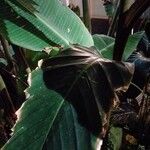
Heliconia metallica
Shining bird of paradise · Shining bird-of-paradise
Care Guide
💧 Water Every week
The Bird of Paradise plant thrives in high humidity and prefers consistent moisture, but it can endure short periods of drought. To keep its vibrant foliage and flowers healthy, water it weekly, especially during its active growth phase. Typically grown outdoors as an evergreen, this plant benefits from regular watering to maintain optimal health.
How should I water my Shining bird of paradise plant in the best way?
To properly water the Shining bird of paradise, it is recommended to use filtered water at room temperature. Tap water may contain harmful particles, so filtering it is preferable. Additionally, since the Shining bird of paradise is accustomed to warm environments, it is essential to avoid using cold water as it might shock the plant. Furthermore, overhead watering should be avoided as it can lead to issues with the foliage. Instead, carefully apply the filtered room temperature water directly to the soil until it becomes completely saturated. Doing so benefits the plant by keeping the roots moist and allowing them to spread and absorb the necessary nutrients from the soil.
What do I need to do if I give too much or too little water to my Shining bird of paradise?
Overwatering can be harmful to your Shining bird of paradise, and it is a more common issue than underwatering. When this plant receives too much water, its stems and leaves may wilt and turn yellow. Overwatering for a long time can also lead to diseases like root rot, mold, and mildew, which can kill the plant. Underwatering is less common for this plant because it has decent drought tolerance, but it is still possible. When underwatering occurs, the leaves of the Shining bird of paradise may become brittle and brown. To take care of your Shining bird of paradise, it is important to recognize the signs of overwatering early. Some diseases caused by overwatering may not be curable if you wait too long. If you notice early signs, reduce your watering immediately. Check the soil quality and replace it with a loose, well-draining potting mix if it drains poorly. If you notice signs of underwatering, increase your watering schedule until those signs go away.
How frequently should I give water to my Shining bird of paradise?
If your Shining bird of paradise is in a pot, you can determine if it needs water by putting your finger in the soil. If the top two to three inches are dry, it's time to water it. If you have it planted outdoors, you can use the same method to check the soil. In the spring and early fall, you'll generally need to water it once a week. During hot weather, you may need to water it twice or more per week. However, mature Shining bird of paradise plants are quite resilient and can tolerate drought well.
How much water does my Shining bird of paradise require?
When watering your Shining bird of paradise, be generous with the amount of water you give. Wait for the top few inches of soil to dry out before watering, then thoroughly soak the soil. Make sure to add enough water for it to flow out of the drainage holes at the bottom of the pot. If you don't see excess water draining, you may not have given enough water. However, be careful not to let the water accumulate inside the soil as this can harm the plant. If there is no water draining from the pot, it could indicate that the soil is not draining well, which is bad for the plant's health. If the plant is outside, 1 inch of rain per week should be enough.
How do I water my Shining bird of paradise as it grows?
The water needs of the Shining bird of paradise can vary depending on growth stages. When the plant is young or newly transplanted, it requires more water to support root development. As the roots grow, they need more moisture to thrive. However, as the plant matures over a few seasons, it will require less water. Another stage when the plant needs more water is during blooming, as the flowers need a significant amount of moisture. Therefore, at this time, you may need to provide extra water to your Shining bird of paradise.
☀️ Light Full sun
The shining bird of paradise grows best in bright, direct sunlight. It can also tolerate partial shade. However, insufficient light can hinder its growth. Originating from sunny habitats, too much exposure may scorch its leaves, while too little light produces leggy growth and less vivid coloration.
How much sunlight does the Shining bird of paradise need to grow?
The Shining bird of paradise requires six to eight hours of direct sunlight per day. If growing outdoors, choose a spot with full sunlight. When growing indoors, place the plant near a south-facing window or another sunny location. However, avoid direct sunlight during high temperatures or hot afternoons as it can harm the leaves. To mitigate this, use sheer curtains or blinds or move the plant to a shadier area.
What will happen if a shiny bird of paradise doesn't get enough sunlight?
Insufficient sunlight can hinder the growth of your Shining bird of paradise, causing it to become weak and leggy. If the plant lacks enough sunlight, its leaves may appear yellow as a result of insufficient chlorophyll production. In severe instances, the plant may ultimately perish.
What will happen if the Shining bird of paradise get too much sunlight?
The Shining bird of paradise plant requires full sunlight, but it's important to prevent overexposure to direct sunlight. If the plant is exposed to intense sunlight for too long, it may develop sunburn symptoms, like brown or scorched leaves. To prevent this, keep an eye on the plant and relocate it to a shadier area if needed.
🌡️ Temperature 20–37.8°C
The shining bird of paradise comes from regions where temperatures commonly range from 68 to 100 °F (20 to 38 ℃). It does best in warm, consistent conditions. Seasonal changes are generally unnecessary, although using indoor heating in winter can be helpful.
What temperature is best for the Shining bird of paradise?
To help your tropical plants thrive, it's best to maintain a temperature range of 75℉ to 90℉ (25-32℃). While different species can tolerate temperatures outside this range, sticking within a few degrees of these limits will ensure optimal growth. However, there are extreme temperature limits to be aware of. Anything below 50℉ (10℃) or above 95℉ (35℃) can hinder growth and cause issues with the leaves and stems. Low temperatures are particularly damaging, as even a light frost can lead to the death of your tropical plants. In fact, cellular death can occur rapidly, with some species dying within 12 to 24 hours.
Does the bird of paradise need different temperatures for different stages of growth?
While the Shining bird of paradise does not need temperature changes to transition between growing phases, it is important to maintain consistency. Fluctuations in temperature can slow down its growth, regardless of the current phase. Therefore, it is best to keep the plant in a controlled environment. Maintaining an optimal temperature range between 75℉ and 90℉ (25-32℃) is crucial, with a focus on staying above the lower limit. While temperatures above 90℉ (32℃) are not ideal, the tropical plant can tolerate them. However, temperatures below 50℉ (10℃), especially 40℉ (5℃), will directly harm this plant species, which thrives in heat.
Does the bird known as the shining bird of paradise require varying temperatures throughout the different seasons?
The shining bird of paradise is not picky about different temperatures for different seasons. The most important thing to do when taking care of it is to maintain a temperature within the optimal range. That's why it's recommended to keep this plant indoors, as you have control over the temperature regardless of the climate outside. When it comes to light, tropical species like these plants prefer partial side sunlight. This means the light they receive should be dappled or filtered, with bright but indirect light being the ideal option when growing them indoors. Too much direct sunlight can harm the plant's leaves and hinder its growth.
What temperatures should you keep your Shining bird of paradise at to keep it healthy?
Here are three tips to help you take care of your plants: 1. Keep your plants away from windows during colder months: Cold air can leak into your home through cracks in the windows, and any plants placed near them will be affected. Move tropical plants to an area with bright but indirect light, while avoiding potential drafts. 2. Watch out for dry patches, which may indicate too much sunlight or heat: If you notice white or scorched leaves, your plant may be getting too much heat or sunlight. This can lead to dehydration and hinder growth. Dry spots can spread and eventually cause your plants to die if left unaddressed. 3. Be cautious of frost: Colder temperatures and frost can damage plants by disrupting their water circulation. This can lead to a lack of moisture in the stems and leaves. Look out for signs of hydrosis (a water-soaked appearance) and if the issue persists, the plant may shrivel and turn dark brown or black, eventually leading to death.
How can I keep my Shining bird of paradise at the right temperature?
To maintain the right temperature range for Shining bird of paradise, it is important to consider the climate and humidity. Ideally, you should place each species in a room where you can control the temperature, simulating its natural habitat. Additionally, keep an eye on humidity levels, as they affect temperature. To increase humidity, you can use a humidifier or lightly mist the leaves. If you plan to grow this species outdoors, it may be challenging to maintain the right balance. If the temperature drops or the air becomes too dry, it is best to bring your plant inside. Indoors, you have more control over the climate, allowing your plant to thrive.
💨 Humidity
🪴 Soil 5-6
🌱 Fertilizer
Appropriate fertilization is vital for the Shining bird of paradise's health and appearance. Feed the Shining bird of paradise during summer, repeating the treatment monthly throughout the season. Nutrients power growth and help preserve the plant's parts. Fertilizing boosts the Shining bird of paradise's flowering display, ensuring top-quality blooms.
Why should I put fertilizer on my Shining bird of paradise?
Your Shining bird of paradise relies on fertilizer and soil nutrients to fuel its healthy growth. These nutrients found in the soil are used by plants to develop new material and maintain their existing components. In the case of the Shining bird of paradise, fertilization is crucial for the plant to showcase its most magnificent flowers. As the flowers are the main attraction of this plant, most gardeners strive to optimize their appearance. Fertilization is a dependable method to assist your Shining bird of paradise in producing vibrant and beautiful blooms.
What is the best time to add fertilizer to my Shining bird of paradise plant?
The Shining bird of paradise has two main phases each year. The first is the dormant phase during winter, where minimal new growth occurs. The other phase is the active growth phase, happening in spring and fall, when fertilization is most needed. It is recommended to start fertilizing in spring, repeating it once a month throughout spring and summer. As fall approaches, the fertilization rate can be reduced.
When is it a bad idea to fertilize my Shining bird of paradise?
To support the growth of your Shining bird of paradise, it is important to avoid causing root burn. During the spring and summer, when your plant is actively growing, it requires additional nutrients. However, during the fall and winter, when your plant enters its dormancy stage, it is recommended to stop fertilizing.
What kind of fertilizer does my Shining bird of paradise plant need?
To keep your Shining bird of paradise healthy, you should use a well-balanced fertilizer that has slightly more phosphorus. Another option is to enhance the soil by adding organic materials like compost, worm castings, or manure. There are various types of fertilizers available, but the liquid or powdered forms are among the best for your Shining bird of paradise. Regardless of the type you choose, make sure to dilute the fertilizer and apply it while watering your plant.
How should I fertilize my Shining bird of paradise plant?
To apply fertilizer to your Shining bird of paradise, first find a suitable fertilizer and determine the ideal fertilization schedule. Once you have this information, the easiest and most reliable method is to mix the liquid fertilizer with water. Different fertilizers may have specific instructions, so it's best to follow the guidance provided by the manufacturer. These instructions should include how to properly dilute the fertilizer to avoid overfertilization. Mixing the fertilizer with water is a simple process, and then you can easily pour the mixture into the soil where your Shining bird of paradise is located.
🪴 Pot & Repot 2-3 years
Repot the shining bird of paradise every 2 to 3 years during the spring. Use a larger, deep container to support its growth. After repotting, maintain high humidity and provide indirect light, along with warm temperatures. Ensure the soil remains consistently moist to preserve its health and metallic sheen.
✂️ Pruning
To help the bird of paradise plant thrive, it's important to regularly prune it by removing dead leaves and old flower stems. The best time for this is between late winter and early spring, as it promotes healthier foliage and more vibrant blooms. Additionally, thinning the plant helps improve air circulation, which reduces the risk of disease. Always make sure to use clean tools to prevent infections.
🌿 Propagating
🐛 Diseases & pets
☠️ Toxicity
Characteristics
- Plant Type
- Herb
- Life Cycle
- Perennial
- Genus
- Heliconia
- Family
- Heliconiaceae
- Hardiness Zone
- 10-11
- Mature Height
- 0.34 m to 2.74 m
- Mature Spread
- 91 cm
- Leaf Color
- Green
- Leaf Type
- Evergreen
- Flower Color
- Red, Yellow
- Flower Size
- 5.08 cm to 6.35 cm
- Bloom Time
- All year round
- Planting Time
- Spring
- Harvest Time
- All year round
- Native Area
- Colombia, Honduras, Bolivia, Venezuela, Peru, Brazil, Nicaragua, Ecuador, Costa Rica, Panama