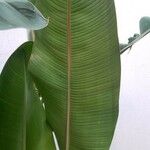
Heliconia rostrata
False bird of paradise · Lobster Claw · Hanging Heliconia · Hanging lobster claw · Pendant heliconia
Description
Source: leafsnapHeliconia rostrata, commonly known as the hanging lobster claw or false bird of paradise, is a stunning tropical plant native to Central and South America. Belonging to the Heliconiaceae family, it is renowned for its distinctive and beautiful flowers that resemble the beak of a bird or a lobster claw. This plant can reach heights of up to 10 feet, with large leaves arranged alternately along its stem. The flowers of Heliconia rostrata are a vibrant red with yellow tips and can grow up to 12 inches in length. In warm climates, these flowers bloom throughout the year, although in cooler climates, they may only bloom during certain seasons. The plant thrives in full sun or partial shade, requiring well-draining soil and regular watering. Due to its unique appearance, Heliconia rostrata is commonly used as an ornamental plant for landscaping. It also attracts hummingbirds and other pollinators with its nectar-rich flowers. In addition to its ornamental value, Heliconia rostrata has been used for medicinal purposes by indigenous people in Central America for centuries. The leaves have been applied as a poultice on wounds, while the roots have been boiled into tea to treat various ailments, including fever, headaches, stomach problems, and respiratory issues. Overall, Heliconia rostrata is an impressive tropical plant that adds beauty to any garden and offers medicinal benefits when used properly by trained professionals.
🌳 The false bird of paradise is more than just visually striking; it is a crucial nectar source for hummingbirds in the Amazon. Its bright, elongated flowers are specifically adapted to the birds' feeding method, producing a distinct mutualism. The hummingbirds' long beaks and specialized tongues match the flower's shape precisely, allowing the birds to feed and ensuring the plant's pollination.
🎭 Young people, pride and substantial returns
Care Guide
💧 Water Every 7 days
The False Bird of Paradise, native to tropical regions, thrives in environments with high humidity and moist soil. It requires regular watering, ideally once a week, to stay healthy. As an evergreen plant, its lush foliage benefits from consistent moisture, mirroring the conditions of its rainforest origins.
How should I water my False bird of paradise?
To properly water the False bird of paradise, it is recommended to use filtered water at room temperature. Tap water may contain harmful particles, so filtered water is preferred. This plant originates from a warm climate, so it's best to avoid using cold water, which can be a shock to its system. Additionally, overhead watering should be avoided to prevent problems with the foliage. Instead, simply apply filtered room temperature water directly to the soil until it is completely soaked. This method benefits the plant by moisturizing the roots and facilitating their spreading, allowing them to gather the necessary nutrients from the soil.
What should I do if I give my False bird of paradise too much water or too little water?
Overwatering and underwatering can harm your False bird of paradise, but overwatering is more common and problematic. Too much water can cause wilting, yellowing leaves, and even diseases like root rot, mold, and mildew that can kill the plant. While underwatering is less common due to the plant's drought tolerance, it can lead to brittle, brown leaves. It's important to recognize signs of overwatering early, as some diseases may not be fixable if left too long. Reduce watering if you notice these signs and check the soil drainage. Replace poorly draining soil with a loose, well-draining potting mix. Conversely, if you observe signs of underwatering, water the plant regularly until the signs diminish.
How frequently should I water my False bird of paradise?
If your False bird of paradise is in a pot, the most accurate way to determine if it needs water is to stick your finger in the soil. If the top two to three inches of soil feel dry, it's time to water it. If you have planted your False bird of paradise outdoors in the ground, you can use a similar method to test the soil. Once the top few inches of soil have dried out, it's time to give it some water. Typically, during the spring and early fall, you'll need to water this plant about once a week using this method. However, when it gets really hot, you may need to water it two or more times per week. It's worth noting that mature and well-established False bird of paradise plants have a remarkable ability to tolerate drought.
How much water does my False bird of paradise plant need?
When watering your False bird of paradise, be generous with the amount of water you give. Wait until the first two to three inches of soil are dry, then thoroughly soak the soil. Make sure to add enough water so that it drains through the bottom of the pot. If you don't see any excess water draining, you may have underwatered the plant. However, avoid letting the water accumulate in the soil, as this can harm the plant. On the other hand, if water doesn't drain easily through the pot, it means the soil is not draining well and this is bad for the plant's health. If the plant is outside, about 1 inch of rain per week should be enough.
How should I water my False bird of paradise as it grows?
The water needs of the False bird of paradise can vary depending on its growth stages. In the first few years of its life or after being transplanted, it requires more water due to focus on root development. These young roots need more moisture to support future growth. However, as the plant matures, it will require less water. Additionally, during the bloom period, the development of flowers requires extra moisture, so it may need increased watering at that time.
☀️ Light Partial sun
False bird of paradise thrives in moderate natural light but can tolerate conditions from abundant to limited sunlight. Sunlight supports its health and growth, yet excessive exposure can cause scorching, while insufficient exposure leads to slow growth. The habitat where it originates is characterized by variable sunlight conditions.
What are the sunlight requirements for the False Bird of Paradise?
The False Bird of Paradise, scientifically known as Heliconia rostrata, requires partial sun, defined as about 3-6 hours of sunlight, for optimal growth. It can also tolerate full sun or full shade, which means above 6 hours of sunlight. To ensure plant health and happiness, it's crucial to observe how sunlight moves through your garden and select locations that offer a balance of light and shade compatible with these requirements.
How essential is sunlight for the False Bird of Paradise, and can it grow under artificial lighting?
Sunlight is crucial for the health and growth of the False Bird of Paradise. It thrives best under natural light that's proportionate to its habitat, which can range from abundant to scarce sunlight. Overexposure can cause leaf scorching, while underexposure may result in slow growth. In low-light conditions, especially during winter or in spaces with insufficient natural sunlight, artificial lighting becomes a vital solution. LED lights are recommended because they provide customizable wavelengths needed by plants. Depending on the plant's sunlight needs, artificial light requirements vary from 10-50W per square foot. Place the light source 12-36 inches above the plant and ensure it receives 8-12 hours of light per day.
What are the symptoms of inadequate light for the False Bird of Paradise?
Symptoms of inadequate light in the False Bird of Paradise include the development of smaller than normal leaves, leggy or sparse growth characterized by elongated spaces between leaves or stems, premature leaf drop to conserve resources, delayed or halted growth due to survival mode activation, and chlorosis, where leaves lose their green color and turn yellow. Additionally, excessive sunlight can cause sunscald, leaf curling, wilting, and leaf scorching, negatively affecting the plant's health and ability to photosynthesize.
What are some solutions for light-related issues in False Bird of Paradise, both indoors and outdoors?
To optimize light conditions for the False Bird of Paradise, gradually acclimate the plant to its desired sunlight exposure by moving it to sunnier spots each week until it receives 3-6 hours of direct sunlight daily. For plants that are large or not easily movable, consider using desk lamps, ceiling lamps, or professional plant grow lights for at least 8 hours daily to supplement light. Outdoors, ensure to adapt your plants gradually to the best sunlight by avoiding sudden changes. If the sunlight is obstructed, consider pruning branches or relocating smaller plants to areas with ample sunlight and good drainage. Note that parts of the plant damaged by inadequate sunlight may not recover, but new growth should be healthy with improved light exposure.
🌡️ Temperature 20–41.1°C
The false bird of paradise, a tropical plant native to South America, needs warm, humid conditions to thrive. It prefers temperatures from 68 to 105 ℉ (20 to 41 ℃), with higher temperatures encouraging more rapid growth. During colder seasons, providing extra warmth via heating lamps or relocating the plant to a warmer spot is recommended.
What is the False bird of paradise and where is it native to?
The False bird of paradise, botanically known as Heliconia rostrata, is a tropical plant native to South America. It's known for its preference for a warm and humid environment, thriving in temperatures ranging from 68 to 105°F (20 to 41°C). This plant requires conditions that mimic its natural habitat to grow optimally.
What are the temperature preferences and requirements for the False bird of paradise?
The False bird of paradise prefers temperatures between 68 to 105°F (20 to 41°C) for optimal growth, with higher temperatures encouraging faster growth. During colder seasons, it's vital to provide additional warmth through heating lamps or by relocating the plant to a warmer spot. The plant is extremely heat-loving, and exposure to cold can be harmful. In autumn, it is advisable to move outdoor plants indoors, placing them near a bright window but away from direct heat sources. Maintaining a temperature above 20°C during winter is essential, as temperatures close to 5°C are detrimental to the plant's health.
How does low temperature affect the False bird of paradise and what are the solutions?
Low temperatures are not tolerated well by the False bird of paradise. It thrives best in temperatures above 20°C and should be kept above 5°C during winter. Exposure to temperatures below 1°C may cause the leaves to lighten in color, followed by a gradual change to brown or black after frost damage. Symptoms such as wilting and drooping may also occur. To mitigate frost damage, the frost-damaged parts should be trimmed off, and the plant should be moved immediately indoors to a warm location. It's beneficial to place the plant near a south-facing window to ensure ample sunlight while avoiding proximity to heaters or air conditioning vents to prevent air dryness.
What should be done if the False bird of paradise experiences high temperature?
During summer, the temperature around the False bird of paradise should be kept below 41°C to prevent stress. If the temperature exceeds 45°C, the plant may show signs of stress such as lighter leaf color and susceptibility to sunburn. In such cases, sunburned and dried-up parts of the plant should be trimmed away. It's advisable to move the plant to a shaded location away from the midday and afternoon sun. To keep the soil moist, watering the plant in the morning and evening is recommended.
💨 Humidity
🪴 Soil 6-6
🌱 Fertilizer
Proper fertilizing is essential for the health and appearance of the False bird of paradise. Feed the False bird of paradise in summer, applying fertilizer once a month throughout the season. The nutrients provide energy for growth and help maintain the plant’s parts. Fertilizing improves the False bird of paradise’s flowering display, ensuring the best possible blooms.
Why should I add fertilizer to my False bird of paradise plant?
Fertilizers and nutrients in the soil are like fuel for your False bird of paradise. They are needed for the plant's healthy growth. Plants use these nutrients to develop new plant material and keep their existing parts in good condition. A specific plant like the False bird of paradise relies on fertilization to showcase its best flowers. Since the flowers are the main attraction of this plant, most gardeners want to ensure they appear in the best possible form. Fertilization is a reliable way to help your False bird of paradise produce stunning blooms.
What is the ideal time to fertilize my False bird of paradise?
The False bird of paradise experiences two main phases throughout the year. In the dormant phase, which occurs during winter, the plant grows very little. The active growth phase, on the other hand, occurs in spring and fall. During this time, fertilization is crucial for the False bird of paradise. It is recommended to start fertilizing in spring and continue once a month throughout spring and most of summer. As fall approaches, the frequency of fertilization can be reduced.
When should I not add fertilizer to my False bird of paradise plant?
If you are supporting the growth of False bird of paradise, it's important to avoid causing root burn. Your plant needs extra nutrients during its active growing period in the spring and summer. However, when it enters its dormancy stage in the fall and winter, it is best to cease fertilizer application.
What kind of plant food does my False bird of paradise require?
To effectively fertilize your False bird of paradise, look for a fertilizer with a well-balanced mix of the three main plant nutrients, but with slightly more phosphorus. Alternatively, you can improve the soil by adding organic materials like compost, worm castings, or manure. Fertilizers come in various forms, most of which are suitable for your False bird of paradise. However, the top options typically come in liquid or powdered form. Regardless of the type you choose, remember to dilute the fertilizer and apply it while watering your False bird of paradise.
How do I feed or nourish my False bird of paradise plant?
Once you have found a suitable fertilizer and learned the ideal fertilization schedule for your False bird of paradise, you can focus on applying the fertilizer. The most reliable method for feeding your plant is to mix the liquid fertilizer with water before applying it to the soil. It's important to read the instructions provided by the manufacturer of your specific fertilizer, as they may have different guidelines for feeding your plants. These instructions should also include advice on how to properly dilute the fertilizer to avoid overfertilization. Once you've mixed the fertilizer with water, you simply need to pour the mixture into the soil where your False bird of paradise is located.
🪴 Pot & Repot 2-3 years
When repotting the False bird of paradise, select a pot that is 1–2 inches (2.5–5.0 cm) larger and provides good drainage. Use a well-draining potting mix. Repot in spring or fall, ensuring the root ball sits slightly below the rim of the flower pot. Water thoroughly after repotting and place the plant in a warm spot with indirect sunlight.
✂️ Pruning
To keep your false bird of paradise healthy, prune it in early spring or late winter. Start by removing any dead stems and cutting back spent flowering stems to the base. Be careful not to over-prune, as this can harm the plant. Pruning in this way promotes healthy growth, improves air circulation, and reduces the risk of disease. Always use clean, sharp tools for the best results.
🌿 Propagating
🐛 Diseases & pets
☠️ Toxicity
Characteristics
- Plant Type
- Herb
- Life Cycle
- Perennial
- Genus
- Heliconia
- Family
- Heliconiaceae
- Hardiness Zone
- 10-13
- Mature Height
- 1.22 m to 1.83 m
- Mature Spread
- 0.91 m to 1.83 m
- Leaf Color
- Green
- Leaf Type
- Evergreen
- Flower Color
- Red, Yellow
- Flower Size
- 2.54 cm
- Bloom Time
- Early summer, Mid summer
- Planting Time
- Spring
- Harvest Time
- Mid summer, Late summer
- Native Area
- Colombia, Bolivia, Peru, Brazil, Ecuador