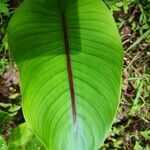
Heliconia spp.
Description
Source: leafsnapThe Heliconia genus is a group of perennial plants native to Central and South America, Peru, the southwest Pacific, and Ecuador. Heliconia plants boast an eye-catching tropical appearance with its long evergreen fronds and bold flowers in vibrant shades of red, yellow, orange, green, and pink. The tall leaves and flower spikes add to the plants towering height, which can reach up to 25 feet tall.
Care Guide
💧 Water Every 3-5 days
Aim to keep the ground consistently moist when growing Heliconia. In hotter climates, you may need to water your plant daily. Take care not to waterlog your Heliconia and cause root rot.
☀️ Light
🌡️ Temperature
Heliconia plants prefer areas with consistent temperatures of about 70 degrees Fahrenheit. Never expose your plant to cold weather of about 50 degrees Fahrenheit and under for long periods.
💨 Humidity often grown as a houseplant
🪴 Soil
🌱 Fertilizer
Heliconia is a heavy feeder. Feed your plant with a 2-1-2 NPK, slow-release fertilizer according to the package directions. You may also opt to use organic fertilizer and organic matter to encourage profuse blooming.
🪴 Pot & Repot
✂️ Pruning
These plants do not require extensive pruning. You can remove entire fronds that are dying, damaged, or obstructing the view of the blooms. When cutting the flowers, cut them back to ground level to open it up and encourage the growth of side shoots.
🌿 Propagating
🐛 Diseases & pets
☠️ Toxicity
Characteristics
- Plant Type
- Tropical perennial
- Genus
- Heliconia
- Family
- Heliconiaceae
- Hardiness Zone
- 9–11 (USDA)
- Bloom Time
- Spring and summer
- Native Area
- Tropical Americas