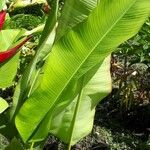
Heliconia stricta
Small lobster claw · Erect heliconia · Erect lobster claw · Dwarf Jamaican Heliconia
Description
Source: leafsnapHeliconia stricta is a tropical plant native to Central and South America, belonging to the Heliconiaceae family. Commonly known as the "false bird of paradise" because of its striking resemblance to the bird of paradise plant, it is a distinctive and attractive species. This plant can grow up to 10 feet tall and features large, glossy leaves that can extend up to 3 feet in length. The flowers are a vibrant orange-red with yellow tips and grow in clusters on long stems that emerge from the center of the plant. Heliconia stricta thrives in warm, humid environments with ample sunlight, although it can also tolerate partial shade. It requires well-draining soil enriched with organic matter to flourish. This species is widely used as an ornamental garden plant or for cut flowers, thanks to its impressive appearance. Moreover, it has medicinal properties, including uses for treating skin infections and inflammation. In summary, Heliconia stricta is a stunning tropical plant with multiple practical applications, making it an excellent addition to any garden or landscape design project in warm climates worldwide.
Care Guide
💧 Water Every 7 days
The dwarf Jamaican heliconia thrives in high humidity and should be watered weekly to avoid waterlogging. It is commonly grown indoors to replicate its tropical environment. As an evergreen plant, its water requirements increase during the growing season to support its lush foliage and blooms.
How should I water my Dwarf Jamaican heliconia plant in the best way?
To properly water the Dwarf Jamaican heliconia, it's recommended to use filtered water at room temperature. This plant prefers filtered water since tap water may have harmful particles. Additionally, it's important to use water that is at room temperature or slightly warmer because the Dwarf Jamaican heliconia is adapted to a warm environment and cold water may shock it. It's best to avoid overhead watering as it can lead to issues with the foliage. Instead, gently saturate the soil with the filtered room temperature water until it is completely soaked. This helps the roots stay moist and enables them to spread through the soil and absorb necessary nutrients.
What should I do if I give too much or too little water to my Dwarf jamaican heliconia?
Proper watering is important for the health of your Dwarf Jamaican Heliconia. While both overwatering and underwatering can harm the plant, overwatering is more common. When the plant gets too much water, its stems and leaves may wilt and turn yellow. Prolonged overwatering can also lead to diseases like root rot, mold, and mildew, which can be fatal to your plant. Underwatering is less likely, as the Dwarf Jamaican Heliconia can tolerate some drought. But if it does happen, the leaves may become brittle and brown. It's crucial to recognize signs of overwatering early to prevent irreparable damage. Reduce your watering schedule and consider replacing poorly draining soil with a loose, well-draining potting mix. If you notice signs of underwatering, simply water more regularly until the signs improve.
How much water does my Dwarf Jamaican Heliconia need?
If your Dwarf Jamaican Heliconia is in a pot, the best way to determine if it needs water is to stick your finger into the soil. If the top two to three inches are dry, it's time to water. Similarly, if you have your plant outdoors in the ground, you can use the same method. When the first few inches of soil have become dry, it's a sign to water. Typically, during spring and early fall, watering once a week is sufficient. However, in very hot weather, you may need to water twice a week or more. Keep in mind that mature, well-established Dwarf Jamaican Heliconias can tolerate dry conditions quite well.
How much water does my little Jamaican heliconia plant need?
When watering your Dwarf Jamaican Heliconia, don't be afraid to give it a generous amount of water. Make sure the top two to three inches of soil are dry before watering, and then give it a good, thorough soak. You want to add enough water so that it flows out of the drainage holes at the bottom of the pot. If you don't see excess water draining out, you have not given enough water. However, be careful not to let the water accumulate in the soil as it can harm the plant. On the other hand, if water doesn't drain properly, it could mean that the soil doesn't drain well, which is bad for the plant's health. If the plant is outside, 1 inch of rain per week should be enough.
How do I water my Dwarf Jamaican heliconia as it grows?
The water needs of the Dwarf Jamaican Heliconia can vary depending on its growth stages. In the first few years or after transplanting, it requires more water because it focuses on developing new roots for future growth. These roots need extra moisture to thrive. As the plant matures, it will need less water. However, during the bloom period, when the flowers are developing, it may require additional watering due to the increased moisture demands.
☀️ Light Partial sun
Dwarf Jamaican heliconia grows best in spots where it gets ample filtered sunlight. It can also tolerate shadier conditions. Its preferred environment involves moderate light rather than strong direct sun. Too little light leads to poor growth, while too much can scorch the foliage.
What are the sunlight requirements for Dwarf Jamaican Heliconia?
Dwarf Jamaican Heliconia thrives best in areas with enough filtered sun exposure, tolerating both partial and full sunlight conditions. Ideally, it requires about 3-6 hours of sunlight daily. However, too much exposure can lead to foliage burn, while insufficient light can result in poor growth. It's essential to watch how sunlight moves through your garden to choose spots that offer a perfect balance of light and shade.
How can artificial lighting be used for indoor Dwarf Jamaican Heliconia plants?
For indoor Dwarf Jamaican Heliconia plants, artificial lighting provides a vital solution when natural sunlight is insufficient. LED lights are recommended because they can be customized to provide specific wavelengths needed by plants. Full sun plants require 30-50W/sq ft, partial sun plants need 20-30W/sq ft, and full shade plants should get 10-20W/sq ft of artificial light. Position the light source 12-36 inches above the plant and mimic natural daylight hours, typically providing 8-12 hours of light per day.
What are the signs of inadequate lighting for Dwarf Jamaican Heliconia?
Symptoms of inadequate lighting for Dwarf Jamaican Heliconia include smaller new leaves, leggy or sparse growth, faster leaf drop, slowed or ceased new growth, and lighter-colored or yellowing leaves (chlorosis). Excessive sunlight can cause sunscald, leaf curling, wilting, leaf scorching, and general health reduction. Close monitoring is essential for identifying these symptoms early and adjusting light exposure accordingly.
What solutions exist for light-related issues in Dwarf Jamaican Heliconia?
To address light-related issues in Dwarf Jamaican Heliconia, gradually adapt indoor plants to changing light conditions by shifting them to sunnier spots each week until they receive optimal sunlight. Use artificial lights if the plant is not easily movable, ensuring at least 8 hours of light daily. Outdoors, move plants gradually to prevent sunburn. Prune obstructions like tree branches to improve sunlight exposure, and consider transplanting smaller plants to sunnier locations during their dormant period for better growth.
🌡️ Temperature 20–37.8°C
Dwarf Jamaican heliconia comes from a tropical climate and does best at temperatures of 68 to 100 °F (20 to 38 °C). In colder months, consider bringing it indoors or adding a heat source to keep its surroundings warmer.
What is the ideal temperature range for Dwarf Jamaican Heliconia?
Dwarf Jamaican Heliconia, botanically known as Heliconia stricta, thrives best in a tropical climate with temperatures ranging between 68 to 100 °F (20 to 38 °C). It is extremely heat-loving, and exposure to cold temperatures can harm the plant. During colder seasons or in autumn, it is advisable to move the plant indoors or ensure it has a heat source to maintain a warmer environment. The plant should be kept above 20°C, especially during winter, to promote growth. Temperatures nearing 10°C can be detrimental to the plant's health.
How should I care for Dwarf Jamaican Heliconia in low temperatures?
In low temperatures, Dwarf Jamaican Heliconia's leaves may lighten in color, and exposure to temperatures below 5°C can cause frost damage, turning leaves brown or black with symptoms such as wilting and drooping. To care for the plant during cold spells, it's important to trim off any frost-damaged parts and move the plant indoors to a warmer environment. Placing it near a south-facing window will ensure it gets ample sunlight, but keep it away from direct heat sources like heaters or air conditioning vents to prevent the air around it from becoming too dry.
What should I do if my Dwarf Jamaican Heliconia is exposed to high temperatures?
During the summer, when temperatures climb, Dwarf Jamaican Heliconia should be kept below 38°C to prevent heat stress. Excessively high temperatures above 43°C can cause the leaves to lighten and increase susceptibility to sunburn. If your plant suffers from sunburn, you should trim away the sunburned and dried parts. Also, moving the plant to a shaded location, especially from the midday and afternoon sun, can help. Ensure the soil remains moist by watering the plant in the morning and evening.
💨 Humidity
🪴 Soil 6-7
🌱 Fertilizer
Correct fertilization is essential for Dwarf jamaican heliconia's health and appearance. Apply fertilizer to Dwarf jamaican heliconia in summer, repeating the application monthly throughout the season. The nutrients fuel growth and maintain the plant's parts. Fertilization improves Dwarf jamaican heliconia's flower display, ensuring the best blooms.
Why should I put fertilizer on my Dwarf Jamaican Heliconia?
Fertilizer and soil nutrients are like fuel for your Dwarf Jamaican Heliconia, helping it grow and stay healthy. Plants use nutrients in the soil to develop new parts and keep existing ones in good condition. Specifically for the Dwarf Jamaican Heliconia, fertilization is vital for optimal flower display. Because the flowers are the main attraction, most gardeners want to make sure they look their best. Fertilization is a reliable method to help your Dwarf Jamaican Heliconia produce high-quality blooms.
What is the right time to fertilize my Dwarf jamaican heliconia?
The Dwarf Jamaican heliconia goes through two main phases each year. The first phase is the dormant phase, which happens in winter and involves minimal new growth. The other phase is the active growth phase, which occurs in spring and fall. During this phase, the plant requires the most fertilization. It is recommended to start fertilizing in the spring and repeat the process once a month during spring and most of the summer. As fall approaches, you can gradually decrease the frequency of fertilization.
When is the best time to not fertilize my Dwarf Jamaican Heliconia?
To support the growth of Dwarf Jamaican heliconia without causing root burn, it is important to note that the plant needs additional nutrients during its active growing season in the spring and summer. However, during its dormancy stage in the fall and winter, fertilization should be discontinued.
What kind of plant food does my Dwarf Jamaican heliconia require?
When selecting fertilizer for a Dwarf Jamaican Heliconia, it is best to choose one with a balanced mix of the three main plant nutrients, with slightly higher amounts of phosphorus. Another option is to improve the plant's soil by adding organic materials like compost, worm castings, and manure. Fertilizers can come in various forms, and most of them will work well for your Dwarf Jamaican Heliconia. However, the top choices for this plant are either liquid or powdered fertilizers. Regardless of the form you choose, it is important to dilute the fertilizer and apply it when watering your Dwarf Jamaican Heliconia.
How should I fertilize my Dwarf Jamaican Heliconia plant?
First, find a suitable fertilizer and learn the ideal fertilization schedule for your Dwarf Jamaican Heliconia. Once you have this information, you can move on to learning how to apply the fertilizer. The most reliable method for feeding your plant is to mix the liquid fertilizer with water before applying it to the soil. It's important to note that different fertilizers have different directions for feeding plants, so it's recommended to follow the manufacturer's guidance. These instructions will likely include information on diluting the fertilizer properly to avoid overfeeding. Mixing the fertilizer with water is a simple process, and once it's done, all you need to do is pour the mixture into the soil where your Dwarf Jamaican Heliconia is planted.
🪴 Pot & Repot
✂️ Pruning
Regular pruning of dwarf Jamaican heliconia improves air circulation and reduces pest issues, enhancing the plant's vigor and appearance. Key techniques include removing dead or damaged stems and cutting back old flower stalks. It is best to prune dwarf Jamaican heliconia from late winter to early spring to align with its growth cycle.
🌿 Propagating
🐛 Diseases & pets
☠️ Toxicity
Characteristics
- Plant Type
- Herb
- Life Cycle
- Perennial, Annual
- Genus
- Heliconia
- Family
- Heliconiaceae
- Hardiness Zone
- 11
- Mature Height
- 61 cm to 91 cm
- Mature Spread
- 1.52 m
- Leaf Color
- Green
- Leaf Type
- Evergreen
- Flower Color
- Red, Orange
- Flower Size
- 10.16 cm to 12.70 cm
- Bloom Time
- All year round
- Planting Time
- Spring, Summer, Autumn
- Harvest Time
- All year round
- Native Area
- Colombia, Bolivia, Venezuela, Peru, Guyana, Brazil, Ecuador, Costa Rica