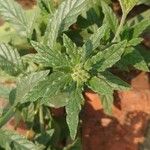
Heliotropium amplexicaule
Blue heliotrope · Violet heliotrope · Wild heliotrope · Wild verbena · Clasping heliotrope
Description
Source: leafsnapHeliotropium amplexicaule, commonly known as clasping heliotrope or blue heliotrope, is a flowering plant species in the borage family. Native to South America, it has been introduced to other parts of the world as an ornamental plant. The plant typically grows up to 60 cm tall and features lance-shaped leaves that clasp the stem. Its small flowers, blue or purple in color, are arranged in clusters at the ends of branches. Heliotropium amplexicaule prefers full sun and well-drained soil but can tolerate some shade and drought conditions once established. Due to its attractive flowers and foliage, which also attract pollinators such as bees and butterflies, it is often used as a border or bedding plant. However, it is important to note that all parts of this plant are toxic to humans and animals if ingested, due to the presence of pyrrolizidine alkaloids, which can cause liver damage if consumed excessively over time.
Care Guide
💧 Water Every 7 days
Clasping heliotrope is well-suited to dry environments, showcasing remarkable drought tolerance. To prevent overwhelming it, this plant should be watered once a week. Ideal for xeriscaping, clasping heliotrope's growth aligns with seasonal rainfall patterns, reflecting its resilience and ideal water needs in its natural habitat.
How should I water my Clasping heliotrope plant?
When watering the Clasping heliotrope, it is recommended to use filtered water at room temperature or slightly warmer. Tap water may contain harmful particles for this plant, so filtered water is a better option. The plant is from a warm environment, so cold water can be a shock to its system. It is important to avoid overhead watering, as it can cause problems with the foliage. Instead, simply pour your filtered room temperature water onto the soil until it is completely soaked. Soaking the soil is beneficial because it provides moisture to the roots and helps them spread and absorb nutrients.
What should I do if I give my Clasping heliotrope too much or too little water?
Overwatering is a more common issue than underwatering for Clasping heliotrope. When this plant is overwatered, its stems and leaves may wilt and turn yellow, and it can also lead to diseases like root rot, mold, and mildew. Underwatering is less common, but it can cause brittle and brown leaves. It's important to notice the signs of overwatering early, as some diseases may be irreversible if left untreated. Reduce watering if you see signs of overwatering, and check the soil drainage. Replace poorly draining soil with a loose, well-draining potting mix. If underwatering is the issue, water more regularly until the signs improve.
How frequently should I water my Clasping heliotrope?
If your Clasping heliotrope is in a pot, the best way to determine if it needs watering is by checking the soil. Stick your finger into the soil and if the top two to three inches are dry, it needs water. If you have it planted outdoors in the ground, you can use the same method. When the top few inches of soil are dry, it's time to water. In the spring and early fall, you may need to water once a week. In extremely hot weather, you may need to water twice a week or more. However, mature and well-established Clasping heliotropes can handle drought well.
How much water does my Clasping heliotrope plant need?
When watering your Clasping heliotrope, it is important to give it a generous amount of water. Make sure the first two to three inches of soil are dry before watering. Water the plant thoroughly, ensuring that the soil is completely soaked. The water should flow through the drainage holes in the pot. If you don't see excess water draining, you may be underwatering. However, be cautious not to let water accumulate inside the soil, as this can be harmful to the plant. Poorly draining soil can also be detrimental to the health of the plant, so make sure to avoid it. If the plant is outside, one inch of rain per week is sufficient.
How do I water my Clasping heliotrope as it grows?
The water requirements of the Clasping heliotrope can vary throughout different growth stages. When your Clasping heliotrope is young or has recently been transplanted, it will need more water than usual. During these stages, the plant focuses on developing new roots, which require extra moisture for optimal growth. As the Clasping heliotrope matures, it will require less water. Additionally, during the blooming period, the plant may need more water as flower development consumes a significant amount of moisture.
☀️ Light Full sun
Clasping heliotrope grows best when it gets many hours of sunlight each day. It can tolerate overcast light in some cases, but limited sun can lead to poor growth. In its native range, clasping heliotrope is found in open areas with plenty of light, supporting its need for abundant sun exposure. Excessive shade, however, can cause growth problems and diminish its overall health.
What are the sunlight requirements for Clasping heliotrope?
Clasping heliotrope requires full sun exposure of above 6 hours of sunlight daily to thrive optimally. It can tolerate partial sun conditions, which means about 3-6 hours of sunlight. Observing how sunlight moves through your garden will help you choose spots that provide the perfect balance of light and shade, ensuring your plants' happiness. In its native habitat, Clasping heliotrope is found in open spaces, confirming its need for abundant solar exposure. However, too much shade can lead to growth issues and inhibit the plant's overall health.
How can artificial lighting be used for Clasping heliotrope indoors?
Indoor Clasping heliotrope plants require adequate lighting for optimal growth, especially when natural sunlight is insufficient. Artificial lights, such as LED lights, offer a vital solution by promoting faster, healthier growth. For full sun plants, 30-50 watts per square foot is recommended; partial sun plants need 20-30 watts per square foot, and full shade plants need 10-20 watts per square foot. The light source should be placed 12-36 inches above the plant to mimic natural sunlight. Furthermore, mimicking natural daylight hours, most plants will need 8-12 hours of light per day.
What are the symptoms of insufficient light for Clasping heliotrope?
Symptoms of insufficient light in Clasping heliotrope include small or smaller new leaves, leggy or sparse growth, faster leaf dropping, slower or halted new growth, lighter-colored new leaves, chlorosis (leaf yellowing), sunscald, leaf curling, wilting, and leaf scorching. These indicators suggest the need for more sunlight or adjustments in the plant's environment to meet its sunlight requirements effectively.
What solutions can be applied for Clasping heliotrope struggling with inadequate sunlight?
For indoor Clasping heliotrope, gradually moving the plant to a sunnier location each week until it receives at least 6 hours of direct sunlight daily is effective. Utilizing a south-facing window and keeping curtains open during the day maximizes sunlight exposure. Artificial lighting, such as desk lamps or professional grow lights, can also provide additional light. Outdoors, it's crucial to gradually adapt your plants to sunnier locations to avoid sunburn. This can involve moving them weekly to sunnier spots. Minimizing obstructions like pruning trees and considering transplanting during the plant's dormant period can also help increase sunlight exposure. It's important to note that parts of the plant affected by insufficient sunlight may not recover fully, but new growth should be healthy after adjusting light exposure.
🌡️ Temperature 15–35°C
Clasping heliotrope grows best in climates with temperatures between 59 and 95°F (15 and 35℃). Coming from regions with mild temperatures, the plant may require extra care and protection during colder winters and hotter summers.
What is the ideal temperature range for Clasping Heliotrope?
Clasping heliotrope flourishes in climates where temperatures are between 59 to 95°F (15 to 35°C). Originating from environments with mild temperatures, this plant demands extra care and protection against extreme cold in the winter and excessive heat in the summer. Despite its strong cold resistance, where special frost protection is often unnecessary, precautions should be taken if temperatures are expected to fall below -15°C, including covering the plant with soil or straw and ensuring the soil is moist before the first freeze to help prevent drought and water scarcity during winter and early spring.
How does Clasping Heliotrope respond to low temperatures?
Clasping heliotrope is quite cold-tolerant, preferring temperatures above 15°C for optimal growth. While it can withstand winter temperatures down to -10°C, exposure to temperatures below -15°C may not show immediate adverse effects, but could lead to reduced or even no sprouting in the spring. To mitigate any potential damage, in spring, removing parts of the plant that have failed to sprout can promote healthier growth.
How should I care for Clasping Heliotrope during high temperatures?
During the hotter months, it's crucial to ensure that Clasping heliotrope remains in temperatures below 35°C. Exposure to temperatures above 38°C can cause the leaves to lighten in color, become prone to curling and sunburn, and in extreme cases, may lead to the wilt and dryness of the entire plant. To protect the plant in such conditions, trim away any sunburned or dried-out parts, relocate it to a shaded area during the midday and afternoon sun, or employ a shade cloth. Additionally, watering the plant in the morning and evening helps keep the soil adequately moist.
💨 Humidity
🪴 Soil 6-7
🌱 Fertilizer
The best time to fertilize a Clasping heliotrope is in early spring, as it emerges from dormancy and starts active growth. Fertilization supplies essential nutrients needed for healthy growth. Although Clasping heliotrope has fairly low fertilizer requirements, feeding it once a year can boost its survival and encourage better, longer-lasting blooms.
Why is it important to put fertilizer on my Clasping heliotrope?
The Clasping heliotrope relies heavily on its leaves for support and function. Fertilization plays a crucial role in maintaining the appearance and health of these leaves. By fertilizing correctly, you can ensure that the leaves of your Clasping heliotrope maintain a consistent color and a healthy texture. This process also has benefits below the soil's surface, as it helps the plant develop new roots and sustain existing ones. This means that fertilization not only promotes current health but also improves the plant's ability to absorb nutrients from the soil in the long term.
When should I put fertilizer on my Clasping heliotrope?
If you choose to grow your Clasping heliotrope outdoors yearly, you will notice new growth in early spring, indicated by the emergence of leaves. This is the best time to start fertilizing. Typically, a single application of fertilizer in the spring is sufficient. However, if you want to maximize growth, you can feed your plant multiple times throughout the spring and early summer, about once every month to a month and a half.
When is the best time to not add fertilizer to my Clasping heliotrope?
During late fall and winter, your Clasping heliotrope goes into a dormant phase and stops producing new growth. Therefore, it's best to avoid fertilizing it during this time. However, if you decide to fertilize during spring and summer, it's important to reduce the frequency as summer approaches because the growth rate of your Clasping heliotrope will slow down at that time. Additionally, it's never a good idea to fertilize when the weather is unusually hot or the soil is excessively dry. Fertilizing in such conditions can stress your Clasping heliotrope and cause it to die prematurely.
What kind of fertilizer does my Clasping heliotrope plant need?
Choosing the best fertilizer for a Clasping heliotrope is straightforward. These plants thrive on a general-purpose garden fertilizer with equal amounts of nitrogen, phosphorus, and potassium, like a ratio of 10-10-10. Avoid fertilizers high in nitrogen if unsure. Granular slow-release fertilizers are best, and can be easily applied to the soil. Additionally, feeding with organic amendments like compost can be helpful.
How can I give nutrients to my Clasping heliotrope plant?
To ensure optimal growth for your Clasping heliotrope, begin by waiting until its first leaves start to emerge in early spring. Once you notice this, apply a granular slow-release fertilizer with a balanced formula to the soil surrounding the base of the plant. If desired, you can repeat this process later in the season. Remember, when reapplying fertilizer, target the soil around the plant's base rather than applying it directly to the plant itself. Depending on the plant's growth, you may need to move some leaves aside to access the soil above the roots. Additionally, it's generally a good idea to water your Clasping heliotrope before and after fertilizing.
🪴 Pot & Repot
✂️ Pruning
Clasping heliotrope is a low-growing perennial known for its fragrant purple flowers and heart-shaped leaves. To promote growth, it's best to prune the plant in early spring. This process involves removing damaged stems and thinning out crowded areas to improve air circulation. Regular pruning not only encourages blooming but also helps manage the plant's sprawling nature. Be sure to use clean, sharp tools during pruning to prevent the spread of disease.
🌿 Propagating
🐛 Diseases & pets
☠️ Toxicity
Characteristics
- Plant Type
- Herb
- Life Cycle
- Perennial
- Genus
- Heliotropium
- Family
- Boraginaceae
- Hardiness Zone
- 7-9
- Mature Height
- 20 cm to 61 cm
- Mature Spread
- 61 cm to 91 cm
- Leaf Color
- Green, Blue
- Leaf Type
- Semi-evergreen
- Flower Color
- Purple, Lavender
- Flower Size
- 0.25 cm to 0.51 cm
- Bloom Time
- All year round
- Planting Time
- Spring, Summer
- Harvest Time
- All year round
- Native Area
- Bolivia