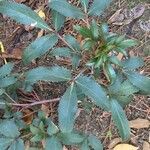
Helleborus lividus
Livid hellebore · Majorca Island hellebore · Majorcan Hellebore · Lead-gray Hellebore · Lead-grey Hellebore
Description
Source: leafsnapHelleborus lividus, commonly known as the Corsican hellebore, is a perennial flowering plant belonging to the Ranunculaceae family. Native to Corsica and Sardinia, this plant typically thrives in rocky areas, woodlands, and scrublands. The Corsican hellebore usually grows up to 30 cm in height with a spread of 30-45 cm. It boasts evergreen leaves that are leathery in texture and dark green with a bluish tint. The leaves are deeply divided into three lobes. The flowers of Helleborus lividus are bell-shaped and feature five petals that can range from pale greenish-yellow to pinkish-purple or even dark purple. These flowers bloom from late winter through early spring. Helleborus lividus prefers well-drained soil rich in organic matter. It thrives best in partial shade or full shade, as it cannot tolerate direct sunlight for extended periods. Historically, this plant has been used for medicinal purposes due to its toxic properties, which can cause vomiting if ingested by humans or animals. However, it also contains compounds such as hellebrin, which have been found useful for treating heart conditions when used under medical supervision. Overall, Helleborus lividus is an attractive evergreen perennial that is ideal for shady areas of the garden. Its beautiful foliage and delicate blooms during the winter months make it an excellent addition for any garden enthusiast looking for year-round interest.
🌳 Majorcan hellebore is more than a garden ornamental; it plays an important ecological role. With its evergreen foliage and winter flowers, it provides essential nourishment to pollinators during months when food is scarce. Beyond its decorative appeal, Majorcan hellebore has potential as a source of green pigments — a use that remains underexplored but looks promising because of its distinctive leaf coloration.
Care Guide
💧 Water Every 7 days
The Majorcan hellebore flourishes in humid environments and requires consistent moisture to thrive. To maintain its health, it should be watered weekly. As an evergreen plant, it keeps its leaves throughout the year, so it needs dependable hydration in all climate zones to ensure optimal growth.
How should I water my Majorcan hellebore plant?
To properly water your Majorcan hellebore, it's best to use filtered water at room temperature. Tap water may contain harmful particles, so filtered water is recommended. The plant prefers warm water because it originates from a warm environment, and cold water can be a shock to it. Avoid overhead watering as it can cause problems with the foliage. Instead, water the plant by applying filtered, room temperature water directly to the soil until it is thoroughly soaked. This helps to moisten the roots and allows them to spread and gather essential nutrients from the soil.
What do I need to do if I give my Majorcan hellebore too much or too little water?
Overwatering and underwatering can both harm your Majorcan hellebore, but overwatering is more common. When the plant gets too much water, its stems and leaves may wilt and turn yellow. This can also lead to diseases like root rot, mold, and mildew, which can be fatal. Underwatering is less likely, as the plant can tolerate drought, but it can still happen. In this case, the leaves will become brittle and brown. It's important to notice signs of overwatering early. Some diseases caused by overwatering, like root rot, may not be fixable if you wait too long. If you see early signs, reduce your watering immediately. You should also check the soil drainage. If it's poor, replace it with a loose, well-draining potting mix. If you notice signs of underwatering, simply water more regularly until the signs go away.
How often do I need to water my Majorcan hellebore plant?
If your Majorcan hellebore is in a pot, the most precise way to know when to water it is by checking the soil with your finger. If the top two to three inches of soil are dry, it's time to water. If you're growing your Majorcan hellebore outdoors in the ground, you can use the same method. When the top few inches of soil have dried out, it's time to water. Typically, during spring and early fall, you'll need to water this plant about once a week. However, during extremely hot weather, you may need to water it twice or more per week. Mature, well-established Majorcan hellebores can tolerate drought well.
How often should I water my Majorcan hellebore?
When watering your Majorcan hellebore, it's important to give it a generous amount of water. Wait until the top two to three inches of soil are dry before watering, and then make sure to thoroughly soak the soil. The goal is to add enough water that it flows through the drainage holes at the bottom of the pot. If you don't see any excess water draining, it means you haven't watered enough. However, be careful not to let the water accumulate in the soil, as this can harm the plant. On the other hand, if water isn't draining properly from the pot, it could be a sign of poorly draining soil, which isn't good for the plant's health. If the plant is outside, about 1 inch of rain per week should be enough.
How do I water my Majorcan hellebore as it grows?
The water needs of the Majorcan hellebore can vary depending on its growth stages. When the plant is young or has recently been transplanted, it requires more water than usual. During these stages, the plant prioritizes the growth of new roots, which need additional moisture to support future growth. As the plant matures, its water requirements decrease. However, during the bloom period, when the flowers are developing, the Majorcan hellebore may need more water to meet the demands of flower production.
☀️ Light Partial sun
The majorcan hellebore grows best when given ample diffused light, similar to its native setting of shaded woodland clearings. Its health and growth can be harmed by excessive radiant heat or by too little light, resulting in weak, underdeveloped foliage.
What are the sunlight requirements for the Majorcan Hellebore?
The Majorcan hellebore requires partial sun, about 3-6 hours of sunlight, to thrive best, but it can also survive in full shade, receiving less than 3 hours of sunlight. Observing how sunlight moves through your garden is crucial to find the perfect spots that provide a balance of light and shade, ensuring the plants are happy and healthy.
What are the essential light conditions for the growth of Majorcan Hellebore?
Majorcan hellebore thrives in environments that offer generous levels of diffused light, mimicking its natural habitat in shaded woodland clearings. Its health and growth are at risk if it's exposed to too much radiant heat or inadequate light, possibly leading to weak and underdeveloped foliage. When natural sunlight is insufficient, especially in less sunny spaces or during winter, artificial lighting like LED lights, which can be adjusted to provide specific wavelengths needed by the plants, can promote healthier growth. The amount of artificial light required varies with the plant's sunlight needs, ranging from 10-20W/sq ft for full shade plants up to 30-50W/sq ft for full sun plants.
What symptoms indicate a light deficiency in Majorcan Hellebore when grown indoors?
When grown indoors under insufficient light, Majorcan hellebore may exhibit various symptoms indicating a light deficiency. These can include smaller leaves compared to previous ones, leggy or sparse growth making the plant weak and prone to breaking, faster leaf drop as the plant conserves resources, slower or halted growth as the plant enters survival mode, and lighter-colored or yellow leaves indicating chlorosis from excessive sunlight, which affects photosynthesis. Additionally, symptoms like sunscald, leaf curling, wilting, and leaf scorching may occur due to intense sunlight exposure, highlighting the plant's struggle with inappropriate light conditions.
What solutions can alleviate light deficiency symptoms in Majorcan Hellebore?
To alleviate light deficiency symptoms in Majorcan Hellebore, gradual adaptation to changing light conditions is key. For indoor plants, shifting them to sunnier spots each week to eventually receive 3-6 hours of direct sunlight daily or using artificial light for at least 8 hours daily can optimize growth. For outdoor plants, gradually moving them to sunnier locations while avoiding sudden changes in light intensity to prevent sunburn is advised. Reducing obstructions like pruning trees to allow more sunlight or transplanting smaller plants during their dormant period to a sunnier location can help. Note that parts of the plant affected by insufficient light may not recover, but new growth after adjusting light exposure should be healthy.
🌡️ Temperature 5–35°C
Majorcan hellebore comes from a region where temperatures usually range from 41 to 95 °F (5 to 35 ℃). The plant prefers warmer conditions, so if temperatures fall below that range, consider supplying additional heat and adjust as the seasons change.
What is the ideal temperature range for Majorcan hellebore?
Majorcan hellebore thrives in a temperature range between 41 to 95 °F (5 to 35 °C). Originating from climates that typically fluctuate within these temperatures, it prefers warmer environments. Although the plant demonstrates strong cold resistance and usually doesn't require special frost protection, during seasons where temperatures fall below or are expected to dip under -25°C, additional measures such as covering the plant with soil or straw may be necessary. It is also advised to water the plant abundantly before the first freeze of autumn to ensure the soil remains moist and enters a frozen state, helping to prevent drought and water scarcity during winter and early spring.
How should you care for Majorcan hellebore in low temperatures?
Majorcan hellebore is cold-tolerant and can survive well above 5°C. However, during winter, temperatures should ideally be kept above -20°C. If temperatures fall below -25°C, the plant may not show immediate adverse effects in winter, but come spring, there could be a noticeable decrease in sprouting or, in some cases, no sprouting at all. To manage these issues in spring, any parts that have failed to sprout should be removed to maintain the health and appearance of the plant.
What are the effects of high temperatures on Majorcan hellebore and how can they be mitigated?
In the summer, it is important to ensure that the Majorcan hellebore is kept in conditions below 35°C. Exposure to temperatures above 38°C can cause the leaves to become lighter in color, prone to curling, susceptible to sunburn, and in severe cases, may result in the entire plant wilting and drying out. To mitigate these effects, remove any sunburned and dried-up parts of the plant. Relocate the plant to an area with shade from the midday and afternoon sun, or employ the use of a shade cloth. Additionally, watering the plant in the morning and evening will help keep the soil moist and protect the plant from the adverse effects of high temperatures.
💨 Humidity
🪴 Soil 6-7
🌱 Fertilizer
The best time to fertilize a Majorcan hellebore is in early spring, as it breaks dormancy and starts active growth. Fertilization supplies essential nutrients needed for healthy development. Although Majorcan hellebore has fairly low fertilizer requirements, applying fertilizer annually can improve its survival and encourage better, longer-lasting blooms.
Why do I have to put fertilizer on my Majorcan hellebore plant?
Fertilization is important for the Majorcan hellebore because it provides essential nutrients for both above and below ground growth. However, the fertilization needs for this plant are relatively low. While it can survive without fertilization, annual fertilization can greatly benefit the Majorcan hellebore, promoting its overall health and leading to longer-lasting, better-quality flowers. Therefore, those who want their Majorcan hellebore to thrive should consider annual fertilization.
When should I fertilize my Majorcan hellebore?
The best time to fertilize a Majorcan hellebore is in late winter to early spring when it is transitioning from dormancy to active growth. This helps promote healthy growth and a strong start to the season. Fertilizing in the early spring is generally the most beneficial, but fall is also acceptable. However, it is not recommended to fertilize during summer or winter.
When is the best time to not put fertilizer on my Majorcan hellebore?
To avoid overfertilizing your Majorcan hellebore and dealing with unwanted complications, it is best to only fertilize during late winter and early spring. This plant has low fertilization needs, so a single annual feeding is sufficient. However, if you missed fertilizing in spring, you can feed it in fall. During the rest of the growing season, specifically spring, summer, and fall, it is important to refrain from fertilizing. Additionally, there is no need to fertilize during winter, as the plant is in a dormant phase and does not experience new growth.
What kind of fertilizer should I use for my Majorcan hellebore?
To successfully fertilize a Majorcan hellebore, you have a variety of options. General-purpose fertilizers with a balanced mix of nutrients are generally effective. However, some specialized nutrient blends can offer even greater benefits. One popular belief among gardeners is that higher levels of phosphorus promote stronger roots and better flowers. Since the Majorcan hellebore is a flowering plant, using a fertilizer rich in phosphorus may be the best choice. Whether you prefer granular or liquid fertilizer, the important thing is to ensure the nutrients are abundant. Additionally, you can enhance the soil for your Majorcan hellebore by using organic methods like compost, manure, and similar materials. These natural additions greatly contribute to creating a healthy growing environment for your plant.
How can I make my Majorcan hellebore plant grow better?
The most common way to fertilize a Majorcan hellebore is by applying a granular or pellet fertilizer around the plant. It is important to fertilize when the plant is transitioning from its dormant phase to active growth, typically in early spring when shoots begin to emerge from the soil. Alternatively, some people may prefer to use a liquid fertilizer, which should be diluted with water before application. Regardless of the fertilizer type, it is advisable to moisten the soil before, during, and after fertilization.
🪴 Pot & Repot 2-3 years
To keep Majorcan hellebore healthy, repot it every 2-3 years, ideally between late winter and early spring. Use a slightly larger pot with good drainage. After repotting, provide moderate moisture and partial shade to help the plant recover and remain healthy.
✂️ Pruning
The Majorcan hellebore is characterized by its leathery, evergreen leaves and blooms in early spring. To encourage growth and maintain its shape, prune the plant from late winter to early spring by removing dead foliage and spent flower stems. Use clean tools to prevent disease, and avoid heavy pruning to minimize plant stress.
🌿 Propagating
🐛 Diseases & pets
☠️ Toxicity
Characteristics
- Plant Type
- Herb
- Life Cycle
- Perennial
- Genus
- Helleborus
- Family
- Ranunculaceae
- Hardiness Zone
- 5-9
- Mature Height
- 40 cm
- Mature Spread
- 49 cm
- Leaf Color
- Green, Blue
- Leaf Type
- Evergreen
- Flower Color
- Pink
- Flower Size
- 5.08 cm to 7.62 cm
- Bloom Time
- Spring
- Planting Time
- Spring
- Harvest Time
- Late spring, Early summer, Mid summer
- Native Area
- Spain