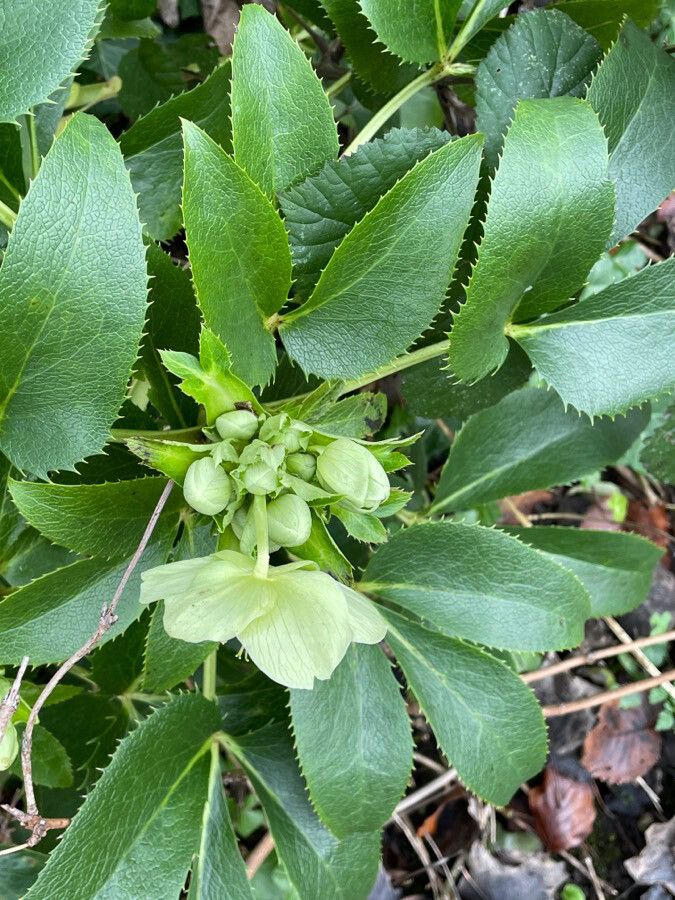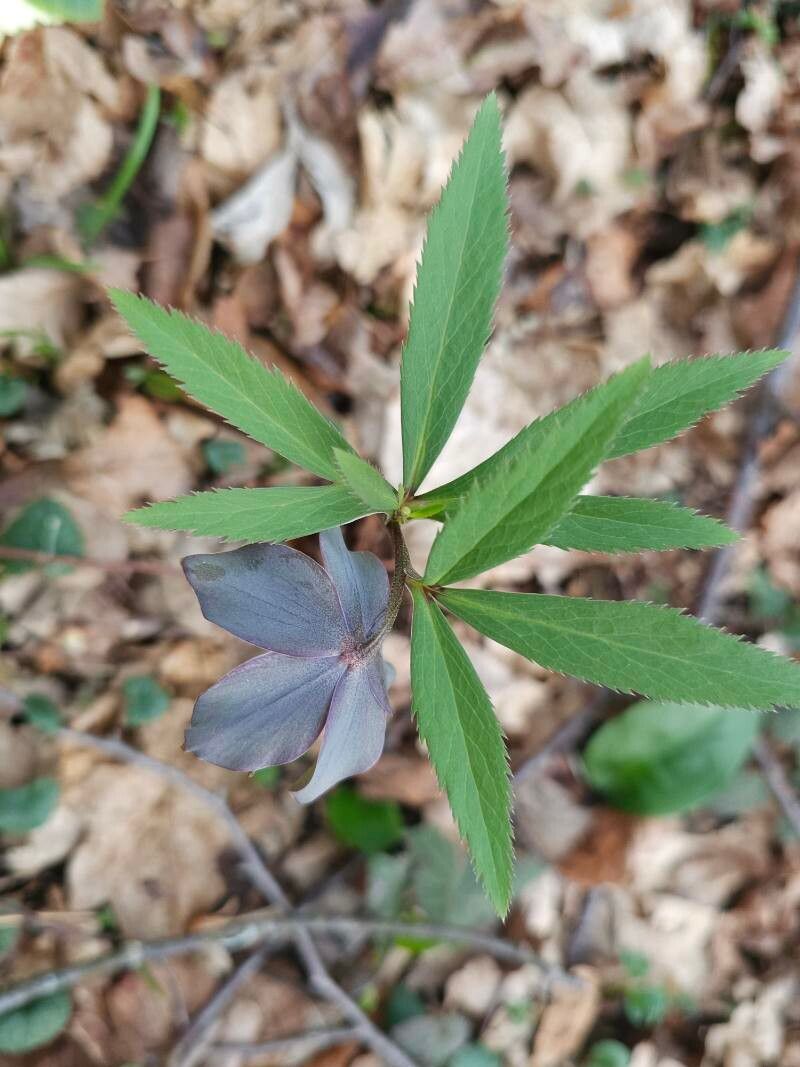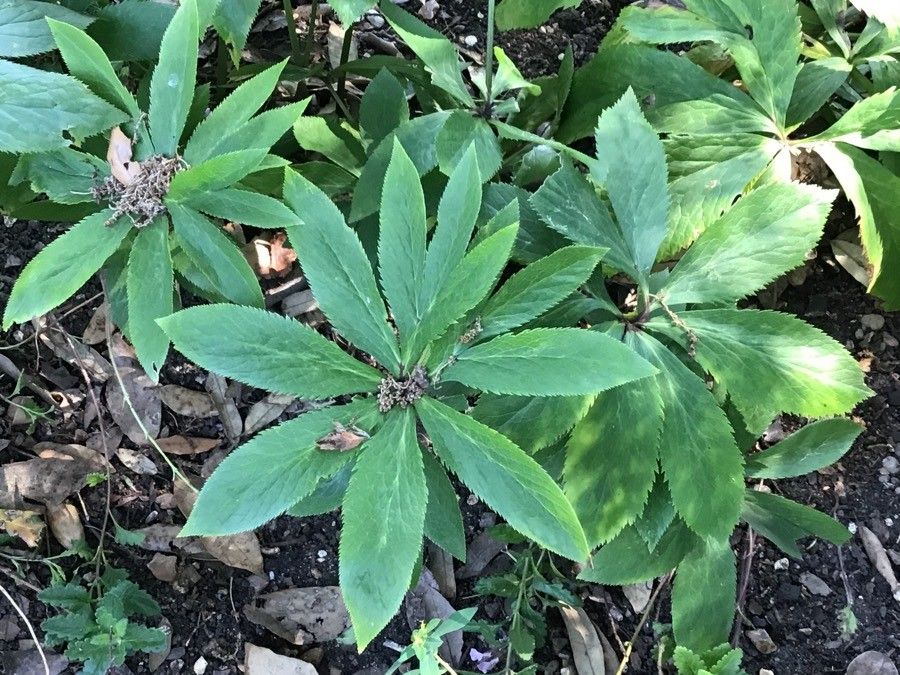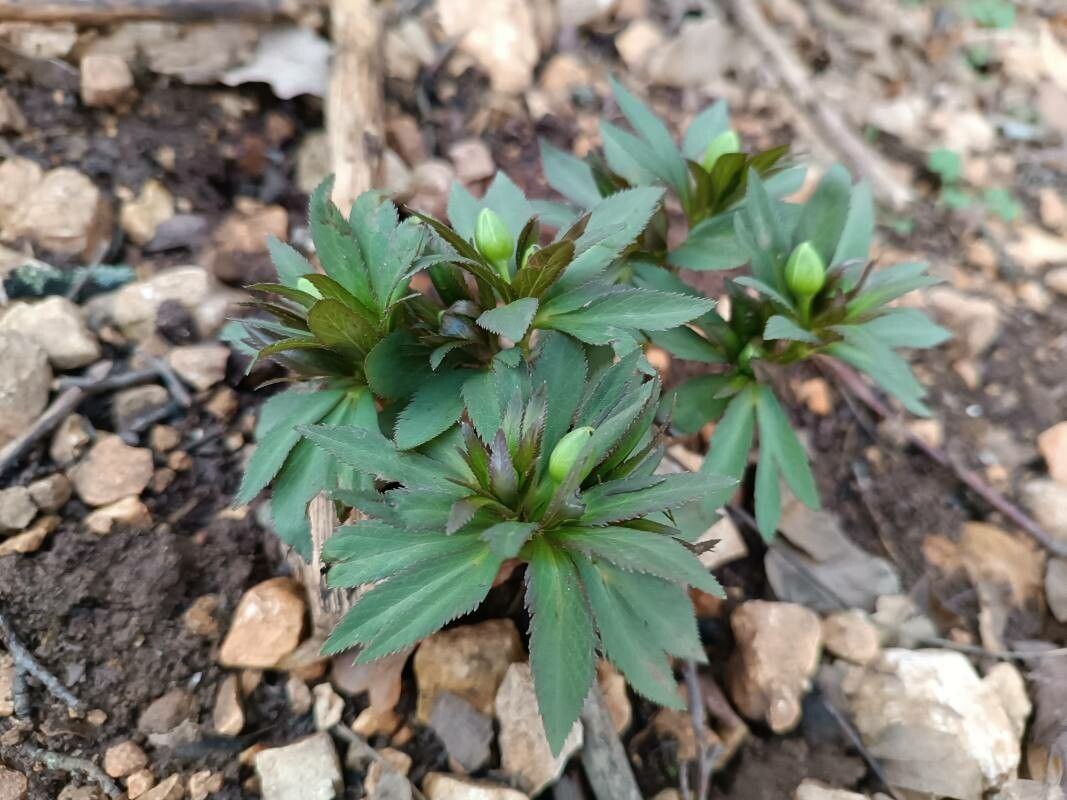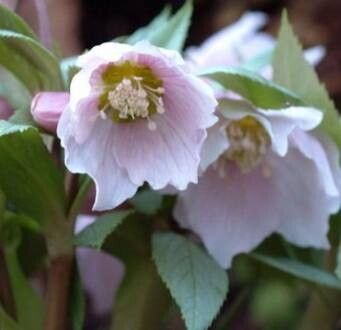
Helleborus thibetanus, the Tibetan hellebore, is a species of flowering plant in the family Ranunculaceae, native to China, in S Gansu, NW Hubei, S Shaanxi and NW Sichuan.
Tibetan hellebore is relatively resistant to disease and generally not prone to illness. Nonetheless, it can be affected by pests and diseases present in its environment. These problems are typically mild. Regarding care, the plant needs a moderate level of maintenance. It should be pruned regularly to maintain a neat appearance and promote healthy growth. Fertilizing can also help encourage flowering. Tibetan hellebore is well-suited for people with outdoor spaces like gardens or patios and does not demand extensive care experience. When grown indoors, it may require more attention.
How to keep Helleborus Thibetanus.
Light
The tibetan hellebore needs filtered, gentle sunlight to thrive. In its native habitat it is adapted to dappled sun. Excess exposure can scorch the foliage, while insufficient light can restrict its growth. Its light requirements do not change through its life stages.
Temperature
Tibetan hellebore is native to the Tibetan region and grows best in temperatures of 32 to 95 °F (0 to 35 ℃). In colder months, make sure the Tibetan hellebore is kept from freezing. Conversely, protect it from overheating in summer by providing shade.
Fertilizer
The best time to fertilize a Tibetan hellebore is in early spring, as it is coming out of dormancy and beginning active growth. Fertilization supplies essential nutrients for healthy development. Although Tibetan hellebore has fairly low fertilizer requirements, applying fertilizer once a year can improve its survival and encourage better, longer-lasting flowers.
Botanical profile.
- Plant Type
- Herb
- Life Cycle
- Perennial
- Hardiness Zone
- 3-9
- Mature Height
- 30 cm to 49 cm
- Mature Spread
- 30 cm to 46 cm
- Leaf Color
- Green
- Leaf Type
- Evergreen
- Flower Color
- Pink, White
- Flower Size
- 5.08 cm to 6.35 cm
- Bloom Time
- Late winter, Early spring
- Planting Time
- Spring
- Harvest Time
- Mid spring, Late spring
- Native Area
- China