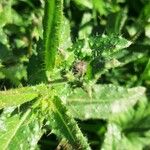
Helminthotheca echioides
تلخ زبان، · Bristly oxtongue · Bristly Ox-tongue · Oxtongue · Akan Asante
Description
Source: leafsnapHelminthotheca echioides, commonly known as the bristly ox-tongue, is a species of flowering plant in the Asteraceae family. Native to Europe and western Asia, it has also been introduced to other parts of the world. The plant can grow up to 1 meter tall and features a basal rosette of lance-shaped leaves with toothed edges. Its stem is covered in bristly hairs and produces yellow flowers that bloom from June to September. This species thrives in dry, disturbed habitats such as roadsides, waste areas, and fields, but it can also be found in meadows or along riverbanks. Historically, it has been used for medicinal purposes to treat skin conditions and respiratory problems. However, it contains high levels of alkaloids, making it toxic if ingested in large quantities by livestock or humans.
Care Guide
💧 Water Every 3 days
Bristly oxtongue flourishes in moist environments and needs consistent hydration to thrive. It prefers soil that is kept evenly moist, so regular weekly watering is essential for lush growth. In temperate climates, natural rainfall can often provide the moisture it requires. However, during dry spells, additional watering is necessary to ensure its foliage remains healthy and its flowers vigorous.
How should I water my Bristly oxtongue plant?
To water Bristly oxtongue, there are several options available such as using a garden hose with a spray nozzle, a watering can, or any other common watering tool. This plant is not too particular about the type of water it receives, and it can thrive using rainwater, tap water, or filtered water. It is generally best to avoid watering this plant from overhead as it may harm the leaves and flowers and potentially cause disease. One effective method for watering Bristly oxtongue is to set up a drip irrigation system, which ensures equal and direct watering to the soil. For Bristly oxtongue in a container, you can use a cup, watering can, or tap to directly water the soil.
What should I do if I give my Bristly oxtongue too much or too little water?
To remedy underwatering Bristly oxtongue, the solution is simple. When you notice your plant is lacking moisture, start watering it regularly. On the other hand, overwatering can be more problematic if not caught early. It can lead to diseases and the eventual decline and death of the plant. To prevent this, choose a sunny location with well-draining soil to help dry out the soil and allow excess water to drain away. If your Bristly oxtongue in a pot is overwatered, consider repotting it. The previous container may not have had proper drainage, so choose a pot with good drainage and add loose soil when repotting.
How frequently do I need to water my Bristly oxtongue plant?
Bristly oxtongue requires regular watering throughout the growing season. In spring, water this plant once per week. As the season progresses and it gets warmer, increase watering to two to three times per week. However, overwatering can be harmful. Keep the soil relatively moist but not wet. Watering a potted Bristly oxtongue is different. The soil in pots can dry out faster, so water container-grown plants a few times per week, compared to just once per week for plants in the ground.
How much water does my Bristly oxtongue plant need?
Determining the right amount of water for your Bristly oxtongue can be done in a few different ways. One approach is to check the soil for moisture and water until the top six inches feel moist. Another method is to use a set measurement, like around two gallons per week, but be aware that this may overwater the plant if it doesn't need that much. When growing in a container, you should water enough to moisten all dry soil layers, which can be checked by feeling the soil or seeing water trickle out of the drainage holes.
How can I know if I am giving enough water to my Bristly oxtongue plant?
Avoiding overwatering your Bristly oxtongue can be tricky. These plants have deep roots that need moist soil weekly, but they are prone to root rot and browning if overwatered. Underwatering is less of a concern as they can survive without much water for a while, but if you wait too long, they may wilt and develop dry leaves.
☀️ Light Full sun
Bristly oxtongue prefers intense light but can also tolerate fairly shady locations. Its natural habitat is places with abundant sunlight, which influences its ability to thrive. Excessive shade or too little light can hinder its growth, while too much sun can also be harmful.
What are the sunlight requirements for Bristly oxtongue?
Bristly oxtongue thrives in full sunlight, requiring above 6 hours of sunlight exposure to flourish. However, it can also adapt to partial sun conditions, which entail about 3-6 hours of sunlight. It's essential to observe the movement of sunlight through your garden to find spots that offer a balance of light and shade, ensuring an optimal growing environment for your plants.
How does Bristly oxtongue respond to different light conditions?
Bristly oxtongue has a strong preference for intensive light exposure and naturally inhabits areas with ample sun availability. This plant can adapt to both sunny and shaded areas, but its growth may be hindered by extreme conditions. Too little light can slow down its development, while excessive sun exposure might also be detrimental. For indoor plants, artificial lighting can be used to provide adequate lighting, especially when natural sunlight is lacking. LED lights are recommended for indoor plant lighting, with the intensity and duration tailored to mimic natural sunlight conditions as closely as possible.
What are some symptoms of light deficiency or overexposure in Bristly oxtongue?
When Bristly oxtongue is grown in conditions not meeting its light requirements, several symptoms may appear. Light deficiency can cause small leaves, leggy growth, faster leaf drop, slower or no new growth, and lighter-colored new leaves. Conversely, excessive light may result in chlorosis, sunscald, leaf curling, wilting, and leaf scorching. These symptoms indicate the plant's struggle with its current light environment, either seeking more light or suffering from too much exposure.
How can I manage light conditions for my Bristly oxtongue to ensure optimal growth?
To ensure your Bristly oxtongue enjoys optimal growth, gradually acclimate it to its ideal light conditions. If indoors and the plant is large or not easily movable, gradually moving it to a sunnier spot or using artificial light for at least 8 hours daily can help. For outdoor plants, find the best sunlight spot and move the plant progressively to prevent sunburn. Minimizing obstructions such as pruning trees or relocating the plant to a sunnier area can also benefit the plant. Note that parts of the plant previously affected by improper light conditions may not recover, but new growth should be healthy with proper light exposure.
🌡️ Temperature 15–35°C
Bristly oxtongue naturally occurs in habitats where temperatures commonly sit between 68 and 95°F (20 to 35℃), preferring warmer conditions. In colder seasons, it is recommended to raise its surroundings to reach these temperature preferences.
What is the ideal temperature range for Bristly oxtongue?
Bristly oxtongue, known botanically as Helminthotheca echioides, thrives in temperatures ranging from 68 to 95°F (20 to 35°C). These conditions are considered optimal for its growth, indicating a preference for warmer environments. Despite its resilience to colder temperatures, maintaining an environment within this temperature range is advisable, especially in colder seasons, to promote its health and vitality.
How should Bristly oxtongue be protected during winter?
Bristly oxtongue possesses strong cold resistance, eliminating the need for special frost protection in many cases. Nonetheless, in situations where winter temperatures are anticipated to fall below -15°C, it becomes crucial to implement cold protection strategies. Covering the plant with insulating materials like soil or straw can offer sufficient protection. Additionally, watering the plant abundantly before the first freeze in autumn, ensuring the soil stays moist into the frozen state, helps prevent drought and water scarcity throughout the winter and early spring, thereby aiding in the plant's survival during cold months.
What are the symptoms of low temperature stress in Bristly oxtongue, and how can they be addressed?
Bristly oxtongue shows remarkable tolerance to cold environments and ideally should not be exposed to temperatures below 0°C during the winter. If temperatures plummet below -15°C, the plant may not exhibit immediate distress, but there's a noticeable impact on its ability to sprout in spring. Some plants may show a decrease in sprouting or fail to sprout at all. To manage these symptoms, it's advisable to remove any parts of the plant that fail to sprout in spring, allowing for healthier regeneration and growth.
How does high temperature affect Bristly oxtongue and what solutions are available?
During the summer months, it's important to ensure that Bristly oxtongue does not endure temperatures exceeding 35°C. Exposure to temperatures above 41°C can lead to a range of issues including leaves becoming lighter in color, curling, susceptibility to sunburn, and, in severe cases, the whole plant may wilt and dry out. To mitigate these effects, it is recommended to trim away any parts of the plant that are sunburned or dried up, move the plant to a shaded area away from direct midday and afternoon sun, or utilize a shade cloth for protection. Regular watering in the morning and evening helps maintain soil moisture, further protecting the plant from the stress of high temperatures.
💨 Humidity
🪴 Soil 6-7
🌱 Fertilizer
Bristly oxtongue responds well to regular, dilute fertilizer applications to encourage healthy leaf development. You should apply fertilizer about once a month during the summer. Nitrogen is important for foliage, and adding nitrogen-rich sources helps Bristly oxtongue thrive.
🪴 Pot & Repot
✂️ Pruning
🌿 Propagating
🐛 Diseases & pets
☠️ Toxicity
Helminthotheca echioides has no toxic effects reported.
Characteristics
- Plant Type
- Herb
- Life Cycle
- Annual, Biennial
- Genus
- Helminthotheca
- Family
- Asteraceae
- Hardiness Zone
- 7-10
- Mature Height
- 91 cm
- Mature Spread
- 40 cm
- Leaf Color
- Green
- Leaf Type
- Deciduous
- Flower Color
- Yellow
- Flower Size
- 2.03 cm to 3.56 cm
- Bloom Time
- Summer
- Planting Time
- Autumn, Winter
- Harvest Time
- Mid summer, Late summer, Early fall
- Native Area
- Libya, Egypt, Turkey, Austria, Slovakia, Montenegro, Slovenia, Morocco, Croatia, Belarus, Russia, Iraq, Jordan, Portugal, Netherlands, France, Tunisia, Cyprus, Bulgaria, Armenia, Greece, Ukraine, Lebanon, Serbia, Syria, Italy, Spain, Switzerland, Bosnia and Herzegovina, Israel, Iran, Albania, Azerbaijan, Algeria, Turkmenistan