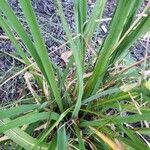
Hemerocallis minor
Dwarf yellow day-lily · Grass-leaf day-lily · Small daylily · Dwarf Daylily
Description
Source: leafsnapHemerocallis minor, commonly known as the dwarf daylily, is a perennial flowering plant that belongs to the family Asphodelaceae. Native to Asia, it has been widely cultivated as an ornamental plant in gardens and landscapes around the world. The plant typically grows up to 30 cm in height and features narrow, grass-like green leaves. Its trumpet-shaped flowers, with six petals, come in shades of yellow or orange, often with a darker center. These blooms appear from late spring through summer, rising on tall stems above the foliage. Hemerocallis minor thrives in full sun or partial shade and prefers well-drained soil with moderate moisture levels. Once established, it is a hardy plant that can even tolerate drought conditions. The dwarf daylily is easy to grow and maintain, making it an ideal choice for novice gardeners or those seeking low-maintenance plants for garden beds or borders. Its vibrant flowers add color and visual interest to any landscape, while also attracting pollinators like bees and butterflies. Overall, Hemerocallis minor is a beautiful flowering perennial that brings charm to any garden setting with minimal care from its owner.
🌳 The dwarf yellow daylily is a vibrant and easy-to-grow plant, known for its bright yellow flowers. It's often used to enhance the front edges of borders or planted in small clusters. Due to its low water needs, it's a great choice for rock gardens and naturalized areas. Additionally, this plant can help control erosion on slopes, making it a practical and attractive option for various landscapes.
Care Guide
💧 Water Every 3 days
The dwarf yellow daylily thrives in well-drained soil and prefers consistent moisture, though it can tolerate occasional drought. Watering it weekly helps maintain its health. When grown outdoors, it benefits from rainwater, which enhances its flowering potential.
How should I water my Dwarf yellow daylily?
To ensure the health of the Dwarf yellow daylily, it's important to water it correctly. Start by using filtered water at room temperature, as tap water can contain harmful particles. This is crucial because the plant is accustomed to a warm environment, and cold water can be a shock to its system. Additionally, it's best to avoid overhead watering, as it can lead to issues with the foliage. Instead, simply water the soil until it's completely soaked. This method is beneficial because it provides moisture to the roots, allowing them to continue spreading and gathering the necessary nutrients.
What should I do if I give my Dwarf yellow daylily too much or too little water?
Overwatering is a common issue that can harm your Dwarf yellow daylily. When this happens, the stems and leaves may wilt and turn yellow. Overwatering can also cause diseases like root rot, mold, and mildew, which can be fatal to your plant. On the other hand, underwatering is less likely for the Dwarf yellow daylily, as it can tolerate drought. However, if underwatering occurs, the leaves may become brittle and brown. It's important to notice signs of overwatering early and reduce watering immediately. If the soil doesn't drain well, replace it with a loose, well-draining potting mix. If the signs indicate the plant needs more water, simply increase the watering schedule until the signs subside.
How frequently should I give water to my Dwarf yellow daylily?
If your Dwarf yellow daylily is in a pot, you can determine if it needs water by sticking your finger into the soil. If the top two to three inches of soil are dry, it's time to water. For outdoor Dwarf yellow daylilies in the ground, the same method can be used. If the first few inches of soil are dry, it's time to water. Usually, during spring and early fall, watering once a week is sufficient. However, during extremely hot weather, you may need to water twice or more per week. It's worth noting that mature and well-established Dwarf yellow daylilies have a great ability to withstand drought.
How much water does my small yellow daylily need?
To properly water your Dwarf yellow daylily, don't hold back on the amount of water you give. Make sure the top two to three inches of soil are dry before watering, and then give the plant a thorough watering that fully saturates the soil. The water should flow out of the pot's drainage holes to ensure you've given enough, but be careful not to let water accumulate in the soil, as this can harm the plant. On the other hand, if you see no water draining from the pot, you may have underwatered or have poorly draining soil, both of which are harmful to the plant. If the plant is outside, 1 inch of rain per week will be enough.
How do I water my Dwarf yellow daylily as it grows?
The water needs of the Dwarf yellow daylily vary depending on its growth stages. In the first few years of its life or when recently transplanted, it requires more water. During these stages, the plant focuses on growing new roots that will support future growth, so they need additional moisture. As the Dwarf yellow daylily matures, it will require less water. Additionally, during the bloom period, the plant may need more water as flower development requires significant moisture.
☀️ Light Full sun
The dwarf yellow daylily depends largely on regular sunlight for healthy development. While it performs best where the sun is unblocked, it can tolerate locations with partial shade. Insufficient light can limit its growth, and too much light may possibly damage its form and coloration.
What are the sunlight requirements for a Dwarf yellow daylily?
The Dwarf yellow daylily thrives best when exposed to consistent sunlight. It requires 'Full sun', meaning it should receive above 6 hours of sunlight daily for optimal growth. However, it can also grow under 'Partial sun' conditions, where it would get about 3-6 hours of sunlight. It's essential to watch how sunlight moves through your garden to ensure your plants get the perfect balance of light and shade, which contributes to their happiness and health.
How important is sunlight for the growth of a Dwarf yellow daylily?
Sunlight plays a crucial role in the growth and health of the Dwarf yellow daylily. It is heavily reliant on consistent exposure to sunlight, fostering robust growth. The plant performs best in unobstructed sunlight but can also withstand partially obscured sunlight. Insufficient sun exposure may stunt the plant's growth, while too much direct light can damage its structure and color. During periods of insufficient natural sunlight, especially in winter or in less sunny spaces, indoor plants can benefit from artificial lighting. LED lights are recommended for their ability to provide the specific wavelengths needed for plant growth, with the amount of light adjusted based on the plant's needs for full sun, partial sun, or full shade conditions.
What symptoms indicate a Dwarf yellow daylily is getting too little or too much sunlight?
Symptoms of light deficiency in Dwarf yellow daylily include small new leaves, leggy or sparse growth, faster leaf drop, slower or no new growth, and lighter-colored new leaves. These are indicators that the plant is not receiving adequate sunlight. Conversely, symptoms of excessive sunlight exposure include chlorosis (leaves turning yellow due to chlorophyll breakdown), sunscald (damage from intense exposure), leaf curling, wilting, and leaf scorching. Each symptom indicates a different aspect of stress related to light exposure, highlighting the need for a balanced light environment for the plant.
What are the solutions for managing sunlight exposure for Dwarf yellow daylilies?
To manage sunlight exposure for Dwarf yellow daylilies effectively, consider the following strategies: Indoor solutions include gradually moving plants to sunnier locations each week until they receive at least 6 hours of direct sunlight daily. Use a south-facing window and keep curtains open during the day. Artificial lights can supplement natural sunlight for plants that are large or difficult to move. For outdoor plants, move them gradually to sunnier spots to avoid sunburn. Ground care involves reducing obstructions like branches that block sunlight and transplanting smaller plants during their dormant period to locations with ample sunlight. While parts of the plant already affected by light issues may not recover, new growth will respond positively to improved light conditions.
🌡️ Temperature 0–35°C
Dwarf yellow daylily can tolerate a wide range of temperatures, but its distribution may still be restricted by different combinations of moisture and heat. It grows best in warm summers with sufficient rainfall or regular watering. Extended periods of cloudy, rainy weather, as well as prolonged high temperatures, can increase the likelihood of the dwarf yellow daylily dying. In winter, adequate protection from cold can improve the plant's chances of survival.
💨 Humidity
🪴 Soil 6-7
🌱 Fertilizer
The best time to fertilize a Dwarf yellow daylily is in early spring, when it is coming out of dormancy and beginning active growth. Fertilization supplies essential nutrients for healthy development. Although the Dwarf yellow daylily has relatively low fertilizer needs, applying fertilizer annually can improve its survival and encourage better, longer-lasting flowers.
Why should I use fertilizer for my Dwarf yellow daylily?
Fertilization is important for the Dwarf yellow daylily for various reasons. Primarily, it provides essential nutrients for the plant's growth above and below ground. However, compared to other plants, the Dwarf yellow daylily requires relatively low levels of fertilization. While it can survive without fertilization, annual fertilization is highly beneficial as it promotes the plant's survival and may enhance the quality and longevity of its flowers. Therefore, those looking to optimize the appearance of their Dwarf yellow daylily should prioritize annual fertilization.
When should I fertilize my Dwarf yellow daylily for the best results?
To ensure healthy growth, it is best to fertilize a Dwarf yellow daylily in the late winter to early spring as it exits its dormant phase and starts actively growing. This gives the plant a good start to the season. Fertilizing in the fall is also acceptable, but it is not recommended to feed the plant during summer and winter.
When is it not a good idea to add fertilizer to my Dwarf yellow daylily?
To properly care for your Dwarf yellow daylily, only fertilize it during late winter and early spring. This plant has low fertilization needs, so one feeding per year is enough. Avoid fertilizing during spring, summer, and fall to prevent overfertilization and its complications. However, if you missed fertilizing in spring, you can fertilize in fall. Additionally, there is no need to fertilize the plant during winter since it is in a dormant growth phase and does not produce new growth.
What kind of plant food does my small yellow daylily need?
For a Dwarf yellow daylily, any general-purpose fertilizer with balanced amounts of the three main plant nutrients will work well. However, there are specific blends that can be even more beneficial. Many gardeners believe that higher levels of phosphorus result in stronger roots and better flowers. Since Dwarf yellow daylilies are flowering plants, using a phosphorus-rich fertilizer may be the best option. You can choose between granular or liquid forms of fertilizer as long as they contain sufficient nutrients. In addition to manufactured fertilizers, organic options such as compost and manure can greatly improve the soil for your Dwarf yellow daylily. These materials are effective in creating a healthy growing medium for your plant.
How can I add fertilizer to my Dwarf yellow daylily?
The most common way to fertilize a Dwarf yellow daylily is by using granular or pellet fertilizer. It's important to fertilize the plant when it transitions from winter dormant growth to active growth. In early spring, wait for shoots to emerge and then apply the fertilizer. Alternatively, some people may opt for liquid fertilizer, in which case it should be diluted with water. Regardless of the type of fertilizer used, it's beneficial to moisten the soil before, during, and after application.
🪴 Pot & Repot
✂️ Pruning
Prune dwarf yellow daylilies in early to late spring to remove dead foliage and spent flowers. This practice enhances air circulation and promotes healthy growth. Tidying the plants after they bloom helps conserve energy. Be sure to use sharp, sterile tools to prevent disease. Regular pruning improves blooming, controls plant size, and prevents overcrowding, all of which support the health and aesthetics of dwarf yellow daylilies.
🌿 Propagating
🐛 Diseases & pets
☠️ Toxicity
Characteristics
- Plant Type
- Herb
- Life Cycle
- Perennial
- Genus
- Hemerocallis
- Family
- Asphodelaceae
- Hardiness Zone
- 3-9
- Mature Height
- 30 cm to 61 cm
- Mature Spread
- 23 cm to 30 cm
- Leaf Color
- Green
- Leaf Type
- Deciduous
- Flower Color
- Yellow, Orange
- Flower Size
- 2.54 cm to 7.62 cm
- Bloom Time
- Early summer, Mid summer
- Planting Time
- Spring, Autumn
- Harvest Time
- Late summer, Early fall
- Native Area
- Russia, Mongolia, Koppen, South Korea, China