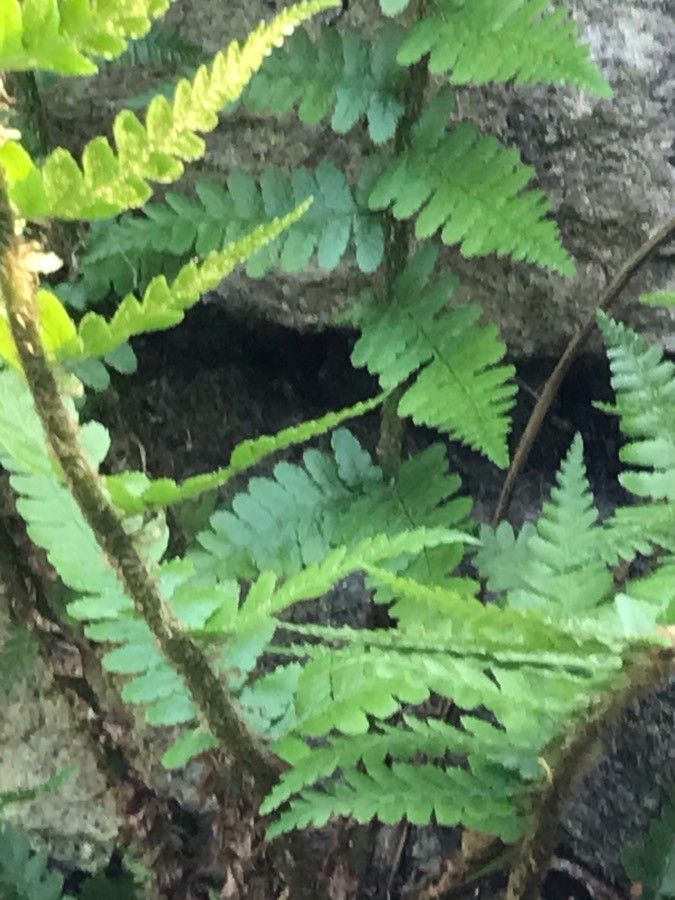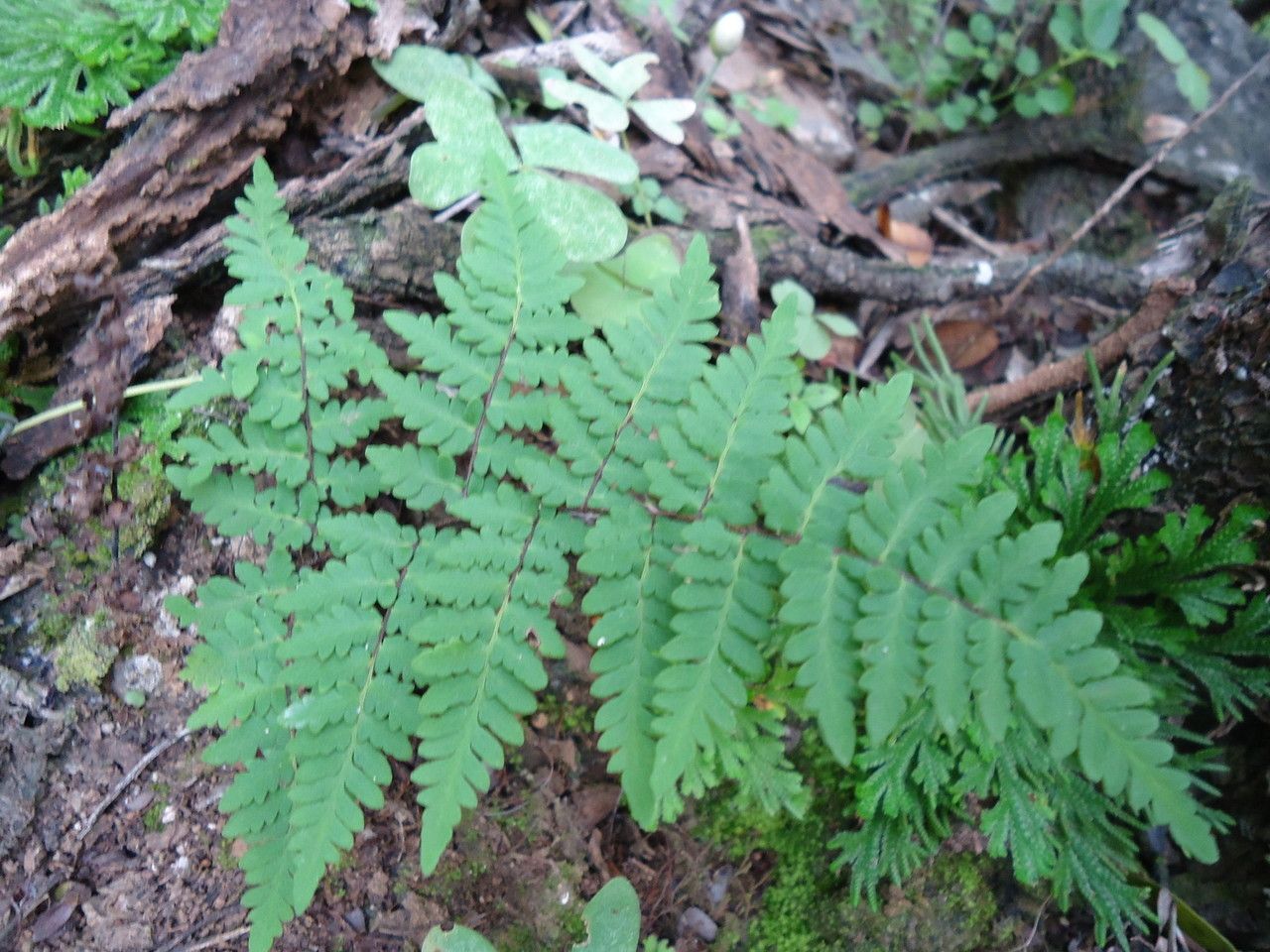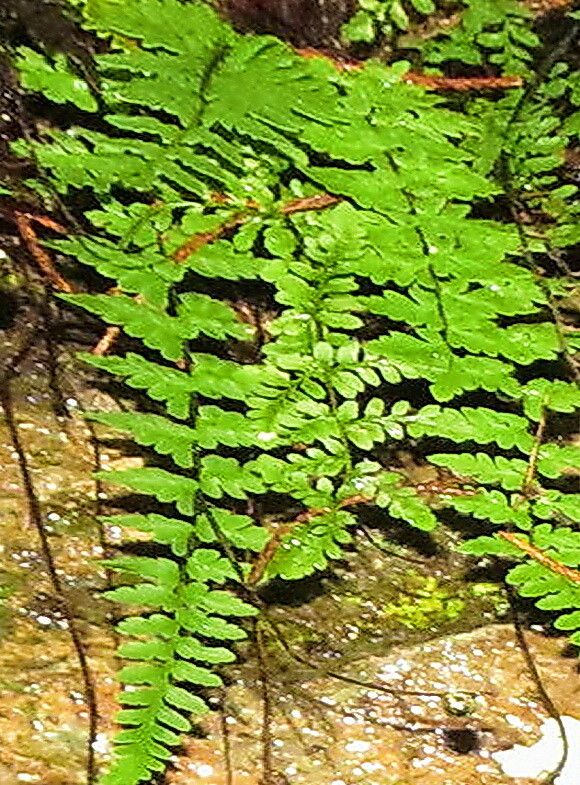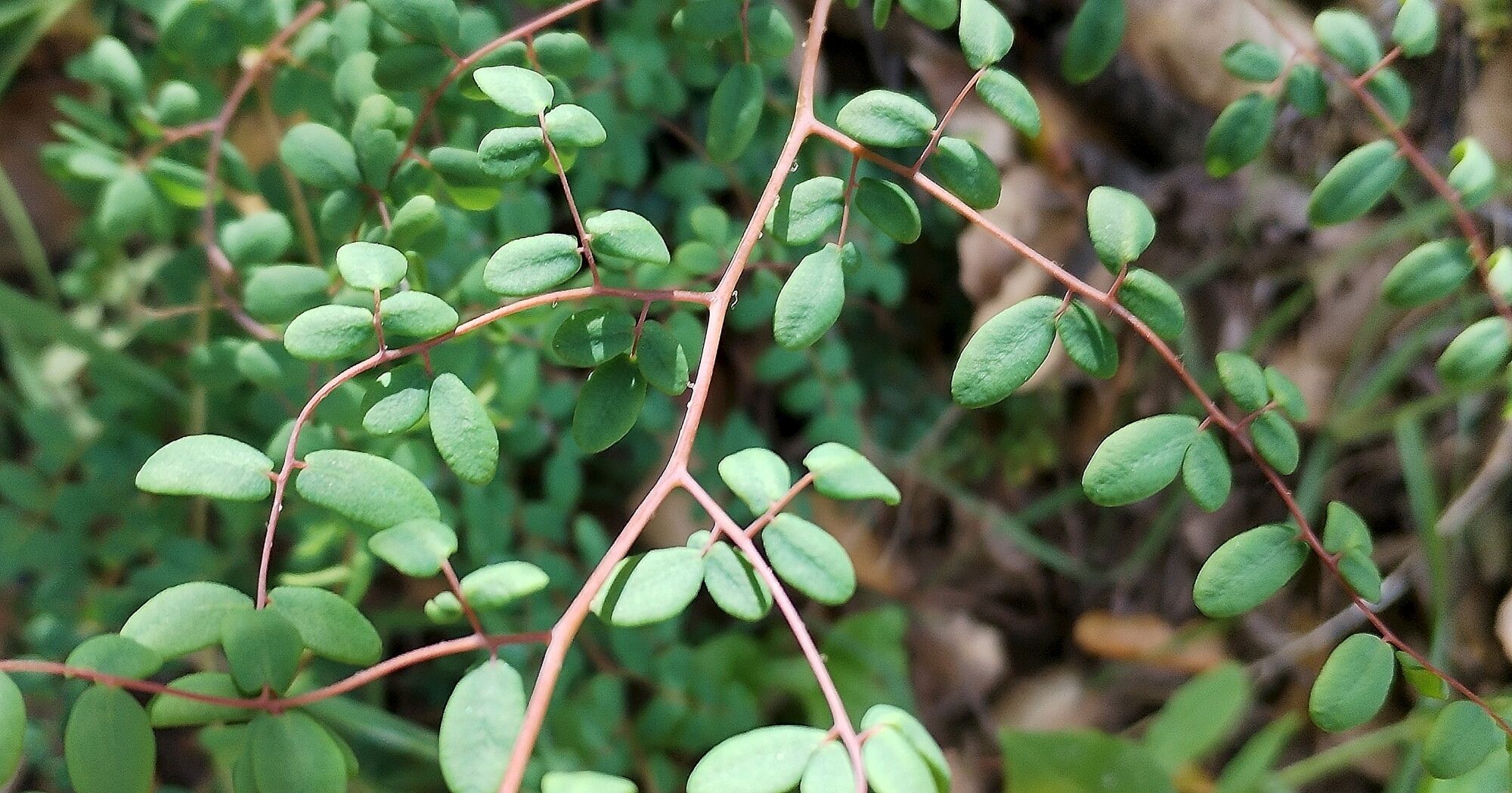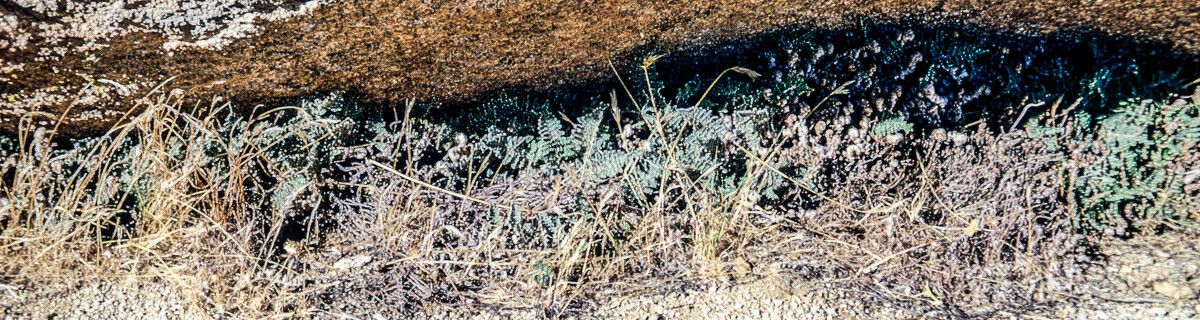
Myriopteris covillei, commonly known as Coville's lip fern, is a small fern found in the southwestern United States and on the Baja California peninsula, with an outlying population in southern Oregon. Its leaves grow in clusters and are dissected into beadlike segments; the undersides of the leaf axes are covered with whitish scales that conceal the green tissue of the leaf. One of the cheilanthoid lip ferns, it was usually classified in the genus Cheilanthes as Cheilanthes covillei until 2013, when the genus Myriopteris was again recognized as separate from Cheilanthes. The species usually grows on or near rocks. It is named in honor of the botanist Frederick Vernon Coville, co-collector of the type specimen in 1891.
Coville's lipfern typically shows strong resistance to disease and is affected by relatively few insect pests. Its care is considered difficult because it needs a moist environment and frequent watering. However, the roots are prone to rotting if it is overwatered or kept in poor ventilation. Coville's lipfern is suitable for people with some growing experience, as most individuals can keep it alive for a certain amount of time. Nonetheless, the plant may struggle to thrive and its leaves can dry out and become less healthy over time.
How to keep Hemionitis Covillei.
Light
Coville's lipfern stems from habitats such as the understories of forests or stony regions that naturally provide shade. Though it ideally thrives in Full Shade, it can endure conditions of Partial Sun.
Botanical profile.
- Plant Type
- Fern
- Life Cycle
- Perennial
- Genus
- Hemionitis
- Family
- Pteridaceae
- Hardiness Zone
- 5-9
- Mature Height
- 10 cm to 30 cm
- Mature Spread
- 10 cm to 20 cm
- Leaf Color
- Dark Green, Olive Drab
- Leaf Type
- Evergreen
- Planting Time
- Spring
- Native Area
- Mexico