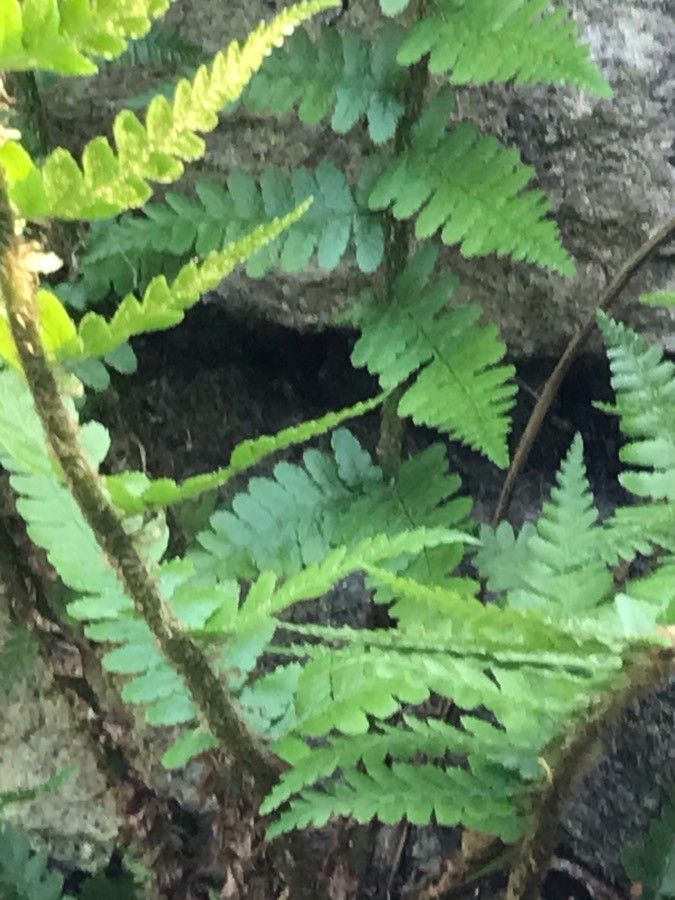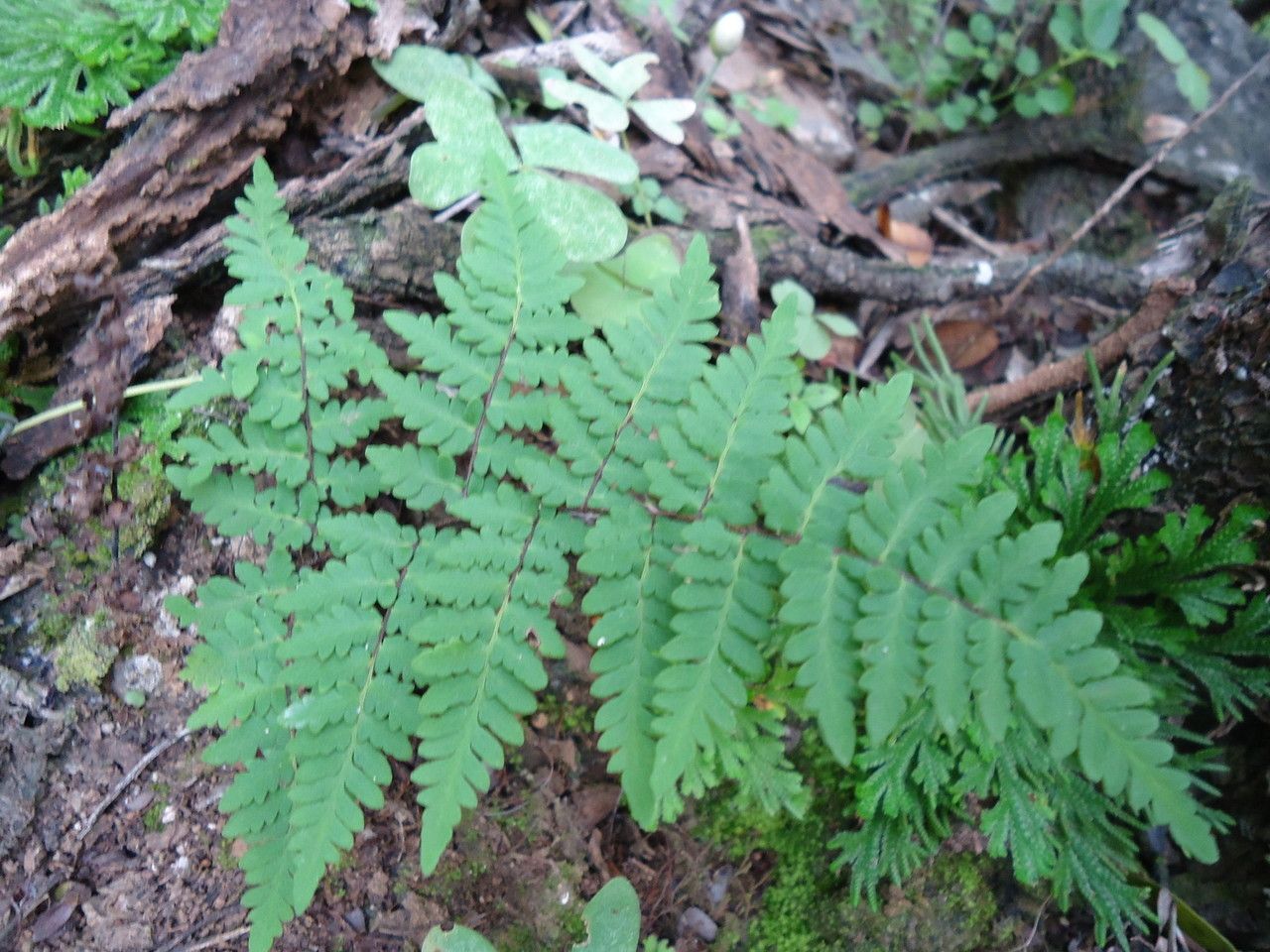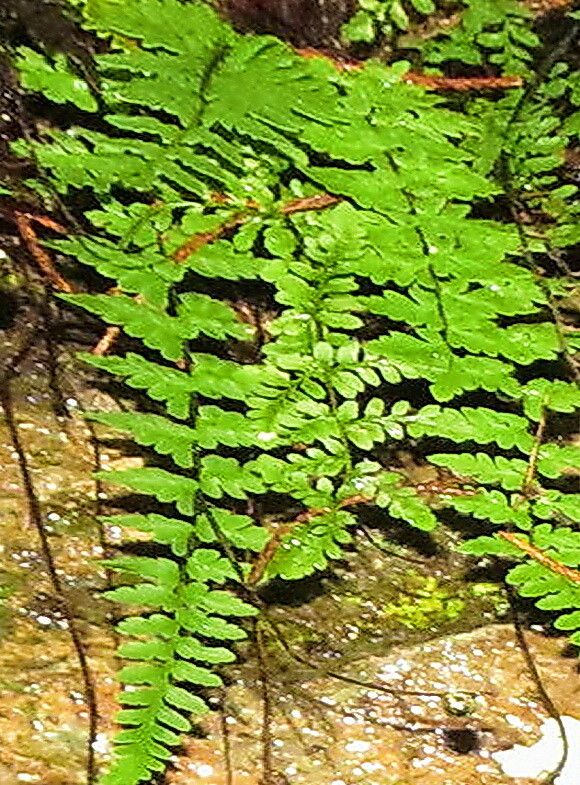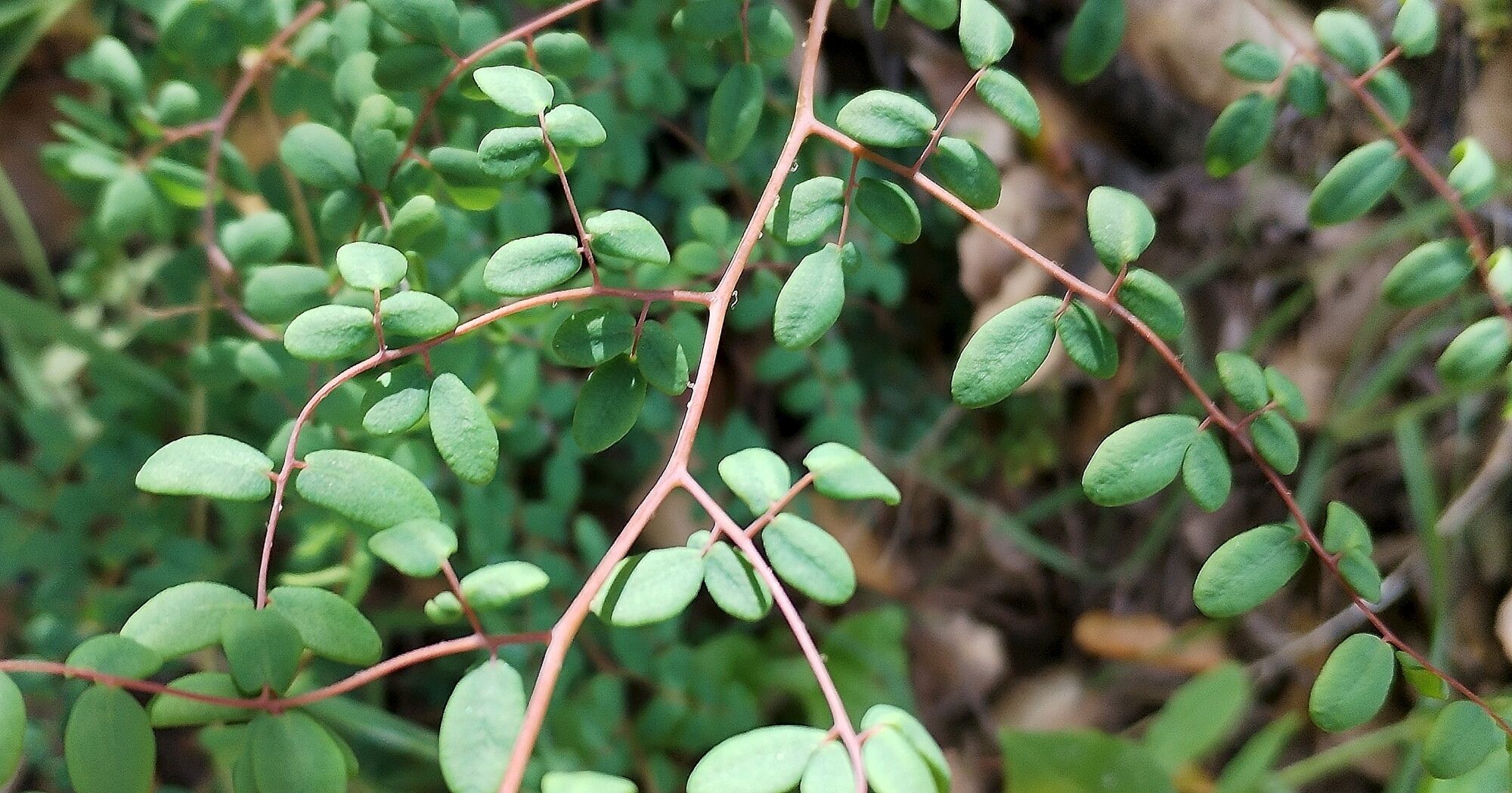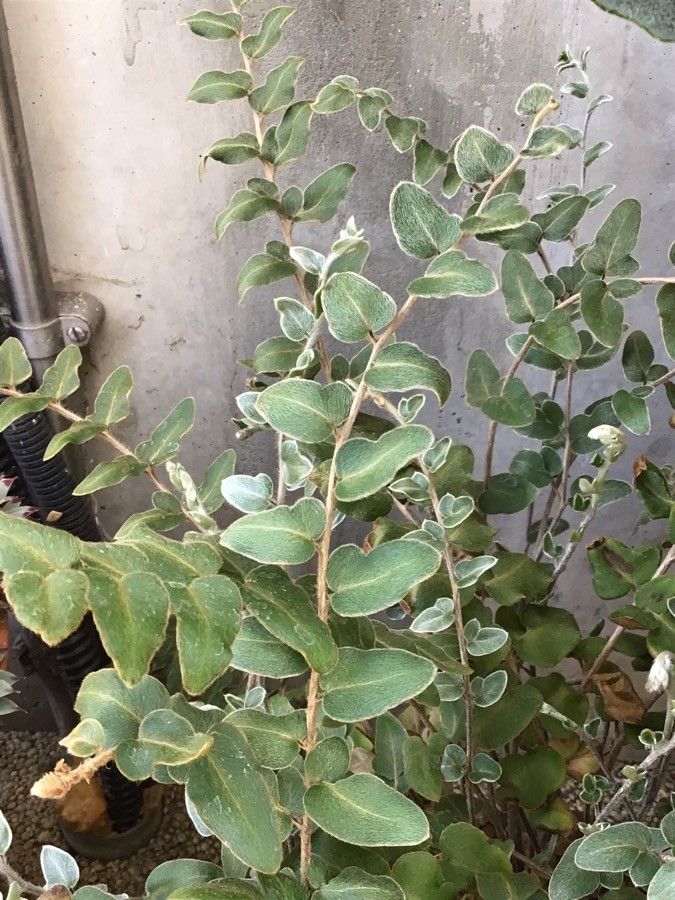
Paragymnopteris vestita generally resists disease well and has relatively few insect pests. Its care is considered difficult, since it needs a consistently moist environment and frequent watering. At the same time, the roots are susceptible to rot if the plant is overwatered or kept in an area with poor ventilation. Paragymnopteris vestita is more appropriate for people with some growing experience; most people can keep it alive for a time. Nevertheless, it can struggle to thrive, and its fronds may dry out and decline in health over time.
How to keep Hemionitis Vestita.
Light
Paragymnopteris vestita is native to habitats such as forest undergrowth or rocky regions, which provide natural shading. It thrives best in Full Shade sunlight conditions, however, it can moderately withstand Partial Sun.
Temperature
Paragymnopteris vestita is native to regions with a tropical climate, characterized by high heat and humidity. Consequently, it has developed adaptations for thriving in high-heat, high-humidity conditions. Any abrupt changes in temperature are not favorable to this plant, emphasizing the need for a consistent temperature setting when kept in an indoor environment. Generally, it does not fare well in cold weather and calls for elevated temperatures to foster growth. Excessive cold can potentially inhibit its growth or, in extreme cases, cause the plant to perish.
Botanical profile.
- Plant Type
- Fern
- Life Cycle
- Perennial
- Genus
- Hemionitis
- Family
- Pteridaceae
- Hardiness Zone
- 10-12
- Mature Height
- 10 cm to 20 cm
- Mature Spread
- 15 cm to 30 cm
- Leaf Color
- Dark Green, Forest Green
- Leaf Type
- Evergreen
- Planting Time
- Autumn, Winter
- Native Area
- Nepal, India, Myanmar, Bhutan, Philippines, Pakistan, Thailand, China