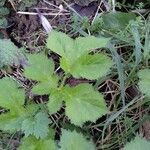
Heracleum sphondylium
Hogweed · Cow Parsnip · Meadow-parsnip · Eltrot · Meadow Cow Parsnip
Description
Source: leafsnapHeracleum sphondylium, commonly known as hogweed or cow parsnip, is a perennial plant in the Apiaceae family. Native to Europe and Asia, it has also spread to North America and various other regions worldwide. This plant can grow up to 2 meters tall and features large, deeply lobed leaves with toothed edges. Its flowers, which can be white or pinkish, form large umbels that can reach up to 20 cm in diameter. Hogweed thrives in moist soils and is often found in meadows, hedgerows, woodland edges, riverbanks, and other damp habitats. While it serves as a valuable nectar source for bees, it can be toxic to humans and livestock if ingested, due to its high concentration of furanocoumarins. In traditional medicine, hogweed has been utilized for its anti-inflammatory properties and for treating skin conditions like eczema. However, caution is necessary when handling the plant, as it can cause skin irritation. Overall, Heracleum sphondylium is a fascinating plant with both beneficial uses and potential dangers if not handled properly.
💡 Cow parsnip can be enjoyed as a vegetable or a versatile wild spice. However, it has a poisonous counterpart known as giant hogweed (Heracleum mantegazzianum). Giant hogweed contains toxic sap that can cause severe skin irritation in humans. While many Heracleum species look alike, giant hogweed stands out because it can grow up to 4 meters tall, making it significantly taller than the others.
🌳 Historically, cow parsnip has been used as a natural source of dye. Its flowers, when processed, produce a yellow dye. Additionally, a pigment extracted from cow parsnip can be used in textile production, providing an eco-friendly alternative to synthetic dyes. The use of its pigments is seen as a promising option for sustainable practices in the fashion industry.
🎭 Might, vigor and potency
Care Guide
💧 Water Every 3 days
Cow parsnip, which originally comes from damp meadows and riversides, thrives in areas with consistent soil moisture. It benefits from weekly watering and is highly efficient at managing rainwater in outdoor environments. This makes it well-suited for temperate climates where the rainfall patterns match its natural needs.
How much water does my Cow parsnip plant need?
When watering your Cow parsnip, don't hesitate to give it a generous amount of water. Make sure the top two to three inches of soil are dry before watering. It's best to thoroughly water the plant so that the soil is completely soaked. You can pour enough water until it starts to drain from the bottom of the pot. If you don't see any excess water draining, it means you haven't watered enough. However, be careful not to let water accumulate in the soil as it can harm the plant. On the other hand, if water doesn't drain well from the pot, it could mean the soil doesn't drain properly, which is bad for the plant's health. If the plant is outdoors, one inch of rain per week should be enough.
How should I water my Cow parsnip plant in the best way?
To properly water the Cow parsnip, consider using filtered water at room temperature. Filtered water is preferred over tap water because tap water may contain harmful particles. Furthermore, it is important to use water that is at room temperature or slightly warmer. This is because the Cow parsnip is accustomed to warm environments, and cold water may shock its system. Additionally, avoid overhead watering as it can cause issues with the foliage. Instead, aim to thoroughly soak the soil using your filtered, room temperature water. This helps to moisturize the roots and aids in their spread throughout the soil, allowing them to collect the necessary nutrients for the plant's overall health.
What should I do if I give my Cow parsnip too much or too little water?
Overwatering is a common issue for Cow parsnip and can cause wilting, yellowing leaves, and diseases like root rot. It's important to notice these signs early and reduce watering immediately. If the soil drains poorly, replace it with a well-draining potting mix. Underwatering is less common, but if the leaves become brittle and brown, water more regularly until the signs subside.
How frequently should I water my Cow parsnip plant?
If your Cow parsnip plant is in a pot, the most precise way to determine if it needs water is by checking the moisture level of the soil. Simply stick your finger into the soil and if you find that the top two to three inches are dry, it's time to water it. For those who grow their Cow parsnip outdoors in the ground, you can use a similar method to test the soil. Once again, if you notice that the top few inches of soil have dried out, it's time to give it some water. During the spring and early fall, you'll often need to water this plant about once a week using this method. However, when it gets extremely hot, you may need to increase your watering frequency to twice or even more per week. It's important to note that mature, well-established Cow parsnip plants have the impressive ability to withstand drought.
How do I water my Cow parsnip when it is growing at different stages?
The water needs of the Cow parsnip can vary depending on its growth stages. When it is young or recently transplanted, it requires more water. During this time, it focuses on growing new roots, which need extra moisture to support future growth. As it matures, the Cow parsnip requires less water. Additionally, during the bloom period, the plant may need more water as the development of flowers utilizes a significant amount of moisture.
☀️ Light Full sun
Cow parsnip grows best with ample sunlight, though it can tolerate periods of reduced sun exposure. In its native habitat it often thrives in areas where the sun is plentiful. Insufficient sunlight can stunt growth and lead to sparse foliage. Conversely, excessively intense sun may scorch the leaves and weaken the plant's overall health.
What are the sunlight requirements for Cow Parsnip?
Cow Parsnip requires generous sunlight exposure to thrive but can endure periods of reduced sun exposure. In its native habitat, it often flourishes in landscapes where the sun is abundant. Insufficient sunlight may lead to stunted growth and sparse foliage, whereas overly intense sun exposure could result in scorched leaves and weakened overall health. Full sun is defined as above 6 hours of sunlight per day, and partial sun is about 3-6 hours of sunlight. It's crucial to watch how sunlight moves through your garden to ensure plants receive the perfect balance of light and shade.
How can artificial lighting be used for indoor plants?
Artificial lighting can be necessary for indoor plants when natural sunlight is insufficient, especially in winter or less sunny spaces. It promotes faster, healthier growth. LED lights are recommended because they can provide specific wavelengths needed by the plants. For full sun plants, 30-50W/sq ft of artificial light is needed. Partial sun plants need 20-30W/sq ft, and full shade plants require 10-20W/sq ft. The light should be placed 12-36 inches above the plant to mimic natural sunlight, and most plants can benefit from 8-12 hours of light per day.
What are the symptoms of insufficient sunlight in Cow Parsnip?
Symptoms of insufficient sunlight in Cow Parsnip include smaller new leaves, leggy or sparse growth, faster leaf drop, slower or no new growth, and lighter-colored leaves indicating a lack of chlorophyll. Excessive sunlight can cause chlorosis, sunscald, leaf curling, wilting, and leaf scorching, impacting the plant's ability to photosynthesize and maintain overall health.
What are the solutions for dealing with insufficient sunlight for Cow Parsnips?
To address insufficient sunlight, gradually move indoor plants to a sunnier location to receive at least 6 hours of direct sunlight daily, utilizing south-facing windows and keeping curtains open during the day. For large or immovable plants, consider using artificial light sources, like a desk lamp or professional plant grow lights, for at least 8 hours daily. Outdoor plants should be gradually moved to sunnier spots to avoid sunburn. Reducing obstructions, like pruning trees blocking sunlight, and transplanting smaller plants to sunnier locations with good drainage during their dormant period, can also help.
🌡️ Temperature 5–32.2°C
Cow parsnip is a plant native to habitats where the average temperature generally lies between 68 to 95 °F (20 to 35 ℃). To promote healthy growth, it is best to adjust the environment so temperatures stay within this range through different seasons.
What is the native environment for Cow Parsnip?
Cow parsnip is native to environments where the average temperature typically ranges between 68 to 95 °F (20 to 35 °C). To ensure healthy growth, it's important to adjust the surroundings to maintain this temperature range across different seasons.
Does Cow Parsnip need frost protection?
Cow parsnip possesses strong cold resistance, thus special frost protection measures are usually not necessary during winter. However, if winter temperatures are expected to drop below the growth limit temperature, providing cold protection by covering the plant with materials like soil or straw is important. Abundant watering before the first freeze in autumn, to maintain moist soil entering a frozen state, is recommended to prevent drought and water scarcity during winter and early spring.
What are the temperature limits for Cow Parsnip growth?
Cow parsnip thrives best when temperatures are kept above the suitable growth minimum temperature during winter and below the suitable growth maximum temperature during summer. If temperatures fall below the growth limit temperature, there might be a decrease in sprouting or even no sprouting in spring. When temperatures exceed the tolerable growing maximum, leaves may become lighter in color, prone to curling, susceptible to sunburn, and the plant may wilt and dry in severe cases.
How should you care for Cow Parsnip under extreme temperature conditions?
In case of low temperatures that fall below the growth limit, parts that fail to sprout in spring should be removed. During high temperatures exceeding the tolerable maximum, it's advised to trim away sunburned and dried-up parts of the plant. Moving the plant to a shaded location or using a shade cloth to provide protection against midday and afternoon sun, and watering the plant in the morning and evening to keep the soil moist, are effective solutions.
💨 Humidity
🪴 Soil 5-7
🌱 Fertilizer
One fertilizer application in spring is generally adequate for Cow parsnip, though multiple feedings can maximize growth. Feed every month to every month and a half. Fertilization improves leaf appearance and function, encouraging consistent color and a healthy texture. It also promotes root growth and nutrient uptake for the plant’s long-term health.
🪴 Pot & Repot
✂️ Pruning
🌿 Propagating
🐛 Diseases & pets
☠️ Toxicity
Characteristics
- Plant Type
- Herb
- Life Cycle
- Perennial, Biennial, Annual
- Genus
- Heracleum
- Family
- Apiaceae
- Hardiness Zone
- 4-8
- Mature Height
- 0.49 m to 2.13 m
- Mature Spread
- 1.83 m
- Leaf Color
- Green
- Leaf Type
- Deciduous
- Flower Color
- White
- Flower Size
- 30.48 cm
- Bloom Time
- Late spring, Early summer, Mid summer
- Planting Time
- Spring, Autumn
- Harvest Time
- Mid summer