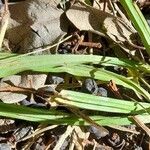
Herbertia lahue
Prairienymph
Care Guide
💧 Water
The prairienymph, which originates from moist environments, flourishes in moderately moist conditions and requires evenly damp soil without becoming waterlogged. Regular watering, particularly once a week, is vital for its growth, especially during its peak growing season. Therefore, effective irrigation practices are essential for its development.
How should I water my Prairienymph in the best way?
To properly water the Prairienymph, it is recommended to use filtered water at room temperature. Tap water may have harmful particles, so filtered water is safer for the plant. The water temperature should be warm or slightly higher as the Prairienymph is accustomed to warmer conditions and cold water can be shocking. It's best to avoid watering from above as it can lead to leaf problems. Instead, pour the filtered room temperature water onto the soil until it is fully soaked. This helps the plant by keeping the roots moist and facilitating nutrient absorption.
What should I do if I give my Prairienymph too much or too little water?
Overwatering is a common problem for Prairienymph plants and can cause wilting, yellowing leaves, and diseases like root rot, mold, and mildew that can be fatal. Underwatering is less common, but it can still happen and result in brittle, brown leaves. It's important to recognize the signs of overwatering early on, as some diseases may be irreversible if not addressed promptly. Reduce watering if you notice early signs of overwatering and consider replacing poorly draining soil with a well-draining mix. If your Prairienymph shows signs of underwatering, simply increase watering until the signs improve.
How often should I give water to my Prairienymph plant?
If your Prairienymph plant is in a pot, the most precise way to determine if it needs water is to stick your finger into the soil. If the first two to three inches of soil are dry, then it's time to water it. If you have your Prairienymph plant outdoors in the ground, you can use a similar method to test the soil. Again, if the first few inches of soil have dried out, it's time to water. Usually, during spring and early fall, you'll need to water this plant about once a week using this method. However, when it's extremely hot, you may need to water it twice a week or even more. On the bright side, mature, well-established Prairienymph plants are impressive in their ability to survive drought.
How much water does my Prairienymph need? Can you tell me?
To efficiently water your Prairienymph plant, don't hold back on the amount of water you provide. Wait until the top two to three inches of soil are dry, then generously water the plant, ensuring the soil is thoroughly soaked. Aim to add enough water that it flows out of the drainage holes at the bottom of the pot. If you don't observe excess water draining, it means you haven't watered enough. Avoid allowing water to accumulate in the soil as it can harm the plant. Likewise, if water doesn't drain properly, it may indicate poorly draining soil, which is bad for the plant's health. For outdoor plants, one inch of rainfall per week is adequate.
How much water should I give my Prairienymph at different growth stages?
The water needs of the Prairienymph can vary depending on its growth stages. When the Prairienymph is in the first few years of its life or has recently been transplanted, it requires more water than usual. During these stages, the plant focuses on developing new roots to support future growth, so they need more moisture. As the Prairienymph matures, it will require less water. Additionally, during the bloom period, the plant may need more water as flower development requires significant moisture.
☀️ Light Full sun
Prairienymph does best in filtered sunlight, a trait formed by its original growing environment where it derives energy from diffuse rays. However, it is resilient enough to tolerate low-light conditions. Both too much and too little sun can impede its growth and vitality.
What are the sunlight requirements for Prairienymph?
Prairienymph, or Herbertia lahue, thrives in conditions that provide partial sunlight, requiring about 3-6 hours of sunlight daily. It's important to observe how sunlight moves through your garden to find a spot that offers a balance of light and shade, ensuring the plant's happiness. Despite its preference for filtered luminosity, Prairienymph shows resilience in minimal light conditions. However, both an excess and a deficiency of sunlight can negatively affect the plant's growth and vitality. For indoor plants where natural light is insufficient, particularly in less sunny spaces or during winter, artificial lighting can be utilized. LED lights are recommended for they can be customized to mimic natural light requirements, with full sun plants needing 30-50W/sq ft, partial sun plants 20-30W/sq ft, and full shade plants 10-20W/sq ft of artificial light. The distance of the light source should be about 12-36 inches above the plant, with a duration mimicking natural daylight hours, typically 8-12 hours per day.
What are common symptoms of inappropriate light exposure in Prairienymph?
Prairienymph can exhibit various symptoms when exposed to inadequate light conditions. These include smaller new leaves indicating a reduction in growth; leggy or sparse appearance due to elongated spaces between leaves or stems; faster leaf drop as a response to conserve resources; halted growth as the plant enters survival mode with poor light; lighter-colored or pale new leaves because of insufficient chlorophyll; chlorosis, where leaves turn yellow due to chlorophyll breakdown from excessive light; sunscald, causing pale, bleached areas on plant tissue from intense sunlight; leaf curling as a defense against excessive sunlight exposure to minimize water loss; wilting from increased water loss through transpiration in overexposed conditions; and leaf scorching, seen as brown, dry edges on leaves due to excessive sunlight.
How can I manage Prairienymph's light exposure effectively?
To optimize Prairienymph's growth and health, it's crucial to manage its light exposure effectively. For indoor plants, gradually shifting them to sunnier spots each week until they receive the recommended 3-6 hours of direct sunlight daily can help them adapt to changing light conditions. Using artificial light, such as desk or ceiling lamps, for at least 8 hours daily, or investing in professional plant grow lights, can provide sufficient light if the plant is large or not easily movable. Outdoors, plants should be moved to optimum sunlight spots gradually, avoiding sudden changes to prevent sunburn. Reducing obstructions, such as pruning trees that block sunlight, and transplanting smaller plants during their dormant period to a location with ample sunlight and good drainage, can enhance light exposure. It's important to note that parts of the plant affected by insufficient light may not recover, but new growth should be healthy after adjusting the light exposure.
🌡️ Temperature 20–35°C
Prairienymph is native to temperate regions and performs best at temperatures of 68 to 95 ℉ (20 to 35 ℃). Cultivating prairienymph in colder areas requires winter protection. In summer, provide adequate shade if temperatures exceed its preferred range.
What temperature is best for Prairienymph?
Plants are affected by colder temperatures because their temperature is typically the same as the air around them. When exposed to sunlight, plants can warm up, but in winter this doesn't happen. The ideal temperature range for the Prairienymph plant is usually 70-85℉ (21-30℃). They can tolerate temperatures as low as 20-30℉ (-6~0℃), or even 15℉ (-10℃) for a short period of time. However, prolonged exposure to such low temperatures can cause frost damage. To keep the plants healthy, it is important to maintain maximum temperatures within the preferred range of 70-85℉ (21-30℃), while also providing occasional water spray and shade to prevent wilting.
Do I need to change the temperature for Prairienymph as it grows?
When growing Prairienymph, it is important to research and ensure the temperature is suitable. Some growers may consider lowering the plants' thermostats to save on HVAC costs during the growing season. However, it is crucial to understand that the temperature can impact the plants' flowering, pest control, and overall quality. In the winter, certain species may enter a dormant state, causing growth to cease. As the season changes, the base temperature increases, leading to faster growth for Prairienymph. Species that naturally thrive in warm environments have higher optimal temperatures compared to those adapted to cooler climates. Exposing Prairienymph seeds to cool temperatures may result in reduced uniformity and delays. Lowering the temperature during flowering, while maintaining it at other phases, may be beneficial. Additionally, cooler nighttime temperatures will require less water, so adjust irrigation accordingly.
How can I make sure Prairienymph stays warm when it's cold outside?
To help the plant withstand colder temperatures, stop fertilizing it to prevent new growth, and allow the existing ones to become hardier. Additionally, you can protect the plant by constructing structures like cages or trellises around it to keep it warm. Another option is to use heat mats, which can gently warm the soil and consistently maintain the ideal temperature range for the Prairienymph.
How can I prevent Prairienymph from getting damaged by temperature?
To protect the Prairienymph from frost in winter, you can cover it with cloths, tarps, burlaps, sheets, or plastic buckets. Ensure that the covers are securely in place to act as insulators and prevent them from being blown away by the wind. However, take care that the plastic sheets or burlap covers do not touch the fruit or foliage, as this could transfer cold temperatures and cause burns. Once the temperatures rise during the day, you can remove the covers.
Do I need to change the temperature for Prairienymph in different seasons?
When growing the Prairienymph in spring, it's important to increase humidity because the air temperature tends to be cooler. Dry conditions can be stressful for various species, so increasing humidity can be beneficial. In summer, the large greenhouse cover and warm temperature naturally result in higher humidity levels. However, this can lead to condensation on the greenhouse walls, which can negatively affect pollination and cause leaf infections when the water drips onto the leaves. Therefore, it's necessary to make adjustments based on temperature and consider spraying during hotter days to maintain a suitable growing environment.
💨 Humidity normal (40-60%)
This plant will thrive in moderate humidity, which is probably the level in your home. However, misting it a few times a week can be very beneficial. Make sure the room has good ventilation.
🪴 Soil 6-7
🌱 Fertilizer
The primary time to fertilize Prairienymph is in early spring when the flowers are forming. Using the appropriate fertilizer promotes better blooms and helps Prairienymph produce attractive flowers. Fertilizing in early spring ensures excellent flowering during the season and supplies energy for dormant growth phases.
Why should I put fertilizer on my Prairienymph?
Fertilization is important for the Prairienymph and other plants as it provides essential nutrients for their growth. While the overall fertilization needs for a Prairienymph are relatively low, it can still benefit from annual fertilization. This can help keep the plant alive and promote the production of longer-lasting flowers. Therefore, those who want their Prairienymph to look its best should make sure to fertilize it annually.
When should I fertilize my Prairienymph?
The best time to fertilize a Prairienymph is in late winter to early spring when it is coming out of its dormant phase and starting to grow actively. Fertilizing at this time promotes healthy growth and helps the plant have a strong start for the season. While fertilizing in early spring is generally the most beneficial, it is also acceptable to fertilize in the fall. However, it is not recommended to feed a Prairienymph during the summer or winter seasons.
When is it not a good idea to put fertilizer on my Prairienymph?
To properly care for your Prairienymph plant, it is best to only fertilize during the late winter and early spring. This plant has low fertilization needs, so a single annual feeding is sufficient. Avoid fertilizing during the spring, summer, and fall, as this can easily lead to overfertilization and complications. The only exception is if you missed fertilizing in the spring, then it's okay to feed the plant in the fall. Additionally, there is no need to fertilize during the winter when the plant is in a dormant phase and not actively growing.
What fertilizer should I use for my Prairienymph?
When fertilizing a Prairienymph, any general-purpose fertilizer with a balanced amount of the main plant nutrients will work. However, there are specific blends of nutrients that can be even more beneficial. Some gardeners believe that higher levels of phosphorus can lead to stronger roots and better flowers, which is important for flowering plants like the Prairienymph. You can choose between granular or liquid fertilizers as long as they contain enough nutrients. Additionally, organic methods like compost and manure can also help improve the soil for your Prairienymph and promote healthy growth.
How do I provide nutrients for my Prairienymph?
To fertilize a Prairienymph, the most common approach is to use granular or pellet fertilizer. The best time to fertilize is when the plant is transitioning from its dormant phase to active growth, typically in early spring. Once the plant starts sending shoots through the soil, you can apply the fertilizer. Alternatively, some people prefer using liquid fertilizer, which should be diluted with water prior to application. Whether you choose granular or liquid fertilizer, it's important to moisten the soil before, during, and after fertilization.
🪴 Pot & Repot 2-3 years
Prairienymph is a small, bulbous perennial that thrives when repotted every 2 to 3 years during its dormant period. When repotting, use a slightly larger pot and choose well-draining soil. Place the plant in bright, indirect light, and water it moderately to encourage recovery and vibrant blooms.
✂️ Pruning
Prairienymph plants have vibrant blue to violet flowers and thrive in well-drained soil. To ensure healthy growth and better air circulation, prune them in early spring, removing any dead foliage. Gentle and selective trimming helps maintain optimal health and appearance. Avoid drastic pruning, as it may affect their natural shape.
🌿 Propagating
🐛 Diseases & pets
☠️ Toxicity
Characteristics
- Plant Type
- Herb
- Life Cycle
- Perennial
- Genus
- Herbertia
- Family
- Iridaceae
- Hardiness Zone
- 9
- Mature Height
- 10 cm to 20 cm
- Mature Spread
- 10 cm to 20 cm
- Leaf Color
- Green
- Leaf Type
- Semi-evergreen
- Flower Color
- Purple, Lavender
- Flower Size
- 2.54 cm to 5.08 cm
- Bloom Time
- Mid spring, Late spring
- Planting Time
- Summer
- Harvest Time
- Early summer, Mid summer