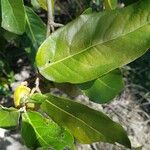
Heritiera littoralis
Looking-glass mangrove · Looking-glass-tree · Red mangrove · Tulip mangrove · Beach tulip-oak
Description
Source: leafsnapHeritiera littoralis, the looking-glass mangrove is a large tree with wing shaped nuts, which is most easily recognised by the silvery scales on the underside of its leaves, which therefore appear green from top and white from below, although Litsea mellifera A.C. Smith (in the family Lauraceae), has the same type of leaves. The tree is usually found to grow along the seashore in South Asia, Southeast Asia and Tropical Africa. The tree's tough wood has historically been used in boat-building. The fruits of the tree (known as dungon locally), are also used in Philippine cuisine for kinilaw.
Care Guide
💧 Water
Looking-glass mangrove, a plant that originates from mangrove ecosystems, thrives in high humidity and wet conditions but can also tolerate periods of dryness. It should be watered every 2-3 weeks. As an evergreen plant, the looking-glass mangrove flourishes outdoors with natural rainfall, which is essential for its lifecycle.
How should I water my Looking-glass mangrove plant?
The Looking-glass mangrove doesn't require much specific watering. You can use various tools like watering cans, hoses, or cups to water it. It's important to water the soil directly and make sure all areas of the soil are evenly moistened to provide water to the entire root system. Using filtered water is preferable since tap water may have harmful particles. Water at room temperature or slightly above is best, as extremely cold or hot water can be a bit too much for the mangrove. However, the plant usually responds well to any type of water.
What should I do if I give my Looking-glass mangrove too much or too little water?
When planting outdoor plants, especially new ones or seedlings, it's important to water them enough for a few months until the roots are established. Looking-glass mangrove trees can rely on rain once their roots are established. However, when these trees are planted in pots, overwatering is more likely to occur. If you accidentally overwater your Looking-glass mangrove, you should act immediately to remedy the situation. First, stop watering the plant to minimize the effect of overwatering. Then, remove the plant from its pot and inspect its roots. If there is no root rot, you can return the plant to its container. If there are signs of root rot, trim away the affected roots and apply a fungicide. Repot the mangrove in well-draining soil. For underwatered Looking-glass mangroves, water them more frequently. It's important to correct your watering frequency as soon as you notice underwatering. If the plant's leaves droop, dry out, or fall off, they will quickly return to fullness after sufficient watering.
How often do I need to water my Looking-glass mangrove?
To properly care for your outdoor plants, it is important to consider the amount of rainfall in your area. If there is not enough rainfall, you will need to water your plants every two weeks during the spring and fall. In the summer, more frequent watering is necessary, while in the winter, less water is needed due to slower growth. In fact, you may not need to water at all during the winter. However, if you have a young or newly planted Looking-glass mangrove, it will require more frequent watering to help it establish and grow properly. For potted plants, there are two main approaches to determining watering frequency. One option is to follow a predetermined watering schedule, such as once a week or every other week. It is important to note that this may not always work for your specific Looking-glass mangrove, as it does not take into account the unique conditions of its growing environment. Another approach is to assess soil moisture before watering. Wait until the top two to four inches of soil have completely dried out before giving more water. This method can be adjusted based on the season, recognizing that water needs may be higher during the summer.
How much water does my Looking-glass mangrove require?
When watering your Looking-glass mangrove, you may be surprised to learn that it doesn't always need a lot of water. If only a few inches of soil have dried since your last watering, you can support healthy growth by giving it about five to ten ounces of water. You can also gauge the amount of water needed based on the soil moisture. Take note of how many inches of soil have dried out between waterings. To ensure your Looking-glass mangrove gets enough moisture, water it enough to dampen all the dry soil layers since the last watering. If more than half of the soil has dried out, you should consider giving more water than usual. In those cases, continue watering until you see excess water draining from the pot's drainage holes. If your Looking-glass mangrove is planted in an area with ample outdoor rain, it may not require additional watering. When the tree is young or establishing itself, make sure it receives 1-2 inches of rain per week. As it grows, it can rely solely on rainwater, only requiring a full watering during hot weather when there has been no rain for 2-3 weeks to prevent stress.
How can I know if I'm giving enough water to my Looking-glass mangrove?
The Looking-glass mangrove commonly has issues with overwatering, and there are clear indicators to watch for. When overwatered, the tree displays yellowing leaves and may even shed some. Overwatering can also cause the plant's structure to shrink and encourage root rot. Conversely, an underwatered Looking-glass mangrove will start to droop and may have brown or brittle leaves. In both cases, it's important to take action and restore the tree's well-being.
☀️ Light Full sun
For optimal growth, the looking-glass mangrove generally requires plentiful unfiltered sunlight throughout the day. It nonetheless tolerates dimmer conditions. When taken from its native environment, it shows a flexible relationship with light and can thrive even with substantially reduced illumination. Too much or too little light can cause stunted growth and leaf distress.
What are the sunlight requirements for a Looking-glass mangrove?
The Looking-glass mangrove, or Heritiera littoralis, generally prefers full sun exposure, defined as over 6 hours of sunlight daily, but can also thrive in partial sun, which is about 3-6 hours of sunlight. It's crucial to observe how sunlight moves through your garden to ensure plants receive the ideal mix of light and shade for optimal growth. In its natural habitat, the Looking-glass mangrove shows a flexible sunlight habit, capable of growing even in significantly reduced light. However, both excessive or minimal light can lead to issues such as stunted growth and leaf distress.
What are the essentials for growing a healthy Looking-glass mangrove?
For optimal growth, the Looking-glass mangrove requires plenty of unfiltered sunlight throughout the day. This mimics its native environment, supporting its flexible approach to sunlight exposure. In less sunny spaces or during winter, artificial lighting can be essential for indoor plants. LED lights are a well-suited option as they can provide specific wavelengths needed for the plant. Full sun plants need 30-50W/sq ft, partial sun plants require 20-30W/sq ft, and full shade plants need 10-20W/sq ft of artificial light. The light source should be placed 12-36 inches above the plant to mimic natural sunlight, and most plants will need between 8-12 hours of light per day.
What symptoms indicate a Looking-glass mangrove is not getting enough light?
When a Looking-glass mangrove is underexposed to light, especially indoors during winter, several symptoms can indicate light deficiency. These symptoms include smaller new leaves, leggy or sparse growth, early leaf drop to conserve resources, slower or halted growth, paler new leaves due to insufficient chlorophyll, and chlorosis causing leaves to turn yellow. Additionally, excessive sunlight can cause sunscald, leaf curling, wilting, and leaf scorching, indicating the plant's struggling condition either due to too much or too little sunlight.
How can I improve the lighting conditions for my Looking-glass mangrove?
Improving lighting conditions for your Looking-glass mangrove involves several strategies depending on the setting. Indoors, gradually moving your plant to a sunnier location each week until it receives at least 6 hours of direct sunlight daily is recommended. Using a south-facing window maximizes sunlight exposure. If the plant is large or not easily movable, consider artificial lighting, keeping lamps on for at least 8 hours daily or investing in professional grow lights. Outdoors, gradually acclimate your plants to sunnier spots to prevent shock. If natural light is obstructed, consider pruning to enhance sunlight penetration. For smaller plants that can be moved, transplanting during the dormant period to a sunnier location with good drainage is advised. Note that parts of the plant damaged by insufficient lighting may not recover, but new growth should be healthy with improved light conditions.
🌡️ Temperature 20–37.8°C
Looking-glass mangrove is adapted to beach forest habitats and tolerates temperatures from 68 to 100.4 °F (20 to 38 °C). Its comfortable temperature range shifts with the seasons, and small adjustments may be necessary on particularly cold or hot days.
What is the ideal temperature range for a Looking-glass mangrove?
The Looking-glass mangrove thrives in beach forest environments and prefers a temperature range of 68 to 100.4 °F (20 to 38 °C). It's important to note that this plant is extremely heat-loving, but does require slight adjustments in conditions as the seasons change. During colder days, special care must be taken to ensure the plant's comfort, especially in autumn and winter when maintaining temperatures above 20°C is beneficial for its growth. It's crucial to avoid exposing the Looking-glass mangrove to temperatures around 5°C, as it can be detrimental to the plant.
How does low temperature affect the Looking-glass mangrove, and what are the solutions?
The Looking-glass mangrove prefers warm environments and does not tolerate low temperatures well, thriving best when temperatures are above 20°C. During winter, it is crucial to keep the plant in conditions warmer than 5°C. Exposure to temperatures below 1°C can lead to leaves lightening in color, which after frost damage, may turn brown or black. Symptoms such as wilting and drooping may also occur. If the plant suffers frost damage, trim off the damaged parts and move it to a warm indoor environment immediately for cold protection. The plant should be placed near a south-facing window to ensure it receives ample sunlight, but it's essential to keep it away from direct heat sources such as heaters or air conditioning vents to avoid air dryness.
What should be done if the Looking-glass mangrove experiences high temperatures?
During the summer, it's important to keep the Looking-glass mangrove in temperature conditions below 38°C to prevent heat stress. Exposure to temperatures over 43°C can cause the leaves to lighten and increase the plant's susceptibility to sunburn. To address this, trim away the sunburned and dried-up parts of the plant. It's also advisable to move the plant to a location that provides shade during the midday and afternoon sun to protect it. Ensuring the soil remains moist by watering in the morning and evening will also help manage the effects of high temperatures.
💨 Humidity
🪴 Soil 6-7
🌱 Fertilizer
Fertilization is essential to the care of the Looking-glass mangrove. Regular feeding during the growing season helps maintain the energy for its showy leaves and supports overall growth. If fertilization is neglected, leaves can become unhealthy, its ornamental value can decline, and growth may be stunted or weak and more prone to breakage.
🪴 Pot & Repot
✂️ Pruning
To enhance the health and appearance of your looking-glass mangrove, prune it from early to late winter. Start by removing any dead branches and thinning out crowded areas to improve air circulation. You can also shape the plant for aesthetic purposes. This helps maintain its structure and encourages healthy growth. Always use clean, sterilized tools to prevent the spread of disease.
🌿 Propagating
🐛 Diseases & pets
☠️ Toxicity
Characteristics
- Plant Type
- Tree
- Life Cycle
- Perennial
- Genus
- Heritiera
- Family
- Malvaceae
- Hardiness Zone
- 10-11
- Mature Height
- 10.06 m
- Mature Spread
- 7.62 m to 10.36 m
- Leaf Color
- Dark Green
- Leaf Type
- Evergreen
- Flower Color
- Pink, White
- Flower Size
- 7.62 cm
- Bloom Time
- Summer
- Planting Time
- Spring, Summer, Autumn, Winter
- Harvest Time
- Late summer, Fall