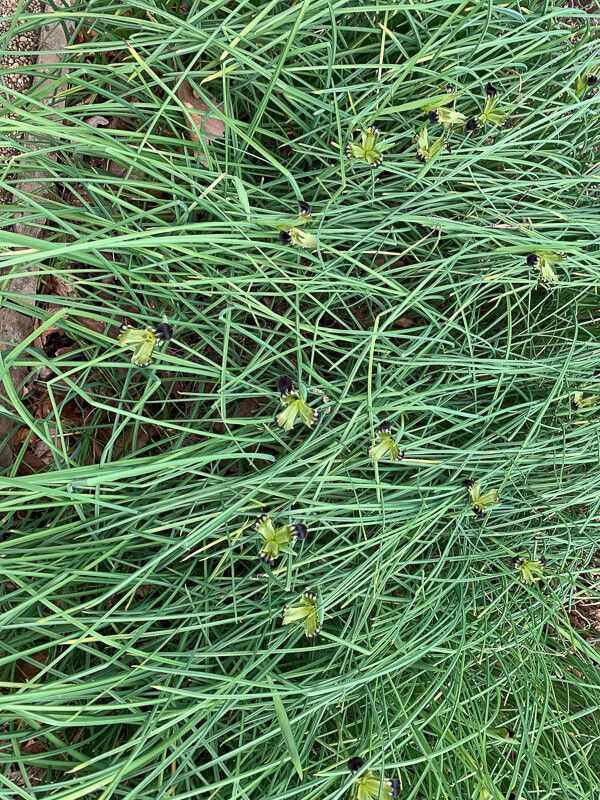
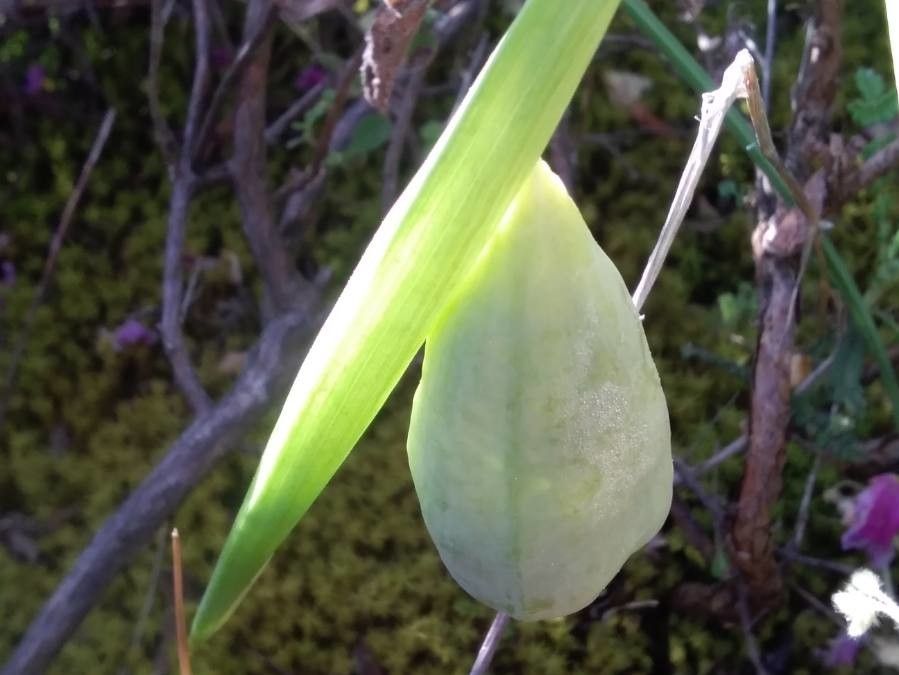
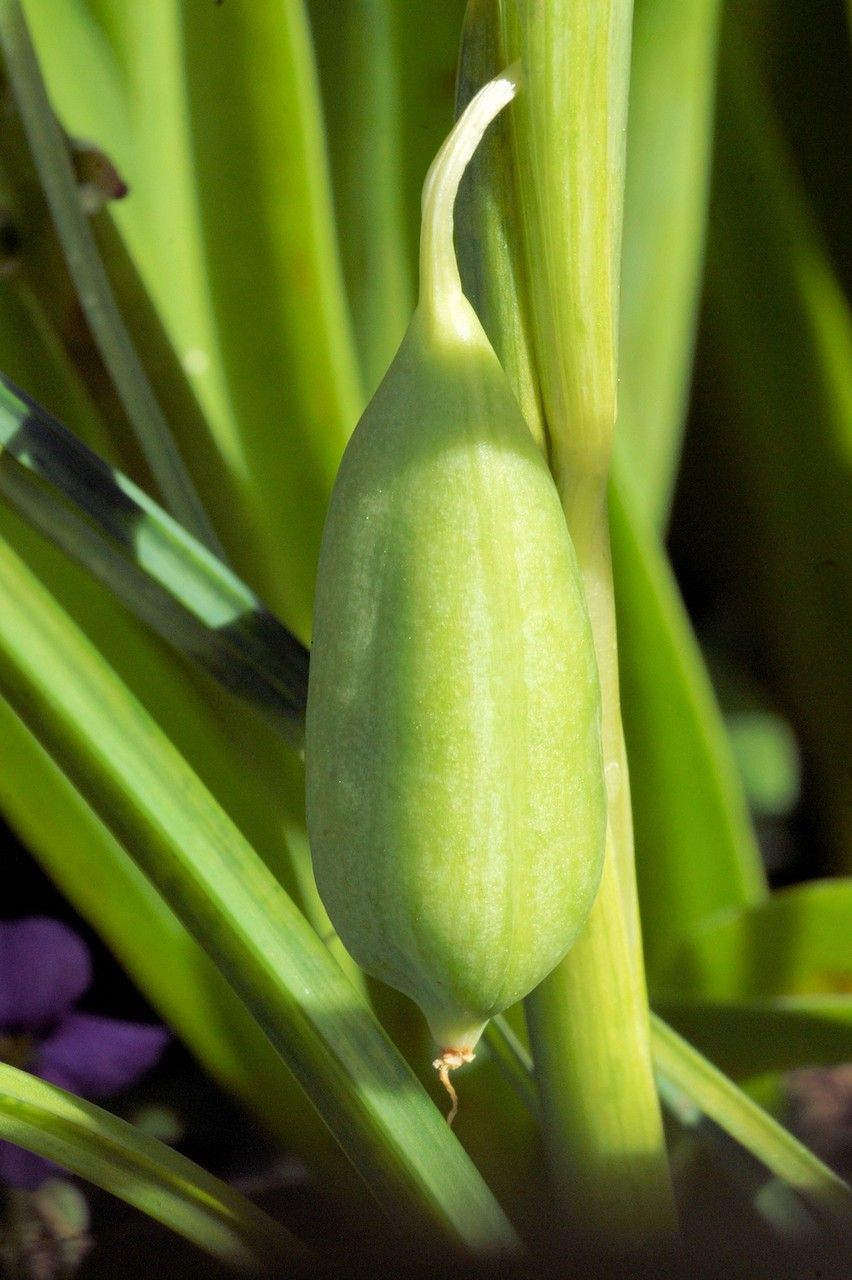
Hermodactylus tuberosus, commonly known as the snake's head iris or widow iris, is a perennial herbaceous plant in the Iridaceae family. Native to the Mediterranean region, it can be found in countries such as Greece, Turkey, and Israel. The plant grows to a height of 30-40 cm and features narrow leaves approximately 20-30 cm long.
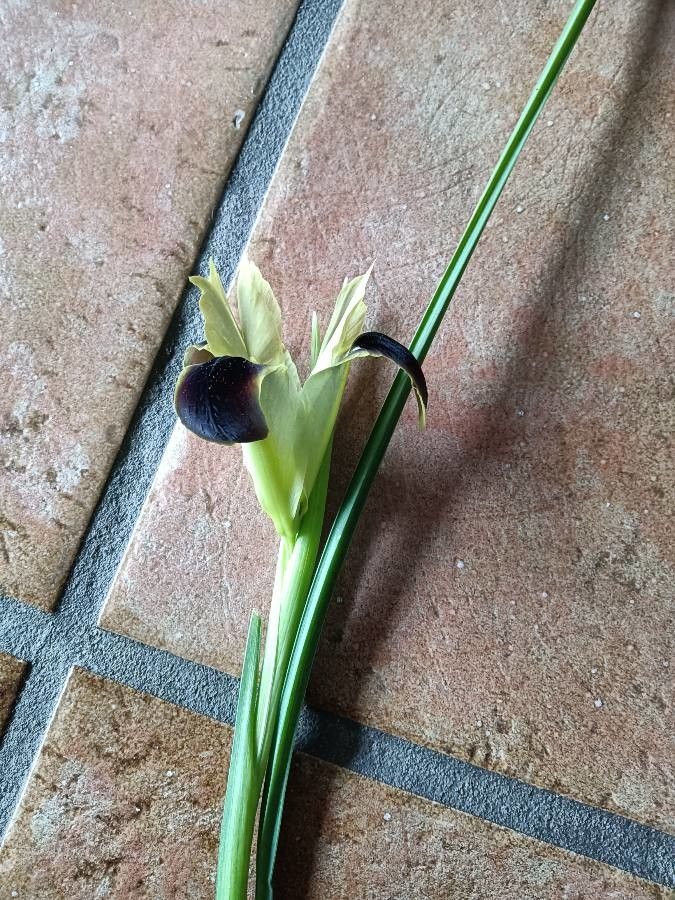
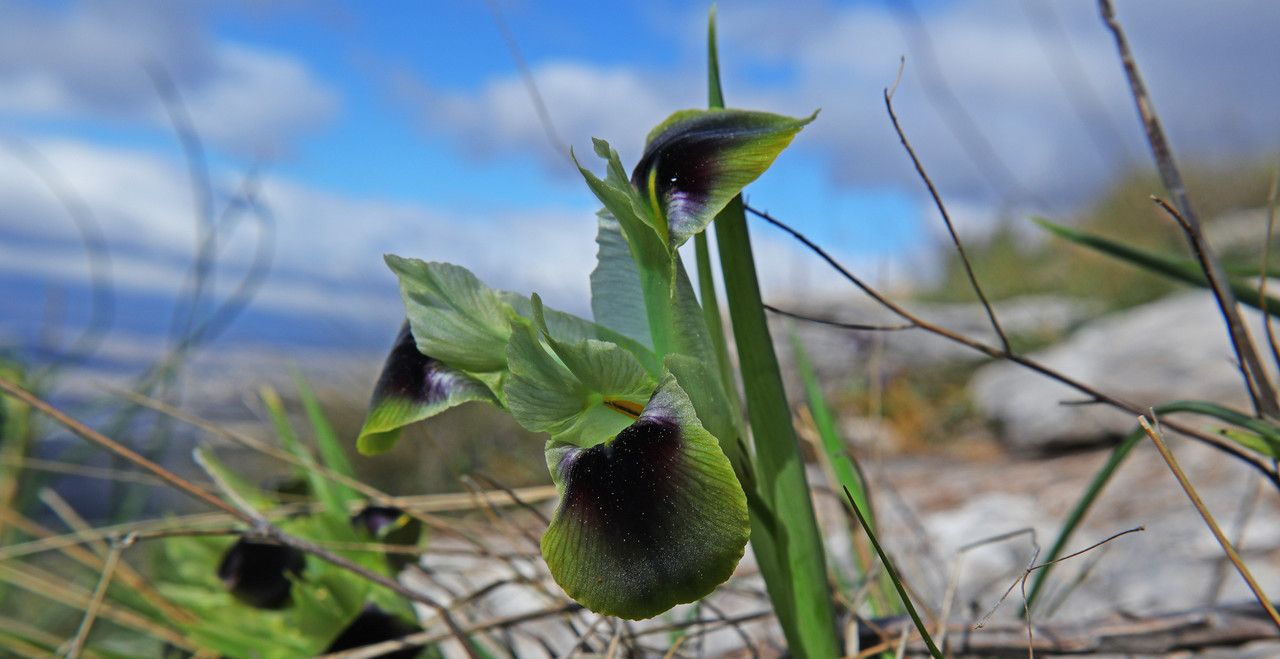
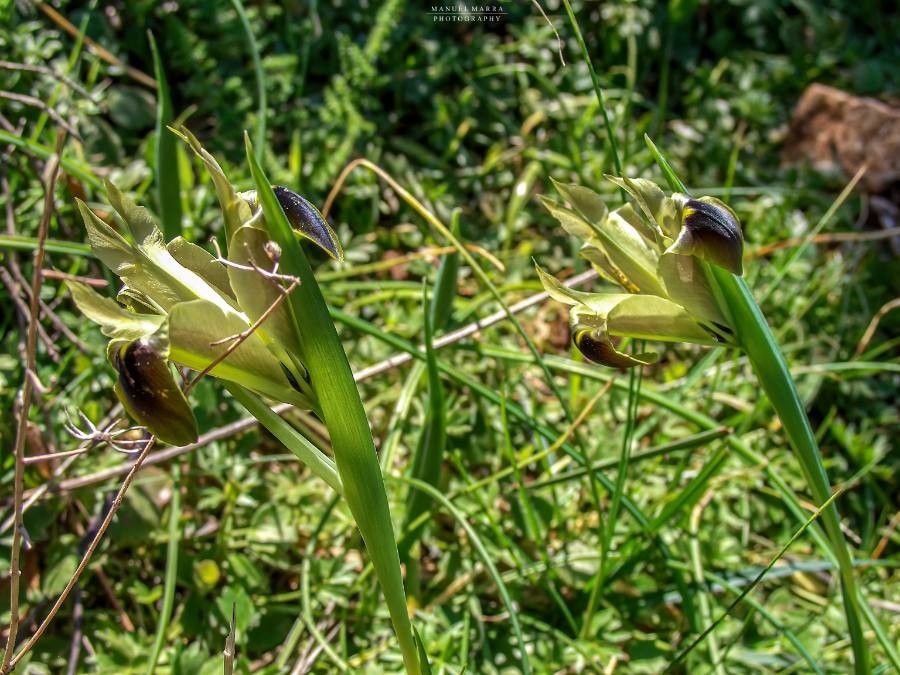
The flowers of Hermodactylus tuberosus are distinctive for their snake-like appearance. They exhibit a dark purple color with yellow markings on the lower petals, blooming in early spring and lasting for about two weeks.
For optimal growth, this plant prefers well-drained soil and conditions of full sun or partial shade. Propagation is best achieved by dividing its bulbs during autumn or early spring.
Historically, Hermodactylus tuberosus has been used for its anti-inflammatory properties. However, it is important to note that all parts of the plant are toxic if ingested.
Overall, Hermodactylus tuberosus is a captivating ornamental plant with unique flowers that enhance any garden or landscape design, while also being noted for its historical medicinal uses.
Bulb iris is fairly disease-resistant and usually not prone to illnesses. That said, it can be affected by pests and diseases present in its environment. These problems are typically mild. Regarding care, this plant needs moderate maintenance. It should be pruned regularly to keep a neat appearance and encourage healthy growth. Fertilizing can also aid in promoting blooms. Bulb iris is well-suited for anyone with outdoor space, such as a garden or patio, and does not demand extensive gardening experience. It may need more attention if grown indoors.
How to keep Hermodactylus Tuberosus.
Light
Bulb iris does best with a substantial amount of sunlight, much like in its native habitat. Its health and development rely heavily on abundant sun exposure. Too little light can impede growth, while too much can scorch the leaves. Still, its light needs remain fairly consistent through the various stages of growth.
Temperature
Bulb iris originates from habitats with temperatures between 59 and 95 °F (15 and 35 ℃). This plant prefers moderate warmth. As seasons shift, move toward cooler or warmer conditions within that range to promote optimal growth.
Fertilizer
For Bulb iris, the primary time to apply fertilizer is in early spring when the flowers are beginning to form. The appropriate fertilizer promotes better blooms and helps Bulb iris produce attractive flowers. Fertilizing in early spring ensures strong flowering throughout the season and supplies energy for dormant growth periods.
Botanical profile.
- Plant Type
- Herb
- Life Cycle
- Perennial
- Genus
- Hermodactylus
- Family
- Iridaceae
- Hardiness Zone
- 7-9
- Mature Height
- 46 cm
- Mature Spread
- 34 cm
- Leaf Color
- Green
- Leaf Type
- Deciduous
- Flower Color
- Purple
- Flower Size
- 5.08 cm to 6.35 cm
- Bloom Time
- Late winter, Early spring
- Planting Time
- Spring, Summer
- Harvest Time
- Mid spring, Late spring
- Native Area
- Italy, Montenegro, Albania, Greece, Croatia, France
Other names.