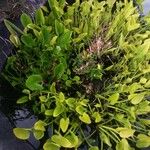
Heteranthera limosa
Blue mud-plantain · Blue mudplantain · Mud Plantain · Ducksalad · Long-leaf mud plantain
Description
Source: leafsnapHeteranthera limosa is an annual flowering plant in the water hyacinth family known by the common names ducksalad and blue mudplantain. It grows in shallow water or on mud. It is considered a threatened species in parts of the central United States, and an invasive species weed in California, where it is a nuisance in rice paddies. It is also occasional in Florida waterways.
Care Guide
💧 Water
The blue mud plantain thrives in moist environments and requires consistent hydration. To maintain the necessary moisture levels, water the plant weekly. It is suitable for both outdoor water gardens and indoor hydroponic systems. To flourish, the blue mud plantain needs a stable aquatic habitat.
How should I water my Blue mud plantain?
To water Blue mud plantain, there are several options you can choose from. You can use a garden hose with a spray nozzle, a watering can, or any other common watering tool. Blue mud plantain is not too particular about how it receives water; it can survive with rainwater, tap water, or filtered water. However, it's generally best to avoid watering this plant from overhead as it can harm the leaves and flowers and increase the risk of disease. A drip irrigation system is often the most effective method for watering Blue mud plantain. These systems distribute water evenly and directly to the soil. If you have a Blue mud plantain in a container, you can use a similar watering technique but with different tools. Just use a cup, watering can, or your tap to water the plant directly at the soil level.
What should I do if I give too much or too little water to my Blue mud plantain?
To properly care for your Blue mud plantain, it's important to address both underwatering and overwatering. If you notice that your plant isn't getting enough moisture, begin watering it more regularly. This is a simple fix. However, overwatering can be more serious if not caught early. It can lead to diseases and eventually the death of the plant. To prevent this, choose a growing location with ample sunlight and good drainage. This will help the soil dry out and prevent water from pooling. If your Blue mud plantain is in a pot, consider changing it to one with better drainage or more holes. When repotting, use loose soil and a pot that drains efficiently.
How often do I need to water my Blue mud plantain plant?
To care for your Blue mud plantain, it is important to provide regular watering throughout the growing season. In the spring, watering once a week is sufficient. As the season progresses and the weather gets warmer, you may need to increase watering to two or three times per week. However, be careful not to overwater, as this can harm the plant. It is important to keep the soil moist but not overly wet. If your Blue mud plantain is in a pot, you will need to water it more frequently compared to a plant in the ground. This is because the soil in a pot can heat up and dry out faster. In most cases, watering a container-grown Blue mud plantain a few times per week is necessary, whereas watering an in-ground plant once a week is sufficient.
How much water does my Blue mud plantain require?
Determining how much water to give your Blue mud plantain can be done in a few different ways. Some gardeners choose to feel the soil for moisture and water until the first six inches are moist. Another approach is to use a set measurement, like giving about two gallons per week, depending on the temperature and soil dryness. However, following these guidelines strictly may result in overwatering if your plant needs less. When growing Blue mud plantain in a container, you should water enough to moisten all dry soil layers. To test for moisture, you can check by sticking your finger in the soil or water until you see some excess water draining out of the pot.
How can I know if I'm watering my Blue mud plantain plant enough?
Avoiding overwatering can be tricky when it comes to Blue mud plantain. These plants have deep roots, so they need to be moistened weekly. However, they are also highly prone to root rot and browning if overwatered. Underwatering is less likely, as the plants can survive without additional watering for a while. But if they go too long without water, they will wilt and develop dry leaves.
☀️ Light Full sun
Blue mud plantain is native to habitats with ample sunlight, such as the shallow margins of ponds and lakes. It prefers full sun but can also tolerate partial sun.
How many hours of sunlight does Blue mud plantain need each day to grow well?
In order for the plants to thrive, it is important to provide them with a minimum of 6 to 8 hours of sunlight each day. They are particularly fond of receiving more sunlight in the morning, especially during the summer season. The Blue mud plantain, in particular, requires full sun and benefits greatly from as much sunlight as possible. More light allows these species to produce food, showcase vibrant blooms, and increase their chances of survival.
What kind of sunlight does Blue mud plantain require?
The Blue mud plantain thrives in full sunlight, so it's important not to overcrowd them. This ensures that each plant receives equal sun exposure. It's also important to avoid depriving the leaves of sunlight. When planting in pots, it is recommended to place the herbaceous flowers in windows with direct sun and ensure they receive full sunlight throughout the year. Partial or filtered light is not ideal for the Blue mud plantain, as it may result in weak stems and unhealthy flowers. Overall, it is best to keep the Blue mud plantain always exposed to the sun.
Can the sun damage plants? How can I protect the Blue mud plantain from being damaged by the sun and heat?
When the temperature exceeds 90℉ (32℃), the Blue mud plantain is at risk of being damaged by extreme heat, especially if it is exposed to prolonged sunlight. It is recommended to provide some shade in the afternoon during the summer months. Keep in mind that sunlight is stronger and lasts longer in the summer compared to winter. To prevent excessive sunlight stress, ensure the Blue mud plantain is well hydrated. Water the plants when the topsoil is about 2 inches dry and consider moving them indoors if the outside temperature is too hot, particularly if they are in containers. It is normal for the plant leaves to wilt during the day and recover at night. However, if the Blue mud plantain continues to droop, it indicates rapid water loss and they should be watered promptly.
Should I keep Blue mud plantain away from the sun?
The Blue mud plantain thrives in sunlight and even loves it. Some species are heliotropic, meaning they move towards the sun. Ideally, plant them in south-facing gardens so they can enjoy sun exposure from morning till afternoon. However, it's important to note that excessive sun can cause sunburn for some plants. To protect them from the intense afternoon and midday sun, consider placing them under the shade of a tree or a wall. Growing the Blue mud plantain in shady areas is not feasible as the larger flowers require substantial energy to grow and bloom. Therefore, it's best to provide optimal lighting conditions by placing them in an area with full sun for the best results.
What will happen if the Blue mud plantain doesn't get enough sunlight?
If the Blue mud plantain doesn't receive enough sunlight or is not placed in a full sun location, its photosynthetic process will slow down. This lack of sunlight causes the stems to become leggy as they stretch out in search of more light. In the shade, they will not bloom or produce seeds. Insufficient sunlight can also result in older leaves dying off, lighter coloration in new leaves compared to older foliage, and smaller overall growth. While the Blue mud plantain thrives in the sun, it can wilt when exposed to excessive heat and ultraviolet light during extreme summer months. To protect them, consider using a net with a green shade to prevent leaves and flowers from scorching, especially in the summer. When kept indoors, use a fan to reduce the heat.
🌡️ Temperature 15–35°C
Blue mud plantain is native to habitats with moderate temperatures of 68 to 95 °F (20 to 35 °C). It favors warm, humid conditions. To ensure its proper growth, keep this temperature range throughout the year.
What temperature is best for Blue mud plantain?
Plants can be affected by colder temperatures because they have the same temperature as the air. When they are in the sun, they warm up, but this does not happen in winter. The Blue mud plantain prefers temperatures between 70-85℉ (21-30℃), but it can tolerate temperatures as low as 20-30℉ (-6-0℃) or even 15℉ (-10℃), although not for long as this can lead to frost damage. It is important to keep the maximum temperatures within the range of 70-85℉ (21-30℃), but be sure to spray them with water occasionally and provide some shade to prevent wilting.
Do I need to change the temperature for Blue mud plantain depending on its different growing stages?
Before growing Blue mud plantain, it is important to research and ensure that the temperature is suitable. While some growers may consider lowering the plants' thermostats to save on HVAC costs during the growing season, it is crucial to understand how temperature impacts flowering, pest management, and overall plant quality. During winter, certain species of Blue mud plantain may enter a dormant state, ceasing growth entirely. As the seasons change and temperatures increase, the base temperature for growth also rises, leading to faster growth. It is worth noting that species naturally found in warm habitats have higher optimum temperatures compared to those that thrive in cooler climates. Lower temperatures can impact the uniformity and timing of seed growth, so caution should be taken. Adjusting the temperature during the flowering phase may be beneficial, but not during other stages. Additionally, cooler temperatures at night require less water, so irrigation should be adjusted accordingly.
How can I keep Blue mud plantain warm during cold seasons?
To help the Blue mud plantain adjust to colder temperatures, it is recommended to stop fertilizing in order to promote hardiness in the existing growth. Additionally, you can protect the plant by constructing cages or trellises, which will create a warm microclimate. Another option is to use heat mats that gently warm the soil, providing a consistent and ideal temperature range for the plant.
How can I protect the Blue mud plantain from being damaged by temperatures?
To protect the Blue mud plantain from frost during winter, cover it with cloths, tarps, burlaps, sheets, or plastic buckets. Just ensure that they are secured firmly to act as insulators and won't be blown away by the wind. Take care not to let the plastic sheets or burlap covers touch any part of the fruit or foliage, as this could cause burns from the cold temperatures. Once the daytime temperatures start to rise, remove the covers.
Do I need to change the temperature for Blue mud plantain during different seasons?
To ensure optimal growth of the Blue mud plantain in spring, it is important to consider increasing humidity as the air temperature tends to be cooler during this time. Dry conditions can be stressful for various species, so providing additional humidity can be beneficial. When summer arrives, the large cover of the greenhouse and warm temperatures naturally result in higher humidity levels. However, it's important to be cautious of condensation that often forms on the greenhouse walls, as this can lead to issues with pollination and the development of infections when the water droplets fall onto the leaves. Adjustments should be made according to the temperature, and it may be necessary to spray water on hotter days to maintain an appropriate level of humidity.
💨 Humidity
🪴 Soil
🌱 Fertilizer
To care for blue mud plantain, fertilize every two weeks during the growing season with a balanced fertilizer. As the plant enters dormancy, reduce the fertilization frequency to once a month. Choose a nitrogen-rich formula and apply it in a diluted solution to avoid damaging the roots. Keep in mind that younger plants might need to be fed more often. Be sure to wear gloves when handling the plant to prevent skin irritation.
🪴 Pot & Repot
✂️ Pruning
The blue mud plantain thrives in wet, aquatic environments, displaying vibrant blue flowers. To promote growth, prune the plant between early and late spring. This helps remove dead stems and reduce density, allowing for better water circulation. Be careful not to over-prune, as this can cause stress. Following these tips will ensure the plant remains healthy and continues to bloom beautifully for garden enthusiasts.
🌿 Propagating
🐛 Diseases & pets
☠️ Toxicity
Characteristics
- Plant Type
- Herb
- Life Cycle
- Annual
- Genus
- Heteranthera
- Family
- Pontederiaceae
- Hardiness Zone
- 8-10
- Mature Height
- 5 cm to 15 cm
- Mature Spread
- 15 cm to 25 cm
- Leaf Color
- Green, Dark Green
- Leaf Type
- Evergreen
- Flower Color
- White, Yellow, Purple, Blue
- Flower Size
- 1.02 cm to 2.03 cm
- Bloom Time
- Summer, Early fall, Mid fall
- Planting Time
- Spring, Summer
- Harvest Time
- Late summer, Fall, Early winter
- Native Area
- Honduras, Mexico, Guatemala, Dominican Republic, Panama, Jamaica, Colombia, Cuba, Paraguay, Argentina, Haiti, Bolivia, Venezuela, Brazil, El Salvador, Nicaragua, Ecuador, Costa Rica