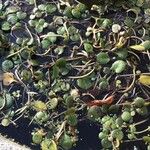
Heteranthera reniformis
Mud Plantain · Kidneyleaf Mud-plantain · Kidney-leaved mud-plantain · Kidneyleaf mudplantain · Round-leaf mud plantain
Description
Source: leafsnapHeteranthera reniformis, commonly known as the kidney-leaved mud plantain, is a perennial aquatic plant that belongs to the Pontederiaceae family. It is native to North and South America and thrives in shallow waters such as ponds, lakes, and slow-moving streams. The plant features distinctive kidney-shaped leaves that are green on top and purple underneath. From June to September, it produces small white or pale blue flowers with yellow centers, held above the water on long stalks. Heteranthera reniformis is a popular choice for aquariums due to its appealing appearance and ease of care. It can also be used in outdoor water gardens or natural ponds, where it helps oxygenate the water and provides shelter for fish. Beyond its ornamental value, Heteranthera reniformis has medicinal properties in traditional medicine practices, such as treating fever and inflammation of internal organs like the liver or spleen. In summary, Heteranthera reniformis is an attractive aquatic plant with dual benefits: ornamental value for aquariums and outdoor gardens, and medicinal properties valued in traditional medicine. It is a fascinating addition for both hobbyists and herbalists alike.
Care Guide
💧 Water Every 7 days
The kidney-leaf mud plantain is native to wetlands, so it thrives in moist environments and needs consistent hydration. While it can tolerate moderate drought, it should be watered weekly to simulate its natural habitat. This plant prefers outdoor settings, where rainwater can help support its growth cycle.
How should I water my Kidney-leaf mud plantain plant?
To properly water the Kidney-leaf mud plantain, it is recommended to use filtered water at room temperature. Tap water may have harmful particles, so filtered water is preferable. The plant should not be exposed to cold water, as it is accustomed to warm environments. It is also best to avoid overhead watering, as it can lead to issues with the foliage. Instead, give the plant a thorough watering by applying filtered room temperature water directly to the soil. This helps moisten the roots, facilitating their spread and absorption of essential nutrients.
What should I do if I give my Kidney-leaf mud plantain too much or too little water?
Taking care of your Kidney-leaf mud plantain involves avoiding both overwatering and underwatering. However, overwatering is a more common problem. Too much water can cause the stems and leaves to wilt and turn yellow. It can also lead to diseases like root rot, mold, and mildew, which can be fatal for your plant. Underwatering is less common because this plant can handle drought to some extent. Still, it can happen, and when it does, the leaves may become brittle and brown. It's important to be vigilant and catch the signs of overwatering early to prevent irreversible damage. If you notice these signs, reduce your watering schedule and check the soil. If it drains poorly, replace it with a loose, well-draining potting mix. On the other hand, if you see signs of underwatering, simply increase your watering frequency until the signs improve.
How often should I water my plant called Kidney-leaf mud plantain?
If your Kidney-leaf mud plantain is in a pot, the easiest way to check if it needs water is by putting your finger in the soil. If the top two to three inches are dry, it's time to water it. For those who grow this plant outside in the ground, you can also test the soil in a similar way. If the first few inches are dry, it needs watering. Typically, you'll need to water it about once a week during spring and early fall. However, in extremely hot weather, you may have to increase watering to twice a week or more. Nonetheless, mature and well-established Kidney-leaf mud plantains can handle drought conditions well.
How much water does my plant need?
When watering your Kidney-leaf mud plantain, don't hold back - give it plenty of water. Wait until the top two to three inches of soil are dry, then thoroughly water the plant until the soil is soaked through. Make sure to add enough water so that it flows out of the drainage holes at the bottom of the pot. If you don't see water draining out, it means you haven't watered enough. However, be careful not to let water accumulate in the soil, as that can harm the plant. On the other hand, if water doesn't drain out of the pot, it may indicate that the soil doesn't drain well, which is not good for the plant's health. If the plant is outside, it should receive about one inch of rain per week, which is enough.
How should I water my Kidney-leaf mud plantain as it grows?
The water needs of the Kidney-leaf mud plantain can change depending on its growth stages. In the first few years of its life or when it is newly transplanted, it will need more water than usual. During these stages, the plant focuses on developing new roots for future growth, and these roots require more moisture. After a few seasons, the plant will require less water. Another growth stage that may require more water is during the bloom period. Flower development uses a significant amount of moisture, so you may need to provide extra water at this time.
☀️ Light Full sun
Kidney-leaf mud plantain comes from habitats that receive lots of sunlight, such as the shallow margins of ponds and lakes. It prefers full sun, although it can also tolerate partial sun.
What are the sunlight requirements for Kidney-leaf mud plantain?
Kidney-leaf mud plantain thrives in full sun, which means it requires more than 6 hours of direct sunlight daily. However, it can also tolerate partial sun conditions, where it would receive about 3-6 hours of sunlight per day. The success of growing this sun-loving perennial herbaceous plant, which naturally originates from open habitats like meadows and grasslands, depends significantly on selecting locations within your garden that provide an ideal balance of light and shade to meet these sunlight preferences.
How can artificial lighting be utilized for indoor plants?
For indoor plants, especially during seasons or in spatial areas where natural sunlight is insufficient, artificial lighting serves as a crucial alternative to promote healthier and faster plant growth. You should select the appropriate type of light, such as LED lights, which can be customized to emit specific light wavelengths needed by your plants. The amount of artificial light required varies: full sun plants need 30-50W/sq ft, partial sun plants 20-30W/sq ft, and full shade plants 10-20W/sq ft. Position the light source 12-36 inches above the plant to simulate natural sunlight exposure and ensure the lights are on for about 8-12 hours per day to mimic the natural daylight duration specific to your plant species.
What are the symptoms of inadequate lighting for Kidney-leaf mud plantain?
Kidney-leaf mud plantain exhibits several symptoms in response to inadequate lighting. These include smaller leaves than those previously grown, leggy or sparse growth indicating a stretched appearance due to longer spaces between leaves or stems, faster leaf drop as older leaves are shed prematurely, slower or halted new growth, lighter-colored new leaves signifying a lack of chlorophyll, and various forms of tissue damage like chlorosis (yellowing leaves), sunscald, leaf curling, wilting, and leaf scorching. These symptoms highlight the plant's struggle to adapt to insufficient light conditions.
What solutions are available for addressing insufficient sunlight for Kidney-leaf mud plantain?
To address insufficient sunlight for Kidney-leaf mud plantain, you can adopt several strategies. For indoor plants, gradually move them towards sunnier locations until they receive at least 6 hours of direct sunlight daily, ideally next to a south-facing window. If necessary, use artificial light sources like desk lamps or professional plant grow lights for at least 8 hours daily. For outdoor plants, introduce them to sunnier spots gradually to avoid shock and sunburn. Minimize light obstructions by pruning branches or relocating the plant to areas with better sun exposure and consider transplanting smaller plants during their dormant periods to locations with ample sunlight and good drainage. Remember that while parts of the plant already affected by light deficiency may not recover, new growth will be healthy once proper light conditions are restored.
🌡️ Temperature 5–35°C
Kidney-leaf mud plantain is native to habitats where temperatures typically range from 41 to 95 °F (5 to 35 °C). Its preferred temperature falls within that span and must be adjusted with seasonal changes to ensure healthy growth.
What are the essential care requirements for Kidney-leaf mud plantain?
Kidney-leaf mud plantain, or Heteranthera reniformis, thrives in temperatures ranging from 41 to 95 °F (5 to 35 °C), which represents its ideal growing conditions. It's important to adjust the plant's environmental temperature according to seasonal changes to promote healthy growth. The plant demonstrates strong cold resistance, meaning specific frost protection measures are generally unnecessary. However, in anticipation of winter temperatures dropping below -25°C, it's advisable to provide cold protection by covering the plant with soil or straw. Additionally, watering the plant abundantly before the first freeze in autumn ensures the soil remains moist and enters a frozen state, helping to prevent drought and water scarcity during the winter and early spring.
How does Kidney-leaf mud plantain react to low temperatures?
Kidney-leaf mud plantain is quite cold-tolerant and prefers temperatures above 5°C. In winter, it is best kept above -20°C. If temperatures fall below -25°C, the plant might not show immediate damage, but you could see a decrease in sprouting or even an absence of sprouting during the spring. The solution for these cold-related issues involves removing any parts of the plant that have failed to sprout come spring.
What should I do if my Kidney-leaf mud plantain experiences high temperatures?
During the summer months, it's crucial to ensure the Kidney-leaf mud plantain does not endure temperatures above 35°C. Exposure to temperatures exceeding 38°C may cause the leaves to lighten in color, curl, become prone to sunburn, and in severe cases, the plant may wilt and dry out completely. To combat these high-temperature stresses, trim away any sunburned and dried-up parts of the plant. Relocate the plant to a shaded area during the midday and afternoon sun or utilize a shade cloth to provide necessary shade. Additionally, watering the plant in the morning and evening will help maintain soil moisture, protecting the plant from the effects of excessive heat.
💨 Humidity
🪴 Soil
🌱 Fertilizer
To encourage healthy growth, apply balanced fertilizers to kidney-leaf mud plantain every three months, and increase to monthly applications during the growing season. Use diluted liquid fertilizers to avoid root burn, and watch for signs of over-fertilization. Proper fertilization boosts the plant's resilience, improves foliage quality, and enhances its ability to purify water in aquatic environments.
🪴 Pot & Repot
✂️ Pruning
The kidney-leaf mud plantain, known for its distinctive kidney-shaped leaves, thrives in wetland areas. It requires minimal pruning, which should primarily be done in the spring to remove any dead foliage. Additionally, removing spent flowers is recommended to prevent seeding and help maintain the plant's shape. Pruning not only enhances the plant's appearance but also improves air circulation, promoting overall health.
🌿 Propagating
🐛 Diseases & pets
☠️ Toxicity
Characteristics
- Plant Type
- Herb
- Life Cycle
- Perennial
- Genus
- Heteranthera
- Family
- Pontederiaceae
- Hardiness Zone
- 5-9
- Mature Height
- 20 cm to 49 cm
- Mature Spread
- 20 cm to 40 cm
- Leaf Color
- Green, Blue
- Leaf Type
- Evergreen
- Flower Color
- White, Purple
- Flower Size
- 0.25 cm to 0.76 cm
- Bloom Time
- Summer, Early fall, Mid fall
- Planting Time
- Spring, Summer
- Harvest Time
- Late summer, Fall, Early winter
- Native Area
- Honduras, Mexico, Guatemala, Georgia, Peru, Dominican Republic, Panama, Jamaica, Colombia, Cuba, Paraguay, Argentina, Haiti, Bolivia, Venezuela, Brazil, El Salvador, Nicaragua, Ecuador, Costa Rica