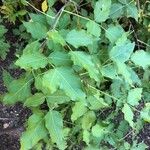
Heteromorpha arborescens
Parsley tree · Common parsley tree
Description
Source: leafsnapHeteromorpha arborescens, commonly known as the Parsley Tree or Parsley Bush, is a small to medium-sized evergreen tree belonging to the Apiaceae family. Native to southern Africa, it thrives in various habitats, including savannas, woodlands, and rocky outcrops. The tree can reach heights of up to 6 meters, featuring a spreading crown adorned with dark green foliage. Its compound leaves are finely divided into leaflets that closely resemble parsley. The bark is smooth and greyish-brown. In the spring and summer months, Heteromorpha arborescens produces small white flowers clustered at the ends of branches. These blooms are followed by small brown fruits, each containing two seeds. Traditionally, Heteromorpha arborescens has been used for medicinal purposes, such as treating stomach ailments, reducing fever, and healing wounds. It also holds cultural significance for some African tribes, who use it in spiritual practices. Overall, Heteromorpha arborescens is an appealing evergreen tree with ornamental foliage, making it suitable for landscaping purposes or as a decorative plant in gardens and parks.
Care Guide
💧 Water Every 7 days
☀️ Light Partial sun
Parsleytree naturally occurs in habitats like forest understories or rocky locations, where it is exposed to shade. It favors partial sun but can tolerate both full sun and full shade, reflecting its adaptable and hardy nature.
🌡️ Temperature 20–37.8°C
Parsleytree adapts well to temperature, tolerating high heat and wide temperature fluctuations. In hot weather, care should be taken with watering and appropriate shading should be provided to prevent sunburn. Conversely, Parsleytree is fairly sensitive to cold; while it can endure some chill, very low temperatures can cause frost damage.
💨 Humidity
🪴 Soil 6-8
🌱 Fertilizer
Apply fertilizer to your Parsleytree in early spring to encourage healthy growth. Consistent feeding improves overall health, producing vigorous growth, increased tolerance of harsh conditions, and enhanced resistance to pests and diseases. Keep to a regular fertilizing schedule for your Parsleytree to maintain foliage that is richly colored and lush in appearance.
🪴 Pot & Repot
✂️ Pruning
🌿 Propagating
🐛 Diseases & pets
☠️ Toxicity
Characteristics
- Plant Type
- Tree, Shrub
- Life Cycle
- Perennial
- Genus
- Heteromorpha
- Family
- Apiaceae
- Hardiness Zone
- 9-11
- Mature Height
- 3.05 m to 7.92 m
- Mature Spread
- 2.13 m to 3.96 m
- Leaf Color
- Green, Dark Green
- Leaf Type
- Deciduous
- Flower Color
- Yellow, White
- Flower Size
- 0.25 cm to 0.51 cm
- Bloom Time
- Early summer, Mid summer
- Planting Time
- Spring, Summer, Autumn
- Harvest Time
- Late summer, Early fall
- Native Area
- Malawi, Lesotho, Angola, Namibia, South Africa, Zambia, Rwanda, Eritrea, Sudan, Yemen, Kenya, Uganda, Tanzania, Zimbabwe, Cameroon, Burundi, Mozambique, Eswatini, Ethiopia, Congo (DRC), Botswana, Central African Republic