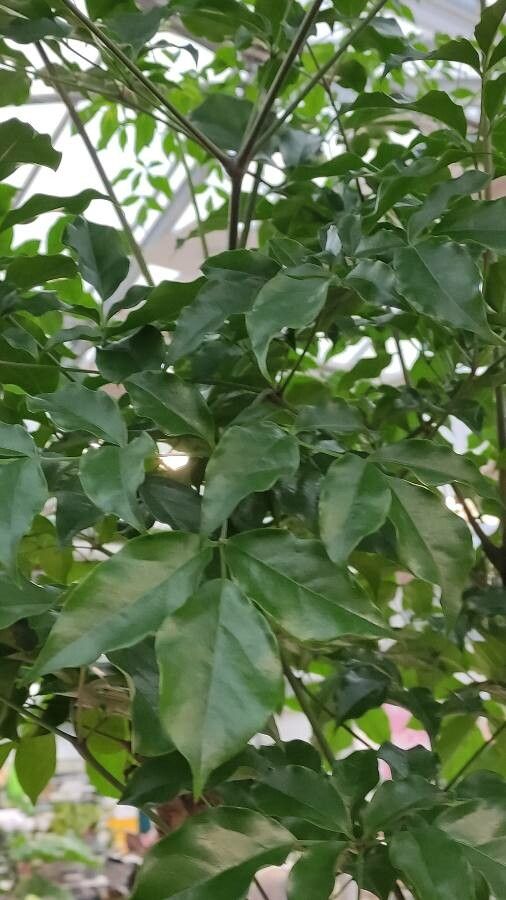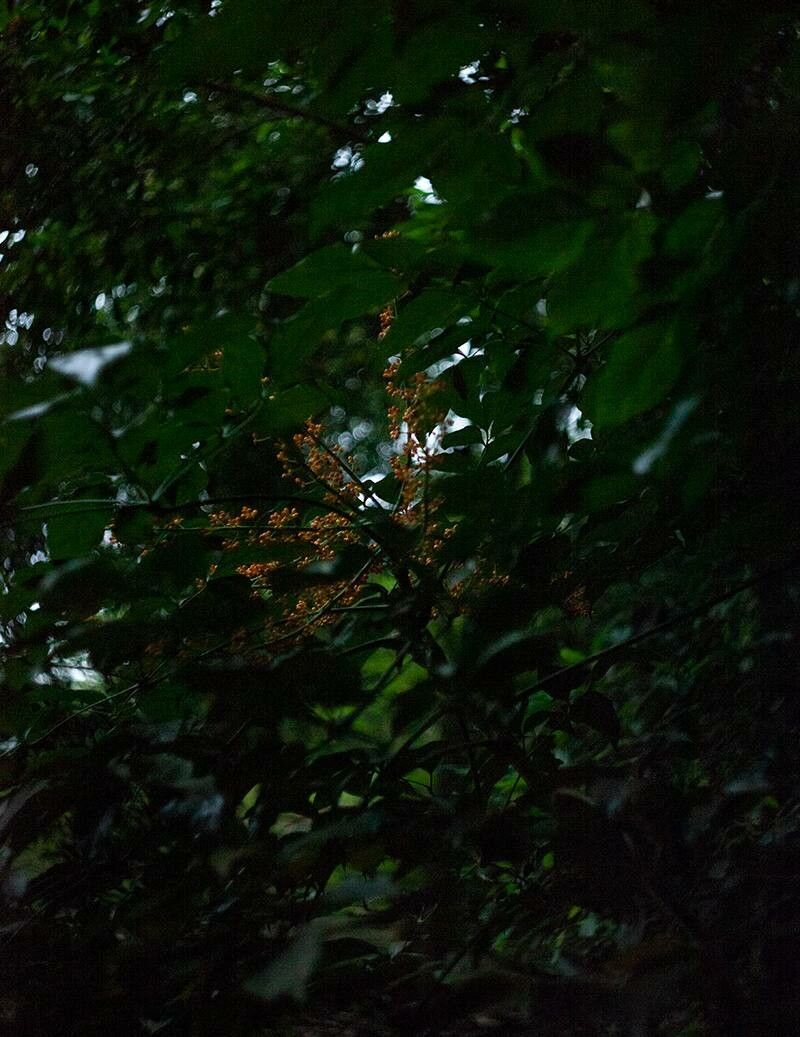
Heteropanax fragrans is an evergreen plant in the Araliaceae family. The leaves of this arboreal plant are fed on by the larvae of the Eri silk moth. In the Mizo language it is known as Changkhen and in Assamese it is called Keseru. The tree is found in Assam; Bangladesh; Cambodia; South Central China; China Southeast; Eastern Himalayas; Hainan; India; Myanmar; Nepal; Vietnam; Western Himalayas; Thailand.
Fragrant aralia is fairly disease-resistant and typically does not easily get sick. Regarding upkeep, this plant is relatively easy to care for. When grown outdoors it needs only light watering, and larger specimens generally do not need pruning. Smaller plants, however, should be pruned after they have finished blooming. Fragrant araliat is appropriate for anyone who has an outdoor area, such as a garden or deck, and it does not demand much prior plant-care experience.
How to keep Heteropanax Fragrans.
Light
The fragrant aralia prefers significant sunlight exposure for ideal growth but can also tolerate shadowy settings. It originated from locations where sun-soaked conditions are predominantly observed. The plant's health can suffer if it is exposed to disproportionate amounts of light, which could result in reduced growth or leaves turning yellow.
Water
Originating from subtropical regions, fragrant aralia thrives best in moderate humidity and can tolerate brief periods of dryness. To keep the soil evenly moist, water the plant every 1-2 weeks. When grown indoors for its ornamental beauty, it flourishes in conditions that mimic the humidity of its native habitat.
Temperature
Fragrant aralia demonstrates effective adjustability towards temperature fluctuations, capable of enduring elevated temperatures and significant temperature changes. When dealing with high temperatures, it's crucial to monitor watering and supply suitable shading to avoid damages from sunlight. In contrast, Fragrant aralia possesses a fairly weak resistance to low temperatures. While it can endure a certain level of cold, extremely cold conditions can result in damage from frost.
Fertilizer
It's important to time the fertilization of Fragrant aralia accurately. Apply the fertilizer beginning in early spring and persist on a monthly basis until the onset of early summer. The nutrients in the fertilizer contribute to the production of beautiful flowers and supply energy during both inactive and active growth stages.
Pruning
Fragrant aralia benefits greatly from pruning, which is best done during the winter months when the plant is dormant. To encourage bushier growth, remove any dead branches and trim back overgrown stems. Be sure to use clean, sharp tools, and sterilize them between cuts to reduce stress on the plant and promote its vigor.
Pot & Repot
Repot your fragrant aralia every 2 to 3 years during the spring. Choose a slightly larger pot to support its growth. Make sure the pot has good drainage and keep the soil consistently moist, being careful not to overwater. Place the plant in indirect light to help it recover after repotting. Fragrant aralia is easy to care for, making it appealing to plant enthusiasts.
Botanical profile.
- Plant Type
- Tree
- Life Cycle
- Perennial
- Genus
- Heteropanax
- Family
- Araliaceae
- Hardiness Zone
- 9-11
- Mature Height
- 4.88 m to 29.87 m
- Mature Spread
- 11.89 m
- Leaf Color
- Dark Green, Forest Green
- Leaf Type
- Evergreen
- Flower Color
- Yellow, Green
- Flower Size
- 1.27 cm
- Bloom Time
- Late summer, Early fall, Mid fall
- Planting Time
- Spring, Summer
- Harvest Time
- Late fall, Early winter, Mid winter
- Native Area
- India, Cambodia, Vietnam, Myanmar, Bhutan, Bangladesh, Laos, Thailand, China