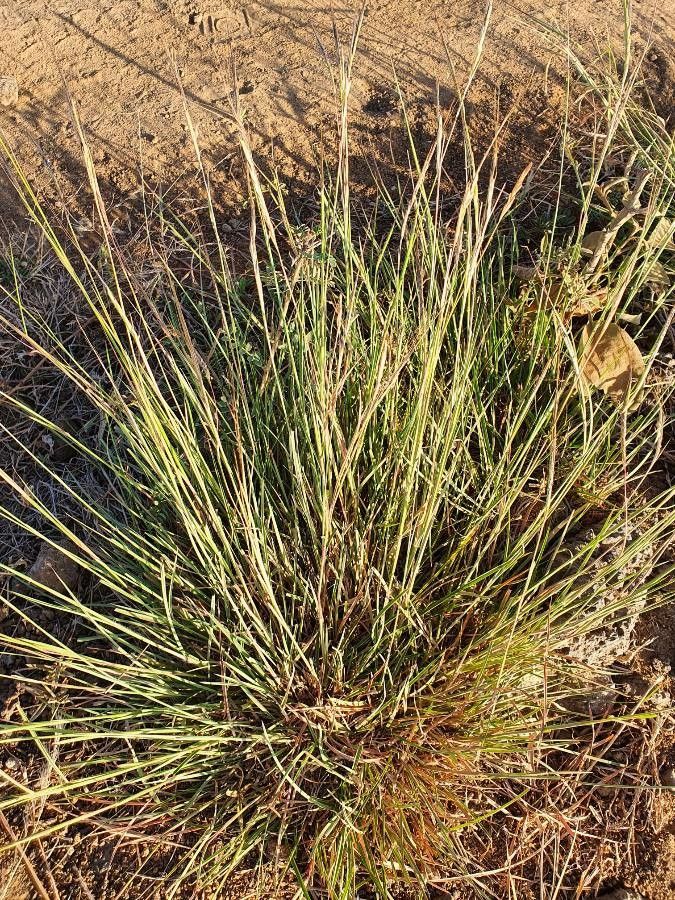
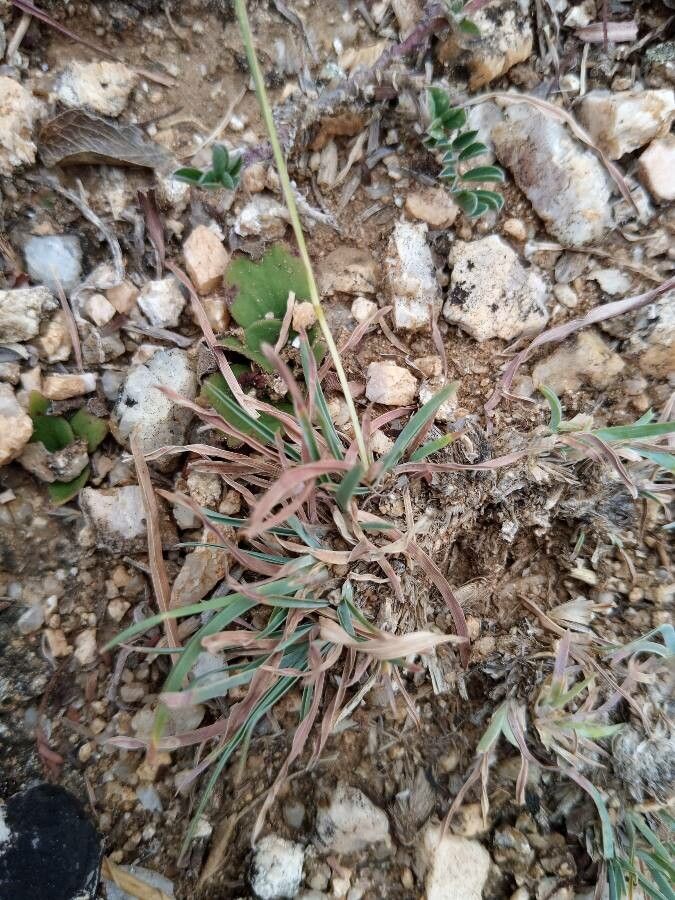
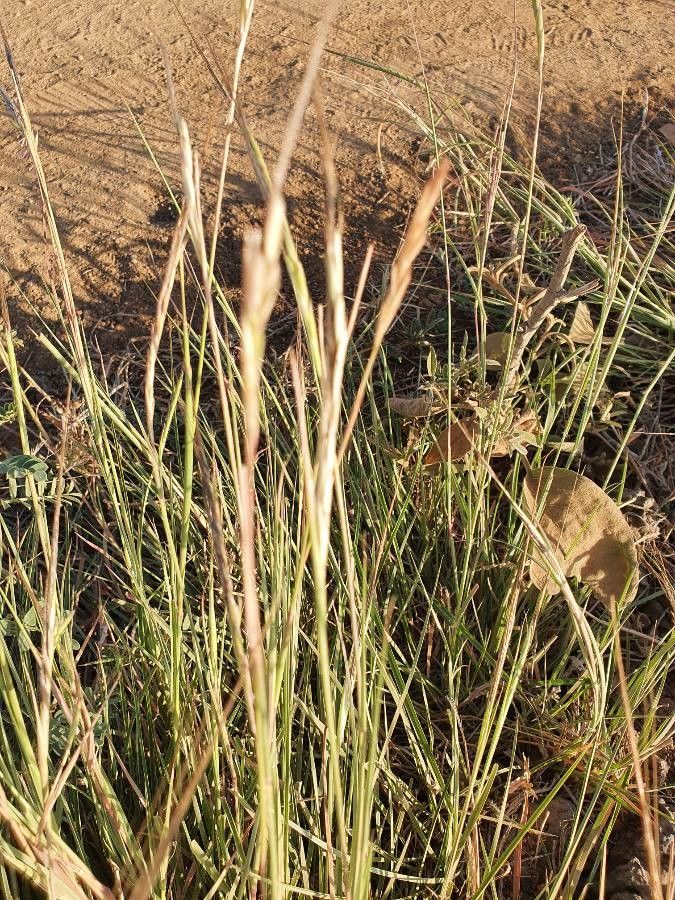
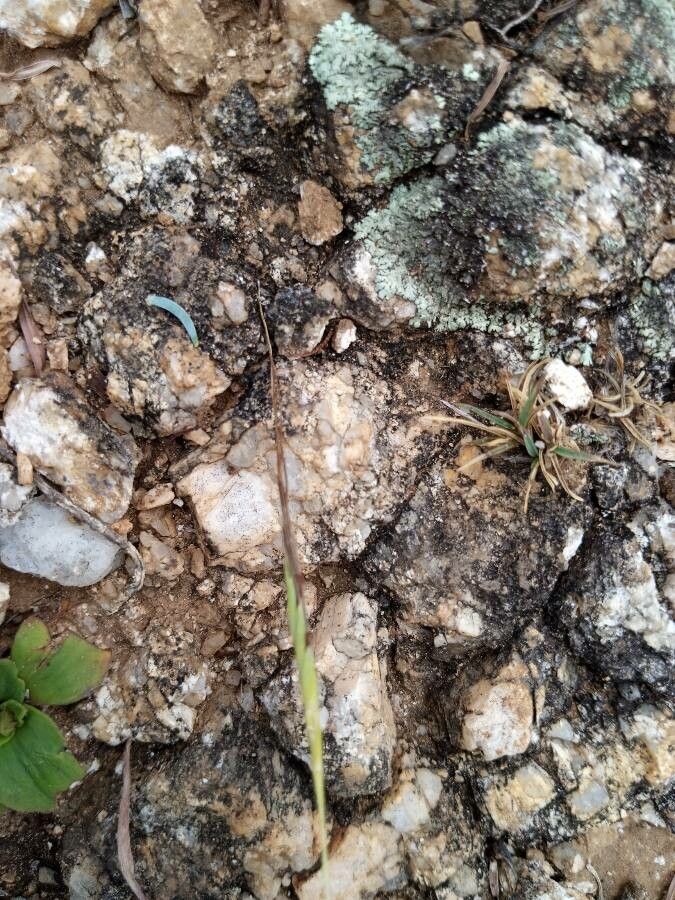
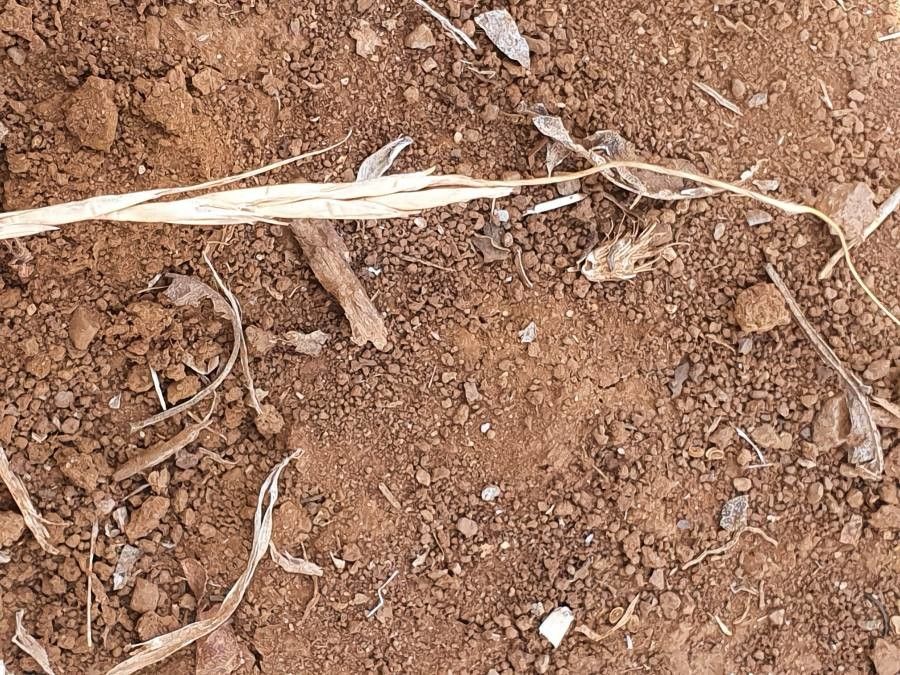
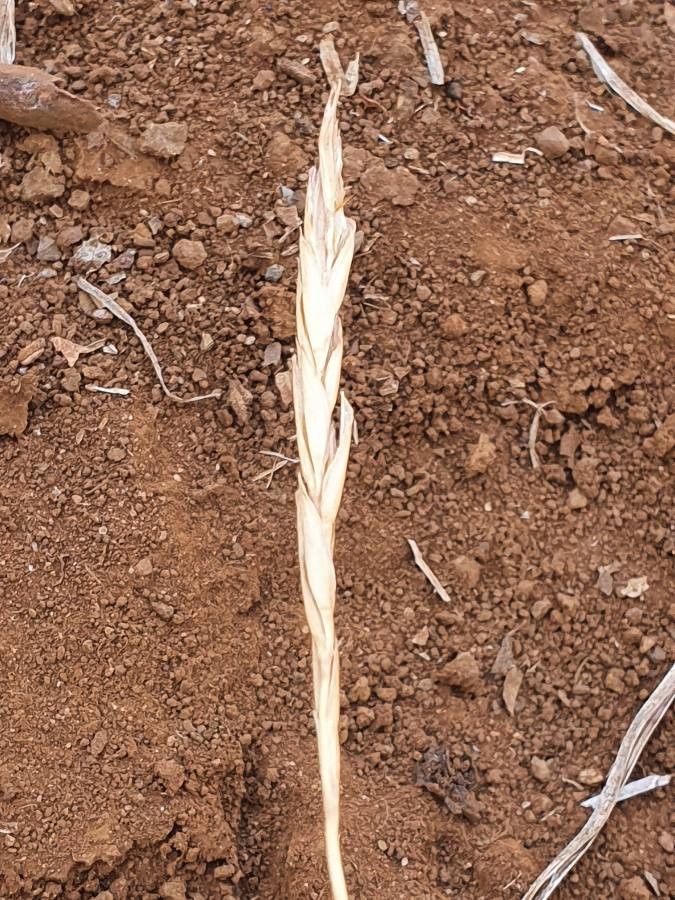
Heteropogon contortus, commonly known as black spear grass or tanglehead, is a perennial grass that belongs to the Poaceae family. Native to Africa, it has spread to other regions, including Australia and North America.
This plant boasts a deep root system, enabling it to thrive in harsh environments such as drylands and savannas. Heteropogon contortus can grow up to 1 meter tall and features long leaves that are twisted or contorted at their base. Its inflorescence consists of spikelets clustered at the tips of long stems.
Heteropogon contortus plays a crucial role in ecosystem functioning by providing food for grazing animals like cattle and wildlife such as antelopes. Additionally, its deep root system helps prevent soil erosion by stabilizing the soil.
In traditional medicine, Heteropogon contortus is known for its anti-inflammatory properties and is believed to have medicinal benefits for treating various ailments, including fever, coughs, colds, and headaches.
Overall, Heteropogon contortus is an important plant species due to its ecological significance in dryland ecosystems and its medicinal properties, which have been utilized by traditional medicine practitioners over time.
Black speargrass is disease-resistant and typically not susceptible to illnesses. Regarding care, this plant is fairly low-maintenance. When grown outdoors it needs only infrequent watering, and larger specimens usually don't require pruning; smaller plants, however, should be pruned after they finish blooming. Black speargrass is suitable for anyone with an outdoor area, such as a garden or deck, and does not demand extensive care experience.
How to keep Heteropogon Contortus.
Light
Black speargrass is a perennial herbaceous plant that favors sunny conditions and comes from open habitats, commonly thriving in meadows and grasslands. It prefers full sun but can also tolerate partial sun.
Water
Black speargrass, native to tropical savannas, prefers moderate moisture and benefits from weekly watering. Its efficient root system allows it to endure dry periods, thriving in a range of soil types that match the natural rainfall patterns of its homeland.
Temperature
Black speargrass comes from tropical regions, where the climate is generally warm and humid. As a result, it is well adapted to high temperatures and humidity. It is sensitive to sudden temperature changes and prefers a stable thermal environment, so avoiding temperature fluctuations indoors is important. It typically does not tolerate cold and needs higher temperatures to grow. If the ambient temperature falls too low, the plant may stop growing or even die.
Fertilizer
Black speargrass needs extra nutrients to encourage healthy new growth. In spring, spreading some compost around the plant’s base can effectively supply the nutrition it requires. Fertilizing helps support vigorous growth and enables the plant to resist diseases and pests.
Pruning
Black speargrass, known for its tightly coiled awns, thrives in grassland areas. To keep it healthy and visually appealing, pruning should be done in early spring. This helps remove dead stems and encourages dense growth, which in turn improves air circulation and reduces the risk of disease. Regular pruning keeps the grass manageable and enhances its aesthetic appeal.
Botanical profile.
- Plant Type
- Grass
- Life Cycle
- Perennial
- Genus
- Heteropogon
- Family
- Poaceae
- Hardiness Zone
- 8-11
- Mature Height
- 20 cm to 91 cm
- Mature Spread
- 0.61 m to 1.52 m
- Leaf Color
- Green, Dark Green
- Leaf Type
- Deciduous
- Flower Size
- 3.05 cm to 6.35 cm
- Bloom Time
- Summer
- Planting Time
- Summer, Autumn
- Harvest Time
- Late summer, Early fall, Mid fall
- Native Area
- Burkina Faso, Libya, Sri Lanka, Belize, India, Mexico, Guatemala, Madagascar, Montenegro, Pakistan, Nigeria, Croatia, Morocco, Fiji, Uganda, Tanzania, Benin, Sierra Leone, Indonesia, Cameroon, Mozambique, Ethiopia, Central African Republic, Saudi Arabia, Tunisia, Honduras, Peru, Philippines, Bangladesh, Laos, Chad, China, Colombia, Afghanistan, Lebanon, Syria, Italy, Japan, Togo, El Salvador, Senegal, Eswatini, Côte d'Ivoire, Ecuador, Congo (DRC), Djibouti, Somalia, Lesotho, Angola, Malaysia, Vanuatu, Namibia, Rwanda, Eritrea, Yemen, Kenya, Niger, Jamaica, Zimbabwe, Mali, Iraq, Cambodia, Burundi, Liberia, Venezuela, Brazil, Oman, Ghana, Botswana, France, Nepal, Congo, South Africa, Sudan, Mauritania, Zambia, Guinea, Spain, Switzerland, Bolivia, Vietnam, Myanmar, Guyana, Bhutan, Nicaragua, Singapore, Albania, Algeria, Thailand, Gabon
Other names.
Reader questions.
What are the sunlight requirements for Black speargrass?
Black speargrass requires full sun, which means it needs above 6 hours of sunlight daily. However, it can also tolerate partial sun conditions, requiring about 3-6 hours of sunlight. It's important to watch how sunlight moves through your garden to select spots that offer an adequate balance of light and shade, ensuring your plants thrive.
What essential conditions are needed for Black speargrass to thrive?
Black speargrass is a sun-loving perennial herbaceous plant that originates from open habitats like meadows and grasslands. It thrives in full sun conditions but can also tolerate partial sun. When natural sunlight is insufficient, artificial lighting can be used, particularly for indoor plants or during less sunny periods. LED lights are recommended for their ability to provide specific wavelengths of light needed by plants. The required wattage varies based on the plant's sunlight needs: 30-50W/sq ft for full sun plants, 20-30W/sq ft for partial sun plants, and 10-20W/sq ft for full shade plants. The artificial light source should be placed 12-36 inches above the plant and kept on for 8-12 hours per day to mimic natural sunlight.
What are the symptoms of light deficiency in Black speargrass?
Black speargrass shows several symptoms when exposed to inadequate lighting, including smaller new leaves, leggy or sparse growth, faster leaf drop, slower or no new growth, lighter-colored new leaves, chlorosis (leaves turning yellow due to the breakdown of chlorophyll), sunscald (damage from intense sunlight exposure), leaf curling (a defense mechanism to reduce sunlight exposure), wilting (due to water loss from overexposure to sunlight), and leaf scorching (brown, dry, and crispy leaf edges). These symptoms can affect the plant's health and growth.
How can you improve the growth of Black speargrass with insufficient sunlight?
For indoor Black speargrass plants with insufficient sunlight, gradually move them to a sunnier location weekly until they receive at least 6 hours of direct sunlight daily. Utilize south-facing windows and keep curtains open during the day. If the plant is large or not easily movable, consider using artificial light, keeping a desk or ceiling lamp on for at least 8 hours daily, or opt for professional plant grow lights. For outdoor plants, gradually move them to sunnier spots each week to avoid sudden changes in light intensity and potential sunburn. Reducing obstructions such as pruning trees can also help increase sunlight exposure. For smaller plants that can be moved, transplant them during their dormant period to a location with ample sunlight and good drainage. It's important to note that parts of the plant previously affected by low light may not recover, but new growth should be healthy after increasing light exposure.