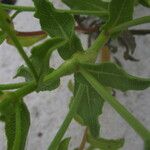
Heterotheca subaxillaris
Camphor daisy · Camphorweed · Telegraph plant · Camphorweed Golden-aster · Camphorweed Goldenaster
Description
Source: leafsnapHeterotheca subaxillaris: An Overview Commonly known as camphorweed or golden aster, Heterotheca subaxillaris is a perennial herbaceous plant belonging to the Asteraceae family. It is native to North America and thrives in various habitats, including prairies, meadows, and roadsides. Description Heterotheca subaxillaris can grow up to 3 feet tall and features a branching stem with narrow, fine-haired leaves. The plant produces bright yellow flowers with a central disk surrounded by numerous ray florets. These vibrant blooms appear from late summer through fall. Medicinal Uses For centuries, Native Americans have utilized Heterotheca subaxillaris for its medicinal properties. The leaves were traditionally used to brew tea for treating colds and coughs, while the roots served as an antiseptic. Ecological Importance The plant is a valuable food source for pollinators such as bees and butterflies, thanks to its nectar-rich flowers. Conclusion Overall, Heterotheca subaxillaris is not only a beautiful wildflower but also offers medicinal benefits and ecological value within its native habitats.
🌳 Camphorweed's occasional weedy appearance limits its use in gardens. However, it is still cultivated in warmer climates because of its resilience in harsh growing conditions. It is primarily grown for its vibrant flowers, which attract bees and butterflies. To maximize the impact of its bright spring and summer blooms, camphorweed is often planted in groups.
Care Guide
💧 Water Every 7 days
Camphorweed is a resilient plant that flourishes in dry environments, thanks to its remarkable drought tolerance. To simulate natural rainfall, it should be watered once a week. It's important to plant camphorweed in well-draining soil to prevent waterlogging. Ideally, camphorweed should be grown outdoors, where it can receive full sun exposure during its active growing season.
How do I know if I am watering my Camphorweed enough?
Camphorweed can be tricky to water properly. While their deep roots require weekly moisture, they are highly susceptible to root rot and may develop browning if overwatered. Underwatering is less of a concern as these plants can survive without supplemental watering for a period of time. However, if they are deprived of water for too long, they will wilt and exhibit dry leaves.
How is watering Camphorweed different when done indoors versus outdoors?
Most Camphorweed grow outdoors instead of indoors for a few reasons. Firstly, these plants tend to grow quite tall. Secondly, they require more daily sunlight than most indoor settings can offer. If you manage to find a suitable indoor growing location, you may need to water your Camphorweed more frequently compared to an outdoor setting. This is because indoor environments are generally drier due to HVAC units, and soil in containers can dry out more rapidly than soil in the ground.
☀️ Light Full sun
Camphorweed does best in locations that get a high amount of sunlight throughout the day. It can also survive and remain healthy when light is somewhat limited. However, its native habitat is one with abundant sun. Both too much and too little light can negatively affect its growth and health.
What are the sunlight requirements for Camphorweed?
Camphorweed (Heterotheca subaxillaris) thrives in full sun, requiring more than 6 hours of sunlight daily, but it can also grow in partial sun, with about 3-6 hours of sunlight. It's essential to observe how sunlight moves through your garden to find spots with the perfect balance of light and shade, ensuring the plants' health and happiness. Camphorweed's origin in a sun-rich environment underscores its need for substantial sunlight exposure, though both too much and too little light can adversely affect its growth.
How can artificial lighting support Camphorweed growth indoors?
When natural sunlight is insufficient, especially during winter or in areas receiving less sunlight, artificial lighting can significantly aid Camphorweed's growth indoors. Optimal growth can be achieved by using LED lights, which can be tailored to provide specific wavelengths needed by plants. Full sun plants require 30-50W/sq ft, partial sun plants need 20-30W/sq ft, while full shade plants need 10-20W/sq ft. The artificial light source should be placed 12-36 inches above the plant and kept on for 8-12 hours a day to mimic natural sunlight conditions.
What are the symptoms of inadequate sunlight in Camphorweed?
Camphorweed displays several symptoms when it doesn't receive enough sunlight, including the growth of smaller new leaves, leggy or sparse growth, faster leaf drop, and slower or no new growth. Additionally, leaves may develop a pale color or irregular patterns due to insufficient sunlight (chlorophyll deficiency), and chlorosis might occur, leading to yellow leaves. Excessive sunlight, conversely, can lead to symptoms like sunscald, leaf curling to minimize water loss, wilting due to increased transpiration, and leaf scorching, showing brown, dry edges on leaves.
How can I remedy sunlight-related issues for Camphorweed?
To address sunlight-related issues in Camphorweed, gradually increase its sun exposure to at least 6 hours daily. If moving the plant isn't feasible, like with larger indoor plants, consider using artificial grow lights for a minimum of 8 hours a day. For outdoor plants, ensure a gradual transition to sunnier spots to avoid sunburn. Pruning or transplanting can also help reduce sunlight obstructions. Note that parts of the plant already damaged by insufficient light may not recover, but new growth will be healthy once proper light conditions are met.
🌡️ Temperature 15–35°C
Camphorweed is native to areas with a moderate climate range of 68 to 95 °F (20 to 35 ℃). It clearly prefers these temperatures, and altering the habitat temperature beyond its comfort zone could hinder its growth.
What is Camphorweed and where is it indigenous to?
Camphorweed, with its botanical name Heterotheca subaxillaris, is indigenous to areas that have a moderate climate range of 68 to 95 °F (20 to 35 °C). It thrives best within these temperature ranges, showing a clear preference for such climates. Altering the habitat temperature beyond this comfort zone could adversely affect its growth.
Does Camphorweed need special frost protection measures during winter?
Camphorweed possesses strong cold resistance, so special frost protection measures are not typically necessary during winter. However, if winter temperatures are expected to drop below -15°C, it's important to provide cold protection to the plant. This can be achieved by covering the plant with soil or straw to insulate it from the cold. Additionally, it is recommended to water the plant abundantly before the first freeze in autumn to ensure the soil remains moist and enters a frozen state, which helps prevent drought and water scarcity for the plant during winter and early spring.
What are the important symptoms to look out for with Camphorweed in low and high temperatures?
In low temperatures, Camphorweed is cold-tolerant, thriving best above 20°C and should be kept above 0°C during winter. When temperatures fall below -15°C, there might not be noticeable changes during winter, but there could be a decrease in sprouting or even a lack of sprouting during spring. The solution for this is to remove any parts of the plant that have failed to sprout in spring.\n\nIn high temperatures, during summer, Camphorweed should be kept below 35°C. If the temperature exceeds 41°C, the leaves may become lighter in color, prone to curling, susceptible to sunburn, and in severe cases, the entire plant may wilt and dry up. To remedy this, trim away the sunburned and dried-up parts. Move the plant to a location that provides shade from the midday and afternoon sun, or use a shade cloth. Additionally, water the plant in the morning and evening to keep the soil moist.
💨 Humidity
🪴 Soil 6-7
🌱 Fertilizer
Camphorweed does well with regular, weak applications of fertilizer to encourage healthy leaf development. You should feed Camphorweed about once a month during the summer. Nitrogen is essential for foliage, and providing nitrogen-rich sources helps Camphorweed prosper.
🪴 Pot & Repot
✂️ Pruning
Pruning camphorweed from early to late spring helps promote new growth and maintain a compact shape. Removing overgrown stems and damaged branches enhances the plant's vigor and encourages blooming. Regular seasonal pruning also prevents the plant from sprawling and improves its overall appearance and health.
🌿 Propagating
🐛 Diseases & pets
☠️ Toxicity
Characteristics
- Plant Type
- Herb
- Life Cycle
- Annual
- Genus
- Heterotheca
- Family
- Asteraceae
- Hardiness Zone
- 7-10
- Mature Height
- 2.13 m
- Mature Spread
- 61 cm
- Leaf Color
- Green
- Leaf Type
- Deciduous
- Flower Color
- Gold, Yellow
- Flower Size
- 2.54 cm to 5.08 cm
- Bloom Time
- Summer
- Planting Time
- Spring
- Harvest Time
- Mid summer, Late summer, Early fall
- Native Area
- Mexico, Belize