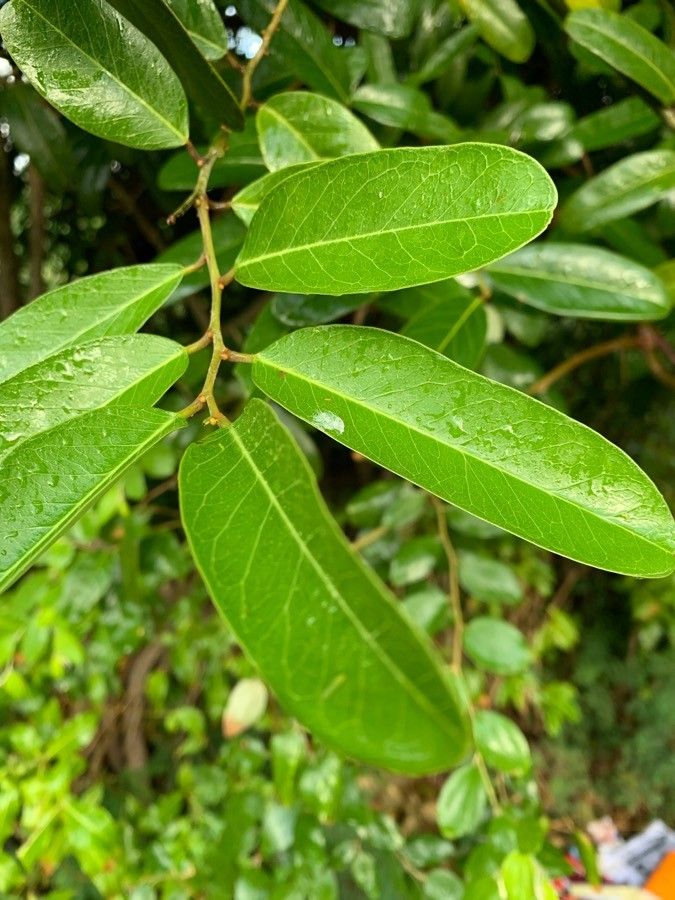
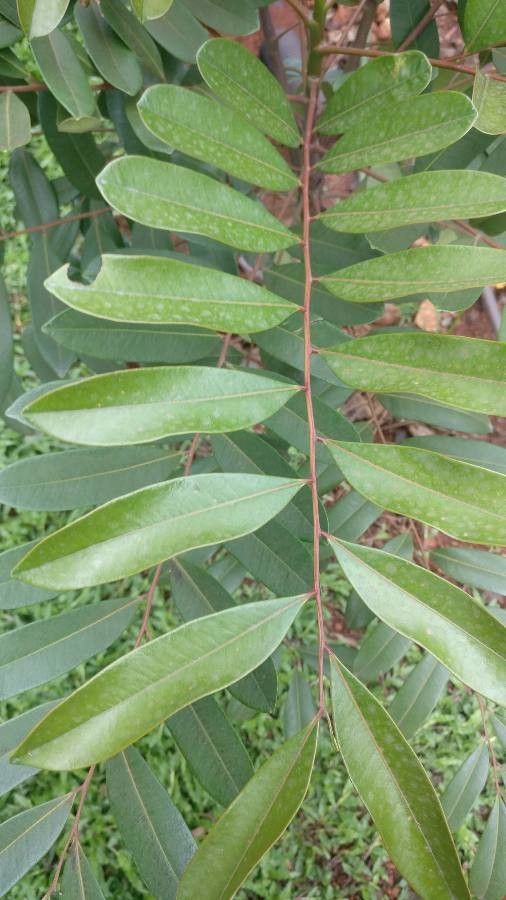
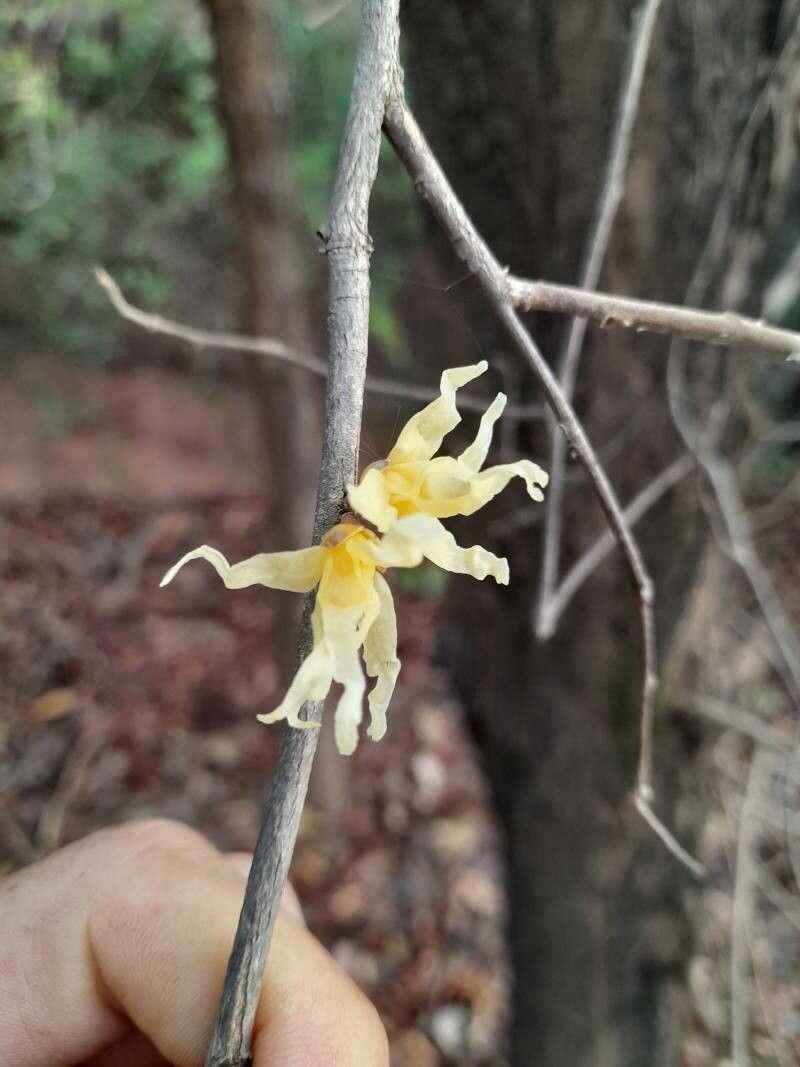
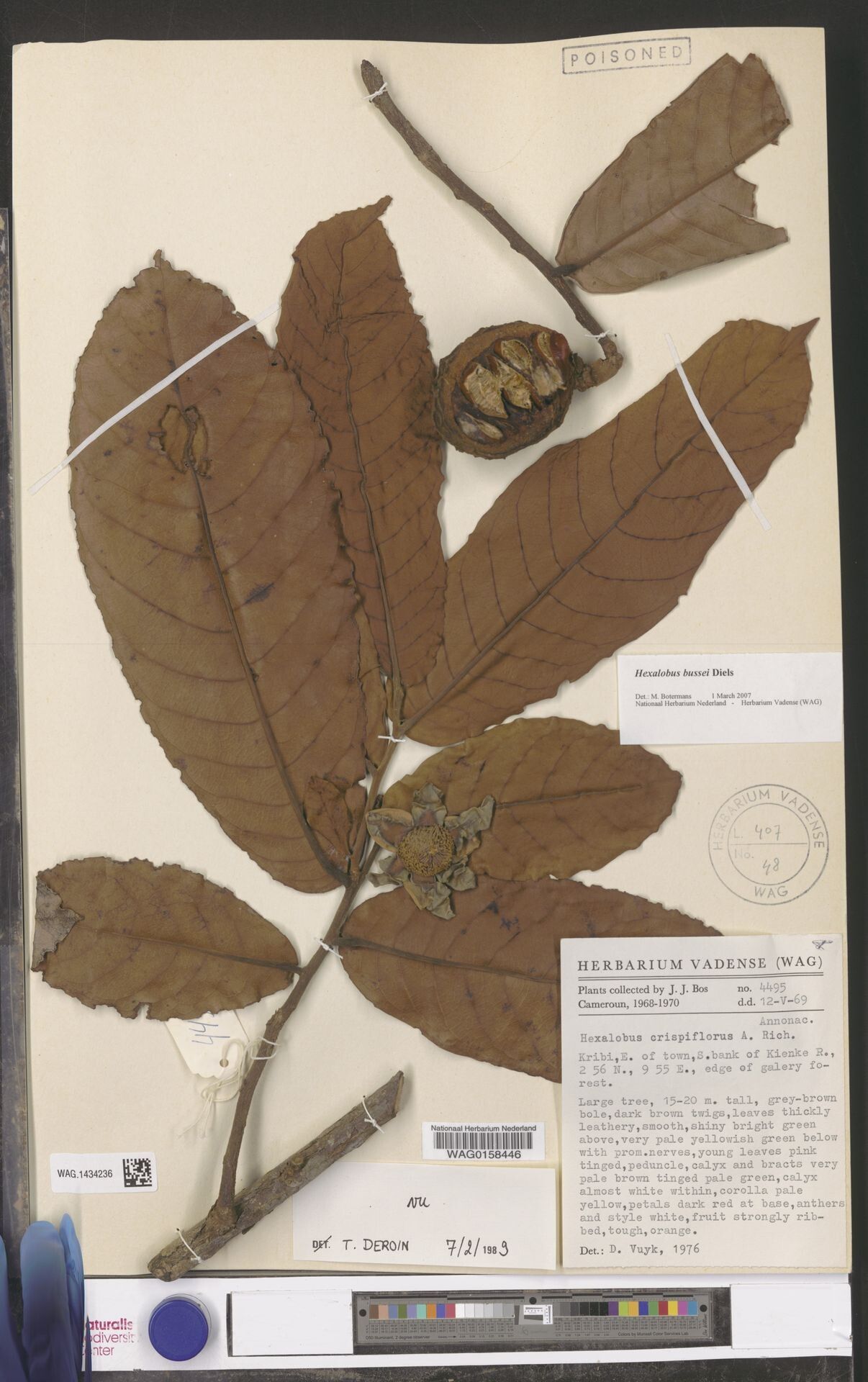
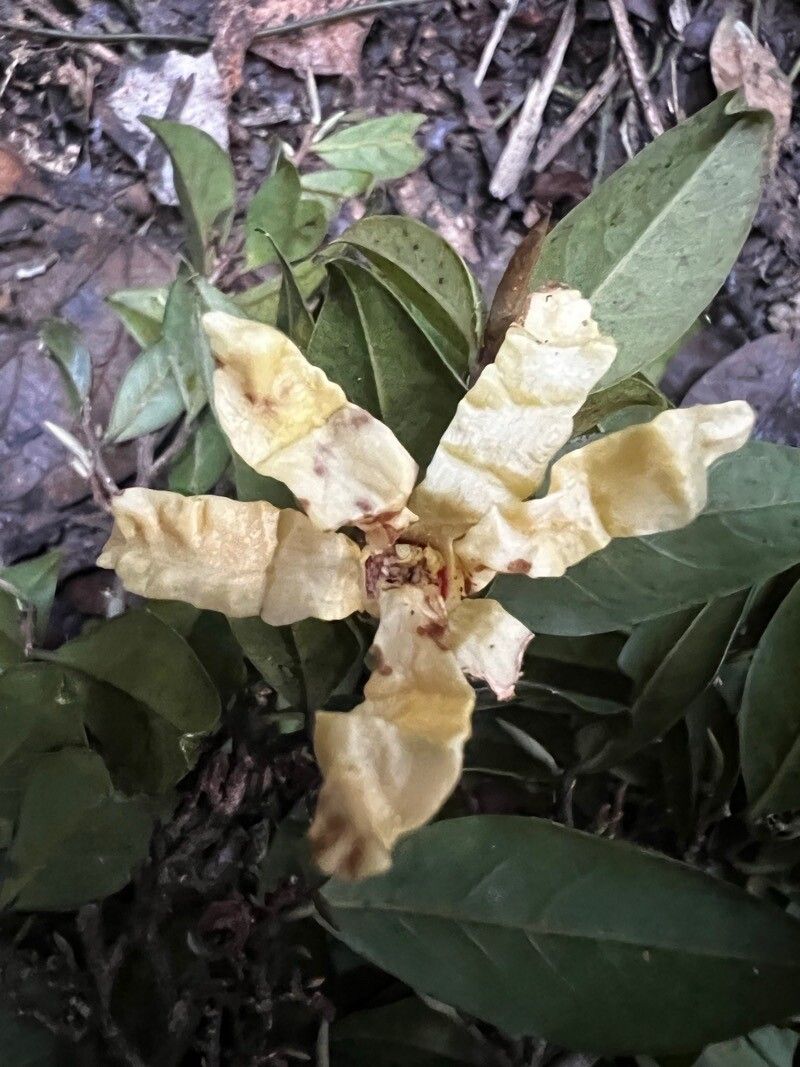
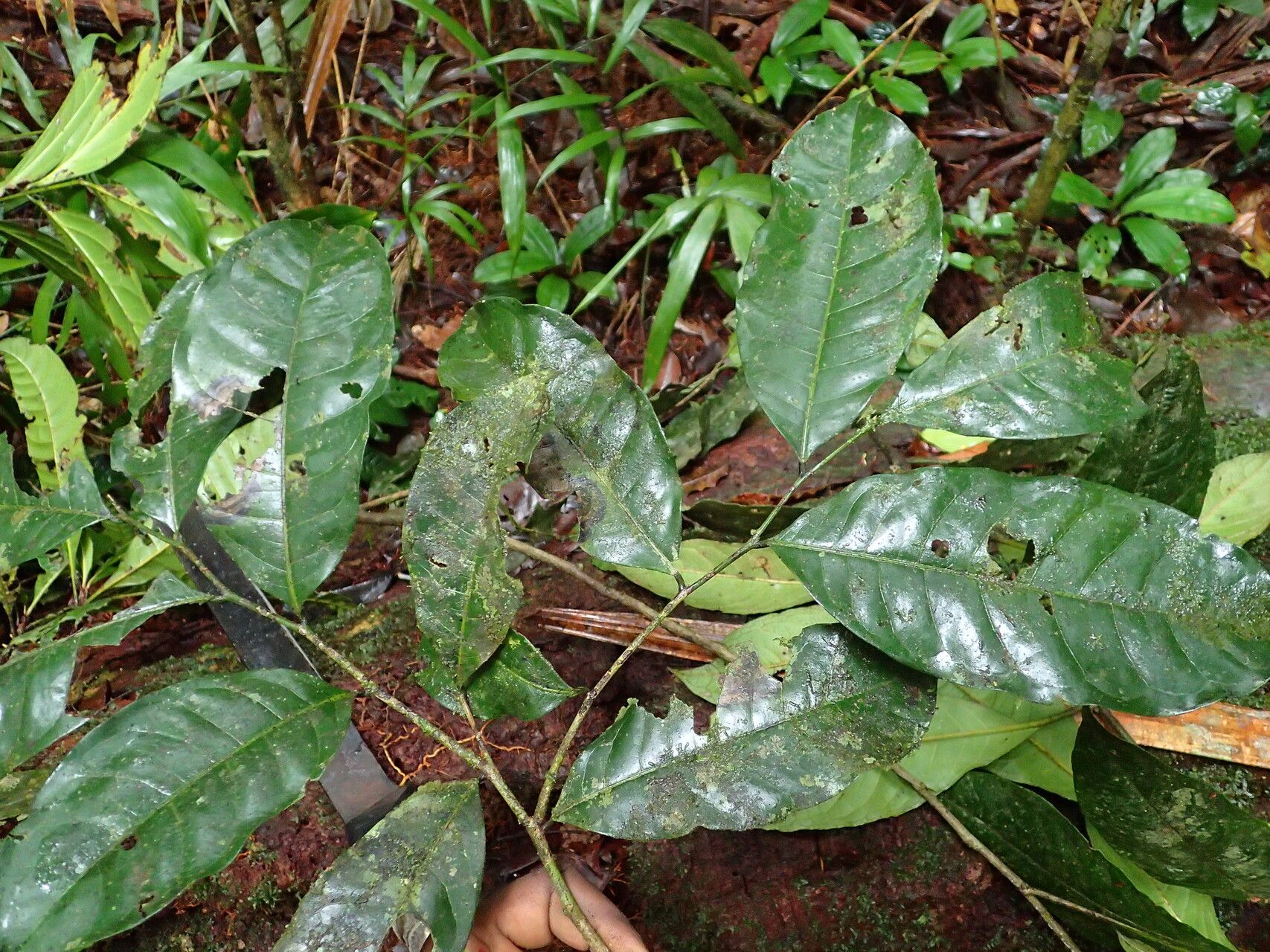
Hexalobus monopetalus, commonly known as the African star apple or bush mango, is a tropical plant species in the Annonaceae family. Native to West and Central Africa, this tree can grow up to 30 meters tall with a trunk diameter reaching up to 1 meter. Its leaves are dark green, glossy, and leathery, measuring approximately 10-20 cm in length.
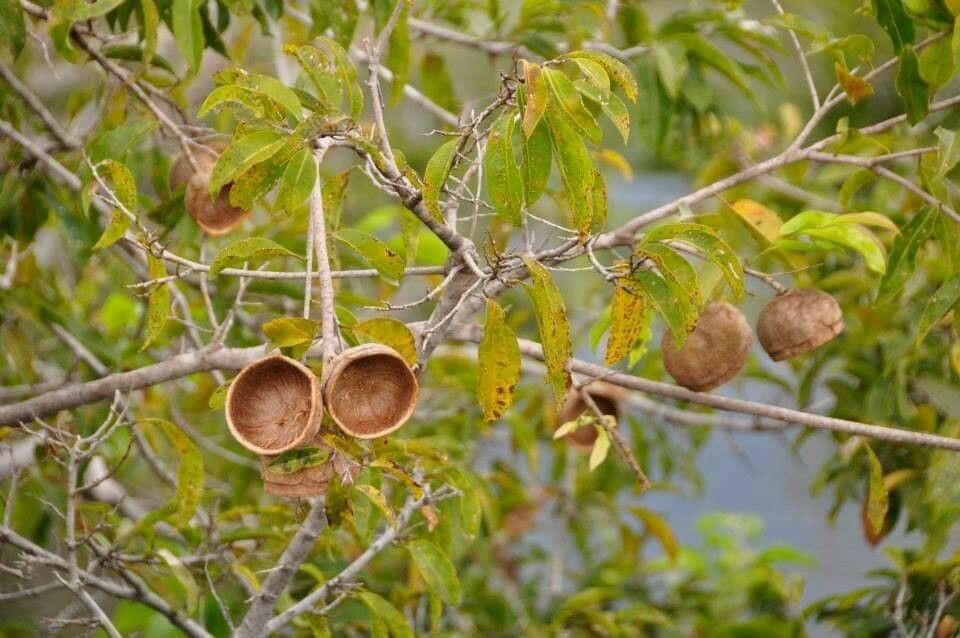
The fruit of Hexalobus monopetalus is oval-shaped, about the size of an apple or mango, with greenish-yellow skin that turns yellow when ripe. Inside, the white pulp surrounds several seeds covered in red arils.
This edible fruit is highly nutritious, containing vitamins A, C, and E, as well as minerals such as calcium and iron. Additionally, it has medicinal properties, including traditional uses for treating diarrhea.
Hexalobus monopetalus thrives in tropical regions with abundant rainfall throughout the year. While the plant prefers well-drained soils, it can also grow on sandy soils near riverbanks or swamps.
In conclusion, Hexalobus monopetalus, also known as the African star apple, is an important tropical tree species valued for its nutritional and medicinal properties. It plays a crucial role in food security for local communities, particularly during times when other crops fail due to drought or other environmental factors. This tree species thrives under natural conditions with minimal human intervention, requiring only occasional pruning in its early stages. Once mature, it bears fruit annually with little care needed beyond harvesting until it reaches old age, which can be influenced by environmental conditions over its lifespan.
Shakamaplum has strong disease resistance and is typically not susceptible to illnesses. With respect to care, this plant is fairly low-maintenance. Planted outside, it needs only light watering, and larger specimens usually do not require pruning. Smaller specimens should be trimmed after they have finished blooming. Shakamaplumt is appropriate for anyone who has an outdoor area, such as a garden or deck, and it does not demand extensive care experience.
How to keep Hexalobus Monopetalus.
Light
Shakamaplum naturally occurs in habitats like forest understories and rocky areas, where it exists in naturally shaded conditions. It prefers partial sun but can tolerate full sun or full shade, reflecting its adaptable and hardy character.
Temperature
Shakamaplum comes from tropical areas, where the climate is normally warm and humid. Therefore it is well suited to high temperatures and humidity. It is not fond of sudden temperature shifts and prefers a steady thermal environment, so avoiding indoor temperature fluctuations is important. It generally does not tolerate cold and needs higher temperatures to grow. If the surrounding temperature falls too low, the plant may stop growing or even die.
Fertilizer
Choose organic fertilizers (e.g., fish emulsion or compost) rather than chemical ones for Shakamaplum. Supply young plants with higher nitrogen and phosphorus in spring. Work compost or fertilizer into the soil before or after planting. For mature plants, apply a balanced fertilizer in spring or one specific to any deficiencies. Nutrient deficiency produces small leaves, short branches, yellow/bronze foliage, acidic fruits, premature fruit drop, and fruit splitting.
Botanical profile.
- Plant Type
- Tree
- Life Cycle
- Perennial
- Genus
- Hexalobus
- Family
- Annonaceae
- Hardiness Zone
- 10-12
- Mature Height
- 4.88 m to 10.06 m
- Mature Spread
- 3.05 m to 6.1 m
- Leaf Color
- Dark Green
- Leaf Type
- Evergreen
- Flower Color
- Cream
- Flower Size
- 2.03 cm to 3.05 cm
- Bloom Time
- Late spring, Early summer, Mid summer
- Planting Time
- Spring, Summer, Autumn
- Harvest Time
- Late summer, Early fall, Mid fall
- Native Area
- Burkina Faso, Angola, Namibia, South Africa, Zambia, Sudan, Nigeria, Guinea, Guinea-Bissau, Niger, Uganda, Tanzania, Zimbabwe, Mali, Benin, Chad, Cameroon, Mozambique, Togo, Ghana, Senegal, Côte d'Ivoire, Congo (DRC), Botswana, Central African Republic
Other names.