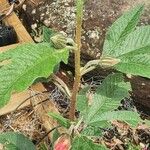
Hibiscus aculeatus
Comfortroot · Pineland hibiscus
Description
Source: leafsnapHibiscus aculeatus is a species of plant in the family Malvaceae. Common names include comfortroot and pineland hibiscus.
Care Guide
💧 Water
Young comfortroot plants require frequent watering, preferably in the evening. In contrast, mature plants generally depend on rainwater, except during drought conditions when additional watering is necessary. Comfortroot grown in pots needs more water compared to those planted in gardens. Comfortroot thrives in damp conditions, necessitating daily watering during the summer. However, another variant can tolerate drought but requires thorough watering when it becomes dry.
☀️ Light Full sun
Comfortroot is a perennial herbaceous species that favors sunny locations and comes from open environments, frequently occurring in meadows and grasslands. It thrives in full sun yet can endure partial sun.
What are the sunlight requirements for Comfortroot?
Comfortroot, or Hibiscus aculeatus, thrives in varying amounts of sunlight, depending on the desired outcome. For full sun exposure, it requires above 6 hours of sunlight a day, which is ideal for its optimal growth and bloom. If your garden layout or geographical location cannot provide this, partial sun, defined as about 3-6 hours of sunlight daily, can still support the plant's health, though perhaps with slight compromises on its vigor compared to full sun conditions. It's important to observe the way sunlight moves through your garden, to identify spots that offer a blend of light and shade. This observation ensures you place your Comfortroot in a location where it can enjoy the level of sunlight it needs to be happy and healthy.
🌡️ Temperature 10–35°C
Comfortroot adjusts well to temperature, tolerating higher heat and considerable temperature swings. In hot weather, attention should be paid to irrigation and providing suitable shade to avoid sunburn. On the other hand, Comfortroot is not very tolerant of cold; it can handle some chill, but overly cold conditions may cause frost damage.
What is Comfortroot?
Comfortroot, known botanically as Hibiscus aculeatus, is a plant species with distinctive characteristics and properties. Unfortunately, the provided information does not include details about its essentials or symptoms related to its use or interaction with the environment or humans. For more specific details about Comfortroot, including its applications, benefits, and any potential side effects, additional resources should be consulted.
💨 Humidity
🪴 Soil 6-7
🌱 Fertilizer
The best time to fertilize a Comfortroot is in early spring, as it comes out of dormancy and begins active growth. Fertilizing supplies essential nutrients for healthy development. Although Comfortroot has fairly low fertilizer requirements, applying fertilizer once a year can improve its survival and encourage better, longer-lasting flowers.
🪴 Pot & Repot
✂️ Pruning
Comfortroot benefits greatly from early spring pruning, which involves removing dead branches to promote better growth and blooming. Thinning the center of the plant improves air circulation and helps reduce pest infestations. Regular maintenance is essential for boosting the plant's vigor, ensuring it maintains a vibrant appearance. Strategic pruning is crucial for both the plant's aesthetics and overall health.
🌿 Propagating
🐛 Diseases & pets
☠️ Toxicity
Characteristics
- Plant Type
- Herb
- Life Cycle
- Perennial
- Genus
- Hibiscus
- Family
- Malvaceae
- Hardiness Zone
- 6-9
- Mature Height
- 0.91 m to 1.83 m
- Mature Spread
- 61 cm to 91 cm
- Leaf Color
- Green, Dark Green
- Leaf Type
- Deciduous
- Flower Color
- Pink, White
- Flower Size
- 6.35 cm to 11.43 cm
- Bloom Time
- Summer, Early fall, Mid fall
- Planting Time
- Spring, Summer, Autumn
- Harvest Time
- Late summer, Fall, Early winter