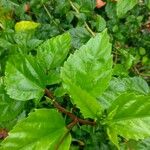
Hibiscus spp.
Common Hibiscus · Hibiscus · Garden Hibiscus · Cultivated Hibiscus
Description
Source: leafsnapYou can't go wrong with a Hibiscus—there are over 200 species, as well as numerous cultivars and hybrids—if you're searching for a plant with a striking, exotic, trumpet-like blossom in a variety of colors and sizes. If you desire an outstanding houseplant or live in a warm area, tropical hibiscus types (Hibiscus rosa-sinensis) are ideal. The shrubby rose of Sharon (Hibiscus syriacus), which is both easy to cultivate and tolerant of colder winter temperatures, will be the best option for people who reside in cooler regions of North America.
Care Guide
💧 Water
☀️ Light
🌡️ Temperature
In cool, moderate areas, you can grow hibiscus and the rose of Sharon.They can survive in conditions between 60 and 90 degrees Fahrenheit and can withstand temperatures as low as 20 degrees. When the temperature drops below 30 degrees Fahrenheit and there is a danger of frost, bring container-grown plants inside.
💨 Humidity
🪴 Soil
🌱 Fertilizer
Feed plants with a high potassium and high nitrogen fertilizer to promote plentiful, robust blooms with vibrant color. Organic fertilizers include seaweed extract and fish emulsion. Just before the bloom period begins, feed a half-strength solution, and keep doing so for at least a few weeks until flowering is finished.
🪴 Pot & Repot
✂️ Pruning
Once established, hardy hibiscus benefits from annual winter pruning. After flowering, prune the plant back to maintain a neat appearance and to remove any dead, diseased, or broken branches or old wood that has grown in the middle of the plant. If you forcefully trim back, don't worry; this species can withstand it.
🌿 Propagating
🐛 Diseases & pets
☠️ Toxicity
It is safe to have hibiscus plants around kids, toddlers, and newborns because neither the leaves nor the blossoms of the hibiscus plant are toxic to humans. Hibiscus sabdariffa's calyxes, leaves, and flowers are all edible. The calyxes are the main component of hibiscus tea, a tart beverage packed with vitamin C.
Characteristics
- Plant Type
- Annual and perennial herbaceous plants
- Genus
- Hibiscus
- Family
- Malvaceae
- Hardiness Zone
- 5-11
- Bloom Time
- Summer, fall, and year-round in tropical climes
- Native Area
- Asia, North America