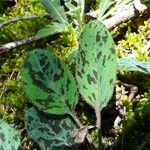
Hieracium maculatum
Spotted hawkweed · Noble Hawkweed
Description
Source: leafsnapHieracium maculatum, commonly known as spotted hawkweed, is a perennial herbaceous plant in the Asteraceae family. Native to Europe and Asia, it has also been introduced to North America and other regions worldwide. The plant can grow up to 60 cm tall and features a basal rosette of lance-shaped leaves with toothed edges. Its hairy stem is adorned with small leaves along its length. The flowers of the spotted hawkweed are bright yellow-orange and are arranged in clusters at the top of the stems. They bloom from June to August and attract bees, butterflies, and other pollinators. Spotted hawkweed thrives in well-drained soils in open areas such as meadows, pastures, and roadsides. It can also grow on rocky slopes and in disturbed areas like abandoned fields or clearcuts. While its bright flowers make it attractive to some, spotted hawkweed can be considered an invasive species due to its ability to spread rapidly through seed production. This rapid spread can outcompete native plants, leading to ecological imbalances if not properly controlled.
Care Guide
💧 Water Every 7 days
Spotted hawkweed thrives in environments with moderate moisture and can withstand brief dry periods. It requires consistent watering every one to two weeks and grows best in well-drained soil that resembles its natural habitat. Usually cultivated outdoors, spotted hawkweed benefits from seasonal rainfall to fulfill its water requirements.
How should I water my Spotted hawkweed?
To properly water the Spotted hawkweed, it is recommended to use filtered water at room temperature. Using filtered water is preferred because tap water may contain harmful particles. It is important to use water that is at room temperature or slightly warmer since the plant is accustomed to a warm environment, and cold water can be stressful for it. Instead of overhead watering, it is best to apply the filtered room temperature water directly to the soil until it is completely soaked. This helps to promote healthy root growth and nutrient absorption.
What should I do if I give my Spotted hawkweed too much or too little water?
Overwatering is a common issue for Spotted hawkweed and can cause wilting, yellowing, and potential diseases such as root rot, mold, and mildew. Underwatering is less common but can lead to brittle, brown leaves. It is important to notice and address signs of overwatering quickly, as some diseases may be irreversible if left unchecked. Reduce watering immediately if overwatering is detected, and consider replacing poorly-draining soil. If underwatering is suspected, simply increase watering until signs improve.
How frequently should I water my Spotted hawkweed plant?
If your plant is in a pot, the most precise way to determine if your Spotted hawkweed needs water is to check the soil moisture by inserting your finger into it. If the top two to three inches of soil are dry, it's time to water the plant. The same method applies when growing Spotted hawkweed outdoors in the ground - if the top few inches of soil have dried out, it's time to water. In the spring and early fall, this typically means watering once a week. However, during hot weather, watering may need to be increased to twice a week or more. It's worth noting that mature and well-established Spotted hawkweed can tolerate drought conditions well.
How much water does my Spotted hawkweed require?
When watering your Spotted hawkweed, don't hold back on the amount of water you give it. Make sure the top two to three inches of soil are dry, and then give it a thorough and deep watering until the soil is entirely soaked. The water should be enough to flow out of the drainage holes at the bottom of the pot. If you don't see excess water draining, it means you haven't watered enough. On the other hand, be careful not to let water accumulate in the soil, as it can harm the plant. Additionally, if water doesn't drain well from the pot, it could be due to poorly draining soils, which is unhealthy for the plant. If the plant is outdoors, it should receive about 1 inch of rainfall per week, which is enough.
How do I water my Spotted hawkweed as it grows?
The water needs of the Spotted hawkweed can vary depending on its growth stages. When it is in the early years or has just been transplanted, it requires more water than usual. This is because during this time, it focuses on developing new roots to support future growth, and these roots need extra moisture. As the plant matures, it will require less water. Another stage when it may need more water is during the bloom period, as flower development consumes a significant amount of moisture.
☀️ Light Full sun
Spotted hawkweed thrives when exposed to sunlight for most of the day, though it can tolerate some shade. It originates from habitats with abundant sunshine, and such light conditions encourage its growth. However, too little or too much sunlight can hinder its healthy development.
What are the sunlight requirements for Spotted Hawkweed?
Spotted Hawkweed thrives in full sun, requiring above 6 hours of sunlight daily, but it can also manage in partial sun with about 3-6 hours of sunlight. It's essential to observe how sunlight moves through your garden to find locations that offer an optimal balance of light and shade, ensuring the plant's health and happiness. Originating from areas that receive abundant sunshine, this plant's growth is best promoted under similar conditions, though it can tolerate some shade. However, both inadequate and excessive sunlight can hinder its healthy development.
How can artificial lighting benefit indoor Spotted Hawkweed?
Indoor Spotted Hawkweed requires sufficient lighting for optimal growth, especially when natural sunlight is scarce, like in winter or less sunny spaces. Artificial lighting, such as LED lights customized to provide specific wavelengths of light needed by the plant, serves as an excellent alternative. For plants that need full sun, 30-50W/sq ft of artificial light is recommended, while partial sun plants require 20-30W/sq ft, and full shade plants need 10-20W/sq ft. The light source should be placed 12-36 inches above the plant, mimicking natural sunlight conditions, and kept on for about 8-12 hours per day depending on the plant species.
What are the symptoms of improper lighting for Spotted Hawkweed?
When Spotted Hawkweed is exposed to inappropriate lighting conditions, several symptoms may manifest. Insufficient light can lead to smaller new leaves, leggy or sparse growth, faster leaf drop, slower or halted growth, and lighter-colored or pale new leaves, indicating a lack of chlorophyll and nutrients. Excessive sunlight can cause chlorosis, where the plant loses its green color, sunscald with pale or necrotic areas on the plant, leaf curling as a protective measure against sun damage, wilting due to increased water loss, and leaf scorching characterized by brown, dry edges on leaves. These symptoms highlight the importance of providing the right amount of sunlight.
How can you optimize light conditions for Spotted Hawkweed indoors and outdoors?
To optimize light conditions for Spotted Hawkweed, gradually acclimate the plant to the desired sunlight levels. Indoors, move the plant weekly to sunnier areas until it gets at least 6 hours of direct sunlight, utilizing a south-facing window for maximum exposure. Consider using artificial lighting like a desk or ceiling lamp for at least 8 hours daily or professional grow lights if natural light is insufficient. Outdoors, similarly adjust the plant's location gradually to prevent sunburn. Note that parts of the plant that suffered from light deficiency may not recover, but new growth should be healthy post-adjustment. To increase sunlight for ground-planted Spotted Hawkweed, reduce obstructions by pruning any trees or shrubs blocking the light and consider transplanting smaller plants to sunnier spots during their dormant period for better growth conditions.
🌡️ Temperature 5–32.2°C
Spotted hawkweed can tolerate a wide range of temperatures, but its distribution may still be constrained by different combinations of water availability and heat. It does best in warm summer conditions with sufficient rainfall or watering. Extended periods of cloudy, rainy weather or sustained high temperatures can raise the likelihood of Spotted hawkweed dying. In winter, adequate protection from cold can increase the plant's chances of survival.
💨 Humidity
🪴 Soil 5-7
🌱 Fertilizer
For Spotted hawkweed, the primary time to apply fertilizer is in early spring when the flowers are beginning to form. The proper fertilizer promotes better blooms and helps Spotted hawkweed produce attractive flowers. Fertilizing in early spring ensures strong flowers throughout the season and supplies energy for its dormant growth phases.
Why should I put fertilizer on my Spotted hawkweed?
The Spotted hawkweed relies heavily on its leaves for structure, and proper fertilization is crucial for maintaining their appearance and function. Fertilization not only enhances leaf color and texture, but also supports the growth of new roots and sustains existing roots below the soil surface. This ensures the plant's immediate health and long-term ability to effectively absorb nutrients from the soil.
When should I fertilize my Spotted hawkweed plant?
To maximize the growth of your outdoor Spotted hawkweed plant, look for the emergence of new growth in early spring. This is the signal to start fertilizing for the year. Generally, a single application of fertilizer is sufficient for a healthy Spotted hawkweed. However, if you want to promote even more growth, you can feed the plant multiple times during spring and early summer. In this case, aim to fertilize every month to a month and a half.
When is it not a good idea to fertilize my Spotted hawkweed plant?
Your Spotted hawkweed enters a dormant phase during late fall and winter, where it stops growing. During this time, avoid fertilizing it. In spring and summer, if you choose to fertilize multiple times, start reducing the rate as summer comes because the growth rate of your Spotted hawkweed also slows down. Generally, it's not a good idea to fertilize your Spotted hawkweed during unusually hot weather or when the soil is very dry. Fertilizing in those conditions can stress your Spotted hawkweed and cause it to die prematurely.
What kind of fertilizer does my Spotted hawkweed require?
Choosing the best fertilizer for a Spotted hawkweed is actually quite simple. These plants will thrive on a general-purpose garden fertilizer with equal amounts of nitrogen, phosphorus, and potassium, such as a 10-10-10 ratio. Avoid fertilizers with high nitrogen levels when unsure. For the most part, the best fertilizers for Spotted hawkweeds come in granular form and have a slow-release feature, making them easy to apply to the soil. Additionally, using organic soil amendments like compost can be beneficial when feeding your Spotted hawkweed.
How can I give my Spotted hawkweed plant the nutrients it needs to grow?
To ensure optimal growth for your Spotted hawkweed, there are a few steps you can follow. First, wait for the first leaves of the hawkweed to appear in early spring. Once you see this sign, apply a balanced slow-release fertilizer to the soil surrounding the base of the plant. If necessary, move some leaves to access the soil above the roots. You may repeat this process later in the season if desired. Additionally, watering the plant before and after fertilizing can be beneficial.
🪴 Pot & Repot
✂️ Pruning
Spotted hawkweed has tall stems and distinctively spotted leaves. For optimal growth, prune the plant from early to late spring. During pruning, remove any dead foliage and trim to control its height. This helps improve air circulation, prevent disease, and encourage blooming. Always use clean, sharp tools to maintain the plant's health.
🌿 Propagating
🐛 Diseases & pets
☠️ Toxicity
Characteristics
- Plant Type
- Herb
- Life Cycle
- Perennial
- Genus
- Hieracium
- Family
- Asteraceae
- Hardiness Zone
- 4-8
- Mature Height
- 15 cm to 25 cm
- Mature Spread
- 25 cm to 30 cm
- Leaf Color
- Green
- Leaf Type
- Deciduous
- Flower Color
- Yellow
- Flower Size
- 2.54 cm
- Bloom Time
- Summer
- Planting Time
- Spring, Autumn
- Harvest Time
- Late summer, Early fall