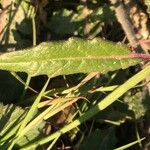
Hirschfeldia incana
خردل کاذب، خردل وحشی · Hoary mustard · Mediterranean mustard · Buchanweed · Summer mustard
Description
Source: leafsnapHirschfeldia incana (formerly Brassica geniculata) is a species of flowering plant in the mustard family known by many common names, including shortpod mustard, buchanweed, hoary mustard and Mediterranean mustard. It is the only species in the monotypic genus Hirschfeldia, which is closely related to Brassica. The species is native to the Mediterranean Basin but it can be found in many parts of the world as an introduced species and often a very abundant noxious weed. This mustard is very similar in appearance to black mustard, but is generally shorter. It forms a wide basal rosette of lobed leaves which lie flat on the ground, and it keeps its leaves while flowering. Its stem and foliage have soft white hairs. Unlike black mustard, H. incana is a perennial plant.Its leaves are edible and traditionally were used in some areas as a leaf vegetable.
🌳 Shortpod mustard isn't merely a common roadside plant; it can also serve as a resource for organic urban art. Its vigorous growth provides a natural "canvas" that draws eco-conscious artists who use it to reshape cityscapes with green graffiti. By utilizing shortpod mustard, these artists adopt an inventive technique that leaves a minimal environmental footprint, blending aesthetics with ecology.
🎭 Fecundity, Defense, Psychic powers
Care Guide
💧 Water Every 7 days
Shortpod mustard thrives in Mediterranean-like conditions, where dry summers and wet winters prevail. It is a drought-tolerant plant that requires weekly watering, but care should be taken to avoid over-saturation. This resilient plant adapts well to changes in water availability and flourishes outdoors when seasonal rainfall patterns are replicated.
How should I water my Shortpod mustard plant?
Watering Shortpod mustard is simple and doesn't require any specific tools. A garden hose with a spray nozzle, watering can, or any common watering tool will do the job. This plant isn't too fussy when it comes to water - it can survive on rainwater, tap water, or filtered water. However, it's best to avoid watering from overhead to prevent leaf and flower damage and potential disease. Instead, using a drip irrigation system is the ideal method as it provides even and direct watering to the soil. If you have a container-grown Shortpod mustard, you can follow a similar approach but use a cup, watering can, or tap to water the soil directly.
What should I do if I give my Shortpod mustard plant too much or too little water?
The solution to underwatering Shortpod mustard is clear - water it more regularly when you notice it lacks moisture. On the other hand, overwatering can be a serious issue that may go unnoticed. This can lead to diseases and even death for the plant. To prevent this, it is important to choose a proper growing location with good sunlight and drainage. If you have overwatered Shortpod mustard in a pot, you may need to switch to a new pot with better drainage. When repotting, use loose soil and a pot that drains well.
How frequently should I water my Shortpod mustard plant?
Shortpod mustard requires regular watering throughout the growing season. In spring, it should be watered about once per week. As the season progresses and gets warmer, you may need to water it two to three times per week. However, watering it excessively can harm the plant, so it's important to keep the soil relatively moist but not wet. If you are growing Shortpod mustard in a pot, you will need to water it more frequently than if it is planted in the ground. Potted plants dry out faster, so watering a container-grown Shortpod mustard a few times per week is usually necessary, compared to just once per week for plants in the ground.
How much water does my Shortpod mustard plant need?
There are a few different methods to determine how much water to give to your Shortpod mustard. Some gardeners prefer to assess the soil moisture by feeling it and suggest watering until the first six inches of soil are moist. Another option is to use a specific measurement, like two gallons per week, depending on the temperature and soil dryness. However, this can result in overwatering if the plant needs less water. When growing Shortpod mustard in a container, a different approach is needed. You should water enough to moisten all dry soil layers, which can be checked by inserting a finger into the soil or seeing water trickle out of the pot's drainage holes.
How do I know if I'm giving my Shortpod mustard plant enough water?
Avoiding overwatering your Shortpod mustard can be somewhat difficult due to its deep roots that require weekly soil moistening. However, these plants are highly susceptible to root rot and may also experience browning from overwatering. Underwatering is less likely as Shortpod mustard can survive without supplemental watering for a while, but if you wait too long, it may wilt and develop dry leaves.
☀️ Light Full sun
Shortpod mustard grows best in places that receive plenty of sunlight each day, though it can survive in spots with somewhat less light. In its native range it occurs in sunny habitats. Too much or too little light can affect its vigor, possibly resulting in stunted growth or an excess of spindly, weak stems.
What are the sunlight requirements for Shortpod Mustard?
Shortpod Mustard requires full sun, defined as above 6 hours of sunlight, for optimal growth, but it can tolerate partial sun, about 3-6 hours of sunlight. It's crucial to watch how sunlight moves through your garden and choose spots that offer the right balance of light and shade, ensuring your plants' health. In its natural habitat, this plant thrives in sun-drenched settings, and both a surplus or scarcity of light can impact its health, leading to stunted growth or a proliferation of weak stems.
How can artificial lighting benefit indoor Shortpod Mustard plants?
Artificial lighting can be crucial for the growth of indoor Shortpod Mustard plants, especially when natural sunlight is insufficient, like in winter or less sunny areas. LEDs are preferred for their ability to provide necessary wavelengths. Full sun plants need 30-50W/sq ft, partial sun 20-30W/sq ft, and full shade 10-20W/sq ft of light. The artificial light source should be placed 12-36 inches above the plant and kept on for 8-12 hours a day to mimic natural sunlight, ensuring faster, healthier growth.
What symptoms indicate Shortpod Mustard is receiving inadequate light?
When Shortpod Mustard doesn’t receive enough light, it may show various symptoms such as smaller new leaves, leggy or sparse growth, faster leaf drop, slower or no new growth, lighter-colored new leaves, chlorosis (leaf yellowing), sunscald, leaf curling, wilting, and leaf scorching. Each of these symptoms suggests a need to adjust the plant's exposure to light to ensure its health and vitality.
How can I address light exposure issues for my Shortpod Mustard plants?
To address light exposure issues, gradually move your Shortpod Mustard plants to receive at least 6 hours of direct sunlight daily. If indoors, use a south-facing window and consider artificial lighting for additional support. Outdoors, acclimate plants to sunnier spots gradually to avoid sunburn. You can minimize obstructions by pruning or relocating plants to sunnier locations. Note that parts of the plant damaged by low light may not recover, but new growth will be healthy once light conditions improve.
🌡️ Temperature 10–37.8°C
Shortpod mustard originates from temperate regions and prefers temperatures between 68 and 100°F (20 and 38°C). When seasons shift, this plant may need adjustments to maintain those temperatures, particularly in colder climates.
What is Shortpod mustard and where is it native to?
Shortpod mustard, botanically known as Hirschfeldia incana, is native to temperate environments. It thrives best in temperatures ranging from 68 to 100°F (20 to 38°C), indicating its preference for warmer climates within the temperate zone. Its ability to prosper in these specific temperature ranges makes it well-suited to regions that can maintain these conditions throughout varying seasons.
Does Shortpod mustard require special protection during winter?
Shortpod mustard has strong cold resistance, making it unnecessary to take special frost protection measures in most cases during the winter months. However, in extreme conditions where temperatures are expected to plummet below -25°C, it becomes crucial to provide protection against the cold. This can be effectively done by covering the plant with insulating materials like soil or straw. Additionally, before the onset of the first freeze in autumn, it's advisable to water the plant thoroughly, ensuring the soil is moist as it freezes. This preparation helps in preventing drought and water scarcity for the plant during the harsh winter and the early days of spring.
How does Shortpod mustard react to low temperatures?
Shortpod mustard exhibits a high tolerance to cold and generally prefers temperatures above 20°C for optimal growth. Throughout the winter, it is important to ensure that the temperature does not drop below 0°C. Although the plant may not show noticeable changes when temperatures fall below -25°C, such conditions can lead to a decrease in sprouting, or in some cases, prevent sprouting entirely during the spring. The recommended solution in spring is to remove parts of the plant that have failed to sprout, allowing for rejuvenation and growth.
How should Shortpod mustard be cared for during high temperatures?
During the hotter months, it is essential to monitor and ensure that temperatures around Shortpod mustard do not exceed 38°C. Exposure to temperatures above 43°C can lead to various stress signs in the plant, such as leaves becoming lighter in color, curling, susceptibility to sunburn, and, in severe cases, wilting and drying out. To mitigate these effects, it's advisable to trim away the affected parts of the plant. Moving the plant to a shaded area or utilizing a shade cloth can protect it from the harsh midday and afternoon sun. Additionally, watering the plant in the morning and evening can help maintain the necessary soil moisture, ensuring the plant remains hydrated and healthy.
💨 Humidity normal (40-60%)
This plant will thrive in moderate humidity, which is probably the level in your home. However, misting it a few times a week can be very beneficial. Make sure the room has good ventilation.
🪴 Soil 6-7
🌱 Fertilizer
Shortpod mustard responds well to regular, light fertilizer applications to encourage healthy leaf development. You should fertilize Shortpod mustard roughly once a month during the summer. Nitrogen is essential for foliage, and providing nitrogen-rich sources helps Shortpod mustard thrive.
🪴 Pot & Repot
✂️ Pruning
🌿 Propagating
🐛 Diseases & pets
☠️ Toxicity
Characteristics
- Plant Type
- Herb
- Life Cycle
- Annual, Biennial, Perennial
- Genus
- Hirschfeldia
- Family
- Brassicaceae
- Hardiness Zone
- 6-12
- Mature Height
- 91 cm
- Mature Spread
- 20 cm to 40 cm
- Leaf Color
- Green
- Leaf Type
- Deciduous
- Flower Color
- Yellow
- Flower Size
- 0.51 cm to 0.76 cm
- Bloom Time
- Mid spring, Late spring, Early summer
- Planting Time
- Spring
- Harvest Time
- Early summer, Mid summer
- Native Area
- Saudi Arabia, Libya, Turkey, Sweden, Tunisia, Cyprus, Armenia, Croatia, Morocco, Yemen, Ukraine, Lebanon, Russia, Iraq, Syria, Jordan, Kyrgyzstan, Italy, Spain, Finland, Israel, Iran, Albania, Azerbaijan, Algeria, Portugal