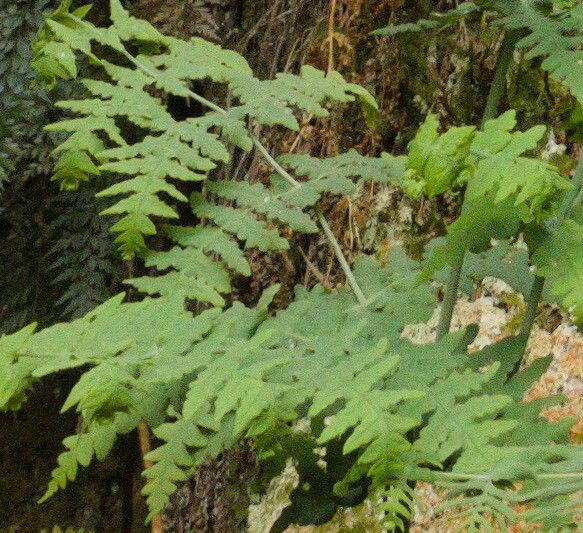
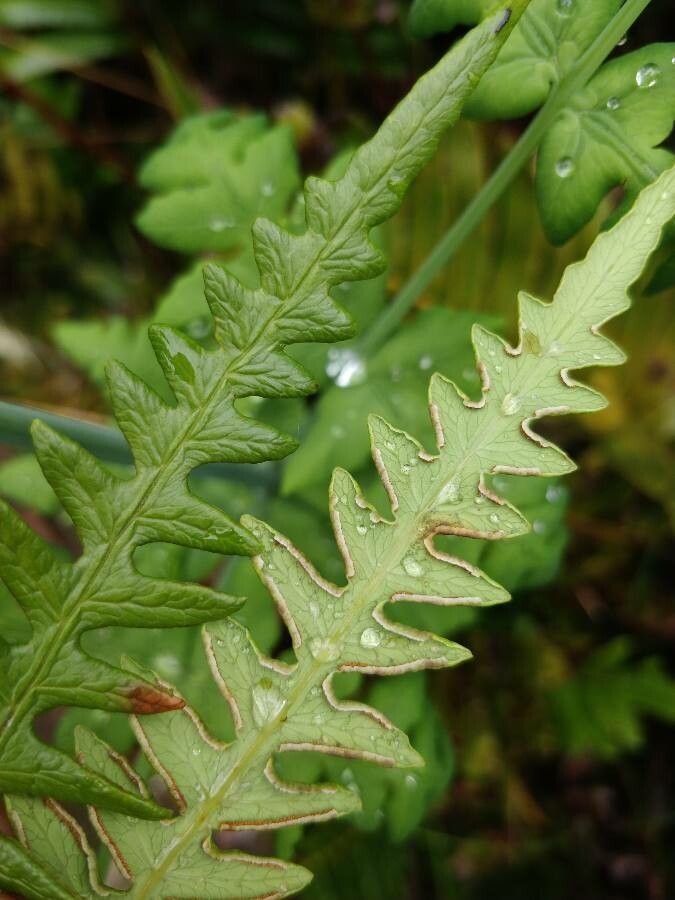
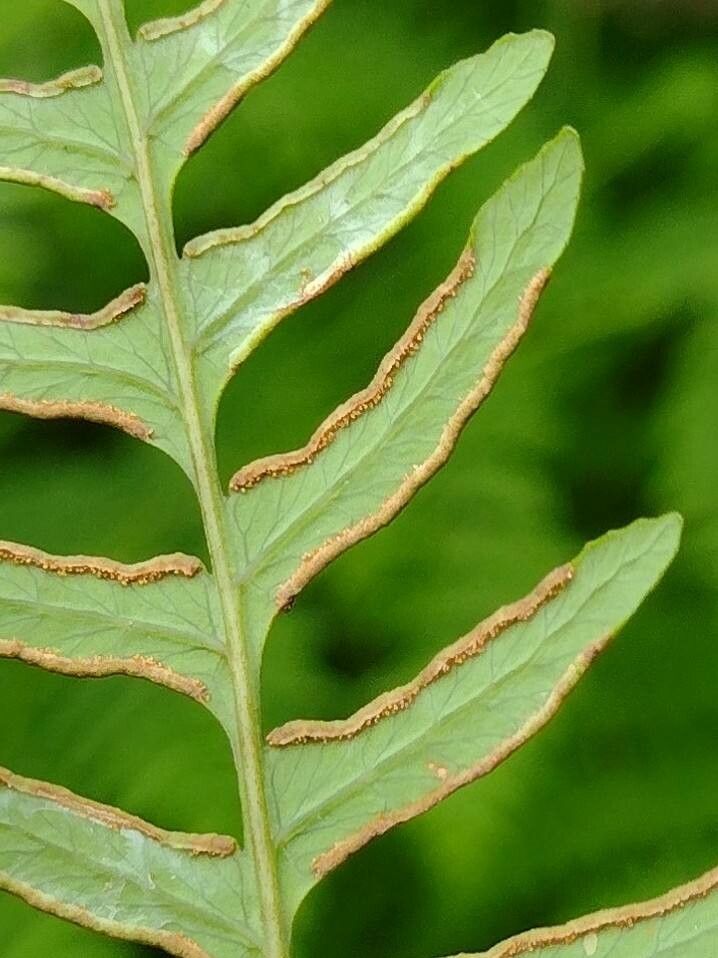
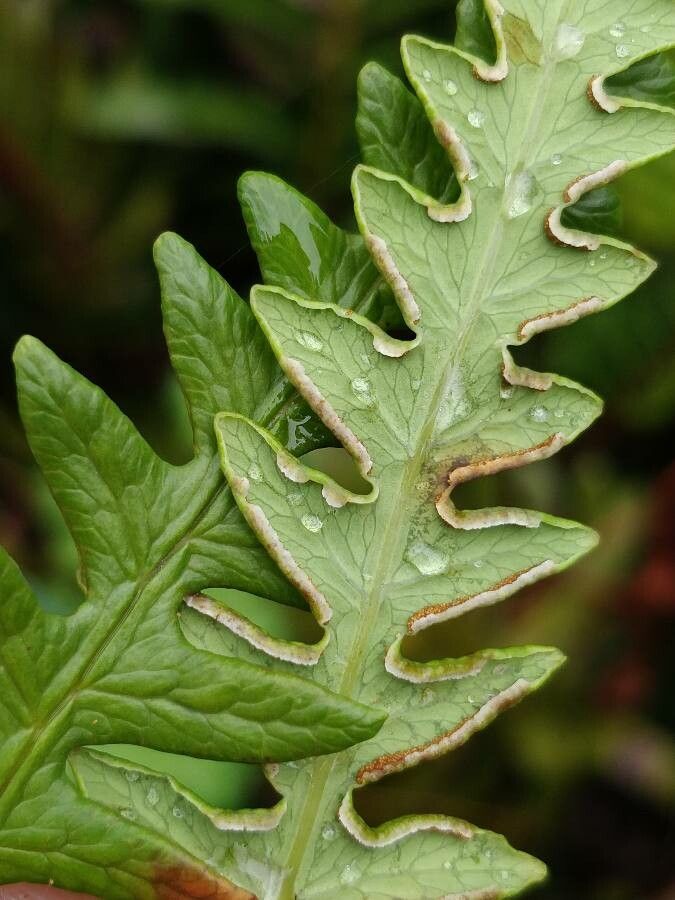
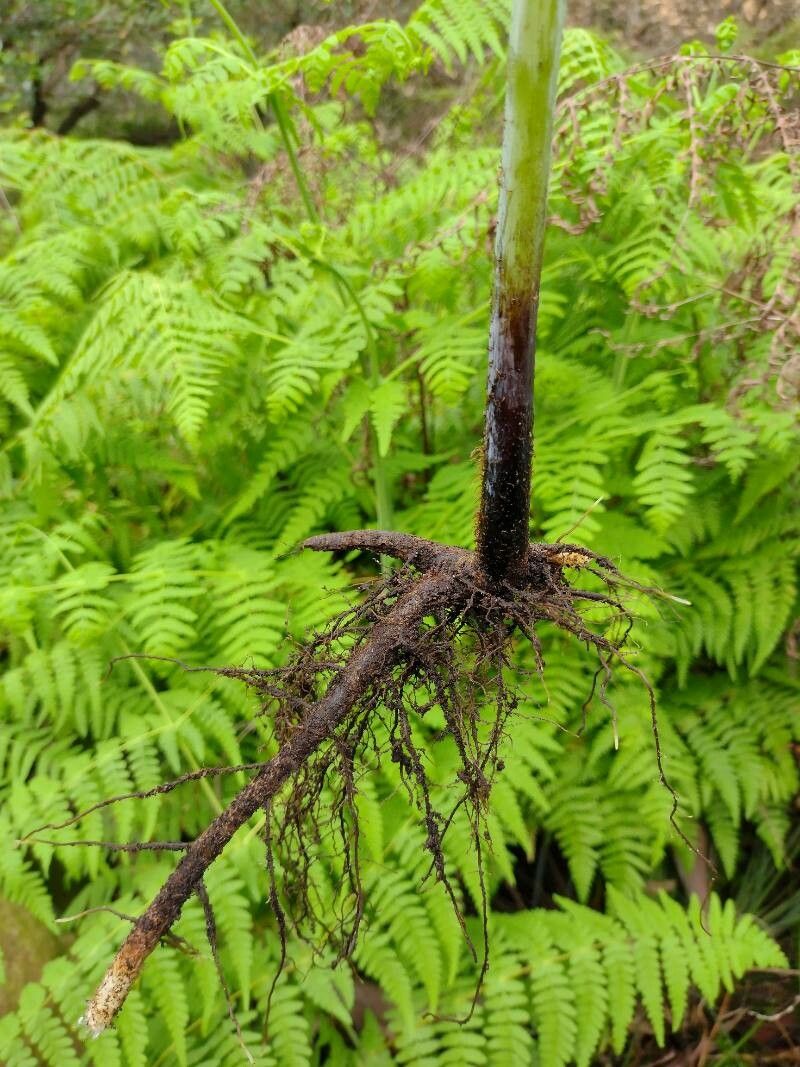
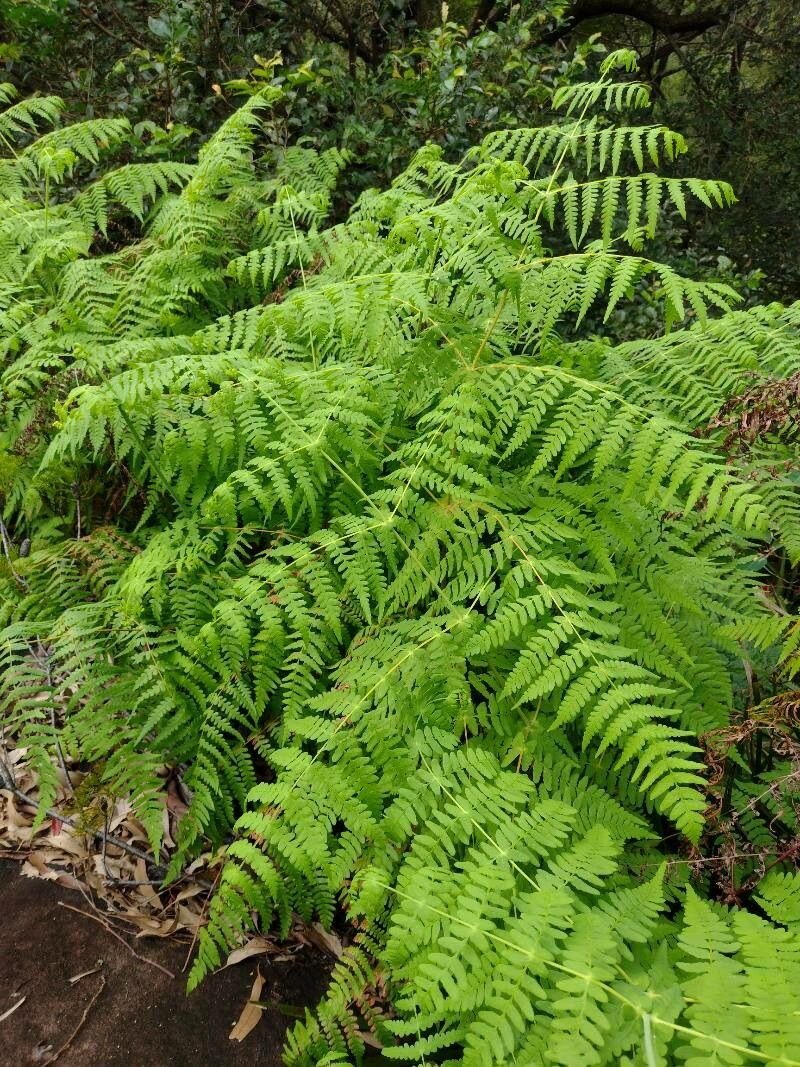
Histiopteris incisa, the bat's wing fern, water fern or fern mata, is a common plant found in Australia, New Zealand and other islands in the south Pacific region. Usually found in moist areas, where it may form large colonies. The lowermost lobes of each pinnae have a bat wing like appearance, giving the fern its common name.
The batwing fern is fairly resistant to disease and typically does not suffer from illnesses. That said, it can be vulnerable to pests and diseases found in its environment, though such infections tend to be mild. Regarding care, this plant is of medium maintenance. Regular pruning is necessary to preserve its appearance and encourage healthy growth, and applying fertilizer can assist in promoting blooms. The batwing fern is well suited for anyone who has outdoor areas like a garden or patio and does not demand extensive gardening experience. When cultivated indoors, it may need more attentive care.
How to keep Histiopteris Incisa.
Light
The batwing fern does best in locations with moderate sunlight, though it can tolerate very low light levels. This allows it to adapt to different light environments. However, excessive light can stress the plant, while too little light can hinder its growth. Its natural habitat contains a mix of shaded and sunny spots, which suits this light preference.
Water
The Batwing fern comes from tropical rainforests, where it thrives in consistently moist soil and high humidity. To keep its foliage lush, it prefers balanced moisture and needs to be watered weekly. Providing enough moisture during the growing season is crucial for its best growth, especially when cultivated indoors.
Temperature
Batwing fern naturally thrives in areas with temperatures from 68 to 100 °F (20 to 38 ℃). It favors temperate climates but can endure variations within that range. Seasonal adjustments may be necessary to replicate its preferred temperature conditions.
Fertilizer
The Batwing fern needs the most fertilizer during its active growth period, which takes place chiefly in spring, summer, and early fall. Fertilizing supplies vital nutrients that the soil may lack, supporting healthy root and stem growth and encouraging the attractive foliage that is a defining characteristic of this plant.
Pruning
The Batwing fern has delicate fronds that require gentle handling. Prune it in early to late spring to remove any damaged fronds and promote new growth. To manage the size and health of the fern, cut the fronds at their base. This will encourage dense foliage, improving both the aesthetics and vigor of the plant.
Botanical profile.
- Plant Type
- Herb
- Life Cycle
- Perennial
- Genus
- Histiopteris
- Family
- Dennstaedtiaceae
- Hardiness Zone
- 9-11
- Mature Height
- 0.91 m to 1.22 m
- Mature Spread
- 2.13 m
- Leaf Color
- Green, Blue
- Leaf Type
- Semi-evergreen
- Planting Time
- Spring
- Native Area
- Sri Lanka, India, Malaysia, Angola, Mexico, Guatemala, Vanuatu, Madagascar, Rwanda, Kenya, Uganda, Tanzania, Zimbabwe, Jamaica, Fiji, Sierra Leone, Indonesia, Cambodia, Equatorial Guinea, Liberia, Cameroon, Venezuela, Burundi, Brazil, Congo, Nepal, Malawi, Honduras, Peru, South Africa, Zambia, Philippines, Laos, Guinea, Panama, New Zealand, China, Colombia, Bolivia, Vietnam, Myanmar, Japan, Guyana, El Salvador, Nicaragua, Singapore, Côte d'Ivoire, Ecuador, Bhutan, Costa Rica, Congo (DRC), Thailand, Gabon
Other names.
Reader questions.
How should I water my Batwing fern?
To properly water the Batwing fern, it's best to use filtered water at room temperature. Tap water can harm the plant due to particles it may contain. The fern prefers slightly warm water because it originates from warm environments and cold water can be a shock. Avoid watering from above, as it can cause leaf issues. Instead, ensure the soil is completely soaked by applying filtered room temperature water directly to the soil. This helps the roots to spread, collect nutrients, and keep the plant healthy.
Why should I put fertilizer on my Batwing fern?
All plants, including the Batwing fern, need soil nutrients for growth. However, there is no guarantee that the soil in which your plants grow will have all the required nutrients. To ensure your garden plants have the necessary nutrients, fertilization and soil amendments are recommended. For the Batwing fern, using fertilizer is especially important to promote healthy root and stem development. Fertilization also contributes to the fern's ornamental appeal by producing a fantastic set of leaves, which are its main attraction.
What kind of sunlight does Batwing fern require?
To help your Batwing fern thrive indoors, it's best to provide it with full, indirect sunlight. This means giving it bright sunlight that doesn't directly hit the plant from a window or any other light source, such as a grow light. You can easily protect it from direct sunlight by placing a sheer curtain between the fern and the window, or by positioning it behind a darker area of the window with a screen.
What temperature is best for Batwing fern?
To help your tropical plants thrive, it's best to maintain a temperature range of 75℉ to 90℉ (25-32℃). While different species can tolerate temperatures outside this range, sticking within a few degrees of these limits will ensure optimal growth. However, there are extreme temperature limits to be aware of. Anything below 50℉ (10℃) or above 95℉ (35℃) can hinder growth and cause issues with the leaves and stems. Low temperatures are particularly damaging, as even a light frost can lead to the death of your tropical plants. In fact, cellular death can occur rapidly, with some species dying within 12 to 24 hours.
What should I do if I give my Batwing fern too much or too little water?
Both overwatering and underwatering can harm the health of your Batwing fern, but overwatering is more common. If this fern gets too much water, its stems and leaves may droop and turn yellow. Overwatering for a long time can also cause diseases like root rot, mold, and mildew, which can kill your plant. Underwatering is less likely for the Batwing fern since it can handle some drought. But it can still happen, and if it does, the leaves may become brittle and brown. It's essential to recognize signs of overwatering early when taking care of your Batwing fern. Some diseases caused by overwatering, like root rot, may not be fixable if you wait too long. If you notice early signs of overwatering, reduce watering immediately. Also, check the soil's quality where your plant is growing. If it drains poorly, replace it with loose, well-draining potting mix. On the other hand, if you see signs of underwatering, water your fern more regularly until the signs go away.
When should I fertilize my Batwing fern?
During the active growth phase of a Batwing fern, which usually occurs during spring, summer, and early fall, it requires the highest amount of fertilizer. Once winter ends, you should feed the fern every two to four weeks until fall. At this point, you can gradually decrease the fertilization rate until you ultimately stop giving it any fertilizer in preparation for winter, when the fern experiences less active growth.
How can I make sure that sunlight doesn't harm my new Batwing fern?
If you're new to caring for a Batwing fern, it's recommended to gradually expose it to sunlight instead of immediately placing it in bright, indirect light. This process should take about two weeks, as slowly moving the plant into the sunlight reduces the risk of shock or leaf burning from sudden intense light exposure. By allowing your Batwing fern to gradually adapt to its new environment, it will likely thrive in your home.
Does Batwing fern need different temperatures for different stages of growth?
To ensure healthy growth, it is important to maintain a consistent temperature for Batwing fern. Avoiding wild temperature fluctuations is crucial, as they can slow down its growth regardless of its current phase. It is recommended to keep the fern in a controlled environment within an optimal temperature range of 75℉ and 90℉ (25-32℃), with the preference to stay above the lower limit. Although exceeding 90℉(32℃) is not ideal, as a tropical plant, it can tolerate higher temperatures relatively well. However, temperatures below 50℉ (10℃), especially dropping to 40℉/5℃, can directly cause damage to this heat-loving plant species.
How frequently should I water my Batwing fern?
If your Batwing fern is in a pot, the best way to determine if it needs water is to check the soil. Stick your finger into the soil and if the top two to three inches feel dry, it's time to water it. If you have your Batwing fern planted in the ground outdoors, you can use the same method to test the soil. When the top few inches of soil are dry, it's time to water. Typically, during spring and early fall, you'll need to water this plant about once a week using this method. However, during extremely hot weather, you may need to water it twice a week or even more. It's worth mentioning that mature and well-established Batwing ferns have a good ability to withstand drought.
When is it not a good idea to fertilize my Batwing fern?
During most of the year, including spring, summer, and most of the fall, it's important to regularly feed your Batwing fern. However, there are two exceptions to this rule. Firstly, if you notice that your fern has received too much fertilizer or has been fertilized incorrectly, you should fix the issue before resuming regular feeding. Secondly, during winter, you should not fertilize the fern if it is grown indoors in a cold area. This is because the fern enters a dormant phase during winter, and feeding it during this phase is unnecessary and likely to cause fertilizer burn.
How do I know if Batwing fern is getting too much light?
The Batwing fern is susceptible to sunburn when exposed to excessive sunlight. In their natural habitats, these plants receive gentle, filtered light that shines through the trees. While they do require more light than that indoors, too much can cause problems. If your Batwing fern is receiving too much light, you will observe bleached or pale foliage, yellow or brown and crispy leaf tips, and potentially rapid growth that the plant cannot sustain.
Does the Batwing fern require varying temperatures throughout the year?
The batwing fern is a low-maintenance plant that doesn't require different temperatures for different seasons. To ensure its proper growth, it's essential to maintain an optimal temperature range. That's why it's recommended to keep this plant indoors, as it allows you to regulate the temperature, regardless of the external climate. In addition to temperature, light is also important for tropical species like the batwing fern. These plants prefer partial side-level sun exposure, meaning they thrive in dappled or filtered light. When growing your plants indoors, it's best to provide them with bright but indirect light. Excessive direct sunlight can harm the fern's leaves and limit its growth potential.