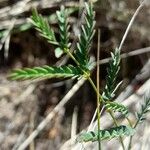
Hoffmannseggia glauca
Pignut · Indian rush-pea · Hog-potato · Waxy Rush-Pea · Indian rushpea
Description
Source: leafsnapHoffmannseggia glauca is a dicot found in the legume family, Fabaceae. Its common names include Indian rushpea, hog potato, and pig nut. It is a California native which prefers alkaline desert flats, creosote bush communities, and disturbed areas. It prefers elevations of less than 900 metres (3,000 ft). Hoffmannseggia glauca is found outside California in Western Nevada, Texas, Mexico and South America. In California H. glauca may be found in the San Joaquin Valley, Southern Coastal Ranges, and Western Transverse Ranges.
Care Guide
💧 Water
Indian rushpea, native to arid environments, is drought-tolerant and conserves water. It requires only weekly watering. This plant thrives in full sunlight and benefits from deep, infrequent watering, which helps develop strong roots. Ensuring proper hydration is crucial for its vigorous growth and vitality, both of which are closely tied to water availability.
How should I water my Indian rushpea?
To properly water the Indian rushpea, it's important to use filtered room temperature water. Tap water can have harmful particles, so filtering it is recommended. The plant is used to warm climates, so cold water can be a bit of a shock. It's best to avoid overhead watering, which can cause foliage issues. Instead, water the soil until it is completely soaked. This helps the plant absorb nutrients by moistening the roots and aiding their spread through the soil.
What do I do if I give my Indian rushpea too much or too little water?
Both overwatering and underwatering can harm the health of your Indian rushpea, but overwatering is more common. Overwatering causes wilting and yellowing of the stems and leaves. It can also lead to diseases like root rot, mold, and mildew, which can be fatal for your plant. Underwatering is less common for the Indian rushpea because it can tolerate some drought. However, it can still happen, causing brittle and brown leaves. It's important to quickly recognize signs of overwatering and take action. Diseases like root rot may become irreversible if not addressed promptly. If you notice early signs of overwatering, reduce watering immediately. Also, check the soil drainage and replace it with well-draining potting mix if needed. On the other hand, if your Indian rushpea lacks water, simply increase the frequency of watering until the signs improve.
How often should I give water to my Indian rushpea plant?
To determine if your Indian rushpea plant needs water, check the soil. For potted plants, stick your finger into the soil and water if the top two to three inches are dry. If your Indian rushpea is grown outdoors, use the same method to test the soil. Water when the top few inches have dried out. Generally, water once a week during spring and early fall, and increase watering to twice or more per week during extremely hot weather. However, mature and well-established Indian rushpea plants are capable of withstanding drought.
How much water does my Indian rushpea plant require?
To properly water your Indian rushpea, you should generously water it when the top few inches of soil are dry. Make sure to completely soak the soil with enough water, causing excess water to drain through the pot's drainage holes. If you don't see excess water draining, it means you haven't given enough water and might harm the plant. Avoid letting water accumulate in the soil, as it can be harmful. If you're watering the plant outside, 1 inch of rain per week is enough. Also, ensure that the soil has good drainage to maintain the plant's health.
How should I water my Indian rushpea as it grows?
The water needs of the Indian rushpea can change depending on its growth stages. When the plant is in its first few years or has been recently transplanted, it requires more water than normal. During these stages, the plant puts a lot of energy into growing new roots, which need additional moisture for optimal performance. As the plant matures, its water needs decrease. Another stage that requires more water is the bloom period, as the flower development requires a significant amount of moisture.
☀️ Light Full sun
Indian rushpea comes from sunny tropical habitats where it does best in direct sunlight. It prefers full sun but can also tolerate partial sun, adjusting well to slightly shaded spots.
What are the sun requirements for Indian rushpea?
Indian rushpea thrives in full sun conditions, requiring more than 6 hours of direct sunlight daily. It can also adapt to partial sun, with about 3-6 hours of sunlight. This plant’s origin in bright, tropical environments means it is well-suited to conditions with ample sunlight. It’s essential to provide the right balance of light and shade for your plants, ensuring their happiness and health.
How can indoor Indian rushpea plants receive adequate lighting?
Indoor Indian rushpea plants require adequate lighting for optimal growth. When natural sunlight is insufficient, especially in winter or less sunny locations, artificial lights provide a crucial solution. LED lights are recommended for their ability to offer specific wavelengths needed by plants. Full sun plants need 30-50W/sq ft, partial sun plants need 20-30W/sq ft, and full shade plants need 10-20W/sq ft of artificial light. The light source should be placed 12-36 inches above the plant to mimic natural sunlight, ensuring plants receive 8-12 hours of light per day.
What are the symptoms of light deficiency in Indian rushpea?
Symptoms of light deficiency in Indian rushpea include smaller new leaves, leggy or sparse growth, faster leaf drop, slower or halted new growth, lighter-colored new leaves, chlorosis, sunscald, leaf curling, wilting, and leaf scorching. These symptoms indicate that the plant is not receiving adequate sunlight, affecting its health and growth. It’s essential to monitor these signs closely and adjust the plant’s lighting conditions as necessary.
How can I address insufficient sunlight for my Indian rushpea?
To address insufficient sunlight for Indian rushpea, indoor plants can be gradually moved to a sunnier location to receive at least 6 hours of direct sunlight, using a south-facing window for maximum exposure. Artificial lighting, such as desk lamps or professional grow lights, can also supplement light intake for at least 8 hours daily. For outdoor plants, gradually moving them to sunnier spots can help them adapt without getting sunburned. Pruning obstructive branches or transplanting to sunnier locations can enhance light exposure for ground-planted specimens. Remember, while parts of the plant previously affected by low light may not recover, new adjustments in light exposure can lead to healthy new growth.
🌡️ Temperature 20–35°C
Indian rushpea flourishes in its natural habitat and needs warm temperatures between 68 and 95°F (20 to 35℃). It adapts to seasonal changes, adjusting as needed to sustain optimal growth.
What are the ideal temperature conditions for Indian rushpea to thrive?
Indian rushpea thrives best in its native environment, which requires warm temperatures ranging from 68 to 95°F (20 to 35°C). It is capable of adjusting to seasonal changes to maintain optimal growth. While Indian rushpea exhibits some degree of cold tolerance, it generally does not need any special care when temperatures are above 0°C. Nevertheless, temporary cold protection measures are necessary if temperatures are expected to drop below 0°C. These measures could include wrapping the plant with plastic film, fabric, or other materials, which should be removed once temperatures rise again.
How does Indian rushpea react to low temperatures, and what are the solutions if it's negatively affected?
Indian rushpea has a moderate tolerance to low temperatures but thrives when the temperature stays above 20°C. During winter, ensuring that the temperature does not fall below 0°C is crucial. If the temperature dips below -5°C, the plant's leaves may droop; they might recover in mild cases but will wilt and eventually fall off in severe cases. Solutions include trimming off frost-damaged parts and, prior to facing low temperatures again, wrapping the plant in non-woven fabric or cloth and creating a wind barrier to protect it from cold winds.
How should Indian rushpea be cared for in high temperatures?
During the summer, it's important to keep Indian rushpea below 35°C. Exposure to temperatures above 38°C can cause the leaves to lighten in color, tips to dry and wither, leaves to curl, and increase susceptibility to sunburn. Care for the plant in high temperatures involves trimming away sunburned and dried-up parts, moving the plant to a shaded area during midday and afternoon sun, or using a shade cloth. Additionally, watering the plant in the morning and evening helps keep the soil moist, benefitting the plant's overall health in high temperatures.
💨 Humidity
🪴 Soil 6-7
🌱 Fertilizer
The best time to fertilize Indian rushpea is in early spring, when the flowers are beginning to form. Using the right fertilizer promotes better blooms and helps Indian rushpea produce attractive flowers. Fertilizing in early spring supports excellent flowering during the season and supplies energy for dormant growth phases.
🪴 Pot & Repot
✂️ Pruning
Indian rushpea has feathery leaves and vibrant yellow flowers. To promote growth and maintain its shape, prune the plant in early to late spring by removing dead stems. Be sure to avoid harsh cuts. This practice enhances air circulation, reduces the risk of disease, and stimulates blooming. For the best results, use sharp, clean tools when pruning.
🌿 Propagating
🐛 Diseases & pets
☠️ Toxicity
Characteristics
- Plant Type
- Herb
- Life Cycle
- Perennial
- Genus
- Hoffmannseggia
- Family
- Fabaceae
- Hardiness Zone
- 9
- Mature Height
- 30 cm
- Mature Spread
- 30 cm to 49 cm
- Leaf Color
- Green, Light Green
- Leaf Type
- Deciduous
- Flower Color
- Yellow
- Flower Size
- 5.08 cm to 15.24 cm
- Bloom Time
- Late spring, Summer
- Planting Time
- Spring, Summer, Autumn
- Harvest Time
- Mid summer, Late summer, Early fall, Mid fall
- Native Area
- Mexico, Bolivia, Peru