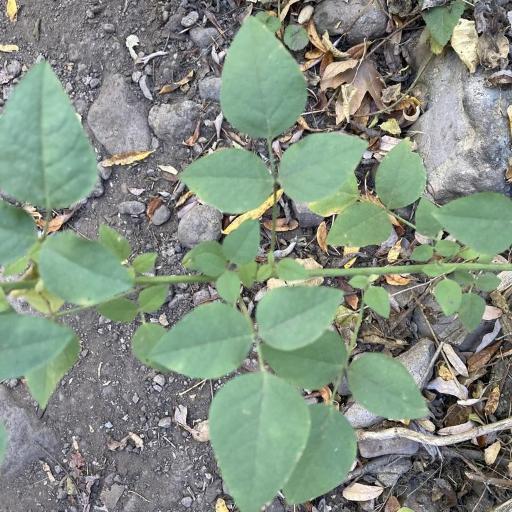
Hoita orbicularis is a small, evergreen shrub belonging to the Ericaceae family. Native to the mountainous regions of Japan, it thrives in rocky areas and along forest edges. This plant features a compact growth habit and can grow up to 1 meter in height.
The leaves of Hoita orbicularis are glossy, dark green, and round with slightly serrated edges. It produces small white or pink flowers that bloom in late spring or early summer.
For optimal growth, Hoita orbicularis prefers well-drained soil with an acidic pH level ranging from 4.5 to 5.5, and it requires partial shade to full sun exposure.
Due to its attractive foliage and flowers, Hoita orbicularis is commonly used as an ornamental shrub. It is an excellent choice for rock gardens or as a border plant in landscaping projects.
In traditional Japanese medicine, Hoita orbicularis has been used for its anti-inflammatory properties and to treat respiratory ailments such as asthma, thanks to its high concentration of flavonoids.
Overall, Hoita orbicularis is a visually appealing evergreen shrub that offers both aesthetic value and potential medicinal benefits, making it a popular choice among gardeners worldwide.
Roundleaf leather-root has strong resistance to disease and is generally not prone to illnesses. However, it can be affected by pests and diseases present in its immediate environment. These problems are usually mild. In terms of care, this plant requires a moderate amount of maintenance. It should be pruned regularly to keep a neat appearance and support healthy growth. Fertilizing can also help encourage flowering. Roundleaf leather-root is suitable for anyone with an outdoor area, such as a garden or patio, and does not require much care experience. It may need more attention when grown indoors.
How to keep Hoita Orbicularis.
Light
Roundleaf leather-root naturally occurs in habitats like forest understories and rocky sites, where it grows in natural shade. It prefers partial sun but can tolerate full sun or full shade, illustrating its versatility and hardiness.
Temperature
Roundleaf leather-root can tolerate a wide span of temperatures, but its range may still be restricted by different combinations of moisture and heat. It does best in warm summer climates with sufficient rainfall or watering. Extended periods of cloudy, rainy weather or prolonged high temperatures increase the chance of Roundleaf leather-root dying. In winter, adequate protection from cold can raise the plant's survival rate.
Fertilizer
Usually a single fertilizer application in spring is sufficient for Roundleaf leather-root, although multiple feedings can maximize growth. Apply fertilizer every month to six weeks. Fertilization improves the leaves' appearance and function, promoting even color and a healthy texture. It also stimulates root growth and nutrient uptake, supporting the plant's long-term health.
Pruning
Pruning roundleaf leather-root in early spring encourages healthy growth. Start by removing any dead or damaged stems at the base. Then, perform light thinning to improve air circulation. Be careful not to prune too heavily, as this could cause stress to the plant. By doing this, you ensure vigorous regrowth while enhancing the plant's overall health and natural form.
Botanical profile.
- Plant Type
- Herb, Vine
- Life Cycle
- Perennial
- Genus
- Hoita
- Family
- Fabaceae
- Hardiness Zone
- 8-10
- Mature Height
- 30 cm to 61 cm
- Mature Spread
- 30 cm to 61 cm
- Leaf Color
- Green, Dark Green
- Leaf Type
- Deciduous
- Flower Size
- 1.02 cm to 1.52 cm
- Bloom Time
- Late spring, Early summer, Mid summer
- Planting Time
- Spring, Summer, Autumn
- Harvest Time
- Mid summer, Late summer, Early fall
- Native Area
- Mexico