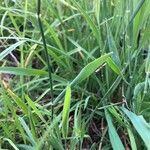
Holcus lanatus
Yorkshire-fog · Meadow Soft Grass · Fog grass · Soft-meadow grass · Woolly soft grass
Description
Source: leafsnapHolcus lanatus, commonly known as Yorkshire fog or velvet grass, is a perennial grass species in the Poaceae family. Native to Europe and Asia, this species has now been introduced and naturalized in many parts of the world. The plant exhibits a tufted growth habit with erect stems that can reach up to 1 meter in height. Its leaves are broad and flat, featuring a velvety texture on both sides, which is why it is commonly referred to as "velvet grass." The inflorescence of Holcus lanatus is a dense panicle that can extend up to 20 cm in length and contains numerous spikelets. Holcus lanatus thrives in moist soils but can also tolerate dry conditions. It grows well in both full sun and partial shade. This versatile plant is commonly found in meadows, pastures, waste areas, roadsides, and disturbed sites. While the plant serves as a food source for livestock such as cattle and sheep, it can also be considered invasive due to its ability to outcompete native vegetation. However, it offers some ecological benefits, such as erosion control, owing to its extensive root system. In traditional medicine, especially in Europe where it originated, Holcus lanatus has been used to treat various ailments, including diarrhea, dysentery, coughs, and colds. Overall, Holcus lanatus remains an important plant both ecologically and medicinally.
🌳 Frequently disregarded and regarded merely as a weed, yorkshire Fog serves an important role in the ecosystem. It is noted for attracting beneficial insects, thereby supporting biodiversity in its native habitats. The plant’s dense, fibrous root system helps prevent soil erosion, making it useful for maintaining soil health. Additionally, yorkshire Fog is used as a forage plant because it is palatable to livestock and can provide reasonable nutritional value when other preferred forages are not available.
Care Guide
💧 Water Every 7 days
Yorkshire Fog, a plant native to temperate regions, prefers consistently moist soil and has a moderate tolerance for drought. To maintain optimal growth and ensure resilience, it benefits from weekly watering that mimics its natural rainfall patterns. Typically grown outdoors, Yorkshire Fog thrives due to its hardiness.
What do I do if I give my Yorkshire Fog plant too much or too little water?
Proper watering is crucial for the health of this beautiful ornamental grass. When planted in the ground, any watering issues can be resolved easily. However, in a container, Yorkshire Fog can quickly die if given too much or too little water. Insufficient watering can cause the grass to stop growing, resulting in drooping leaves, weak seed head production, and browning. On the other hand, overwatering leads to yellow leaves with brown tips. If you suspect improper watering, first determine whether the problem is too much or too little water. If it's excessive, immediately stop watering and allow time for heavy soils to dry out. Once you see new growth, test the soil for moisture and decide if more water is needed. In the case of insufficient water, simply give the grass a deep drink and observe if it improves. It's important to note that long, deep watering is better than frequent shallow watering as it encourages the growth of deep roots, making the grass more drought resistant and less prone to watering-related issues.
How often should I give water to my Yorkshire Fog?
The watering requirements for Yorkshire Fog differ based on the location. In general, watering once a week is sufficient. In hotter climates, watering once or twice a week in the summer might be necessary. In moderate climates, watering once every seven days or even less might be enough. When it comes to grass in containers, they typically require more frequent watering compared to grass planted in the ground. However, the watering needs also depend on whether the grass is in full sun or part shade. Grass in shaded areas requires less frequent watering compared to those in the ground. Only water Yorkshire Fog when the soil is dry. Some signs to look for include checking if the soil is dry by pressing your finger into it or weighing the potted grass to see if it feels light. Insufficient water can be indicated by folded blades and thinner appearance. Despite its drought tolerance, regular and deep watering will result in a beautiful color. In its natural habitat of open scrubland, Yorkshire Fog is exposed to extreme heat, intense sunlight, and sporadic rain. While this grass is drought-resistant, it still requires care and attention. Even though it can withstand dry conditions, consistent watering is recommended for optimal growth. When newly planted, Yorkshire Fog needs more frequent watering until its roots are established. Potted Yorkshire Fog dries out quickly, especially when exposed to hot, direct sun for most of the day. Testing the soil every 3 to 4 days and watering when it feels dry is necessary. Yorkshire Fog in the ground generally requires less watering, but it depends on the soil type. Clay soil holds water longer and may feel dry at the surface while still retaining moisture below. Sandy soils that drain quickly need more frequent watering.
What things should I be cautious about when watering my Yorkshire Fog grass in different seasons, climates, or during different stages of growth?
To determine if you are watering enough, you can look at the rate of growth of your grass. In particular, Yorkshire Fog tends to double in size during the hottest months of the year. So, if the weather is hot but the grass isn't growing vigorously, you may need to adjust your watering schedule. In winter, you can likely get by with watering just once a month, but it's still important to check the soil for moisture. During the growth cycle in the warmest months, the grass will need more water than usual. However, in winter and cooler months, the need for water will be significantly reduced. One crucial thing to note about Yorkshire Fog is that the soil it is planted in should always dry out completely before watering again.
☀️ Light Full sun
The Yorkshire Fog does best when exposed to direct sunlight. It can also tolerate conditions where the sky's radiant energy is somewhat reduced. Its origin in open meadows reflects a natural preference for plenty of light. Be cautious, because insufficient sun can hinder growth, while too much exposure can cause wilting.
What are the sunlight requirements for Yorkshire Fog?
Yorkshire Fog requires full sun, meaning it thrives in areas that receive more than 6 hours of direct sunlight daily, but it can also grow in partial sun, defined as about 3-6 hours of sunlight. Ensuring the right balance of light is essential for the plant's health, as insufficient or excessive sunlight can affect its growth and appearance. Watch how sunlight moves through your garden to choose the best spots that provide the perfect balance for your plants.
How essential is sunlight for Yorkshire Fog's growth?
Sunlight is crucial for the growth of Yorkshire Fog, which naturally thrives in open meadows and requires open exposure to sunrays for optimal health. This exposure helps the plant maintain its natural growth patterns and health, mirroring its origins. Inadequate sunlight may hinder its growth, while too much direct sun can lead to wilting. When natural sunlight is insufficient, especially in less sunny spaces or during winter, artificial lighting can be a beneficial alternative, promoting healthier and faster growth.
What artificial lighting requirements do indoor Yorkshire Fog plants have?
Indoor Yorkshire Fog plants require adequate lighting to grow well, particularly when natural sunlight is limited. LED lights are often recommended due to their efficiency and ability to provide specific wavelengths needed by plants. Full sun plants need about 30-50W/sq ft of artificial light, partial sun plants require 20-30W/sq ft, and full shade plants need 10-20W/sq ft. The light source should be placed 12-36 inches above the plant, and the duration of exposure should mimic natural daylight hours, typically 8-12 hours per day.
What are the common symptoms of inadequate lighting in Yorkshire Fog?
Common symptoms of inadequate lighting in Yorkshire Fog include smaller new leaves, leggy or sparse growth, faster leaf drop, slower or stopped new growth, lighter-colored new leaves, chlorosis, sunscald, leaf curling, wilting, and leaf scorching. These symptoms indicate that the plant is not receiving the optimal amount of sunlight for its needs, affecting its growth, health, and appearance.
How can I address Yorkshire Fog's lighting needs both indoors and outdoors?
To address Yorkshire Fog's lighting needs, gradually increase sunlight exposure by moving the plant to sunnier locations each week, aiming for at least 6 hours of direct sunlight daily. For indoor plants, you can use a south-facing window or artificial light sources such as desk lamps or professional grow lights for at least 8 hours a day. For outdoor plants, ensure a gradual adjustment to avoid sunburn. If your plant has been in shaded areas, new growth should appear healthy after increasing light exposure. To improve sunlight access, consider reducing obstructions like pruning trees or transplanting to a sunnier location with good drainage.
🌡️ Temperature 0–37.8°C
The yorkshire Fog is a grass species found in cool temperate areas where winter temperatures range from -28 to 38 ℉ (-33 to 3 ℃) and summer temperatures from 41 to 77 ℉ (5 to 25 ℃). It favors cool conditions and can endure brief cold snaps and light frosts. In the summer it prefers temperatures between 60 and 70 ℉ (15 and 21 ℃).
What are the optimal temperature conditions for Yorkshire Fog?
Yorkshire Fog is a grass species native to cool temperate regions, thriving in temperatures ranging from -28°F to 38°F (-33°C to 3°C) in the winter and 41°F to 77°F (5°C to 25°C) in the summer. It can tolerate brief cold snaps and light frosts, preferring cool temperatures overall. During the summer months, optimal conditions are between 60°F to 70°F (15°C to 21°C). The grass has strong cold resistance, thus special frost protection measures are not typically required, except in exceedingly cold winters where temperatures are expected to drop below -35°C, requiring cold protection such as covering the plant with soil or straw. To prevent drought and water scarcity during winter and early spring, it's recommended to water the plant abundantly before the first freeze in autumn to ensure the soil remains moist.
How does Yorkshire Fog react to extreme weather conditions and temperatures?
Yorkshire Fog demonstrates admirable cold tolerance, thriving best when temperatures remain above 0°C and sustaining in conditions above -30°C. However, if temperatures fall below -35°C, there might not be noticeable impact during winter, but a decreased sprouting rate or no sprouting might occur in the spring. The suggested solution for this is to remove any parts that have failed to sprout in the spring. Conversely, during high temperatures, especially above 38°C, and particularly if exceeding 43°C, the plant may show signs of distress such as lighter leaf color, curling leaves, susceptibility to sunburn, and in severe cases, wilting and drying. The advice is to trim the sunburned and dried up parts, move the plant to a shaded location, or use a shade cloth to protect it from the midday and afternoon sun. Additionally, watering the plant in the morning and evening is recommended to keep the soil moist and assist in cooling.
What botanical name does Yorkshire Fog carry?
Yorkshire Fog is botanically known as Holcus lanatus.
💨 Humidity
🪴 Soil 5-7
🌱 Fertilizer
Yorkshire Fog needs extra nutrients to promote healthy new growth. In spring, applying compost around the plant’s base will effectively supply the nutrition it requires. Fertilizing supports vigorous growth and helps the plant resist diseases and pests.
🪴 Pot & Repot
✂️ Pruning
🌿 Propagating
🐛 Diseases & pets
☠️ Toxicity
Though Holcus lanatus is usually not harmful to humans, some people may have an airborne allergy to its pollen. Symptoms of a pollen allergy are usually mild. They include sneezing, itchy and runny nose, itchy and watery eyes, coughing, difficulty breathing, shortness of breath, chest tightness, wheezing, congestion, and tiredness or fatigue.
Characteristics
- Plant Type
- Grass
- Life Cycle
- Perennial
- Genus
- Holcus
- Family
- Poaceae
- Hardiness Zone
- 3-11
- Mature Height
- 30 cm to 76 cm
- Mature Spread
- 8 cm to 15 cm
- Leaf Color
- Green, Blue
- Leaf Type
- Deciduous
- Flower Color
- White, Yellow, Pink, Purple
- Flower Size
- 2.03 cm to 3.05 cm
- Bloom Time
- Late spring, Early summer, Mid summer
- Planting Time
- Spring, Autumn
- Harvest Time
- Early summer, Mid summer
- Native Area
- Turkey, Austria, Slovakia, Slovenia, Morocco, Croatia, Belarus, Russia, Germany, Estonia, Romania, Latvia, Belgium, Portugal, Netherlands, France, Tunisia, Czech Republic, Bulgaria, Poland, Greece, Ukraine, Lebanon, Serbia, Lithuania, Norway, Italy, Spain, Switzerland, Bosnia and Herzegovina, Albania, Ireland, United Kingdom, Hungary, Algeria, Azerbaijan