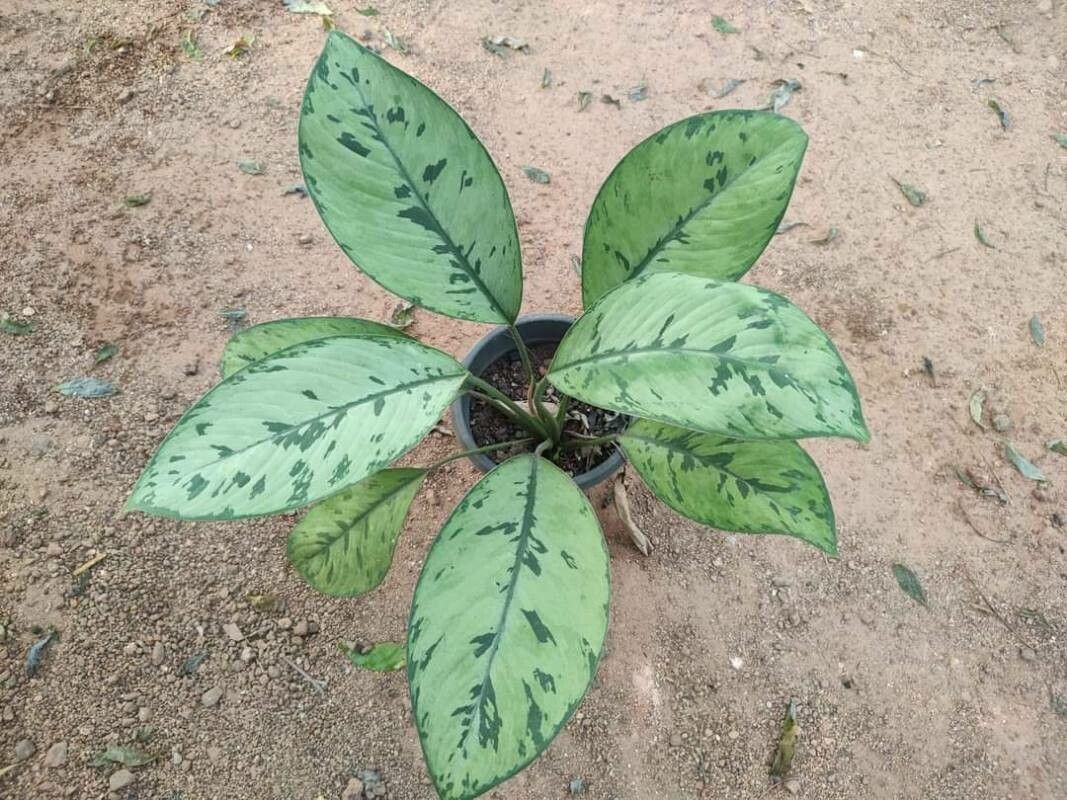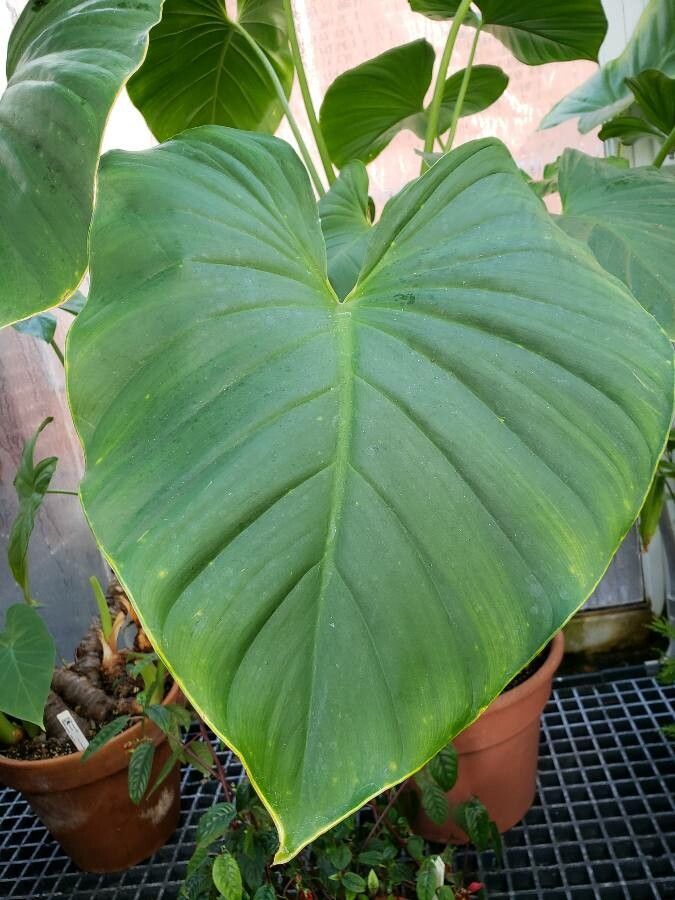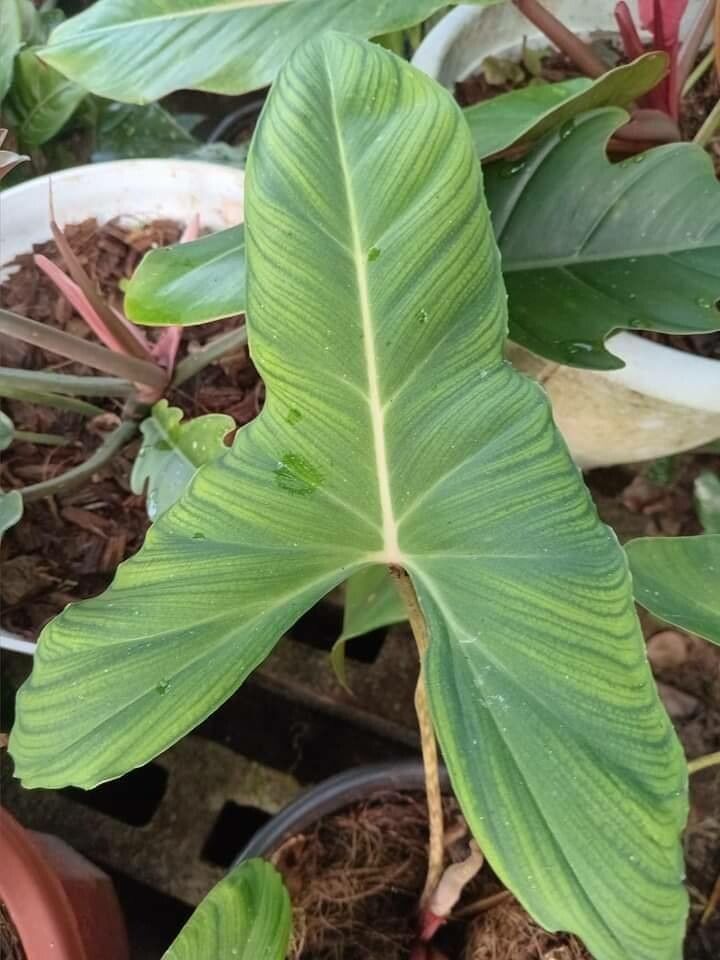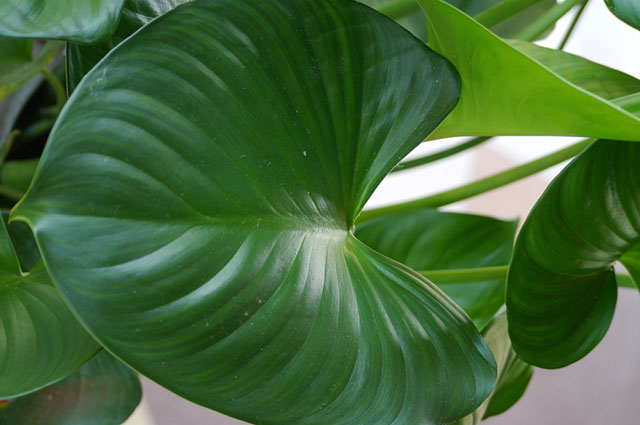
Homalomena (Homalomena philippinensis), also known as the Queen of Hearts, or the Shield Plant, is a genus of evergreen, perennial tropical plants notable for their big, waxy, glossy leaves and simplicity of maintenance. The slow-growing, aniseed-scented leaves are heart-shaped or arrowhead-shaped. If you want flashy blooms, Homalonema is not for you. Their small, green blooms lack petals and aren't particularly attractive. They are certainly overshadowed by the dense greenery. The leaf is normally deep green, although it can be variegated and will occasionally have crimson tones on the underside and down the stem.
How to keep Homalomena Philippinensis.
Water
It is critical that your Homalomena obtains adequate moisture. If you overwater them, plants will develop root rot and yellow leaves. If the leaves are kept dry for too long, they will fade. The secret is to let the top inch or two of soil dry before re-watering. When you do, make sure it flows out of the drainage holes on the bottom of the pot. To avoid the roots sitting in standing water, any extra water in the saucer or tray should be removed. More moisture will be required throughout the plant's growth cycle in the spring and summer. Keeping the water temperature mild rather than chilly might also benefit your Homalomena's health.
Temperature
Unsurprisingly, given their tropical origins, Homalomena like warmth and humidity. If they are exposed to cold temperatures or draughts for an extended period of time, their leaves will turn yellow and die. If the temperature in your home is consistently below 50 degrees Fahrenheit (10 degrees Celsius), this is not the houseplant for you. They flourish at temperatures of over 70 degrees Fahrenheit (21 degrees Celsius). If you live in a dry climate, your plants' leaves will welcome regular spritzing, and you may also use a pebble tray. This can assist in avoiding brown tips and maintaining humidity levels.
Fertilizer
During the summer, your Homalomena will benefit from being fed a slow-release organic fertilizer a couple of times each month. Because there is no active development during the winter months, there is no need for additional feeding.
Pruning
Indoor homalomena merely requires hygienic pruning. This necessitates the early removal of damaged, dry, and diseased leaf plates. Use a very sharp pruner or knife to cut the foliage. Slices should be dusted with powdered activated or carbon charcoal.
Botanical profile.
- Plant Type
- Perennial tropical plant
- Genus
- Homalomena
- Family
- Araceae
- Hardiness Zone
- 9-12
- Bloom Time
- Mid Summer