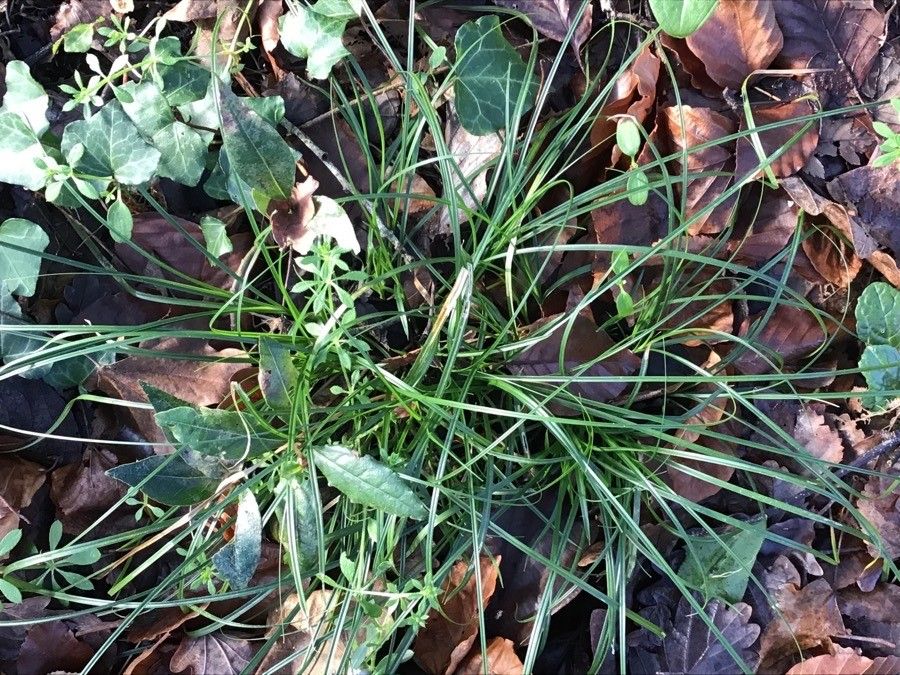
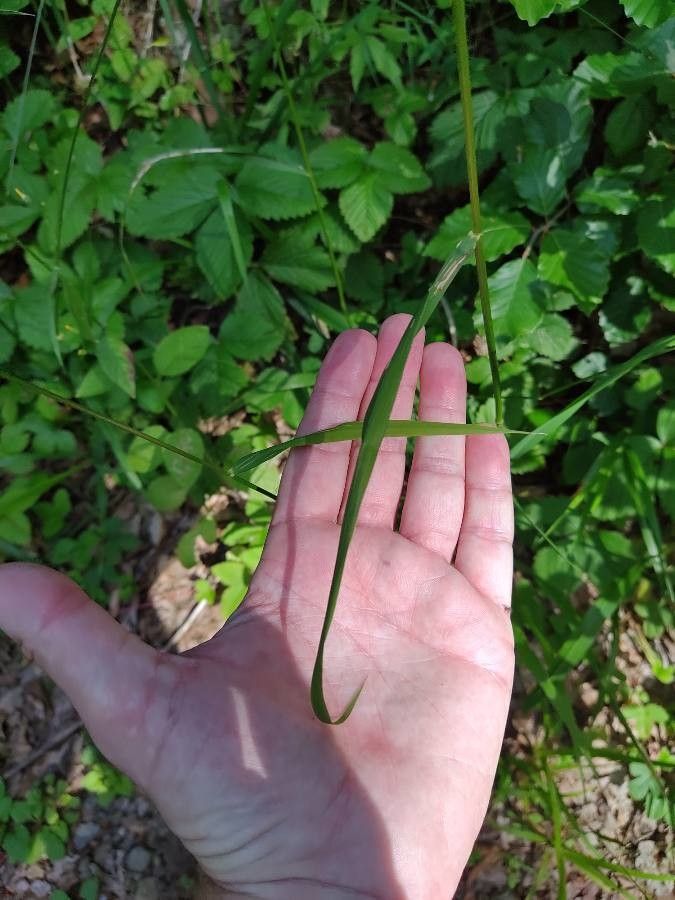
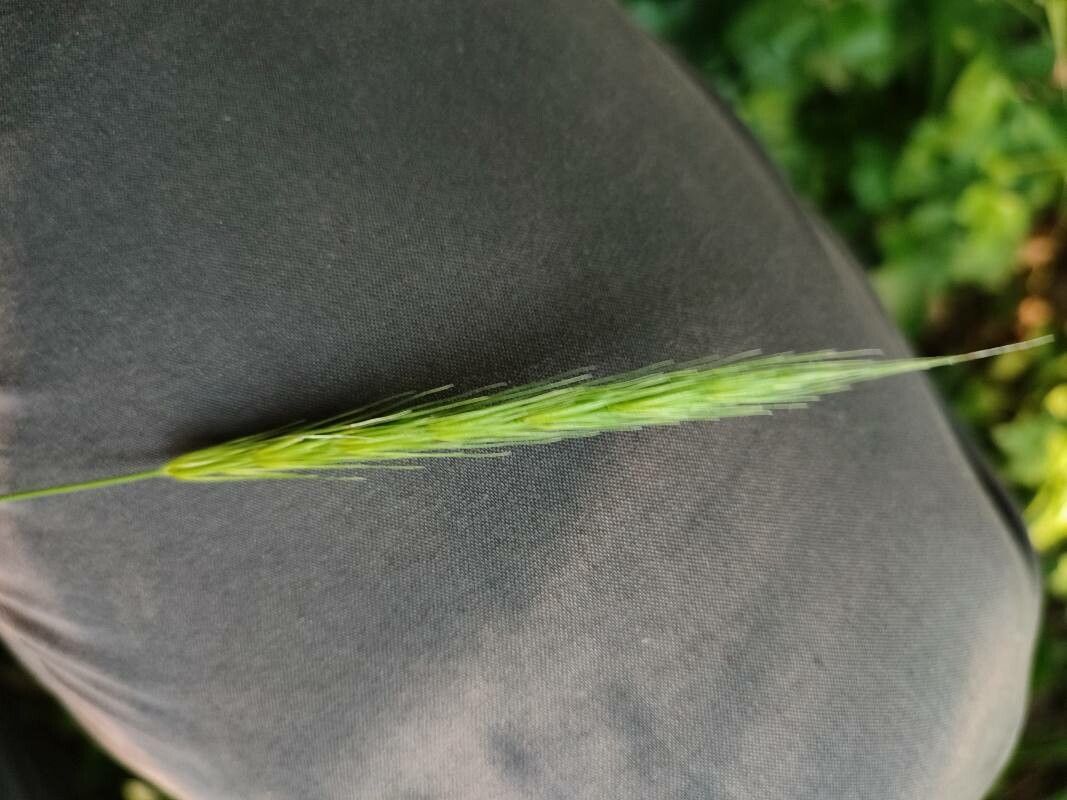
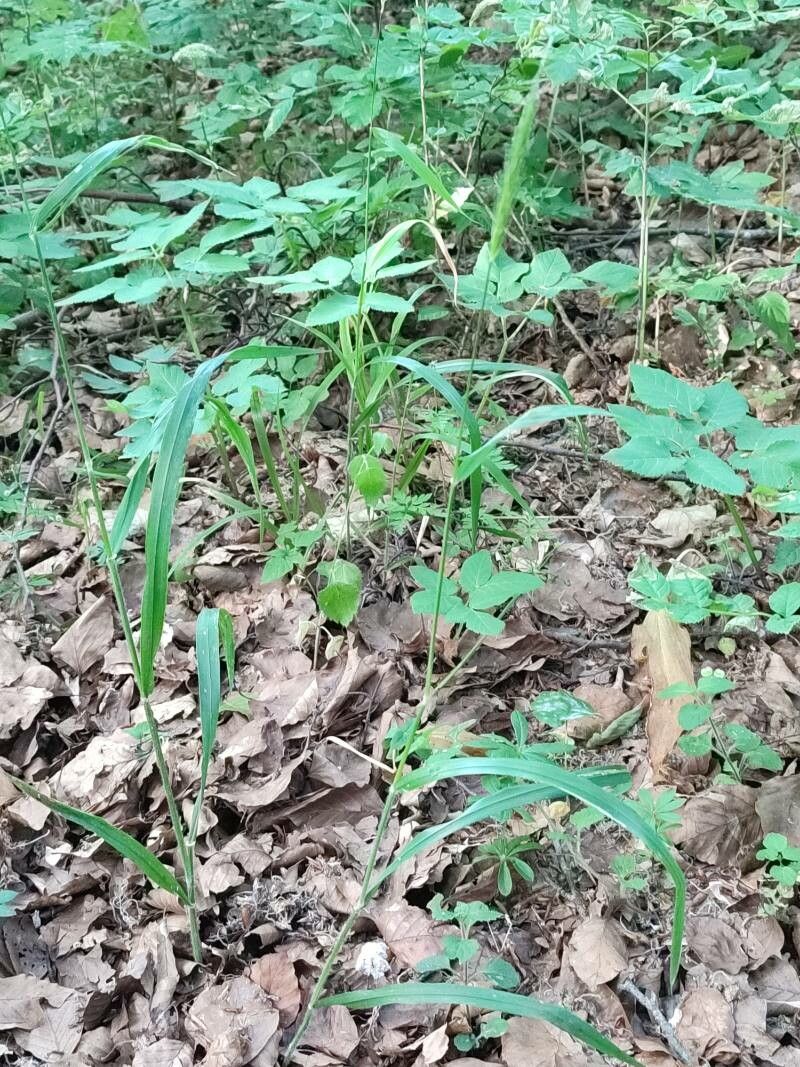
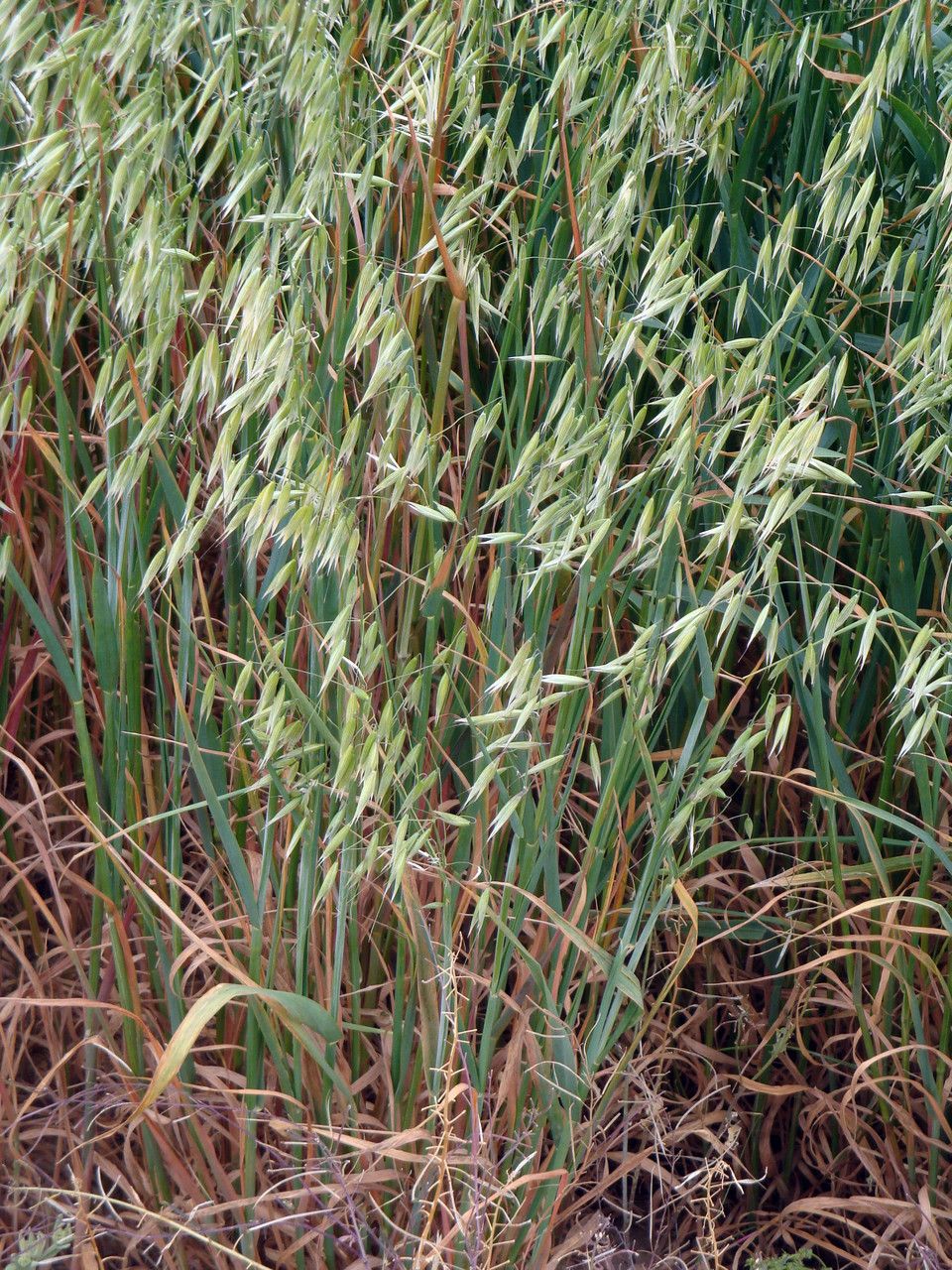
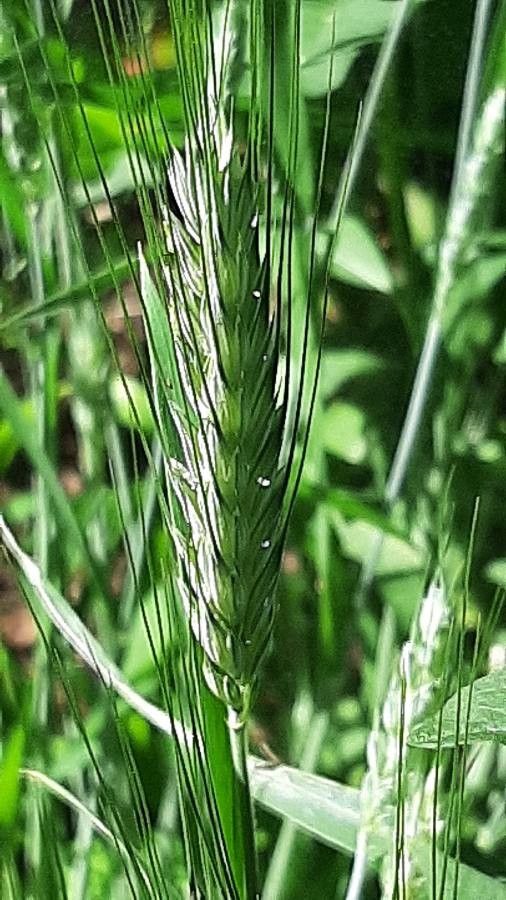
Hordelymus is a genus of European, north African, and southwest Asian plants in the grass family.
The only known species is Hordelymus europaeus, native to Europe (from Sweden + Ireland to Spain, Italy, and Russia) as well as North Africa (Algeria + Morocco) and southwestern Asia (Turkey + Caucasus). Wood-barley is a common name for H. europaeus. formerly included see Taeniatherum
Hordelymus asper - Taeniatherum caput-medusae Hordelymus caput-medusae - Taeniatherum caput-medusae
Wood barley has strong resistance to disease and is typically not susceptible to illnesses. Regarding care, this plant is fairly low-maintenance. When planted outdoors it needs minimal watering, and larger specimens generally do not require pruning. Smaller plants, however, should be pruned after they have finished blooming. Wood barleyt is appropriate for anyone with an outdoor area, such as a garden or deck, and does not require much prior gardening experience.
How to keep Hordelymus Europaeus.
Light
Wood barley naturally occurs in settings like forest understories and rocky sites, where it grows in natural shade. It prefers partial sun but can tolerate both full sun and full shade, which shows its adaptability and hardiness.
Water
Wood barley is native to European woodlands and thrives in consistently moist and humid climates, although it has a moderate tolerance for drought. To ensure healthy growth, it needs to be watered weekly. When planted outdoors in temperate regions, its growth cycle aligns with the natural patterns of seasonal rainfall, which influences how much additional watering it needs.
Temperature
Wood barley can adjust to a wide range of temperature conditions, but its distribution may still be restricted by various combinations of water and heat. It performs best in warm summer climates with sufficient rainfall or watering. Extended periods of cloudy, rainy weather or sustained high temperatures can increase the chance of Wood barley dying. In winter, adequate protection from cold can enhance the plant's survival.
Fertilizer
Wood barley needs extra nutrients to encourage healthy new growth. In spring, putting compost around the plant’s base can effectively supply the nutrients it requires. Fertilizing supports vigorous growth and helps the plant resist diseases and pests.
Pruning
Wood barley benefits from selective thinning, which improves air circulation. Pruning should be done in early spring to remove damaged foliage and encourage new growth. To prevent overcrowding and promote plant health, vigor, and disease resistance, cut older stems at the base while keeping the younger shoots intact.
Botanical profile.
- Plant Type
- Grass
- Life Cycle
- Perennial
- Genus
- Hordelymus
- Family
- Poaceae
- Hardiness Zone
- 4-8
- Mature Height
- 76 cm
- Mature Spread
- 30 cm to 49 cm
- Leaf Color
- Green, Dark Green
- Leaf Type
- Deciduous
- Flower Color
- Yellow, Green, Brown
- Flower Size
- 5.08 cm to 10.16 cm
- Bloom Time
- Early summer, Mid summer
- Planting Time
- Spring, Summer, Autumn
- Harvest Time
- Late summer, Early fall
- Native Area
- Turkey, Sweden, Austria, Slovakia, Montenegro, Croatia, Slovenia, Morocco, Belarus, Russia, Germany, Romania, Latvia, Belgium, France, Czech Republic, Bulgaria, Armenia, Poland, Greece, Ukraine, Serbia, Lithuania, Italy, Spain, Switzerland, Denmark, Ireland, United Kingdom, Hungary, Algeria, Azerbaijan
Other names.
Reader questions.
What are the sunlight requirements for Wood Barley (Hordelymus europaeus)?
Wood Barley thrives in environments simulating its native habitats such as forest understories or rocky areas, which are naturally shaded. The ideal sunlight condition for Wood Barley is partial sun, where it receives about 3-6 hours of sunlight daily. However, this plant can also tolerate full shade conditions, making it a versatile choice for various garden locations. It's important to observe the movement of sunlight through your garden to find spots that provide a balance of light and shade suitable for Wood Barley, ensuring the plant's wellbeing.
How can artificial lighting be used for Wood Barley's growth indoors?
When natural sunlight is not sufficient, especially during winter or in less sunny spaces, artificial lighting can play a crucial role in the optimal growth of Wood Barley. For successful indoor cultivation, it's recommended to use LED lights, which can be tailored to provide specific wavelengths of light needed by the plants. The intensity required varies with the type of plant: full sun plants need 30-50W per square foot, partial sun plants require 20-30W per square foot, and full shade plants should get 10-20W per square foot. The light source should be positioned 12-36 inches above the plant to mimic natural sunlight conditions and should be left on for about 8-12 hours daily to simulate the length of natural daylight hours.
What are common symptoms of incorrect light exposure in Wood Barley?
Wood Barley exhibits several symptoms when it doesn't receive the appropriate amount of sunlight, including smaller new leaves, leggy or sparse growth, faster leaf drop, slower or no new growth, and lighter-colored new leaves. Too much sunlight can cause chlorosis (leaves turning yellow), sunscald (damage from intense sunlight exposure), leaf curling (a defense mechanism against excessive sunlight), wilting (due to loss of turgor pressure), and leaf scorching (brown, dry, and crispy edges on leaves due to excessive sunlight). These symptoms indicate the need to adjust the plant's light exposure for better health.
What solutions can be applied to correct light exposure for Wood Barley?
To optimize Wood Barley's growth regarding light exposure, indoors, if the plant is too large or not easily movable, consider using artificial light. Keeping a lamp on for at least 8 hours daily or investing in professional plant grow lights can provide the necessary illumination. Outdoors, gradually moving the plants to sunnier spots each week can help them adapt without causing sunburn. Reducing obstruction such as pruning trees to allow more sunlight or transplanting smaller plants during their dormant period to a sunnier location can significantly benefit the plant's health. Note that parts of the plant affected by insufficient sunlight might not recover, but new growth will be healthier following these adjustments.