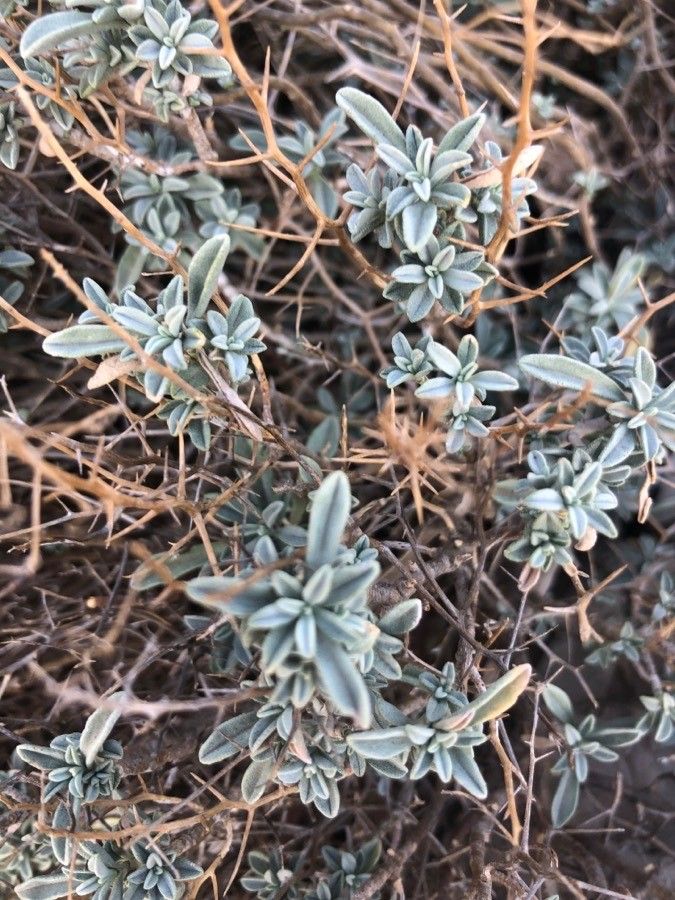
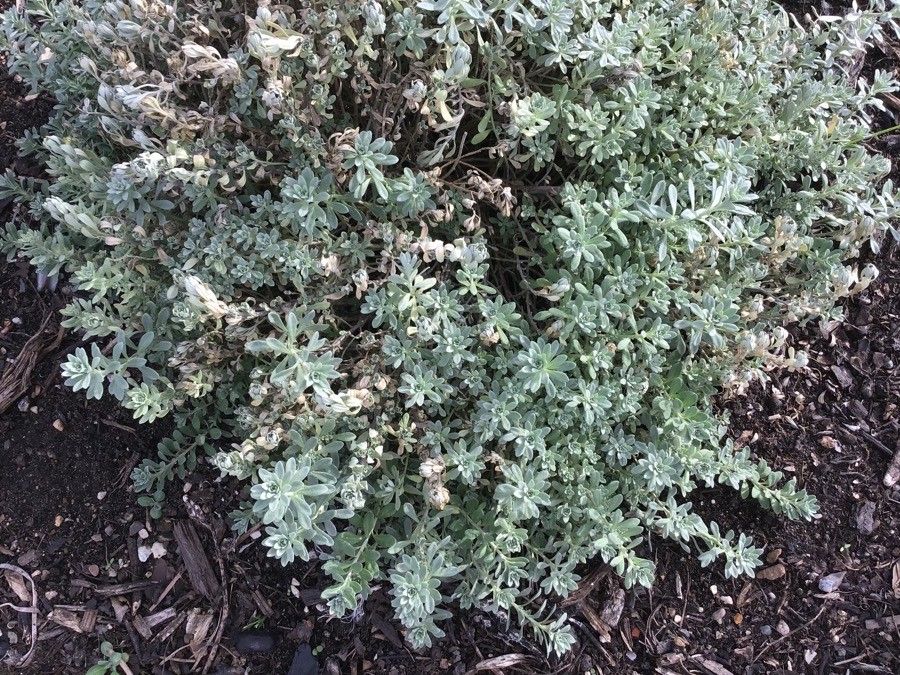
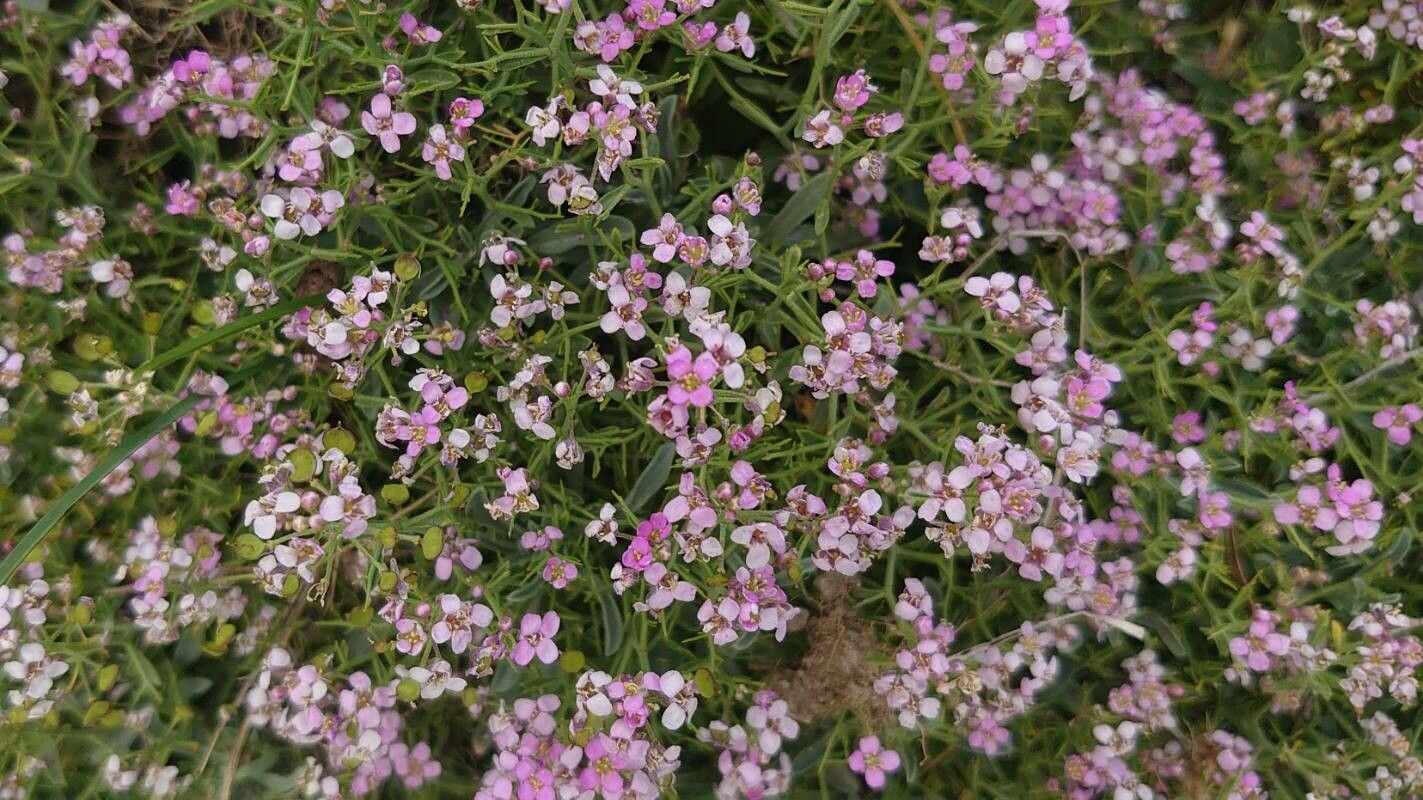
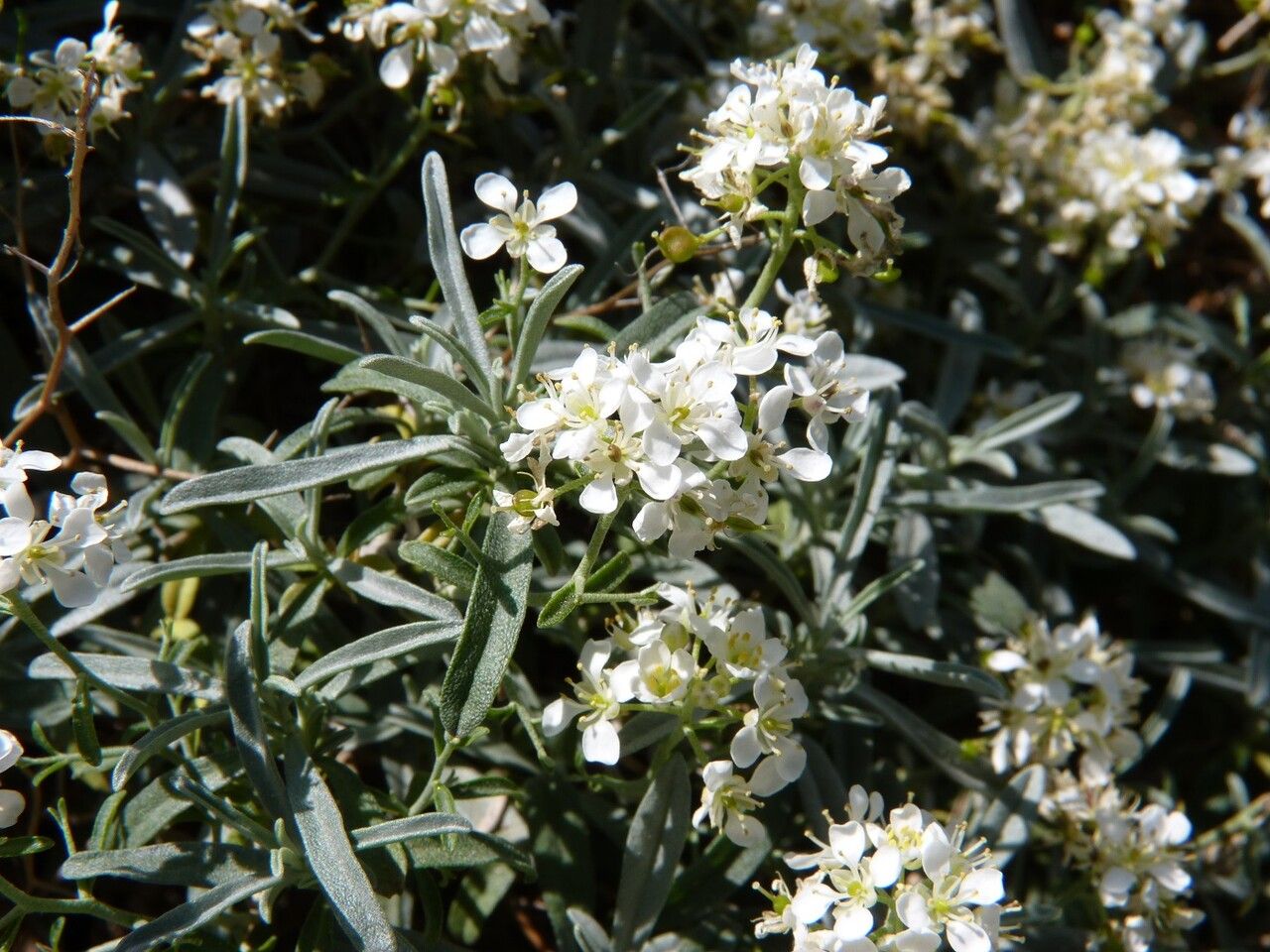
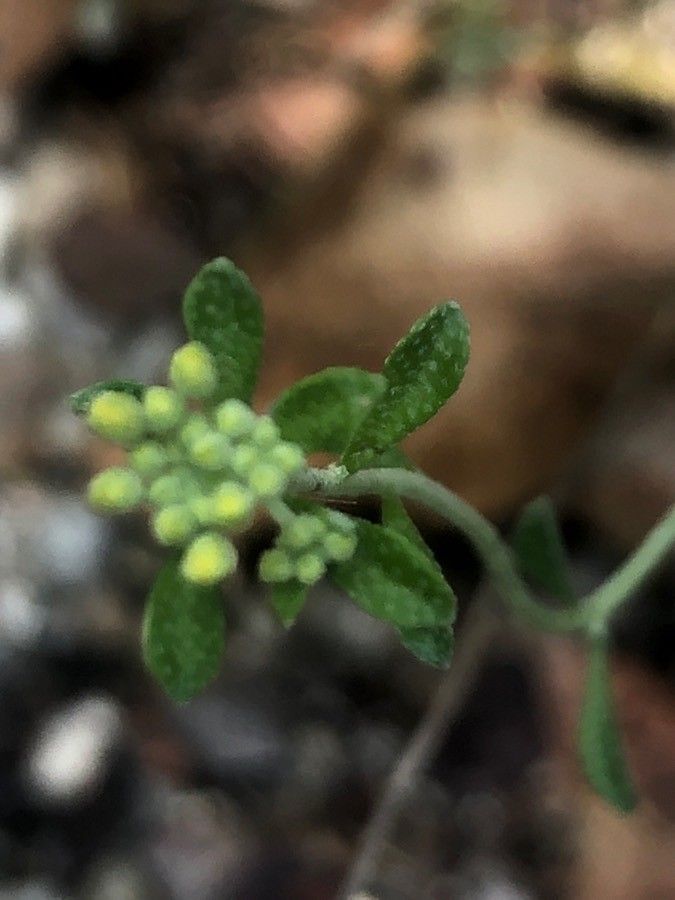
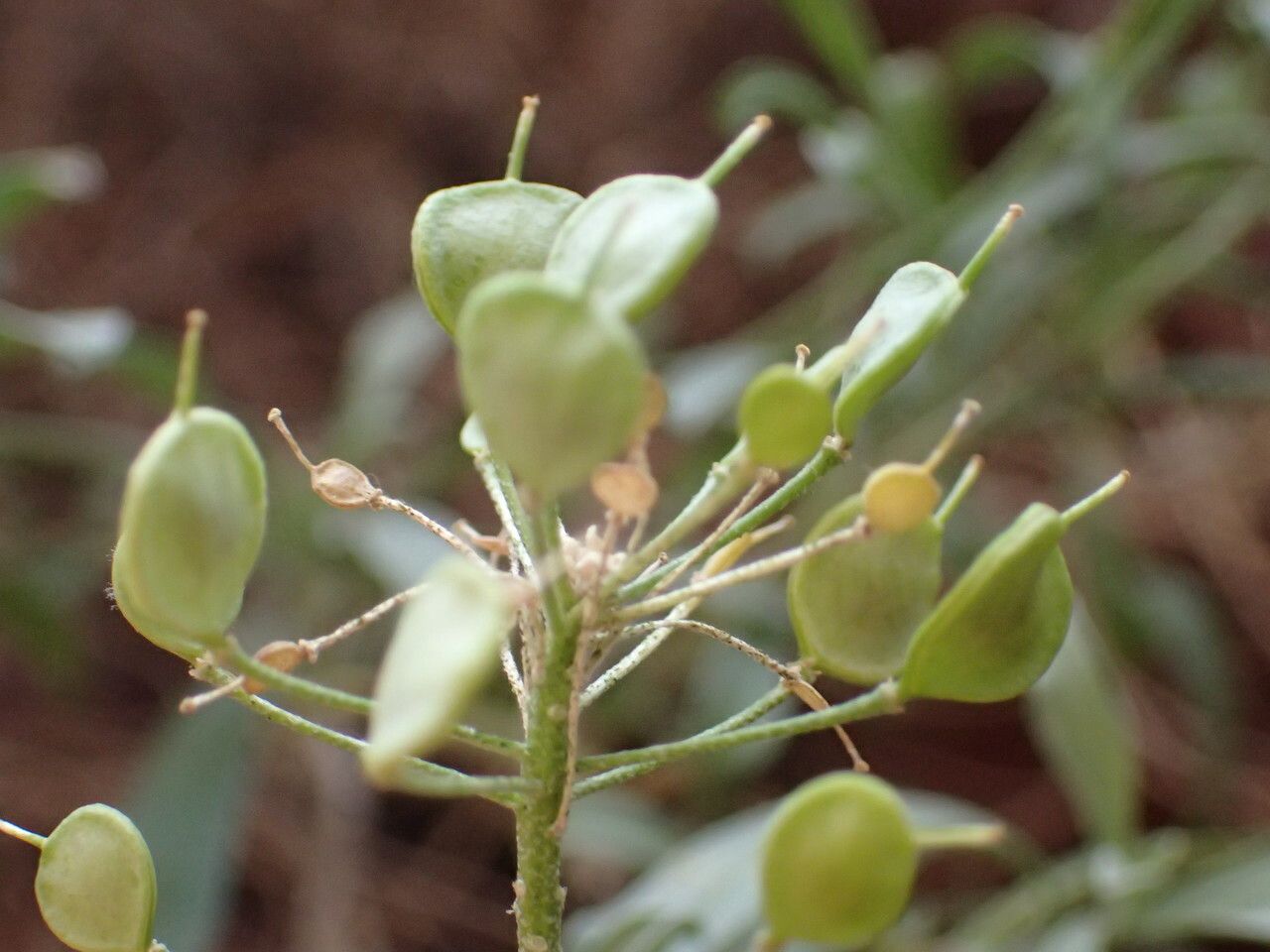
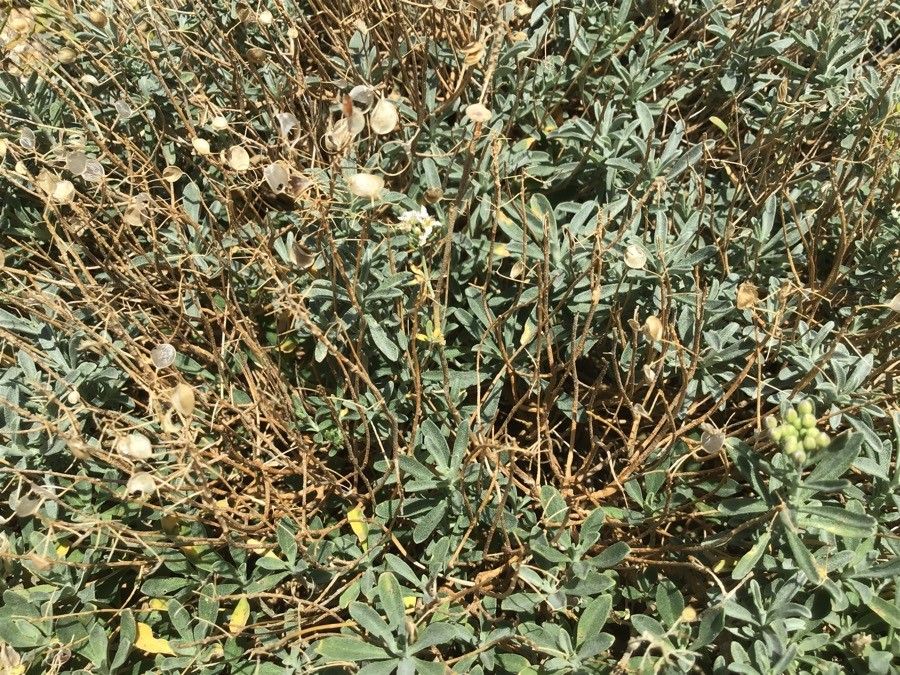
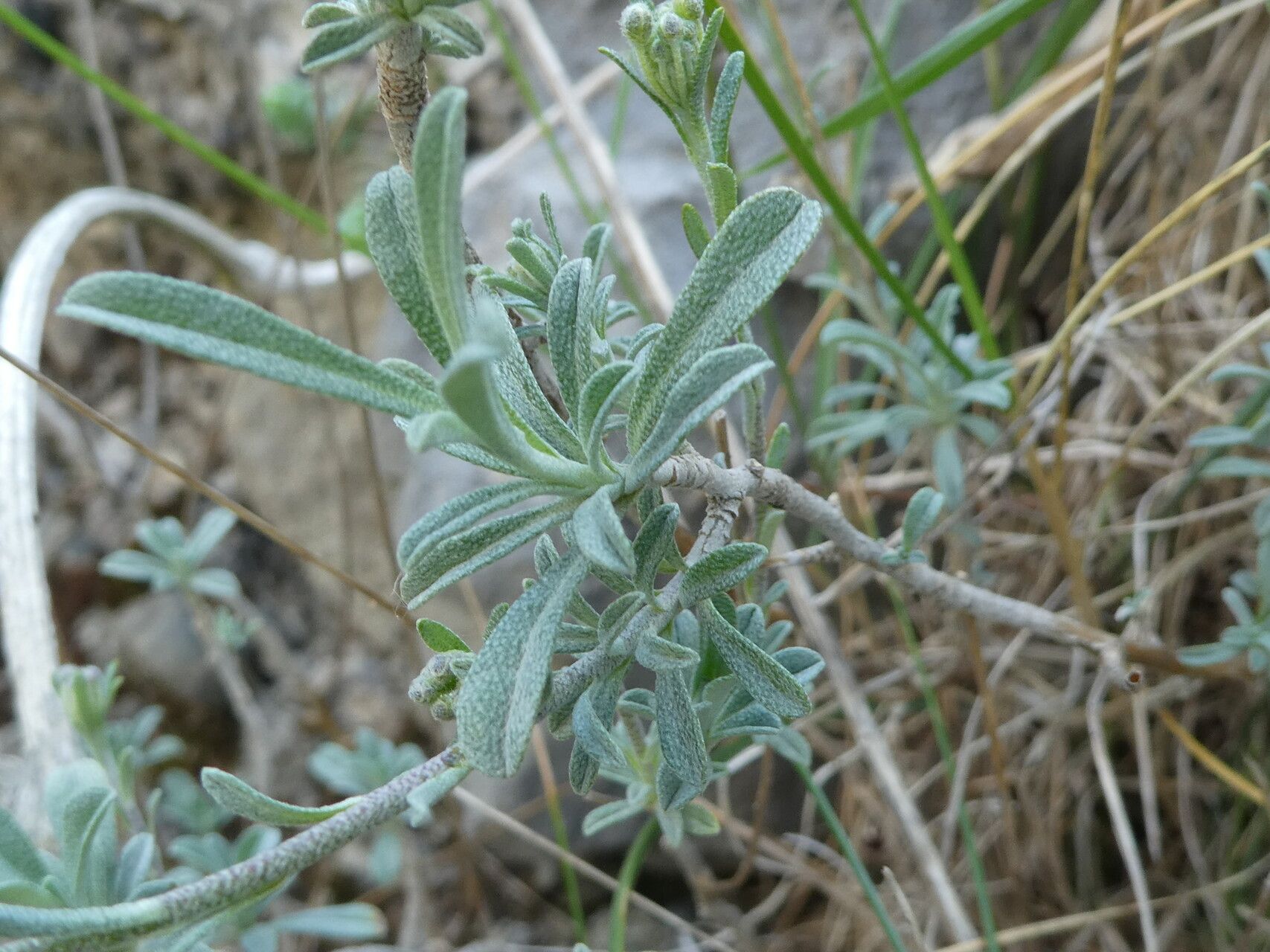
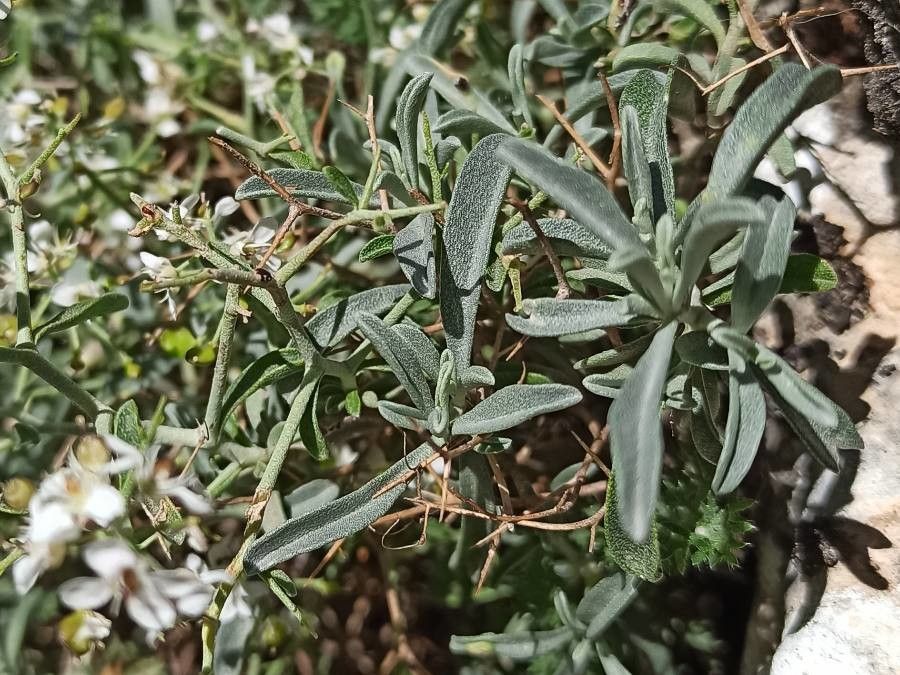
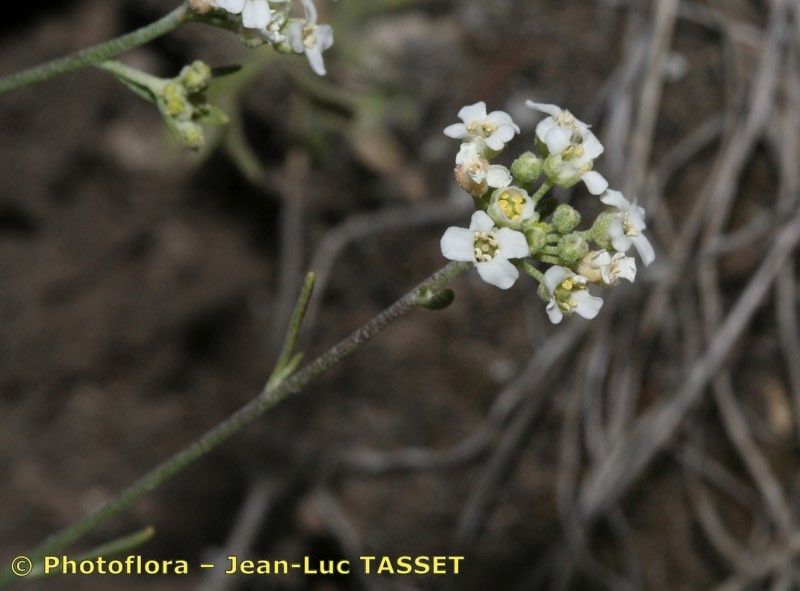
Hormathophylla spinosa, formerly Alyssum spinosum, the spiny madwort, is a species of flowering subshrub in the genus Hormathophylla of the family Brassicaceae, native to open rocky sites in south-eastern France and southern Spain. It forms a compact mound up to 30 cm in height. Dense spiny branches of tiny, toothed grey-green leaves bear racemes of white flowers at the tips in early summer.It is especially cultivated in rock gardens. The cultivar H spinosa 'Roseum', with pink flowers, has gained the Royal Horticultural Society's Award of Garden Merit.
Spring madwort is resistant to disease and is generally not susceptible to illnesses. Regarding care, the plant is fairly low-maintenance. When grown outdoors it needs only light watering, and larger plants typically do not require pruning; smaller ones should be trimmed after flowering. Spring madwort is suitable for anyone with outdoor space, such as a garden or deck, and does not demand much care experience.
How to keep Hormathophylla Spinosa.
Light
Spring madwort does best in areas with abundant, direct sunlight, though it can tolerate less brightly lit locations. Excessive sun exposure can cause slight leaf bleaching, while insufficient light leads to stunted growth. Because it comes from sunlit habitats, spring madwort's growth stage is not greatly affected by variations in light levels.
Water
Spring madwort thrives in semi-arid climates due to its exceptional drought tolerance. Reflecting its natural dry habitat, it only needs watering every 2-3 weeks. This outdoor plant develops deep root systems, allowing it to efficiently absorb water during periods of low moisture.
Temperature
Spring madwort shows strong adaptability to a variety of climate conditions, from blazing summers to cold winters. Nevertheless, it has an optimal temperature range for growth. If temperatures become excessively high, the plant is susceptible to stress from heat and humidity, which can cause its death. In areas where temperatures approach the lower limit of its cold tolerance, it is important to implement insulation measures to protect the plant.
Fertilizer
Timing is important for fertilizing Spring madwort. Apply fertilizer in early spring and continue doing so monthly until early summer. Fertilizer promotes attractive blooms and supplies energy during both dormant and actively growing periods.
Pruning
Spring madwort flourishes in rocky soils and is characterized by its spiny foliage. To promote regrowth and blooming, it's best to prune the plant in early spring during its dormant period. When pruning, prioritize the removal of dead branches to improve airflow. Avoid making heavy cuts, as moderate pruning is sufficient to maintain the plant's size and structure without causing undue stress.
Botanical profile.
- Plant Type
- Shrub
- Life Cycle
- Perennial
- Genus
- Hormathophylla
- Family
- Brassicaceae
- Hardiness Zone
- 6
- Mature Height
- 15 cm
- Mature Spread
- 30 cm
- Leaf Color
- Gray, Silver
- Leaf Type
- Evergreen
- Flower Color
- White
- Flower Size
- 2.54 cm
- Bloom Time
- Mid spring, Late spring, Early summer
- Planting Time
- Spring, Summer
- Harvest Time
- Summer
- Native Area
- Morocco, Spain, Algeria, France
Reader questions.
How should I water my Spring madwort to keep it healthy?
When watering your Spring madwort, you have a lot of flexibility in terms of the watering tool you use. Whether you have a watering can, hose, or even a cup, all of them will work just fine. It's important to water the plant by applying the water directly to the soil. Make sure to moisten all areas equally, as this ensures that the entire root system receives the water it needs. Using filtered water is recommended, as tap water may contain harmful particles for plants. Additionally, it's best to use water that is at or slightly above room temperature, as extremely cold or hot water can be a bit shocking to the Spring madwort. However, overall, the Spring madwort is quite resilient and can handle different types of water.
What are the sunlight requirements for Spring madwort?
Spring madwort requires full sun exposure, defined as more than 6 hours of sunlight daily, to thrive optimally, although it can also manage with partial sun, about 3-6 hours of sunlight. It's important to monitor the movement of sunlight through your garden to find the best spots for planting, ensuring they receive the appropriate balance of light and shade. This balance is crucial for the plant's happiness and growth. In environments with less sunlight, Spring madwort can experience slight leaf bleaching from excessive solar exposure while limited sunlight can result in stunted growth.
What is the botanical name of Spring madwort?
The botanical name of Spring madwort is Hormathophylla spinosa. This particular species is recognized by its unique scientific nomenclature, distinguishing it from other plants.
What should I do if I give my Spring madwort plant too much or too little water?
Newly planted outdoor plants, especially seedlings, are at risk of not getting enough water. It's important to remember that you need to consistently water them for a few months until they establish their roots. Once the roots are established, these plants can rely on rain for hydration. When you have Spring madwort planted in pots, be careful not to overwater them. If you accidentally overwater your Spring madwort, there are steps you can take to fix the situation. First, stop watering the plant immediately to minimize the impact of overwatering. Then, remove the Spring madwort from its pot and check its roots. If there are no signs of root rot, you can put the plant back in its container. However, if you do find signs of root rot, you should trim the affected roots and consider using a fungicide to prevent further damage. Finally, repot the Spring madwort in well-draining soil. On the other hand, if your Spring madwort is underwatered, simply water it more frequently. Underwatering is usually an easy fix. If you notice the plant's leaves drooping, drying out, or falling off, increase your watering frequency. The leaves should quickly regain fullness after sufficient watering. It's important to correct the watering frequency as soon as you notice the plant is underwatered.
Can Spring madwort grow under artificial lighting?
Yes, Spring madwort can grow under artificial lighting, which becomes essential when natural sunlight is insufficient, especially during winter or in less sunny indoor spaces. Optimal growth under artificial light requires selecting the right type of light, like LED lights, which can be customized to provide specific wavelengths needed by the plant. Full sun plants require 30-50W/sq ft, partial sun plants 20-30W/sq ft, and full shade plants 10-20W/sq ft of artificial light. The light source should be placed 12-36 inches above the plant to mimic natural sunlight, and most plants need 8-12 hours of light per day.
How regularly do I need to water my Spring madwort?
Most outdoor plants can rely on rainfall for their watering needs. However, if your area does not receive enough rain, you should water your plants adequately every 2 weeks in the spring and fall. In the summer, more frequent watering is necessary, while in the winter, when plants grow slower and require less water, you should water them less often or not at all. If your Spring madwort is young or newly planted, it is important to water it more frequently to help it establish and grow into a drought-tolerant plant. For potted Spring madwort plants, there are two main approaches to determining watering frequency. The first is to follow a set watering schedule, such as once every week or every other week. However, this method may not consider the specific environmental conditions affecting your Spring madwort. The second approach is to base watering on soil moisture. It is generally recommended to wait until the top two to four inches of soil, about ⅓ to ½ depth of the pots, have completely dried out before watering again. Adjust your watering frequency accordingly to the season, as the plant's water needs are typically highest during the summer.
What symptoms indicate Spring madwort is receiving insufficient light?
When Spring madwort is deprived of adequate sunlight, several symptoms may manifest, including smaller new leaves, leggy or sparse growth, faster leaf drop, slower or no new growth, and irregularly colored or paler new leaves. Chlorosis can occur, leading to yellowing leaves due to chlorophyll breakdown from excessive sunlight, negatively impacting photosynthesis. Other symptoms are sunscald, leaf curling, wilting, and leaf scorching, which are direct results of inadequate or excessive light exposure, highlighting the importance of proper lighting for plant health.
How much water does my Spring madwort plant need?
When watering your Spring madwort, remember that it doesn't always need a lot of water. If only a few inches of soil have dried since your last watering, giving it about five to ten ounces of water should support healthy growth. You can also gauge the water volume based on the soil moisture. Keep track of how many inches of soil have dried out between waterings. To ensure your Spring madwort gets enough moisture, water enough to moisten all the dry soil layers since the last watering. If over half of the soil is dry, give more water than usual and continue until you see excess water draining from the pot's drainage holes. If your Spring madwort is planted in an area that receives plenty of rain, it may not need additional watering. For young or newly established madwort, provide 1-2 inches of rain per week. As it grows and establishes itself, it can rely solely on rainwater. Only when the weather is hot and there has been no rainfall for 2-3 weeks, consider giving a full watering to prevent stress.
How can I adjust lighting conditions for Spring madwort to promote healthy growth?
To promote healthy growth of Spring madwort, it's crucial to gradually transition the plant to receive at least 6 hours of direct sunlight daily, especially if it has been under insufficient light conditions. Indoors, consider moving the plant to a sunnier location each week or use artificial lighting like desk or ceiling lamps for at least 8 hours a day. Outdoors, gradually relocating your plants to sunnier spots can prevent sunburn. Additionally, minimize obstructions like overhanging branches and consider transplanting smaller plants during their dormant period to areas with better sunlight and drainage. It's important to note that while parts of the plant affected by insufficient sunlight may not recover, new growth should be healthy with improved light exposure.
How can I know if I am giving enough water to my Spring madwort?
The Spring madwort is commonly overwatered, which can be identified by yellowing leaves, leaf drop, shriveled plant structure, and potential root rot. Conversely, an underwatered Spring madwort will wilt and develop brown or brittle leaves. If signs of overwatering or underwatering are observed, intervention is necessary to restore the plant's health.
How should I give water to my Spring madwort at different stages of growth?
When the Spring madwort is young, especially as a seedling, it requires more water compared to when it is fully grown. During the early stages of its life, it is crucial to keep the soil consistently moist to promote root growth. This applies to any Spring madwort that has been transplanted to a new location. Additionally, if you want your Spring madwort to produce attractive flowers and fruits, it is necessary to provide them with the right care. When the plant is in the flowering or fruiting phase, you may need to increase water slightly to support these structures.
How do I make sure my Spring madwort gets enough water all year round?
The watering needs of your Spring madwort will change with the seasons. In the summer, when it's hottest, you should water it more often, especially if it's in a sunny spot. The strong sunlight can dry out the soil quickly, so you'll need to water more frequently. In contrast, during the winter when the plant isn't actively growing, it will require less water. You can water it once every 2 to 3 weeks or sometimes not at all. If you're growing it indoors, be cautious of appliances like air conditioners, as they can cause the plant to dry out faster and may require more frequent watering.