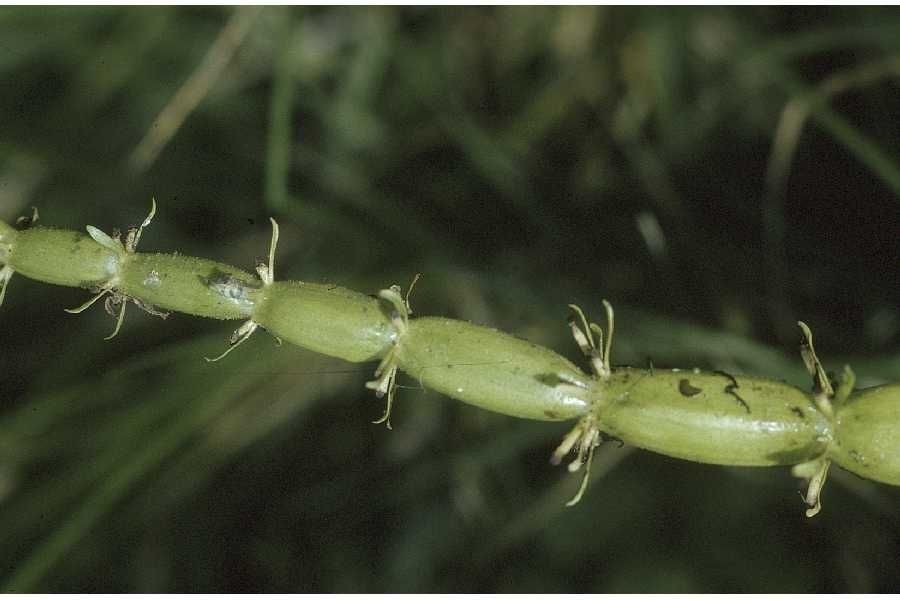
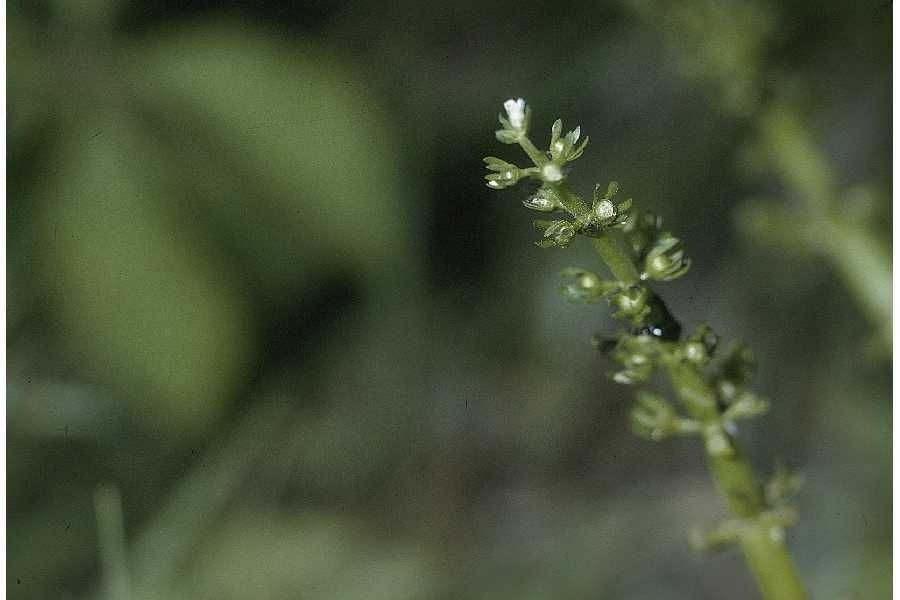
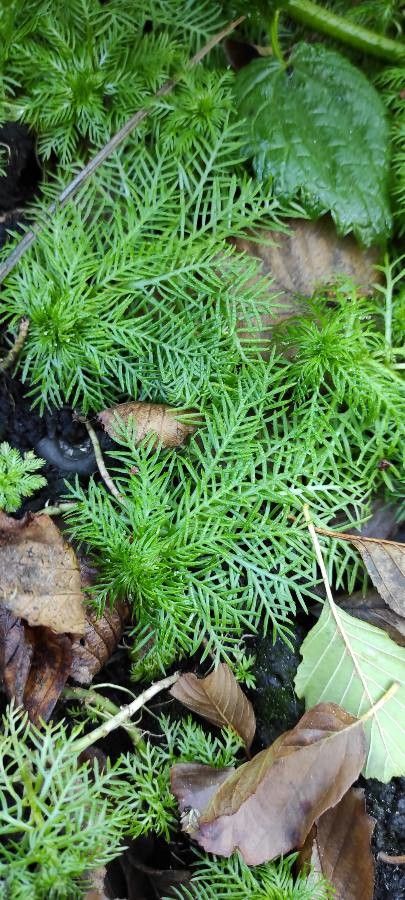
Hottonia inflata, the American featherfoil or featherfoil, is an aquatic plant in the family Primulaceae.
American featherfoil has strong resistance to disease and is typically not prone to illness. Still, it can be affected by pests and diseases present in its environment. Such infections are generally mild. Regarding care, the plant needs a moderate amount of upkeep. Regular pruning is necessary to preserve an attractive appearance and encourage healthy growth. Applying fertilizer can also support flowering. American featherfoil is well suited for anyone with outdoor space like a garden or patio and does not demand extensive plant care experience. When cultivated indoors, it may require a higher level of attention.
How to keep Hottonia Inflata.
Water
American featherfoil is native to aquatic environments and thrives in consistently moist conditions. This plant needs to be watered weekly and does best in standing water, often flourishing in outdoor ponds. As an aquatic perennial, its growth cycle depends on the availability of water, which means it is important to monitor local rainfall patterns.
Temperature
American featherfoil is naturally suited to a temperate environment and favors temperatures between 68 and 100°F (20 to 38°C). Seasonal temperature variations should be managed carefully to maintain optimal growth.
Pruning
The American featherfoil is characterized by its feathery, light green leaves and flourishes in aquatic environments. For optimal growth and to prevent overcrowding, it is best to prune the plant from early to late spring. Be sure to remove any yellowing or dead leaves, and always use clean tools to help maintain plant health. This practice will also promote better light penetration and air circulation.
Botanical profile.
- Plant Type
- Herb
- Life Cycle
- Annual
- Genus
- Hottonia
- Family
- Primulaceae
- Hardiness Zone
- 5-11
- Mature Height
- 46 cm to 61 cm
- Mature Spread
- 15 cm to 30 cm
- Leaf Color
- Light Green
- Leaf Type
- Deciduous
- Flower Color
- White
- Flower Size
- 0.25 cm
- Bloom Time
- Mid spring, Late spring, Early summer
- Planting Time
- Spring
- Harvest Time
- Summer
Other names.
Reader questions.
How should I water my American featherfoil plant to make it grow well?
American featherfoil can be watered using various common watering tools such as a garden hose with a spray nozzle or a watering can. It is not very particular about the water source and can thrive on rainwater, tap water, or filtered water. It is advisable to avoid watering this plant from above as it can harm the leaves and flowers and potentially lead to disease. A drip irrigation system is often the best method for watering, as it provides even and direct water supply to the soil. When dealing with a container-grown American featherfoil, you can follow a similar watering approach but change the tools used, such as a cup, watering can, or tap, to apply water directly to the soil.
How much sunlight does American featherfoil need to grow?
The American featherfoil thrives in partial sunlight and requires a minimum of 3-6 hours of direct sunlight every day. For optimal growth, select a location in your garden that receives morning sun and afternoon shade. Alternatively, you can plant the American featherfoil under a tree that offers filtered sunlight. If growing in containers, place them on a patio, balcony, or porch and adjust their position throughout the day to ensure they receive adequate light.
What temperature is best for American featherfoil?
The best temperature for American featherfoil depends on the time of year. There are two primary seasons to consider: the growing season and the dormancy season. During the growing season, which is when the plant starts to sprout, the ideal temperature range is between 65-80℉(18-27℃). If the temperature goes below 15℉(-10℃), the plant will suffer and its leaves may turn brown and wilt. However, if it's a short cold snap, the plant can survive with some assistance. Similarly, during the warmer parts of the year, it's important to protect American featherfoil from temperatures that are too high. The maximum temperature range for this plant is 95-105℉ (35-40℃), as anything higher can damage its foliage and blooms. Hotter temperatures can lead to wilting, drooping, and sunburn on the leaves, which are challenging for the plant to recover from. Fortunately, there are several quick and easy ways to address this issue.
What should I do if I give my American featherfoil too much or too little water?
To remedy underwatering in American featherfoil, simply start watering it more regularly when you notice it lacks moisture. On the other hand, overwatering is a more serious issue that can lead to disease and death if not caught early. To prevent this, choose a location with ample sunlight to dry the soil and good drainage to prevent waterlogging. For potted American featherfoils, consider changing to a new pot with better drainage and using loose soils during repotting.
What will happen if American featherfoil doesn't receive enough sunlight?
Insufficient sunlight negatively affects the growth of American featherfoil plants. They become leggy with long, thin stems that reach out for sunlight. In addition, they do not bloom or produce seeds when in shaded areas. The lack of sunlight also leads to the development of yellow or pale green leaves, stunting the plants' growth. Moreover, American featherfoil plants become more susceptible to diseases and pests if they do not receive adequate light.
We need to know the temperature preferences for baby American featherfoil plants.
If you're growing an American featherfoil outside for the first time, it may need extra care during the coldest months. Frost can be very damaging and prevent the plant from regrowing in the spring. To protect your new plant, make sure it doesn't drop below 40℉(5℃). You can achieve this by either bringing it inside or using mulch or fabric barriers to shield it from frost. During the first year or two, it's best to plant the featherfoil in a shadier area. Smaller and weaker plants struggle to regulate their temperature in the heat, so limit their direct sunlight to no more than five hours a day, especially if it gets hotter than 80℉(27℃). Use shadecloth and water or mist the plant frequently to help it stay cool in the summer.
How frequently should I water my American featherfoil?
American featherfoil requires regular watering throughout the growing season. In the spring, you should water it once a week. As the season gets warmer, you may need to water it two to three times a week. However, overwatering can harm the plant, so be cautious. Regardless of how often you water, make sure the soil is moist but not wet. When it comes to potted American featherfoil, you will likely need to water it more frequently. Potted soil can heat up and dry out faster than ground soil. Generally, watering a container-grown American featherfoil a few times per week is recommended, compared to just once a week for an in-ground plant.
What will happen if American featherfoil gets too much sunlight? What happens if American featherfoil gets too much sun?
The American featherfoil can suffer from excessive sunlight, especially in the hot summer. Overexposure to sun can cause brown spots on leaves and flowers, and even lead to leaf loss. Additionally, dehydration and wilting may occur. If you observe any of these symptoms, consider relocating the American featherfoil to a shadier spot or reducing its sun exposure.
How can I keep American featherfoil safe from very hot or very cold weather?
To protect American featherfoil from frost or cold damage during the growing season, there are a few measures you can take. If you are growing it in a container, simply bring the container inside in bright, indirect light until temperatures rise above 15℉ (-10℃) again. If it is planted in the ground, you can use mulch or horticultural fabric to create a protective barrier around the plant to shield it from frost and cold wind. On the other hand, if temperatures exceed 80℉ (27℃) in the shade during the day, it is important to limit the plant's exposure to sunlight. Ideally, expose it to no more than six hours of sunlight per day, preferably in the morning. To achieve this, you can put up shade cloth or a fine plastic mesh to reduce direct sunlight during the hottest parts of the day. Additionally, installing a misting system can help release a cooling mist around the plant's base during the day, which allows for lower ground temperatures.
How much water does my American featherfoil plant require?
Determining the appropriate amount of water for your American featherfoil can be approached in a few ways. Some gardeners prefer to check the soil for moisture by feeling it. This method suggests watering until the top six inches of soil feel moist. Alternatively, you can use a fixed measurement to determine how much water to give your American featherfoil. Generally, about two gallons of water per week should suffice, adjusted based on temperature and how quickly the soil dries out. However, sticking solely to this guideline may result in overwatering if your plant needs less water for any reason. When growing American featherfoil in a container, you will need to use a different approach. In this case, water the soil enough to moisten all dry layers. To check if the soil is adequately moistened, you can insert your finger into the soil or observe a slight trickle of water from the pot's drainage holes.
Recommendations for the temperature during the dormant season of American featherfoil.
American featherfoil requires a certain amount of cold during winter to remain dormant until it's time to sprout. If it sprouts too early, before the last frost has passed, it can be fatal to the plant, especially if it has already started growing before the frost occurs. Ideally, winter temperatures should be below 32℉(0℃), but if they reach up to 40℉(5℃), it's still acceptable. In more temperate climates like woodland rainforests, unexpected warm periods during the cold months can cause American featherfoil to sprout prematurely. In this case, if there is still a risk of frost, you can protect the new sprout by covering it with clear plastic on stakes. Once the danger of frost has passed, you can remove this setup. While American featherfoil may resprout at the right time naturally, this method increases the likelihood of a successful second sprouting.
How do I know if I'm watering my American featherfoil plant enough?
Avoiding overwatering your American featherfoil can be somewhat difficult due to a few factors. These plants have deep roots that require weekly watering to keep the soil moist. However, it is important to be cautious as American featherfoil are highly susceptible to root rot, which can result in browning of the plant. Underwatering is less likely to occur, as American featherfoil can survive for some time without additional watering. However, if the plant goes too long without water, it may start to wilt and the leaves may become dry.