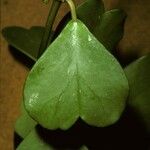
Hoya cordata
Care Guide
💧 Water Every 3 weeks
The wax plant thrives in high humidity and benefits from a regular watering schedule of once every three weeks. It is ideally suited for indoor environments, thanks to its ability to retain water. As an evergreen, it maintains lush foliage throughout the year.
What should I do if I give my Wax plant too much water or not enough water?
Wax plants are typically able to withstand periods without water, but if you neglect to water your plant for a month or more, it may show signs of underwatering such as a lackluster appearance, wrinkling, drying up, and brown or crispy leaves. To remedy this, submerge the pot in water for 5-10 minutes until the soil feels moist. On the other hand, overwatering is dangerous for wax plants and can lead to root rot. Symptoms of overwatering include yellow, swollen, and translucent organs that may burst open, browning or blackening of the plant, and falling leaves. To address overwatering, change the growing conditions by increasing air ventilation and adjusting the frequency of watering. To save an overwatered plant, remove it from the pot and examine the roots and soil. If root rot is present, the plant may not be salvageable. However, if only a portion of the roots are affected, the plant can potentially be saved. Remove unhealthy roots and dip the healthy roots in a fungicide before repotting in fresh soil. With proper care, the plant should recover and produce new growth.
How much should I water my Wax plant?
To determine how often to water your Wax plant, there is no fixed rule. The best way is to check the soil and only water when it is completely dry. You can check by inserting your finger or using a moisture meter to test the soil below the surface. If you have planted it in a deep pot, you can also use a stick or chopstick. If the soil feels even slightly moist, wait a few days and check again. In general, most people will need to water their Wax plant every two weeks in the summer and once a month in the winter. However, there are various factors that can affect the frequency of watering. The section below provides some considerations to help you determine how often to water your Wax plant.
What things should I think about when watering my Wax plant?
To properly water your Wax plant, there are several environmental factors to consider. These include the size of the container, the type of soil, the temperature, and the humidity. The container and soil will determine how often and how much water to use. Make sure the container has drainage holes so that excess water can escape. A small container holds less moisture, so it needs to be watered more frequently. On the other hand, a larger pot retains more water and requires less frequent watering. However, avoid using an oversized pot as this can cause overwatering. When repotting, choose a container that is only one size larger than the current one. Also, a shallow container is better than a deep one because Wax plants have shallow root systems. In terms of seasons, Wax plants need less water in winter and more water in the active growing seasons of spring and autumn. During winter, the plant has slower growth and requires less energy and water. Since evaporation is reduced in cooler temperatures, the soil remains wet for longer. It's important to note that the climate of your location also affects the watering needs of the Wax plant. In humid regions with frequent rainfall, watering will be less frequent compared to dry and arid climates. Keep in mind that the conditions can vary even within the same geographic location due to seasonal changes and indoor heating or air conditioning. For Wax plants planted in the ground, once they have established a root system, they typically won't need supplementary watering beyond precipitation and dew. However, during extended dry periods, occasional watering might be necessary. In areas where Wax plants can only be grown in containers, they can be moved outside during spring and summer when the temperatures are suitable and then brought back indoors when it starts to get cooler. Potted Wax plants kept outside generally require more water compared to those kept indoors due to increased sun exposure, even on a shaded porch.
How do you give water to a Wax plant?
The best way to water a Wax plant is to thoroughly soak it and then let it dry out before watering again. This plant can tolerate some dryness, so it's better to underwater it than to overwater it. When watering, make sure to soak the soil throughout the entire pot by pouring water around the rim. The amount of water needed depends on the size of the container and the soil's absorption capacity. After watering, let the drained water sit in the saucer for about 20-30 minutes to allow it to be absorbed by dry soil pockets. Then, discard any excess water in the saucer to prevent waterlogging the soil. Another effective watering method is bottom-watering, where you place the pot in a saucer of water so that the soil absorbs moisture through the drainage holes. You'll know the soil has absorbed enough water when the top layer is moist. This method takes more time but ensures even distribution of water throughout the pot. Wax plants are naturally adapted to dry environments with infrequent rain, so bottom-watering when the soil is completely dry mimics these conditions. It's better to deeply water the soil rather than water lightly and frequently for Wax plants.
☀️ Light Partial sun
The wax plant generally flourishes in areas with moderate light, neither fully engulfed in shade nor directly exposed to sunlight. This corresponds to the conditions found in its natural habitats. Nevertheless, the wax plant has the ability to survive in environments ranging from total shade to complete direct sunlight, a factor that might influence its growth and overall health.
How much sunlight does Wax plant need to grow?
Wax plants can thrive in partial sun, but they need a good amount of light. Ideally, they should receive 3-6 hours of direct or indirect sunlight per day. The amount of sunlight required may vary depending on the specific species of Wax plant and their natural habitat.
What will happen if the Wax plant doesn't receive enough sunlight?
Wax plants need sufficient sunlight to thrive. Without it, they can weaken and struggle to grow. If they don't get enough sunlight, they may develop leggy growth known as etiolation, and their leaves can become pale or discolored. In addition, a lack of sunlight makes wax plants more vulnerable to pests and diseases.
What happens if Wax plant gets too much sunlight?
To prevent sunburn and dehydration, it is crucial to monitor the amount of direct sunlight your Wax plant receives. Too much sunlight can lead to brown spots on the leaves or stems, and in extreme cases, the plant may wilt. Adjust the sunlight exposure as necessary to keep your plant healthy.
🌡️ Temperature 20–41.1°C
The wax plant thrives best in a temperature span of 68 to 105 ℉ (20 to 41 ℃). It naturally grows in environments where warmth and humidity are abundant. To prevent harm from colder temperatures during winter, it is advised to maintain a warmth level between 60 to 85 ℉ (15 to 29 ℃).
What temperature is best for your Wax plant?
The Wax plant thrives best when kept in a specific range of conditions. Ideally, temperatures should stay between 75-90℉ (25-32℃). In the early winter, it's important to ensure that temperatures don't drop below 75℉ (25℃) for the Wax plant's well-being. If extreme temperatures are anticipated, it's advisable to bring the plant indoors for added protection. While the Wax plant can endure some extreme temperatures, it is not ideal for it. It can occasionally survive in lower temperatures around 50℉ (15℃), but it's still recommended to bring it indoors during winter conditions.
How do I change the temperature for my Wax plant as it grows?
The wax plant goes through different growing phases. First, the dormant seed develops into a seedling. To make this happen, the seeds have to be in the right conditions, with a temperature range of 75-90℉ (25-32℃) for germination. The best time for the wax plant to thrive is in the summer when temperatures are around 85℉ (30℃). During this time, it's helpful to move the plant from indoors to a sunny spot to ensure it gets enough sunlight.
How do I make sure my Wax plant stays warm during the cold seasons?
To protect your Wax plant from harsh winter conditions, it is recommended to bring it indoors. Some people choose to purchase various types of grow lights to ensure the plant receives enough sunlight. However, if your home is not very dark, buying these lights is not necessary. Instead, place your plants in locations with the most sunlight possible, as this should be enough to keep the Wax plant thriving throughout winter. If you have multiple Wax plants, rotate their positions to ensure all of them receive sufficient sunlight. In northern areas with freezing weather, avoid placing the Wax plant too close to the window, as extreme cold temperatures may damage them.
What happens to my Wax plant when it gets too hot or too cold?
In order to help your Wax plant thrive, it's important to consider temperature conditions. During the summer months, the plant does best in warm temperatures around 90℉ (32℃). However, it's crucial to protect the plant from extreme temperatures during hot climates. In contrast, during the winter, it's better to keep the plant dry. Ideally, Wax plants thrive in temperate climates with temperatures between 75-90℉ (25-32℃). However, exposing the plant to extreme temperatures can cause stress. While temperatures ranging between 90℉ and 95℉ (32-35℃) can enhance the colors of the plant, it's important to be cautious when experimenting with this. In the hot summer season, extremely high temperatures can actually burn the Wax plant, potentially damaging its stem and root system. To mitigate this, consider moving the plant to a shaded area or using a shade cloth during the hottest part of the day.
How do I change the temperature for my Wax plant during different seasons?
During summers, the Wax plant's growth is slowed down due to high temperatures. However, when the weather becomes cooler and rainfall begins, the Wax plant starts to grow again. If you live in an area with hot summers, warm winters, and regular rainfall, you don't need to make any changes. But if you live in a place with cold winters, it's recommended to let the Wax plant grow more in summer and rest in winter due to the lack of sunlight during winter. To help your Wax plant go into dormancy in colder temperatures, you can lower the temperature to 50℉ to 75℉ (15℃ to 25℃).
💨 Humidity
🪴 Soil 6-6
🌱 Fertilizer
For the Wax plant, it is adequate to apply light amounts of fertilizer 1-2 instances annually during its growth phase. Refrain from fertilizing during winter and summer seasons when the plant is in a dormant state. After repotting, diminish the fertilizer amount for the plants and hold off on the fertilizing process for a few months. The act of fertilizing fosters robust growth and promotes flowering.
Why is it necessary to fertilize my Wax plant?
Applying plant food to the growing medium of Wax plant helps provide essential nutrients for healthy growth. Although Wax plants already store water and nutrients, fertilizing during the growing season further supports their development. Additionally, fertilizing can stimulate mature Wax plants to produce blooms.
When should I fertilize my Wax plant?
Wax plants benefit from additional nutrients, but they only require a light dose of fertilizer during the growing season. It is recommended to fertilize them 1-2 times a year, specifically in the spring and autumn when they are active. Avoid fertilizing them in winter and summer when they are dormant. If you have recently repotted your Wax plant, be cautious with the amount of fertilizer you use. It is best to wait a few months after repotting before applying any fertilizer.
When is it best to not fertilize my Wax plant?
The Wax plant, like other plants, goes into a dormancy period. During this time, it is important to avoid applying fertilizer. The plant stops growing in both summer and winter, so that's when you should stop fertilizing. Additionally, it is advisable to refrain from fertilizing for the first few months after repotting in the spring.
What kind of fertilizer does my Wax plant need?
To properly fertilize your Wax plant, it is recommended to use a liquid plant food specifically designed for succulents and cacti. Start by diluting the fertilizer with water to half-strength to avoid excessive buildup in the soil. Apply the diluted fertilizer to the base of the plant and ensure thorough watering, allowing any excess moisture to drain from the container or soak into the ground.
How do I give nutrition to my Wax plant?
When fertilizing Wax plants, it is easier to use liquid plant food, although granules are also an option. Follow the instructions on the packaging, ensuring that you dilute liquid fertilizers to half-strength. Whether you choose granules or liquid plant food, remember to apply it to the soil. Cover the granules with a thin layer of soil and water, regardless of the type of plant food you are using.
🪴 Pot & Repot Every 2 years
When it comes to repotting the Wax plant, you should opt for a pot that's a bit larger than the current one, which has effective drainage. Make sure to use a cactus or succulent mix that drains well and is gritty. Carefully extract the plant from its previous pot, brush off any surplus soil, and then replant it at an equivalent depth. Allow a few days before watering the plant to give any injured roots time to recover. It's best to repot during spring or autumn and place the plant in a region with lots of light.
✂️ Pruning
Pruning a wax plant is typically unnecessary, as it naturally produces new leaves and flowers at the ends of its tendrils. However, if you need to manage its size or remove any dead growth, light trimming can be done. The best time for this is early spring, just as the plant is entering its growing season. Try to avoid pruning at other times to ensure the plant's health is not compromised.
🌿 Propagating
🐛 Diseases & pets
☠️ Toxicity
Characteristics
- Plant Type
- Succulent, Vine, Herb
- Life Cycle
- Perennial
- Genus
- Hoya
- Family
- Apocynaceae
- Hardiness Zone
- 10-13
- Mature Height
- 2.13 m
- Mature Spread
- 30 cm to 49 cm
- Leaf Color
- Dark Green
- Leaf Type
- Evergreen
- Flower Color
- Yellow
- Flower Size
- 1.02 cm to 1.52 cm
- Bloom Time
- Late spring, Early summer, Mid summer
- Planting Time
- Spring, Summer
- Harvest Time
- Mid summer, Late summer
- Native Area
- China